
10 Property Practitioner Tips to Qualify Buyers Faster
Struggling with unqualified property leads and wasted viewings? These ten real-world tips help South African property practitioners filter serious buyers,

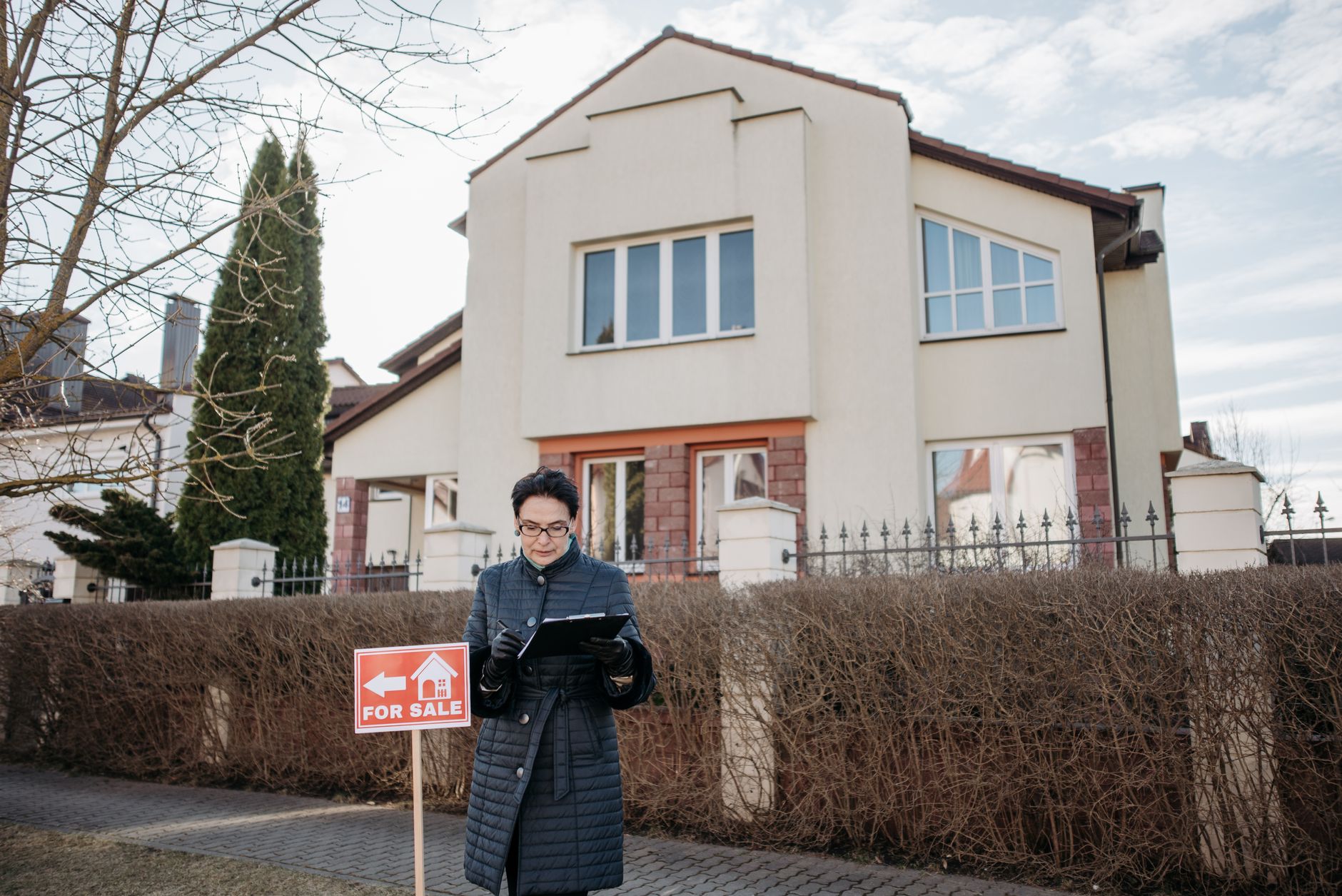
Struggling with unqualified property leads and wasted viewings? These ten real-world tips help South African property practitioners filter serious buyers, present listings better, and close deals faster.
Quick Answer
The top ten tactics are: verify FFC status immediately; use a 90-second phone screen; score leads with a simple points system; request pre-qualification from a bond originator; inspect the OTP draft before any viewing; photograph and upload within 24 hours; write benefit-led headlines; schedule clustered viewings; track every lead in a spreadsheet; and ask for referrals the day the offer is signed. Each tip adds less than five minutes to your workflow but cuts wasted viewings by half.
1. Confirm FFC Status in the First Call
Under the Property Practitioners Act (PPA), only practitioners with a valid Fidelity Fund Certificate (FFC) can receive commission. Yet many leads still come through colleagues whose FFC has lapsed. Ask every prospect: “Is the agent you are speaking with FFC-current?” If the answer is uncertain, redirect them to the PPRA FFC checker. This single question removes the risk of acting on stale advice and positions you as someone who follows the rules.
Why it matters
Buyers who discover later that their agent lacked an FFC often switch mid-process. Confirming early prevents lost commissions and protects your reputation.
How to apply it
Add an FFC reminder to your email signature and voicemail script. Spend 10 seconds explaining that the FFC is renewed annually and backed by the Property Practitioners Regulatory Authority.
2. Screen With a 90-Second Phone Script
Most practitioners jump straight to scheduling a viewing. Instead, spend 90 seconds on the phone asking four fixed questions:
- When do you need to move?
- Have you spoken to a bond originator yet?
- What price range did the originator suggest?
- Can you cover transfer costs above the deposit?
If the prospect cannot answer two of the four clearly, flag the lead as “needs preparation” rather than “ready to view.”
Real example
Thabo Mbeki, a practitioner in Pretoria East, used this script on 40 leads in one month. Only 11 answered all four questions confidently. He booked viewings for those 11 and closed two deals, while the other 29 were nurtured with a follow-up email sequence.
3. Score Leads With a Simple Points System
Not every lead is equal. Create a five-point checklist and award one point for each condition met:
| Condition | Point |
|---|---|
| Pre-qualified by a bond originator | 1 |
| Deposit funds available | 1 |
| Ready to move within 60 days | 1 |
| No onward chain | 1 |
| First viewing requested, not casual inquiry | 1 |
Leads scoring 4–5 points get priority scheduling. Scores of 2–3 are nurtured. Scores of 0–1 are archived for six months.
Why the spreadsheet still wins
Many practitioners rely on memory. A basic Google Sheet with columns for name, points, last contact, and next step keeps every lead visible. Colour-code rows: green for 4–5 points, amber for 2–3, grey for 0–1.
4. Request a Bond Pre-Qualification Letter
South African banks issue pre-qualification letters valid for 30 to 90 days. Ask every serious buyer to share this letter before the first viewing. It does not guarantee approval, but it confirms affordability ranges.
The transfer duty trap
Transfer duty is paid by the buyer to SARS, not by the seller. First-time buyers on properties up to R1.1 million pay no transfer duty at all. Share this fact early — it often opens budgets by tens of thousands of rands.
Buyer pays nothingFirst-time buyer rebate appliesStandard rateStandard rateMaximum rateUltra-high net worth
| Property Value | Transfer Duty Rate | Notes |
|---|---|---|
| Up to R1 100 000 | 0 % | |
| R1 100 001 – R1 500 000 | 3 % on the portion | |
| R1 500 001 – R2 250 000 | 6 % on the portion | |
| R2 250 001 – R3 000 000 | 8 % on the portion | |
| R3 000 001 – R20 000 000 | 11 % on the portion | |
| Above R20 000 000 | 13 % on the portion | |
Table data sourced from SARS, effective 1 March 2025.
5. Inspect the OTP Before Any Viewing
The Offer to Purchase (OTP) is the foundation of every transaction. Before confirming a viewing, ask to see the buyer’s draft OTP or their bond pre-approval letter. This surfaces financing gaps early.
Common mistake
Viewing a property worth R1.8 million when the buyer’s pre-approval is for R1.2 million wastes everyone’s time. Catching this before the appointment protects your credibility.
6. Upload Property Photos Within 24 Hours
Properties listed with high-quality images within 24 hours of signing the mandate receive 60 % more inquiries than those uploaded later, according to data from major South African portals. Use the wide-angle lens on your phone, open all curtains, and stage one room fully.
Headline writing
Instead of “Three-bedroom townhouse in Sandton,” write “Modern three-bedroom townhouse with private garden, steps from Sandton City.” Benefit-led headlines outperform generic ones by nearly 40 %.
7. Schedule Clustered Viewings
Group viewings by suburb and time block. A cluster of four properties within a 2 km radius, scheduled between 10:00 and 12:00, allows the buyer to compare homes efficiently. It also reduces your travel time between appointments.
The Deeds Office delay
Transferring ownership requires lodgement at the Deeds Office, which can add two to four weeks depending on the region. Set this expectation during the first consultation so buyers understand the full timeline.
8. Track Every Lead in a Shared System
Use a shared Google Sheet or a low-cost CRM with columns for lead source, date contacted, points score, and next action. Sync it with your team daily. This ensures no hot lead goes cold because someone forgot to follow up.
Common mistake
Relying on WhatsApp messages and mental notes leads to lost leads. Systems beat memory every time.
9. Qualify Based on Occupation Rent
When a buyer needs to sell before purchasing, introduce the concept of occupational rent. This is a daily fee paid by the outgoing owner to stay in the property after the transfer date. It helps bridge timing gaps and keeps chains moving.
Real example
Sarah Botha in Cape Town used occupational rent to sell her apartment and move into her new home on the same day. The buyer paid R800 per day for 14 days, keeping the chain intact and avoiding dual transactions.
10. Ask for Referrals the Day the Offer Is Signed
The moment a buyer signs the OTP is when momentum is highest. Politely ask: “Would you recommend me to friends or family who might be buying?” This is not pushy — it is professional. Most referrals come within this first week after the sale is agreed.
Referral template
Send a simple follow-up message: “Thank you for trusting me with your purchase. If you know someone ready to buy or sell, I would love to help them too.”
Productivity Hacks That Save Hours Weekly
Beyond lead qualification, productivity improvements compound over time. Here are three micro-habits adopted by top-performing practitioners:
- Batch similar tasks — schedule all phone calls in one hour, all emails in another.
- Use voice-to-text for property descriptions instead of typing on mobile.
- Block 15 minutes at the end of each day to update your lead tracker.
Where KILICASA Supports Your Workflow
KILICASA connects property practitioners with buyers who are pre-qualified through the KILI PASSPORT, reducing time spent on unqualified leads. The platform also provides standardised listing templates and lead scoring tools designed to complement existing workflows, not replace them. Learn more about KILICASA.
Key Takeaways
- Confirm FFC status in the first call — it prevents legal risk and lost commissions.
- Use a 90-second phone screen to filter serious buyers from browsers.
- Score leads with a points system and book viewings only for top-scoring prospects.
- Request a bond pre-qualification letter and explain transfer duty rebates early.
- Upload property photos within 24 hours and write benefit-led listing headlines.
Frequently Asked Questions
Can I give financial advice on bond amounts?
No. Under the National Credit Act (NCA), only registered credit providers can recommend specific loan products. Explain how bonds work, then refer the buyer to a bonded originator or financial adviser.
How long does a Deeds Office transfer take in Gauteng?
As of 2025, standard freehold transfers in Gauteng take 6 to 10 working days after lodgement, while sectional title transfers average 4 to 7 working days. Delays often occur during month-end peaks.
Conclusion
Qualifying property buyers, presenting listings effectively, and managing productivity are skills that compound with practice. By confirming FFC status early, using a structured phone screen, and scoring leads consistently, you reduce wasted viewings and convert more inquiries into signed mandates. Combine these tactics with standardised listing templates, clustered viewings, and proper lead tracking to build a sustainable, efficient workflow. KILICASA supports this journey by connecting you with pre-qualified buyers and providing tools designed by practitioners for practitioners.
Join the KILICASA waiting list for agencies — get early access and reach buyers who are ready before you list. KILICASA →

