7 Property Practitioner Tips to Qualify Better Leads and Sell Faster
Property practitioners lose hours on viewings that never convert. Here's how to qualify buyers, boost listing performance and increase productivity using s

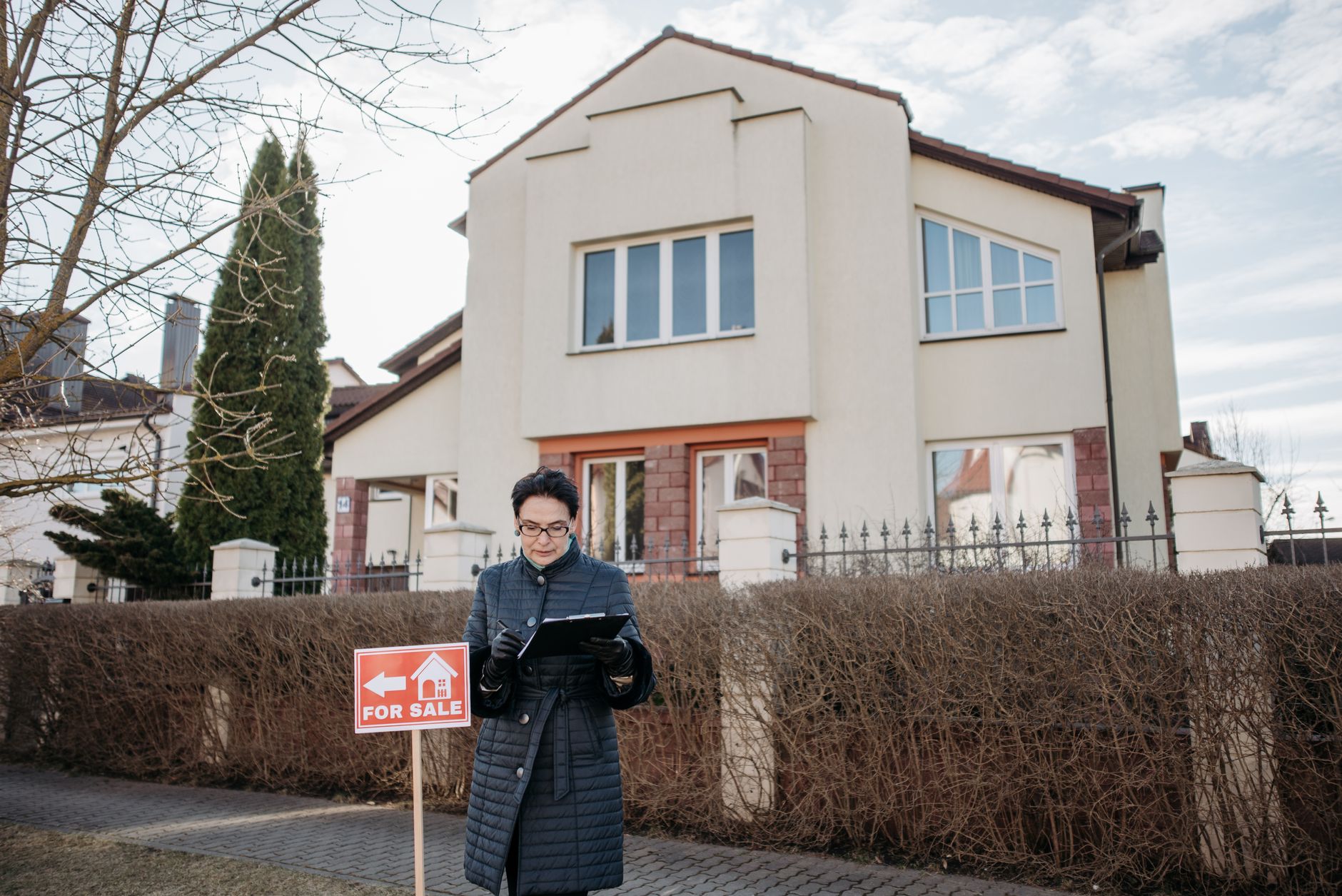
Property practitioners lose hours on viewings that never convert. Here's how to qualify buyers, boost listing performance and increase productivity using simple South African real estate lead qualification tactics.
Quick answer: The difference between a busy agent and a productive one is not more viewings — it is fewer, sharper ones. Qualify every lead against affordability, readiness and fit before the first key is handed over, and use a short checklist to confirm each of those three points. This single habit cuts wasted viewings by half and raises the closing rate on the appointments you do keep.
The Tuesday That Should Not Have Happened
Marcus, a property practitioner in Johannesburg, had a Tuesday morning blocked out for three viewings. By 9 a.m. he had driven across Soweto, Rosebank and Midrand. None of the three prospects could afford the homes they wanted to see. None had a pre-qualification letter. None was ready to move within 30 days.
He returned to the office with a tank of petrol, three hours lost and zero momentum. The worst part? Every one of those prospects had looked perfectly serious on the phone. They had answered the right questions, sounded eager and confirmed they were “looking seriously”. But serious, on a property practitioner’s phone, does not mean ready to buy.
This is the quiet crisis of South African real estate prospecting: volume without qualification. The average agent spends 60 percent of their working week chasing leads who cannot buy, cannot afford what they want, or are not ready to move when the right property appears. The result is fewer sales, higher costs and a pipeline that always looks busy but rarely converts.
Tip 1: Replace Intuition With a Three-Point Lead Check
The first tool every practitioner needs is a short qualification checklist that is asked before the first viewing is scheduled. It does not need to feel confrontational. It feels like good service.
- Affordability: What bond amount are they pre-qualified for, and what total purchase price does that support once transfer duty and transfer costs are added?
- Readiness: When do they need to move, and are their own property or rental notice already aligned to that date?
- Fit: Does the property type, area and price range match what they have confirmed they actually want?
Each question maps to a blocker that stops most transactions. Affordability is usually a conversation with a bond originator, not a guess from the buyer. Readiness exposes hidden dependencies — school terms ending, lease expiry dates or the need to sell first. Fit surfaces preferences that change once a client walks through a real home instead of scrolling online.
Example: A client wants a three-bedroom house in Sandton for R1.8 million. Their bond pre-qualification covers R1.3 million. Before the second viewing, the practitioner gently realigns the search to R1.3–R1.5 million, or helps the client understand the gap. The appointment is still kept, but the right appointment.
Error to avoid: Assuming that enthusiasm and income are the same thing. A buyer can earn enough to seem qualified but still be months away from bond approval, or carrying debt that reduces their effective affordability.
Tip 2: Use the KILI Passport Signal Without Becoming a Credit Clerk
In South Africa, property practitioners walk a careful line between helping a buyer understand their position and giving financial advice they are not licensed to give. The solution is to encourage every serious prospect to obtain a KILI Passport, a standardized pre-qualification profile that confirms availability, documents and preliminary bond capacity without guaranteeing approval.
The practitioner’s role is to recognise the signal, not to interpret the number. A buyer with a KILI Passport has confirmed they have been through an initial affordability check. They have uploaded payslips, bank statements and ID documents. They have a clearer idea of what they can afford than someone relying on a gut feeling.
Example: Two leads come in for the same R1.2 million townhouse. One has a KILI Passport showing a pre-qualification range of R1.0–R1.3 million. The other has not started any affordability check. The practitioner schedules the Passport holder first and asks the other client to run their bonds before the viewing is confirmed.
Error to avoid: Treating a pre-qualification figure as an approval. The bond is still subject to the lender’s final assessment, valuation and credit risk decision. The Passport helps prioritise, not predict.
Where KILICASA Fits
KILICASA supports property practitioners by standardising the early part of the buyer journey. The KILI Passport gives practitioners a reliable starting point for the affordability conversation, reducing the number of viewings that collapse at the finance stage. It does not replace the bond originator or the lender decision; it sharpens the filter before the keys change hands.
Tip 3: Turn Every Viewing Into a Qualification Moment
Viewings are expensive — in time, fuel and opportunity cost. A structured viewing routine turns each appointment into a second qualification pass.
Before leaving the car:
- Confirm the client’s pre-qualification range and total budget including transfer costs.
- Ask one question about their timeline: “If this property were available today, would you be able to put down a deposit within seven days?”
- State the next step clearly: “If this property matches your brief, we will prepare an Offer to Purchase template for you to review.”
During the viewing, listen for three things:
- Objections: “The kitchen is too small” may mean the price is the real problem.
- Enthusiasm: A genuinely interested buyer asks detailed questions about levies, extension potential and resale value.
- Comparisons: “How does this compare to the one in Melville?” reveals whether they are shopping or deciding.
Example: A practitioner in Cape Town noticed that every client who asked about the body corporate financials within the first ten minutes ended up putting in an offer. That became the internal signal: questions about governance, not glamour, separated ready buyers from browsers.
Error to avoid: Treating every visitor as a potential buyer. A viewing is a two-way audition. If the client is not engaged, reschedule the next appointment instead of wasting a full tour.
Tip 4: Structure Your Prospecting Around Readiness Windows
Not every lead is ready to act today. Grouping leads by readiness window keeps the pipeline active without burning energy on cold prospects.
Three buckets work for most practices:
| Bucket | Criteria | Action |
|---|---|---|
| Heat one | Pre-qualified, deposit-ready, moving within 30 days | Schedule viewing within 48 hours |
| Heat two | Pre-qualification in progress, moving within 60–90 days | Weekly check-in, property alerts |
| Heat three | Interest expressed, affordability not started | Monthly nurture, education on process |
Example: An agent in Pretoria uses a simple spreadsheet column to tag each lead with their bucket. Heat one leads get first access to new listings. Heat three leads receive a monthly email explaining transfer costs, bond structures and the OTP process — information that builds trust while they save.
Error to avoid: Mixing all three buckets together. A heat three lead who is not ready will not become ready faster with more viewings. They need information, not inventory.
Tip 5: Measure What Matters — Conversion, Not Activity
The metric that matters for a property practitioner is conversion rate, not listing views or call volume. Activity feels productive; conversion is productive.
Track these four numbers for every month:
- Number of qualified leads who viewed a property
- Number of offers made
- Number of sales agreed
- Average days from first contact to offer
Example: Two agents in Durban each had ten listing views in one week. Agent A scheduled eight viewings and made no offers. Agent B scheduled four viewings and made two offers. Agent B is more productive, even with half the activity.
Error to avoid: Measuring the number of property viewings as success. A viewing that ends in “interesting, let me think” has not advanced the transaction. An offer, even if rejected, has advanced it.
Tip 6: Master the PPRA and FFC Compliance Conversation
Property practitioners in South Africa operate under the Property Practitioners Act and must hold a valid Fidelity Fund Certificate (FFC). Buyers who understand this feel more confident, not less. Using compliance as part of the qualification conversation reassures serious buyers and filters out casual browsers.
Early in the process, confirm:
- That the buyer understands the role of the practitioner and the nature of the commission.
- That they know who is paying the commission and when it becomes payable.
- That they have received the mandatory disclosure documents.
Example: An agent in Bloemfontein includes a one-page summary of PPRA protections with every first-time buyer pack. The summary explains the FFC requirement, the deposit protection process and the complaint procedure. Buyers who read the pack and sign it are already demonstrating engagement with the process.
Error to avoid: Treating compliance documents as paperwork to be signed at the end. Compliance builds trust when it is explained at the start, not defended at the finish.
Tip 7: Build a Simple Feedback Loop With Your Network
The best property practitioners do not work in isolation. They maintain a short list of trusted partners — bond originators, conveyancers, inspectors and financial advisers — and check in with each of them at least once a month.
The loop has two purposes:
- Keep partners informed so they can refer suitable buyers back to you.
- Stay informed about what is happening in the broader market — interest rate movements, bond approval slowdowns, new development launches.
Example: A practitioner in Johannesburg meets their bond originator for coffee every second Friday. Over six months, they notice that three of the originator’s clients were turned down for reasons that showed up in the credit report. That feedback becomes part of the early affordability conversation with future buyers.
Error to avoid: Treating partners as external vendors rather than collaborators. A referral network that is not actively maintained produces no referrals.
Actionable Tips for Property Practitioners
- Use a three-point checklist — affordability, readiness, fit — before every first viewing.
- Prioritise leads with a KILI Passport and keep non-Passport leads in a nurture stream.
- Turn every viewing into a second qualification using objection, enthusiasm and comparison signals.
- Group leads into readiness buckets and measure conversion rate, not activity.
- Include PPRA and FFC information in every first buyer pack.
- Schedule regular check-ins with bond originators and conveyancers.
- Track average days from first contact to offer and reduce it every month.
Conclusion: The Transaction Always Reveals
A property transaction reveals the true state of a buyer’s life — their finances, their priorities, their timing. A property practitioner who waits for that revelation to happen at the viewing table has already lost time and money. A property practitioner who asks the right questions early, listens carefully during the viewing and measures what actually converts will find that their busiest weeks are not their most profitable weeks, but their most selective ones.
The South African property market rewards precision over volume. Buyers who can afford, are ready and genuinely fit the right home do not need more viewings. They need a practitioner who has already walked through the affordability, readiness and fit conversation before the first set of keys changes hands.
Frequently Asked Questions
Can a property practitioner give a buyer an affordability figure?
Property practitioners can discuss affordability based on information a buyer provides, ideally supported by a KILI Passport or a bond originator’s pre-qualification. They must not give financial advice that implies a guarantee of loan approval. The final decision rests with the lender.
Does a KILI Passport guarantee that a buyer will get a bond?
No. A KILI Passport confirms that a buyer has started the affordability process and provided supporting documents. It indicates a preliminary capacity based on those documents, but the bond is still subject to the lender’s final assessment, valuation and credit decision.
Ready to find your next home or grow your real estate business? Join KILICASA today and experience South Africa's smartest property platform. KILICASA →