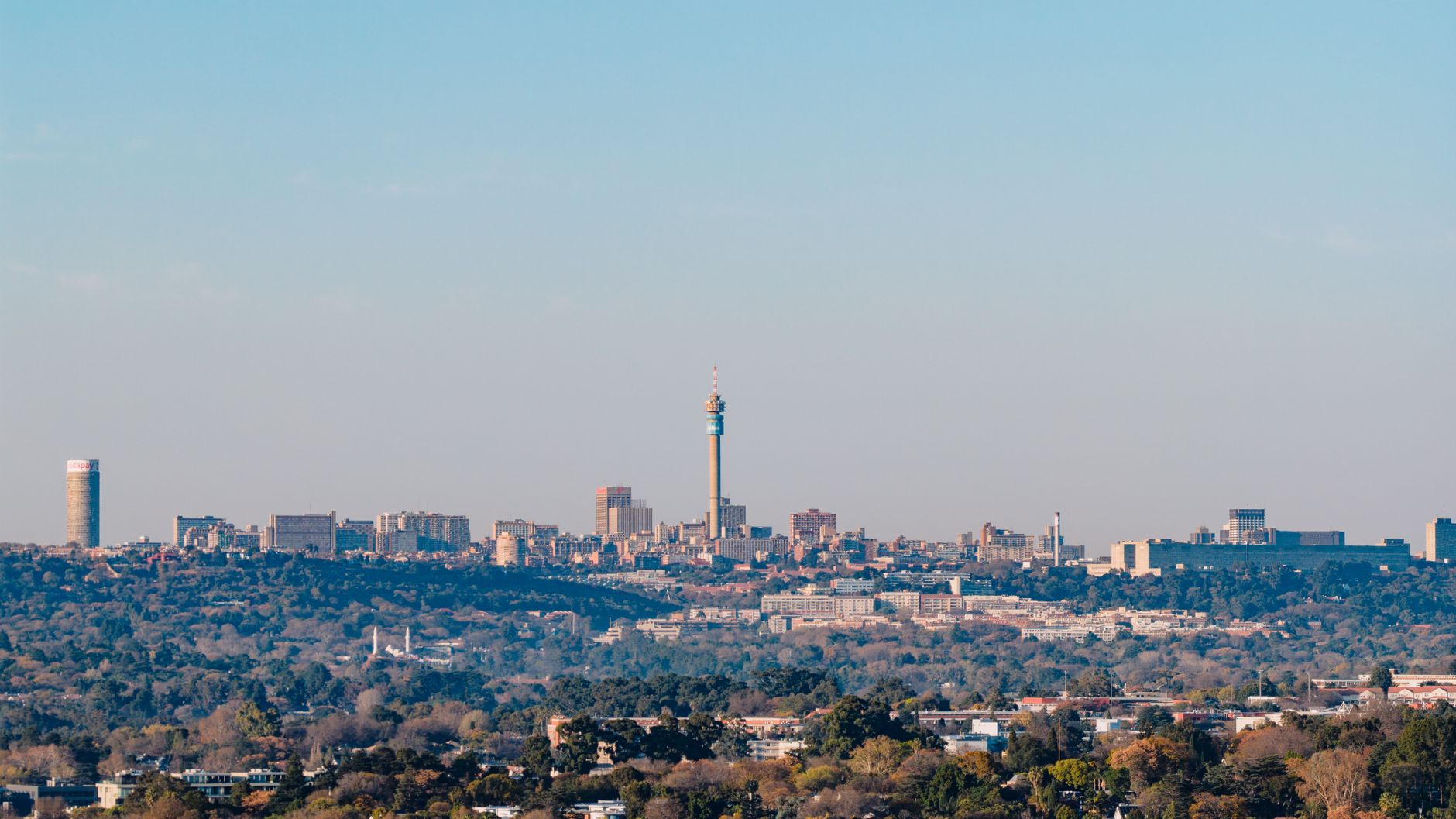
Best Areas to Buy in Johannesburg: Investor Guide

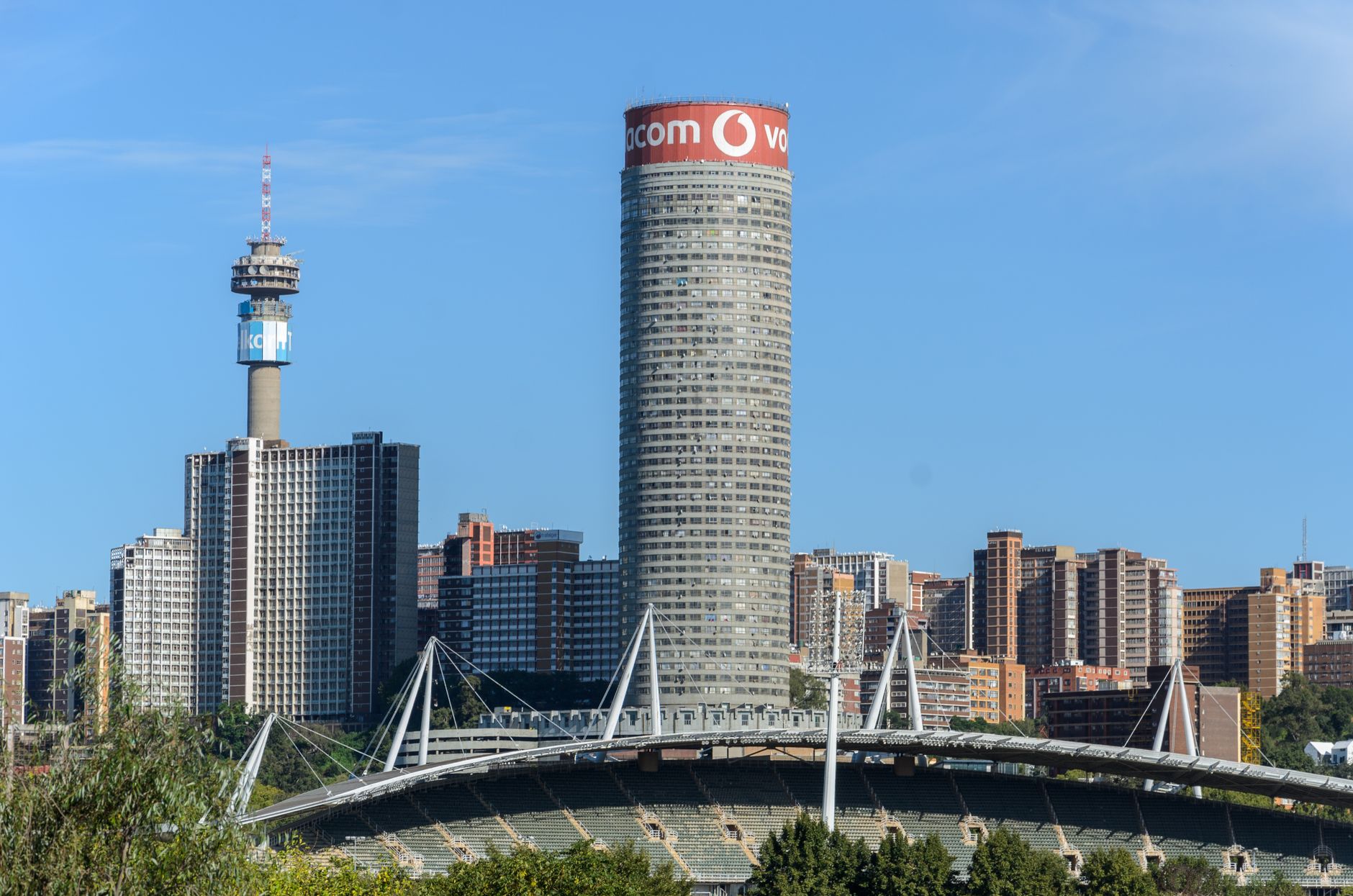
"Where should I buy in Johannesburg to grow my capital safely?" Discover top suburbs for buyers and investors across Johannesburg.
Introduction
"Where should I buy in Johannesburg to grow my capital safely?" This guide answers that question with practical, local advice for buyers and investors navigating Johannesburg’s diverse suburbs. Understanding neighbourhood risk, capital growth potential, rental demand, and transaction costs matters more than ever in South Africa’s largest metro.
Why location matters in Johannesburg property investment
Johannesburg is not a single market: it’s a patchwork of micro-markets driven by employment nodes, schools, security, and connectivity. Investment success depends on matching strategy (capital growth vs rental yield) with suburb fundamentals: proximity to business districts (Sandton, Rosebank), transport corridors, reputable schools, and estate security. Rising crime concerns also make "safe suburbs Johannesburg" a keyword for many buyers — but safety is relative and often tied to estate living, good community policing, and private security solutions.
How to choose the right suburb: criteria for buyers and investors
Use these objective criteria when evaluating areas:
- Demand drivers: employment nodes, universities, hospitals, retail centres.
- Price band and affordability: entry price vs expected capital growth.
- Rental yield and vacancy risk: long-term vs short-term letting potential.
- Security and municipal services: rates, electricity stability, and roads.
- Future development: planned transport projects, rezoning, and commercial uplift.
Top suburbs for buy-to-let and secure rental income
If your priority is rental demand and yield, target suburbs near job hubs, campuses, and transport. Typical yields in these areas range from 6–9% gross depending on the property type.
Rosebank and Melrose Arch
Profile: High-demand apartment market close to corporate offices, with strong short-term and corporate-let demand. Typical prices: apartments R 1,200,000–R 3,500,000 (~USD 63,000–USD 185,000). Expect good rental demand from expatriates and professionals.
Parkview, Greenside and Linden
Profile: Established suburbs with a balance of houses and flats, popular with young professionals and families. Prices: 1-bed apartments R 900,000–R 2,000,000 (~USD 47,000–USD 106,000); family homes R 3,000,000–R 8,000,000 (~USD 158,000–USD 421,000).
Bedfordview and Edenvale
Profile: Close to major highways and OR Tambo Airport; attractive for corporate tenants and commuters. Prices remain reasonably affordable relative to Sandton while offering stable rentals.
Prime suburbs for capital growth and wealth preservation
For capital appreciation, look to nodes undergoing sustained commercial and residential upgrades or historically strong markets where scarcity supports prices.
Sandton, Bryanston and Morningside
Profile: South Africa’s financial centre. High demand from executives, strong resale values, and modern apartment stock. Prices: apartments from R 1,800,000 (~USD 95,000); family homes R 6,000,000–R 25,000,000 (~USD 316,000–USD 1,316,000) depending on street and plot.
Hyde Park and Illovo
Profile: Luxury addresses with limited supply—appeal to high-net-worth buyers and long-term preservation of value. Consider transfer duty and higher bond servicing capacity when targeting this bracket.
Family-friendly suburbs with school catchments and lifestyle appeal
Families favour suburbs with top schools, parks and low crime rates. These areas may trade more slowly but deliver stability and premium resale values.
Dainfern, Fourways and Lonehill
Profile: Gated estates and secure estates with good schools and lifestyle amenities. Prices vary: townhouse or estate villas R 2,500,000–R 7,500,000 (~USD 132,000–USD 395,000).
Northern suburbs: Paulshof, Northriding and Houghton
Profile: Close to primary schools and established shopping centres. Houghton retains prestige and capital resilience thanks to large stands and heritage homes.
Up-and-coming suburbs: value plays for contrarian investors
For investors seeking higher percentage capital gains — and comfortable with longer hold periods and active management — consider suburbs benefitting from regeneration and infrastructure investment.
Newmarket, Randburg pockets and some parts of Roodepoort
Profile: Relative affordability with improving amenities and potential for uplift as transport and retail investment arrives. Suitable for investors prepared to renovate and manage higher tenant turnover.
Soweto (selected nodes) and Orlando East areas
Profile: Long-term value plays where bulk housing demand and local entrepreneurship are growing. Yields can be attractive, but buyers must perform strict due diligence on title, services, and community risk mitigation.
Practical price examples and expected yields
Example price bands and expected gross yields (indicative):
- Entry-level 1-bed apartment near Rosebank: R 1,200,000 (~USD 63,000). Gross yield 6–8%.
- Family home in Bryanston: R 8,000,000 (~USD 421,000). Gross yield 3–5%; strong capital growth.
- Townhouse in Fourways estate: R 2,800,000 (~USD 147,000). Gross yield 5–7%.
- Renovator in an up-and-coming suburb: R 900,000 (~USD 47,000). Potential yield 8–12% after upgrade.
Costs, compliance and legal considerations in Johannesburg
Buying property in South Africa includes these standard costs and compliance checks:
- Transfer duty (if applicable) — check current thresholds (SARS) before purchase.
- Bond registration and conveyancing fees — budget 1–2% of purchase price plus legal fees.
- FICA and POPIA compliance — ID, proof of residence, and verification documents are required by estate agents and conveyancers.
- Rates and municipal accounts — obtain municipal clearance to understand arrears risk.
- Levies — sectional title schemes carry levies; factor these into net yield calculations.
Agent and investor tips for Johannesburg property purchases
Work with agents who understand micro-markets, supply pipelines and school catchments. Ask for recent comparable sales (not only asking prices), vacancy statistics, and historical capital growth in the suburb. For sectional title purchases, request levy statements, recent AGM minutes and insurance schedules.
Transport, schools and infrastructure — the subtle drivers
Connectivity (Gautrain nodes, highways N1, N3, M1), reputable schools (private and public), and retail upgrades are the unsung drivers of price growth. For example, properties within easy access to Sandton via the M1 or near Gautrain stations typically command premiums and lower vacancy in professional rental pools.
Risks to watch in Johannesburg
Consider these local risks:
- Municipal service delivery inconsistency and municipal account arrears.
- Crime — mitigated by estates, monitored precincts and private security partnerships.
- Interest rate cycles — South African rate movements (SARB) affect bond affordably and buyer demand.
- Concentration risk — buying multiple properties in the same suburb raises exposure to local shocks.
Actionable Tips & Key Strategies
Practical steps to apply when choosing the best areas to buy in Johannesburg:
- Define your strategy: short-term rental, long-term buy-to-let, renovation flip, or capital preservation.
- Run numbers: include transfer duty, bond costs, levies, expected vacancy, and maintenance in your cash-flow model.
- Visit at different times: daytime, evening and weekend to assess noise, traffic and safety.
- Ask for historical sales data from your agent and verify with third-party sources such as Lightstone or FNB Property Report.
- Prioritise suburbs with employment nodes and good schools if you need low vacancy and steady tenants.
Role of KILICASA
KILICASA simplifies property search and administrative friction for buyers and investors across Johannesburg. Our portal enhances matching by filtering properties by investment needs (rental yield, capital growth, price band) and automates document processes that often slow deals — from OTP tracking to verifying levy and rates statements. For investors seeking curated suburb insights and verified listings, KILICASA helps you find opportunities faster and reduces time spent on repetitive admin so you can focus on due diligence and strategy. Learn more at KILICASA.
Conclusion
Choosing the best area to buy in Johannesburg requires aligning your financial goals with suburb fundamentals: demand drivers, safety, school catchments, and future infrastructure. Sandton and Rosebank deliver stronger capital appreciation; Fourways and Dainfern offer estate security and family appeal; inner-city nodes like Melrose and Parktown serve rental demand. Always run realistic cash-flow models, expect municipal and legal costs, and work with local experts. With careful selection and good management, Johannesburg remains one of South Africa’s most rewarding property markets.
KILICASA, because everyone deserves a place.
Frequently Asked Questions
Which Johannesburg suburb gives the best balance between yield and capital growth?
Suburbs around Rosebank and parts of Sandton often balance rental demand with capital growth. For family buyers, Fourways estates offer steadier yields with good growth prospects.
How much should I budget for additional purchase costs?
Budget for transfer duty (if applicable), conveyancer and bond fees (1–2% of price), and a buffer for moving and immediate maintenance—typically 3–5% extra on top of purchase price.
Discover KILICASA, your real estate partner in South Africa
Photo by Steward Masweneng on Pexels