Durban Property Market 2026: Is KZN’s Coastal Hub a Hidden Gem?


"Is Durban the next coastal investment hotspot?" My name is Nathan Fumal, CEO of KILICASA, and in this article I cover: Durban property market 2026 opportunities.
Introduction — why Durban matters in 2026
Durban and the broader KwaZulu‑Natal (KZN) coastline are reshaping investor attention in 2026. Lower entry prices than Cape Town or Gauteng, ongoing infrastructure projects and strong holiday demand make Durban property market 2026 a story both domestic and international investors should follow.
Macro picture: why 2026 feels different
Several macro drivers underpin renewed interest in Durban. After a period of national interest‑rate volatility and rand weakness, South Africa settled into a lower-but-still-realistic borrowing environment in late 2025 into 2026. Tourism recovery post‑COVID, rising domestic middle‑class mobility and government prioritisation of port and road upgrades in KZN have all combined to lift demand signals for coastal real estate.
Durban’s cost base remains attractive: buyers often find comparable coastal apartments priced well below equivalent Sea Point or Camps Bay stock. That affordability—paired with demand from domestic holidaymakers and an uptick in remote-working professionals—creates a platform for both capital growth and rental-return strategies.
Infrastructure and urban renewal driving value
Infrastructure is the practical engine of long‑term capital appreciation. In KZN you should watch:
- Port and logistics investments around Durban harbour and upgrades affecting freight throughput—positive for commercial real estate and supportive of employment growth.
- Airport connectivity via King Shaka International, which continues to support northern growth corridors like uMhlanga and Ballito.
- Targeted urban regeneration projects in the CBD, Point Waterfront and the Golden Mile which improve public amenity and attract new retail and hospitality investment.
These projects are rarely immediate value multipliers, but they reduce perceived risk and lengthen property market cycles—useful for buy-and-hold investors.
Neighbourhoods to watch in Durban and wider KZN
Not all coastal locations behave the same. Here are pockets that stand out for 2026:
Umhlanga & La Lucia
Umhlanga remains KZN’s premier suburban node: high‑end sectional title apartments and freestanding homes appeal to professionals. Typical pricing (2026 indicative): 1‑bed apartments R 1,400,000 (~USD 74,000) to R 2,500,000 (~USD 132,000); family houses R 4,000,000 (~USD 211,000)+. Strong long‑term rental demand from corporate tenants and lifestyle buyers keeps yields stable and resale liquidity acceptable.
Durban North, Berea & Morningside
Closer to the city, these areas serve commuters and middle‑income professionals. Expect a mix of older freehold homes and well‑priced sectional title units—good for renovators and value investors seeking yields in the 6–9% range where management is efficient.
Golden Mile, Point Waterfront and Bluff
Seaside apartments along the Golden Mile and new Point Waterfront regeneration are excellent for holiday rentals. Beachfront 2‑bed units commonly trade between R 1,200,000 (~USD 63,000) and R 3,500,000 (~USD 184,000) depending on finish and lift access to the promenade.
Ballito & North Coast (extension of KZN's coastal story)
While technically outside metro Durban, Ballito’s growth impacts investor sentiment for the north coast with higher buyer interest and rising prices, drawing attention from buyers priced out of Umhlanga.
Durban rental yields & investment case
Durban’s rental market presents two parallel opportunities: long‑term residential leases for locals and short‑term holiday lets aimed at domestic tourists. Typical gross yields for buy‑to‑let properties in 2026 are generally higher than many Cape Town suburbs for comparable price brackets—expect gross yields roughly 6–9% for well‑managed apartments and up to 10%+ in specific student or inner‑city sectors where purchase prices are lower.
Holiday rental premiums on the Golden Mile and Umhlanga can boost effective yields during peak seasons, but owners must factor in higher management fees, cleaning costs, municipal rates and seasonal vacancy. A blended, conservative yield target of 5–7% net is realistic for many investors after costs.
Risks and local market nuances investors must know
Durban offers opportunity but also real South African challenges:
- Municipal risk: eThekwini’s service delivery, rates charges and infrastructure maintenance can influence operating costs; scrutinise municipal accounts and rates histories.
- Levies & sectional title governance: high levies or special levies will erode yields—request levy histories and AGM minutes before purchase.
- Security & crime perception: the region has hotspots; security amenities and proximity to services materially affect rental demand and resale values.
- Load‑shedding and insurance: higher premiums or generator costs for rental properties must be accounted for in cash‑flow models.
Legal and transactional realities are also important: FICA documentation, conveyancer selection, bond registration timelines and transfer duty thresholds all affect buying costs. Work with a local conveyancer and ensure compliance with POPIA for tenant data if you operate rentals.
How to approach buying in Durban (practical checklist)
Due diligence is non‑negotiable. The right checklist will save money and stress:
- Verify title (freehold vs sectional), check for servitudes and building plans.
- Obtain levy statements, recent AGM minutes and rules if sectional title.
- Commission a structural and damp report for older apartments near the coast.
- Assess flood and erosion risk for beachfront units and check municipal stormwater records.
- Model realistic net yields including municipal rates, levies, insurance, management and vacancy.
Actionable tips & key strategies
- Target value-add opportunities: buy older sectional title units where renovations can materially increase rental income and resale value.
- Mix short‑term and long‑term letting: use short‑term holiday lets in high‑season (Golden Mile, Umhlanga) and long‑term leases in commuter suburbs to smooth cash flow.
- Partner with a reputable on‑the‑ground property manager to handle tenant vetting, maintenance and compliance (FICA/POPIA included).
- Buy within growth corridors: proximity to King Shaka, major road upgrades or commercial nodes tends to outperform isolated beachfront premiums long term.
- Insist on conservative yield modelling (use 70–80% of peak holiday income in projections) to safeguard against seasonality.
Role of KILICASA — how we help Durban investors
At KILICASA we simplify the administrative and matching work that slows property transactions. Our portal connects verified buyers, sellers, landlords and agents with a clear, auditable trail—helpful when weighing multiple Durban listings. We aggregate key documents, standardise FICA checks and enable faster decision‑making so investors can move quickly on price‑sensitive Durban opportunities.
Whether you’re assessing Umhlanga sectional title levies or a Golden Mile holiday unit’s cash flow, our tools reduce friction and surface high‑quality leads—so you spend less time on paperwork and more time on strategy. Visit our property portal to filter KZN listings and compare net yields quickly.
Conclusion
Durban property market 2026 presents a balanced but compelling proposition: attractive entry prices, improving infrastructure and diversified rental demand make KZN’s coastal hub worth watching. Success requires disciplined due diligence—levy checks, municipal account reviews and realistic yield modelling—and a local partner who understands South African transactional mechanics.
For investors who accept the local risks and plan conservatively, Durban can deliver both steady rental returns and longer‑term capital growth as urban renewal and port‑led employment gains reshape demand. KILICASA can help you find, vet and manage those opportunities—KILICASA, because everyone deserves a place.
Frequently Asked Questions
Is now a good time to buy in Durban?
For medium‑term investors (5–10 years) who prioritise yields and affordable coastal entry prices, 2026 offers opportunity—especially in Umhlanga, Durban North and holiday‑rental corridors—provided you do strict due diligence.
What rental yields can I expect in Durban?
Gross yields typically range 6–9% for well‑located apartments; net yields after levies and costs are often 4–7% depending on management efficiency and seasonality.
Discover KILICASA, your real estate partner in South Africa
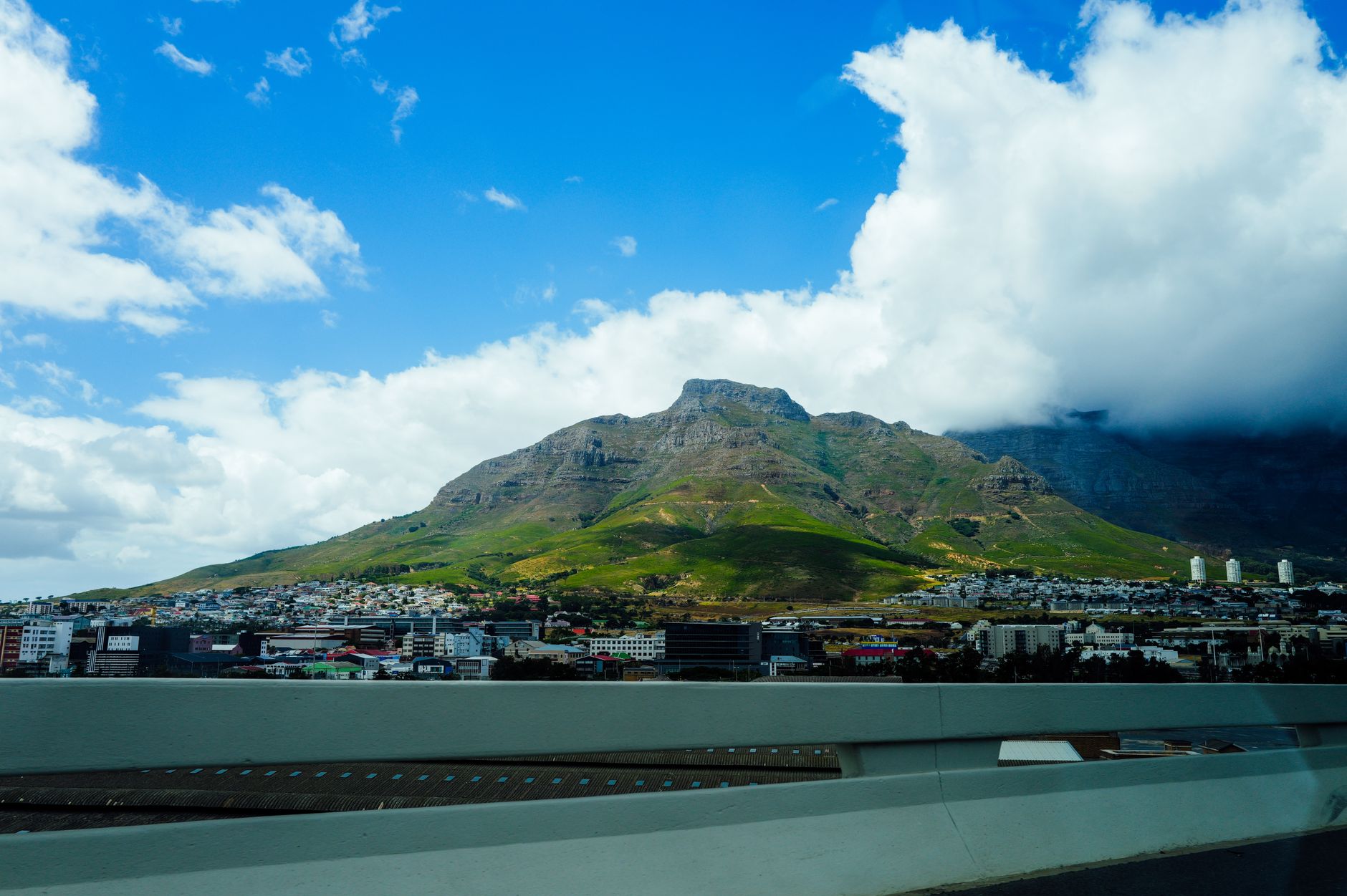
Photo by Francesco Ungaro on Pexels