Eco-Luxury Homes South Africa: The New High-End Trend


Why eco-luxury homes are reshaping South Africa’s high-end market and what investors must know about value, regulations and returns.
Introduction
"Can luxury and sustainability coexist without compromise?" This question is driving a new wave of high-end developments across South Africa. Eco-luxury homes—properties that combine premium finishes with genuinely sustainable design—are changing buyer expectations in Cape Town, the Western Cape, Gauteng and beyond. For investors and owners, understanding this trend matters: it affects pricing, rental demand, running costs and the long-term resilience of property portfolios.
What defines an eco-luxury home in South Africa?
Eco-luxury homes go beyond a solar panel or a rain tank. They integrate high-end architecture with measurable sustainability: passive design (orientation, insulation and thermal mass), photovoltaic (PV) systems with battery storage, high-performance glazing, water-harvesting and greywater recycling, energy-efficient appliances, native landscaping that reduces irrigation, and non-toxic, durable finishes.
In South African practice this also often includes smart home management, EV charging infrastructure, green roofs or living walls in urban developments, and certification or verification (where available) from recognised frameworks or bespoke performance metrics used by developers.
Why demand is rising among buyers and investors
Several structural factors are pushing eco-luxury into mainstream high-end property:
- Cost-of-ownership pressures: Rising municipal electricity tariffs and load-shedding make energy-independent homes more attractive and predictable for owners and tenants.
- Buyer values and branding: HNWIs, expatriates and younger wealthy buyers increasingly prioritise health, wellness and environmental responsibility when choosing homes in Constantia, Camps Bay, Sea Point or Sandton.
- Resilience and asset protection: Water-wise landscaping and backup power improve a property’s utility during infrastructure interruptions and add to perceived long-term value.
- Operational savings: Efficient homes can command premium rents and lower operating costs, improving net yields for landlords.
Market evidence: prices, premiums and neighbourhood hotspots
Eco-luxury has clear footholds in South Africa’s premium nodes. In Cape Town precincts like Camps Bay and Clifton, bespoke eco-villas often start at R 15,000,000 (~USD 790,000) and can exceed R 50,000,000 (~USD 2.6M) depending on plot and finish. In Gauteng, Sandton and Hyde Park see sustainable luxury apartments and homes ranging R 2,500,000–R 12,000,000 (~USD 132,000–635,000) with green specification pushing prices above comparable standard stock.
Developers and brokers report a pricing premium for certified or demonstrably efficient properties. Typical premiums quoted in market commentary and by agents range from 5–15% (varies by location and specification), driven by buyer willingness to pay for lower operating costs, comfort and cachet.
Investment implications: yields, running costs and capital growth
For investors, eco-luxury homes deliver both defensive and offensive playbooks:
- Defensive: Lower vacancy risk. Tenants seeking high-quality accommodation with security and comfort—often professionals, executives or international tenants—prefer installations that mitigate load-shedding and reduce monthly outgoings.
- Offensive: Potential for higher rental and sales premiums. Net yields can improve when operational savings are greater than incremental capex.
- Capital preservation: Sustainable homes are better positioned against regulatory tightening (e.g., future minimum energy performance standards) and market preference shifts.
However, investors should model realistic payback periods for green technologies (solar + battery, water systems). In many South African metros, solar payback can be 4–8 years depending on consumption, system size and grid tariffs, while battery economics depend on tariff structures and the investor’s tolerance for resilience rather than pure arbitrage.
Finance, regulation and transactional notes specific to South Africa
Key local considerations for buyers and investors:
- Bond finance: Banks (FNB, Absa, Nedbank) increasingly consider energy-efficiency measures positively when assessing bond applications and ongoing affordability. Early engagement with your bond originator (ooba, BetterBond) helps price green upgrades into loan structures.
- Transfer duty & costs: Standard conveyancing, transfer duty and bond registration costs still apply. Buyers should budget for conveyancer fees, registration costs, FICA checks and potential POPIA considerations when sharing documents electronically.
- Sectional title nuances: Many eco-luxury apartments are sectional title; levies may reflect the cost of shared green infrastructure (battery rooms, water recycling). Review the Homeowners’ Association rules and reserve funds closely.
- Incentives and compliance: National and municipal incentives vary. There are limited universal tax credits for residential solar; always confirm current SARS guidance and local municipality incentives.
Design and construction risks — how to avoid greenwashing
Not every "eco" claim delivers performance. Common pitfalls include undersized PV arrays, no battery storage despite claims of resilience, non-durable materials, or landscaping that still requires high irrigation. Due diligence should include:
- Performance data: Ask for design outputs (kWh/year saved, expected backup hours, water yield estimates) not just equipment lists.
- Independent verification: Where possible, seek third-party energy assessments, detailed M&E schedules and references from contractors.
- Maintenance provisions: High-tech systems require proper handover and maintenance contracts—confirm warranties and service pathways.
Where eco-luxury is most viable in South Africa
Markets combining high buyer incomes, tourist demand and infrastructure pressures make eco-luxury attractive:
- Cape Town & Atlantic Seaboard (Clifton, Camps Bay, Constantia) — premium resale market and international buyers.
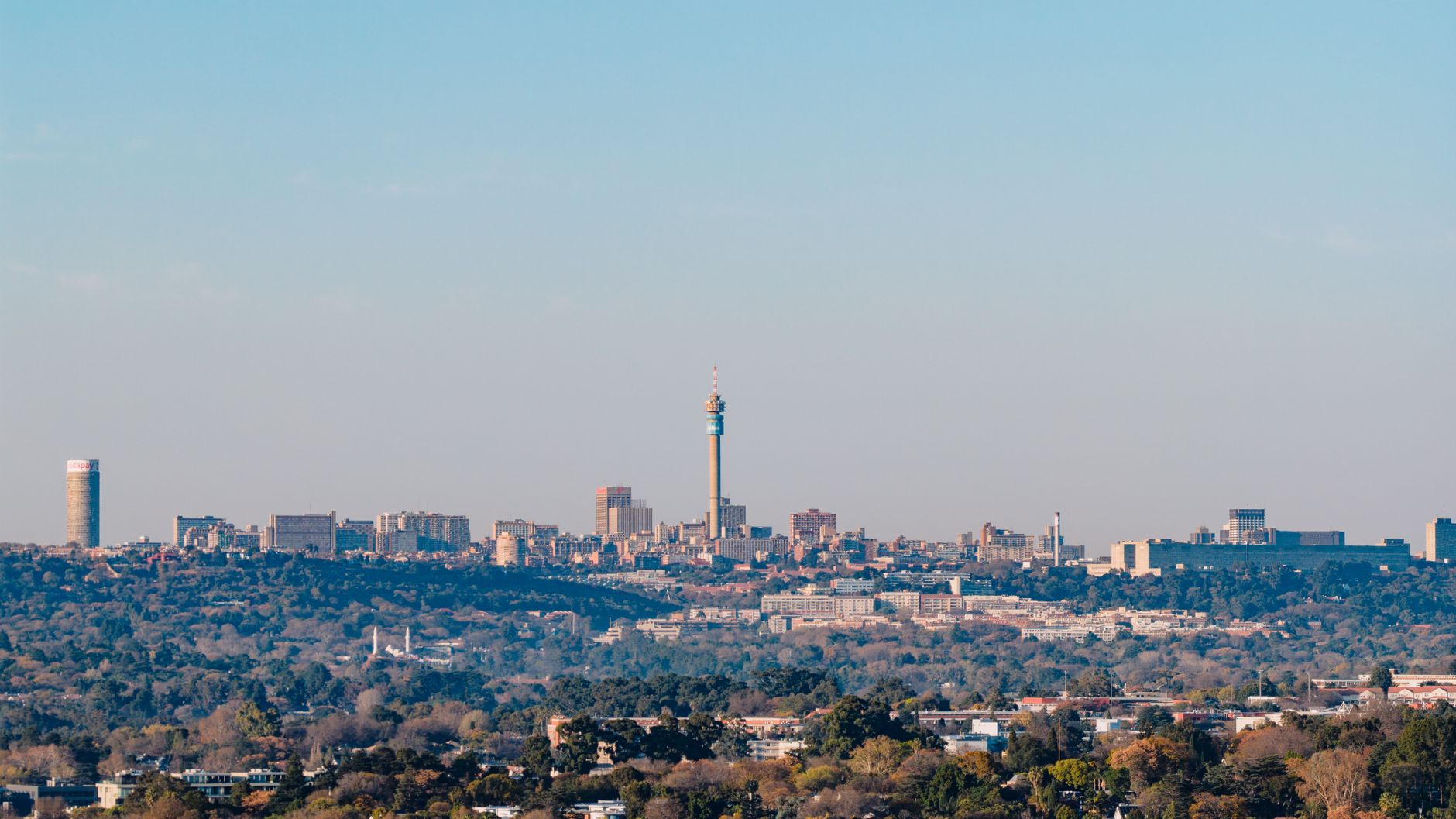
- Johannesburg nodes (Sandton, Hyde Park, Melrose Arch) — corporate, expatriate and high-net-worth rental demand.
- Smaller coastal and mountain enclaves — boutique estates in Hermanus, Plettenberg Bay and Franschhoek where privacy, health and environment are priorities.
Actionable Tips & Key Strategies
- Demand verified performance: Insist on energy and water performance projections and relevant warranties before purchase.
- Factor total cost of ownership: Model savings from reduced tariffs and improved rental yields against initial green capex.
- Use specialist auditors: Employ sustainable building specialists for pre-purchase inspections, especially on off-grid claims.
- Check levy agreements: For sectional title, confirm who is responsible for maintaining shared green systems and their replacement funds.
- Leverage marketing: For sellers and landlords, highlight measured savings and resilience (hours of backup power, average monthly electricity saved) in listings.
Role of KILICASA
KILICASA simplifies the search and transaction process for eco-luxury buyers and investors. Our portal allows advanced filtering for sustainable features, stores documentation securely (FICA, warranties, energy reports) and connects buyers with vetted conveyancers, bond originators and property managers who understand green specifications. For landlords, KILICASA’s tools streamline admin—matching tenants who value low-carbon living and tracking maintenance schedules for complex systems—helping to protect asset performance and returns.
Conclusion
Eco-luxury is no longer a niche in South Africa’s high-end property market; it is a growth category shaping buyer expectations, rental demand and asset resilience. For investors, the opportunity lies in well-specified properties that deliver measurable savings, comfort and strong marketability—provided due diligence avoids greenwashing and the economics are carefully modelled. Whether you’re buying in Constantia, launching a boutique green estate or repositioning a Sandton apartment for premium tenants, sustainability increasingly equals value. KILICASA can help you find, evaluate and manage these premium assets.
KILICASA, because everyone deserves a place.
Frequently Asked Questions
Do eco-luxury homes get better capital appreciation?
They often enjoy lower vacancy and a pricing premium where buyers value resilience and lower running costs. Appreciation depends on location, quality of the green specification and local market conditions.
How should investors verify green claims on a property?
Request performance data, warranties, contractor references and independent audits. Confirm maintenance responsibilities and check levy or HOA provisions for shared systems.