Factors That Lower Property Value in South Africa

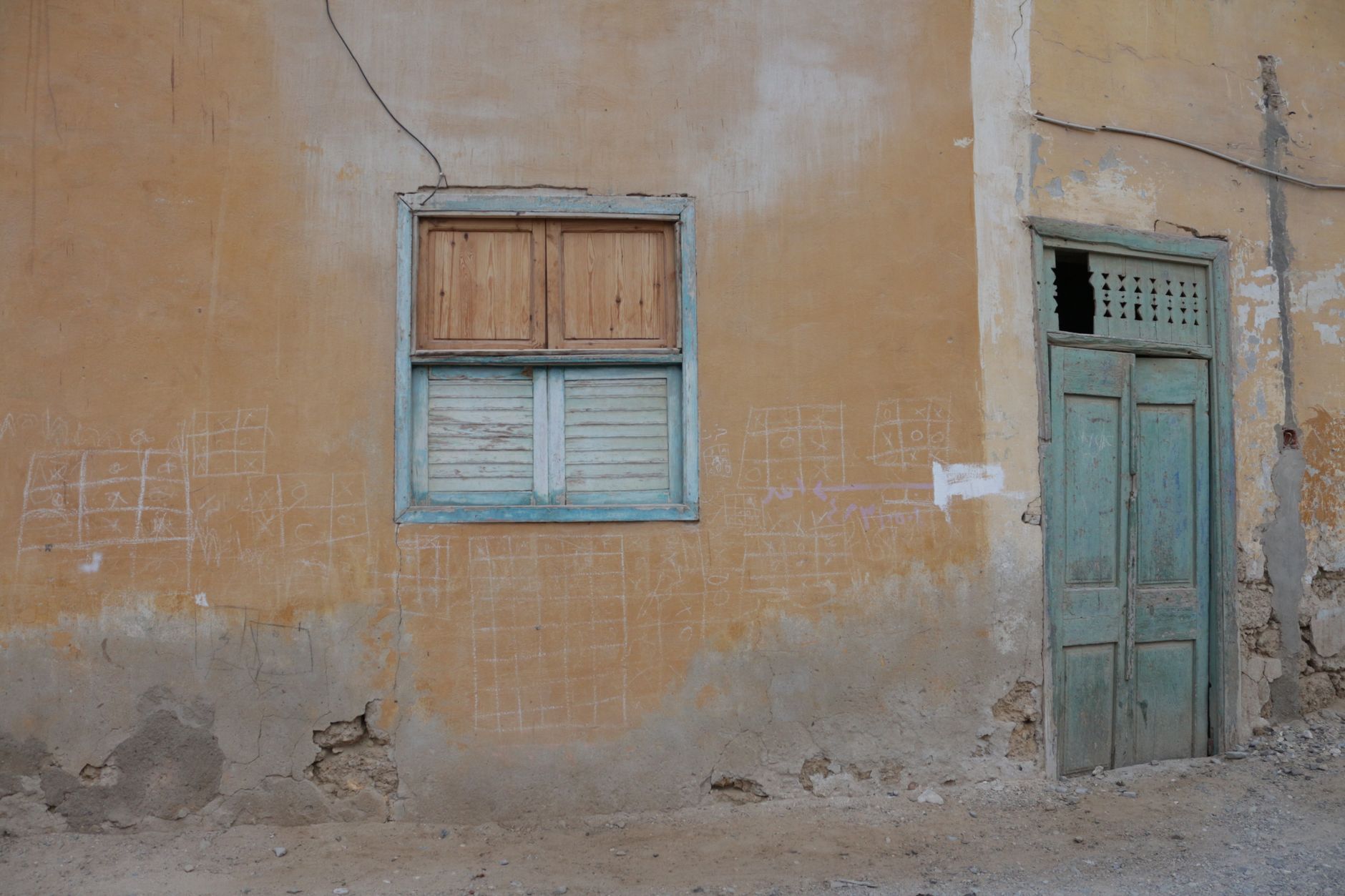
"Would you buy a home next to a noisy landfill?" Understanding what lowers property value in South Africa helps buyers and investors avoid costly mistakes.
Introduction
Property devaluation can be sudden or gradual. For buyers and investors in South Africa, recognising the common risks and red flags — and knowing how to mitigate them — preserves capital, improves returns, and prevents unpleasant surprises at transfer.
1. Location and Neighbourhood Risks
Location remains the single biggest determinant of value. In South Africa, proximity to desirable nodes such as Clifton, Sea Point or Sandton commands premiums; conversely, properties near high-crime zones, industrial nodes, landfill sites or heavy traffic corridors often suffer discounts.
- Crime and safety: High crime rates lower demand and rental yields. Areas with frequent theft, hijackings or visible gang activity see slower price growth.
- Environmental nuisances: Noise (airports, major roads), odours (waste dumps), and air pollution reduce buyer appeal and long-term capital appreciation.
- Infrastructure risk: Poor municipal services, unreliable water supply or long-term load-shedding exposure can depress values and rental demand.
2. Legal and Title Defects
Title and legal problems are immediate devaluation drivers because they delay or block transfers and increase transaction costs.
Common legal red flags
- Unregistered servitudes or unclear access rights (especially for rural or sectional title properties).
- Disputed ownership, missing title deeds, or properties in deceased estates with unresolved intestacy.
- Illegal structures or alterations that contravene municipal approvals and require costly rectification.
Always instruct an experienced conveyancer to check the title deed, municipal endorsements and whether a rates clearance certificate can be issued without heavy conditions.
3. Municipal and Rates Issues
Outstanding municipal debt or sudden municipal valuation hikes are major devaluation triggers.
- Rates and taxes in arrears: Lenders and buyers will factor in the cost of clearing arrears and the risk of municipal action.
- Valuation roll increases: A revaluation can spike running costs (rates and refuse), reducing net returns for landlords and lowering buyer demand.
- Poor municipal service delivery: Frequent water outages, sewer problems or uncollected refuse undermine habitability and resaleability.
4. Structural and Building Problems
Hidden defects are expensive. Roof leaks, rising damp, termite infestation, poor foundations or non-compliant electrical systems drastically reduce saleability and market value.
Buyers should order a full structural and electrical inspection. Repairs can run from R50,000 to well over R500,000 depending on severity (e.g., R 300,000 (~USD 15,700) for roof/carpentry and R 120,000 (~USD 6,300) for major damp remediation are not uncommon).
5. Sectional Title and HOA/Body Corporate Issues
For sectional title flats and townhouses, levies and body corporate governance matter.
- High monthly levies or special levies reduce net returns and increase buyer resistance.
- Poorly maintained common property, unresolved legal disputes or inadequate sinking funds are red flags.
- Check AGM minutes, financial statements and the conduct of trustees before committing.
6. Economic and Market Factors
Macro conditions can cause broad property devaluation. Interest rate hikes push bond costs up and suppress demand; currency depreciation affects foreign buyers and construction costs.
South Africa's exposure to global commodity cycles, domestic fiscal stress and periodic currency volatility can reduce investor appetite and compress prices in vulnerable segments.
7. Planning, Zoning and Future Development
Negative future zoning decisions or nearby developments can undermine values. Examples include rezoning that allows industrial activity near residential nodes, high-density developments that block views, or plans for major road expansions.
Check municipal spatial development frameworks and proposed developments. A beachfront property with a planned multi-storey complex next door will lose premium value.
8. Market Perception & Liquidity
Perception shapes demand. Areas labelled as "declining" attract fewer buyers and lower offers, creating a liquidity discount. Properties with poor marketing, limited agent exposure or unrealistic pricing stay on market longer and eventually sell for less.
9. External and Systemic Risks
Large-scale risks such as persistent load-shedding, political instability, sudden regulatory changes (tax or rental law reforms), and climate risks (flooding, coastal erosion) can lead to property devaluation across regions.
Investors must factor in these systemic risks when assessing long-term cash flows and exit options.
Mitigation: Due Diligence and Proactive Management
Most devaluation risks are manageable with systematic due diligence and active asset management.
Due diligence checklist
- Title and legal search: instruct a conveyancer to check for servitudes, endorsements and compliance.
- Structural and services inspection: independent building and electrical inspections; pest reports.
- Financial checks: obtain municipal statements, levy accounts, and body corporate financials.
- Market comparables: use local sales data (Lightstone, FNB reports) and on-the-ground agent insight to benchmark value.
- Risk assessment: evaluate exposure to load-shedding, crime statistics and municipal service delivery records.
When to Walk Away
Walk away if:
- There are unresolved title disputes or illegal occupation.
- Repair costs exceed reasonable upside or exceed insurance limits.
- Projected net yield cannot cover bond repayments plus contingency for rates and levies.
Actionable Tips and Key Strategies
- Get pre-approved: a bond pre-approval clarifies true buying power and avoids emotional overspend.
- Insist on a rates clearance from conveyancer: ensures no hidden municipal debt.
- Review the body corporate AGM minutes for at least three years before buying sectional title.
- Budget for a contingency (5–10% of purchase price) to cover immediate repairs or compliance costs.
- Consider professional property management to protect rental income and maintain value over time.
Role of KILICASA
KILICASA simplifies the administrative burden that often causes overlooked risks. Our portal helps buyers and investors match accurately, access verified listings, and connect with vetted conveyancers, inspectors and property managers. By streamlining documentation and improving search filters for levies, servitudes and municipal data, KILICASA helps you spot red flags early and close deals faster and more safely. Visit KILICASA for smarter property decisions: kilicasa.co.za.
Conclusion
Property devaluation in South Africa arises from a mix of locational, legal, structural and macroeconomic factors. The good news: most risks are visible and manageable with disciplined due diligence — title searches, professional inspections, and careful review of municipal and body corporate records. For investors, the goal is to buy quality, manage proactively, and price risk into offers. Protecting capital requires both local market knowledge and reliable partners.
KILICASA, because everyone deserves a place.
Frequently Asked Questions
What are the quickest indicators a property may be devaluing?
Look for rising crime, frequent municipal outages, high or special levies, unresolved body corporate disputes, and visible neglect or structural issues — each signals potential devaluation.
How much should I budget for unexpected repairs after purchase?
Plan for a contingency of 5–10% of the purchase price for immediate repairs, compliance and upgrades. For older properties or buildings with known defects, increase that buffer.
Can load‑shedding really affect property values in South Africa?
Yes. Persistent power interruptions reduce rental demand, harm businesses and can lower resale values in areas with poor alternative power infrastructure.
How does KILICASA help reduce these risks?
KILICASA connects you with verified listings, trusted professionals (conveyancers, inspectors, property managers) and administrative tools that highlight levies, servitudes and municipal data, making due diligence faster and more reliable.