
Foreign Buyer South Africa: 2026 Offshore Investing Guide

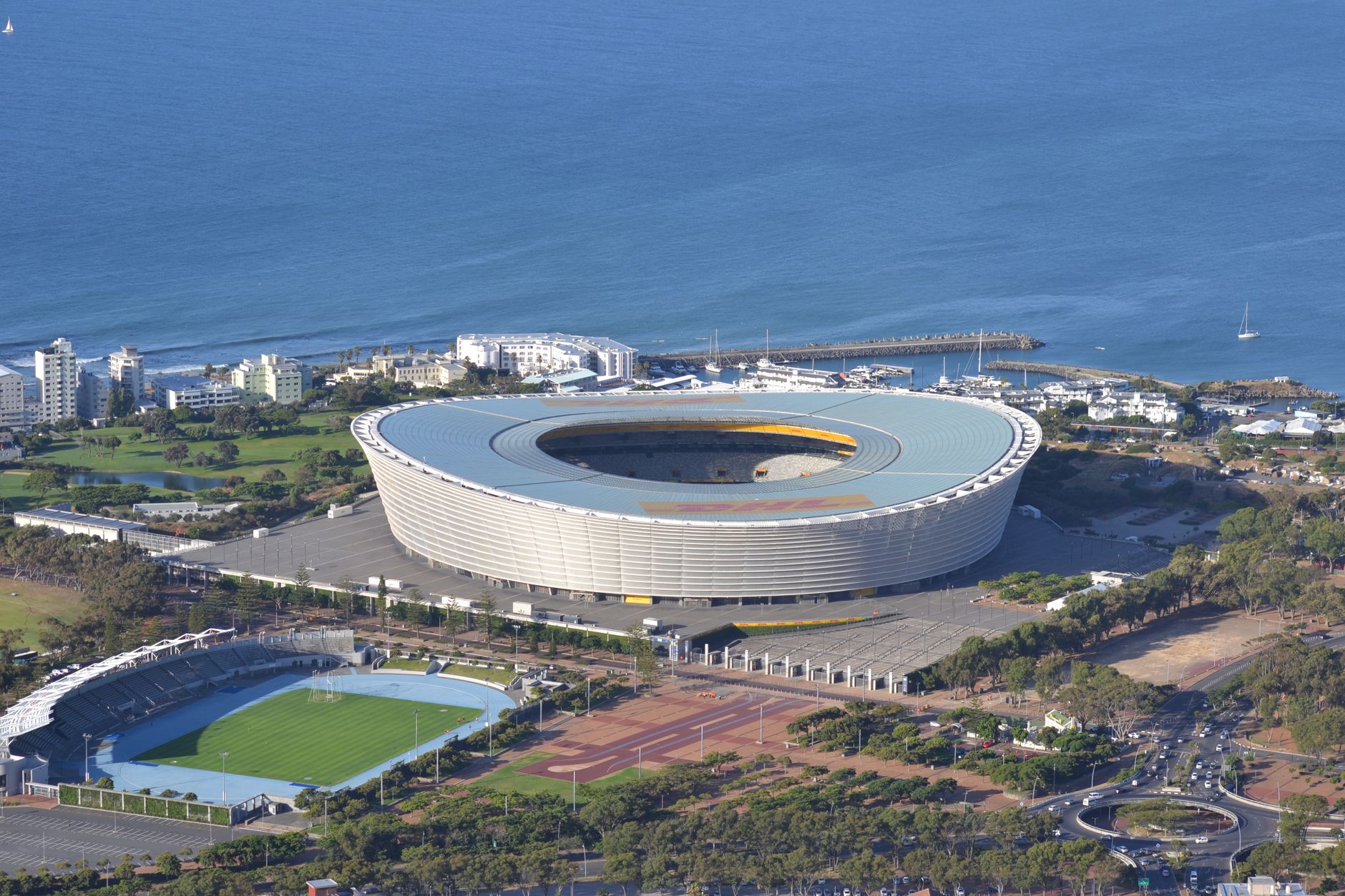
"Can I buy property in South Africa from abroad?" My name is Nathan Fumal, I am the CEO of KILICASA, and in this article I cover how foreign buyers can invest in SA property in 2026.
Introduction
"Can I buy property in South Africa from abroad?" It’s the single most common question international investors ask when considering the South African market. My name is Nathan Fumal, I am the CEO of KILICASA, and in this article I cover the full 2026 guide for foreign buyer South Africa: legal checks, finance options, FICA requirements for expats, SARB exchange control, taxes, and practical steps to buy and manage property remotely. Knowing the local rules and common pitfalls will save you time, money and reduce risk when investing offshore in SA property.
Why invest in South African property from abroad?
South Africa remains one of the most attractive emerging-market property destinations in Africa for several reasons: diversified opportunities across residential, holiday and student housing markets; comparative price points versus other global gateway cities; established legal protections for property ownership; and strong tourism hubs such as Cape Town and the Garden Route that support rental demand.
Key advantages for foreign investors:
- Price point and potential value upside — attractive entry prices compared with many global cities (for example, a well-located 1-bed apartment in Cape Town may be R 1,200,000 (~USD 63,000) to R 2,000,000 (~USD 105,000)).
- High-end luxury inventory in suburbs like Constantia, Clifton and Sandton can deliver capital growth and rental premium, useful for wealthy offshore buyers.
- Robust legal framework — freehold and sectional title ownership are well established and transferable by registered conveyancers.
- Opportunities across yield types — long-term rentals in suburbs near business districts (Sandton, Rosebank) and short-term holiday rentals in coastal nodes (Camps Bay, Plettenberg Bay).
Can foreigners legally buy property in South Africa?
Yes. South African law permits foreign natural persons and foreign companies to buy immovable property. There are no blanket prohibitions preventing non-residents from owning residential or commercial property. However, several practical and regulatory considerations apply:
Types of ownership
Freehold (full title) and sectional title (apartments/complex units) are common. Foreign buyers should understand sectional title levies, management rules, and sectional-title governance (body corporate rules) because these affect running costs and rental potential.
Permits and visas
Owning property does not automatically give residency rights. If you require residency for tax or banking purposes, you must follow immigration law (work permits, critical skills visas, or residency permits). Many non-resident buyers purchase without changing immigration status; they simply manage properties remotely or appoint local agents.
Step-by-step: How to buy property in South Africa from abroad
Buying from offshore requires careful planning and the right local partners. Below is a practical roadmap tailored for foreign buyers in 2026.
1. Market research and property selection
Start with data-driven research. Use local reports (FNB Property Report, Lightstone) and portals like KILICASA to identify neighbourhood trends, price per sqm, rental yields and vacancy rates. Consider the property type: turnkey holiday flats offer short-term rental income but can have seasonal vacancies; inner-city apartments may yield stable long-term rentals but can be affected by safety and service delivery.
2. Appoint trusted local advisors
Key partners you should appoint early:
- Estate agent experienced with foreign buyers and the local micro-market.
- Registered conveyancer to handle transfer, title searches and transfer duty calculations.
- Tax advisor with cross-border experience (SARS, non-resident tax, CGT implications).
- Authorised dealer (bank) for foreign exchange when bringing funds into SA, and a local attorney for FICA facilitation.
- Property manager for lettings and day-to-day upkeep.
3. Offer to Purchase (OTP) and deposit
Once you’ve found a property you like, your agent will prepare an Offer to Purchase (OTP). International buyers frequently use electronic signatures, but banks and conveyancers may require certified and apostilled documents for certain actions. A deposit (often 5–10%) is payable into the seller’s trust account or an agency trust account. Ensure funds are transferred via an authorised dealer bank to create a clear audit trail.
4. FICA requirements for expats and non-residents
South Africa’s Financial Intelligence Centre Act (FICA) requires verification of identity and address for property transactions. For foreign buyers this typically includes:
- Certified passport copy (and translation if not English).
- Proof of address (international utility bill or bank statement).
- Source-of-funds documentation (bank statements, sale of asset confirmation) — important for anti-money-laundering checks.
Conveyancers and banks will process FICA checks before transfer or bond registration.
5. Financing the purchase
You can buy with:
- Cash transferred from abroad — simplest but requires exchange control compliance if you are a South African resident.
- Local bank bond — some South African banks provide non-resident mortgage facilities but require larger deposits, higher interest rates and extensive documentation. Typical LTV for non-residents ranges lower (e.g., 50–70%).
- Offshore financing — loans from foreign banks can be used but must comply with SARB rules when converting to rand.
6. Transfer, transfer duty and registration
Conveyancer lodges transfer documents with the Deeds Office after transfer duty and transfer costs are settled. Transfer duty applies to certain transactions (check current thresholds on SARS). Expect additional costs: conveyancer fees, Deeds Office fees, bond registration costs and transfer duty where applicable. Once the Deeds Office registers the transfer, you officially own the property.
Financing: How non-resident mortgages and SARB exchange control affect you
Understanding the role of South African Reserve Bank (SARB) exchange control is essential when moving money into or out of South Africa.
SARB exchange control — quick overview
SARB primarily regulates residents’ ability to move capital offshore. Non-residents bringing foreign funds into SA to buy property generally face fewer exchange restrictions on inward transfers; however, any repatriation of sale proceeds, rental income, or profit may require a tax clearance certificate from SARS and participation of an authorised dealer (bank) to transfer funds offshore.
If you are a South African tax resident planning to invest offshore, you must observe your annual foreign investment allowance and obtain tax clearance for larger transfers. Always notify your authorised dealer bank early.
Non-resident mortgage options
Major banks sometimes offer bonds to foreign purchasers, but terms are conservative. Requirements often include:
- Higher deposit (often 30–50%+).
- Proof of stable income, certified documents and international credit checks.
- Local bank account and tax number in some cases.
Alternative funding options include buying in cash, using offshore lenders or structuring purchases through an entity — each has tax and legal implications, so consult a cross-border tax specialist.
Taxation and compliance for foreign property investors
Taxes and compliance are often the greatest source of surprise for offshore investors. Key areas to understand:
Income tax on rental income
Rental income from South African property is South African-sourced and thus taxable in South Africa. Non-resident landlords must register with SARS, submit tax returns, and may be subject to provisional tax. Allowable deductions include mortgage interest, rates, levies, repairs and agent fees. Hiring a local tax agent is usually indispensable.
Capital Gains Tax (CGT)
When you sell, capital gains are taxable in South Africa for property located here regardless of the seller’s residency. Keep records of the base cost, improvements, and allowable expenses to accurately compute CGT. Non-resident sellers may be subject to withholding or security requirements at transfer to ensure CGT compliance — your conveyancer will advise on current SARS rules.
Withholding and proceeds repatriation
Prior to repatriating sale proceeds, SARS typically requires a tax clearance or compliance confirmation. Your conveyancer and bank will usually coordinate to ensure that sale proceeds can be transferred offshore after taxes and obligations are settled. The exact process and any withholding security depends on current SARS directives — always confirm with your conveyancer and tax adviser before signing an OTP.
VAT and new developments
VAT may apply on the sale of newly developed property by developers (15% VAT as of recent years) — for buyers this affects pricing and potential input VAT recovery if the buyer is a VAT-registered commercial property investor.
Managing property remotely and maximising returns
Buying from abroad means you must properly manage the asset. Key management areas:
- Hire a professional property manager or let-up agent — they manage tenants, lease enforcement, inspections, repairs and monthly collections.
- Understand levies and homeowner association rules for sectional title units — levies can significantly affect net yield.
- Insure comprehensively — building and landlord insurance, plus cover for loss of rental income and liability.
- Comply with POPIA when handling tenant personal data — appoint a data protection officer or include POPIA-compliant clauses in tenancy agreements.
Risks and how to mitigate them
Every offshore investment carries specific risks. Common South African market risks include currency volatility, municipal service interruption, tenant defaults, and regulatory change.
- Currency risk — consider using currency hedging instruments or keeping rental contracts linked to a stable currency where possible.
- Political and service delivery risk — invest in areas with reliable municipal services and good governance. Avoid areas with chronic rate payments backlogs unless compensated by price.
- Market risk — diversify by property type or region. High-end coastal holiday homes can be cyclical; inner-city rentals may offer steadier yields.
- Legal/compliance risk — use experienced conveyancers, comply with FICA and tax obligations to avoid fines or transfer delays.
Practical checklist before you commit
Before signing an OTP consider this checklist:
- Confirm status of seller’s title deed and ensure no hidden servitudes or bonds.
- Request a rates and taxes clearance figure from the municipality.
- Obtain a levy statement for sectional title properties and review the body corporate minutes.
- Verify municipal accounts and whether water/electricity are prepaid.
- Secure clear proof of funds and engage an authorised dealer for forex transfers.
- Agree who pays transfer duty and who bears the cost of any repairs requested post-inspection.
Actionable tips and key strategies
- Start with a local reconnaissance trip if possible — a 3–5 day visit can save mistakes later.
- Use a trust or local company for ownership only after seeking legal and tax advice — structures can help with estate planning and ease repatriation in some cases.
- Negotiate an extended grace period for bond approval if relying on bank finance to avoid losing your deposit.
- Insist on a professional inspection (homebuyer’s report), especially in coastal areas where hidden damp and corrosion are common.
- Stagger property purchases across different regions (e.g., Cape Town, Durban, Gauteng) to diversify localised risk.
- Budget 10–15% of purchase price for transaction costs, initial repairs and contingency when moving in.
- Use local online portals and tools (including KILICASA) to compare market listings, historical prices and agent performance before committing.
Role of KILICASA
KILICASA simplifies cross-border property processes by connecting foreign buyers with vetted agents, qualified conveyancers and property managers. Our portal reduces administrative friction — from efficient FICA document handling to transparent listings and market data that help you compare prices, levies and expected yields. We also support landlords with tenant-matching tools and digital administration to help you manage assets remotely. Learn more about how we can help at KILICASA.
Conclusion
Investing in South African property from abroad in 2026 is both achievable and attractive, provided you understand the legal framework, tax implications, SARB exchange control nuances and the practicalities of managing assets remotely. The most successful foreign buyers combine rigorous research, trusted local advisors, clear compliance with FICA and SARS, and a conservative financing plan. Whether you’re targeting a holiday rental in Cape Town, a long-term income property near Sandton, or a diversified portfolio across regions, good local partners — including an agent, conveyancer, tax adviser and property manager — are non-negotiable.
Start with due diligence, build a checklist, and protect yourself with contracts, inspections and accurate cost estimates. And remember: buy where you understand the market dynamics and can access reliable local support. KILICASA, because everyone deserves a place.
Frequently Asked Questions
Can foreign nationals get a mortgage in South Africa?
Yes, some South African banks offer non-resident mortgages but terms are typically stricter: higher deposits (often 30–50%+), greater documentation, and sometimes higher interest rates. Many foreign buyers choose to buy in cash or use offshore financing. Always confirm current bank policies and prepare certified documents and proof of income.
What FICA documents will I need as an expat?
Typical FICA documents include a certified copy of your passport, proof of foreign residential address (bank statement, utility bill), and source-of-funds evidence (sale of asset, bank statements). Your conveyancer and authorised dealer bank will advise on any additional notarisation or apostille requirements.
How do SARB exchange control rules affect repatriation of sale proceeds?
Non-residents can repatriate sale proceeds but must usually obtain tax clearance from SARS and work with an authorised dealer bank. Residents must follow SARB allowances and clearance procedures when moving funds offshore. Always coordinate with your conveyancer, tax adviser and bank well before sale or transfer.
Do I pay tax in South Africa on rental income?
Yes. Rental income from SA property is taxable in South Africa. Non-resident landlords must register with SARS, submit returns and may deduct allowable expenses such as levies, interest and agent fees. Consult a South African tax specialist to optimise deductions and compliance.
Discover KILICASA, your real estate partner in South Africa
Photo by Tiki Black on Pexels