Furnished vs Unfurnished Rentals South Africa: Which Pays?

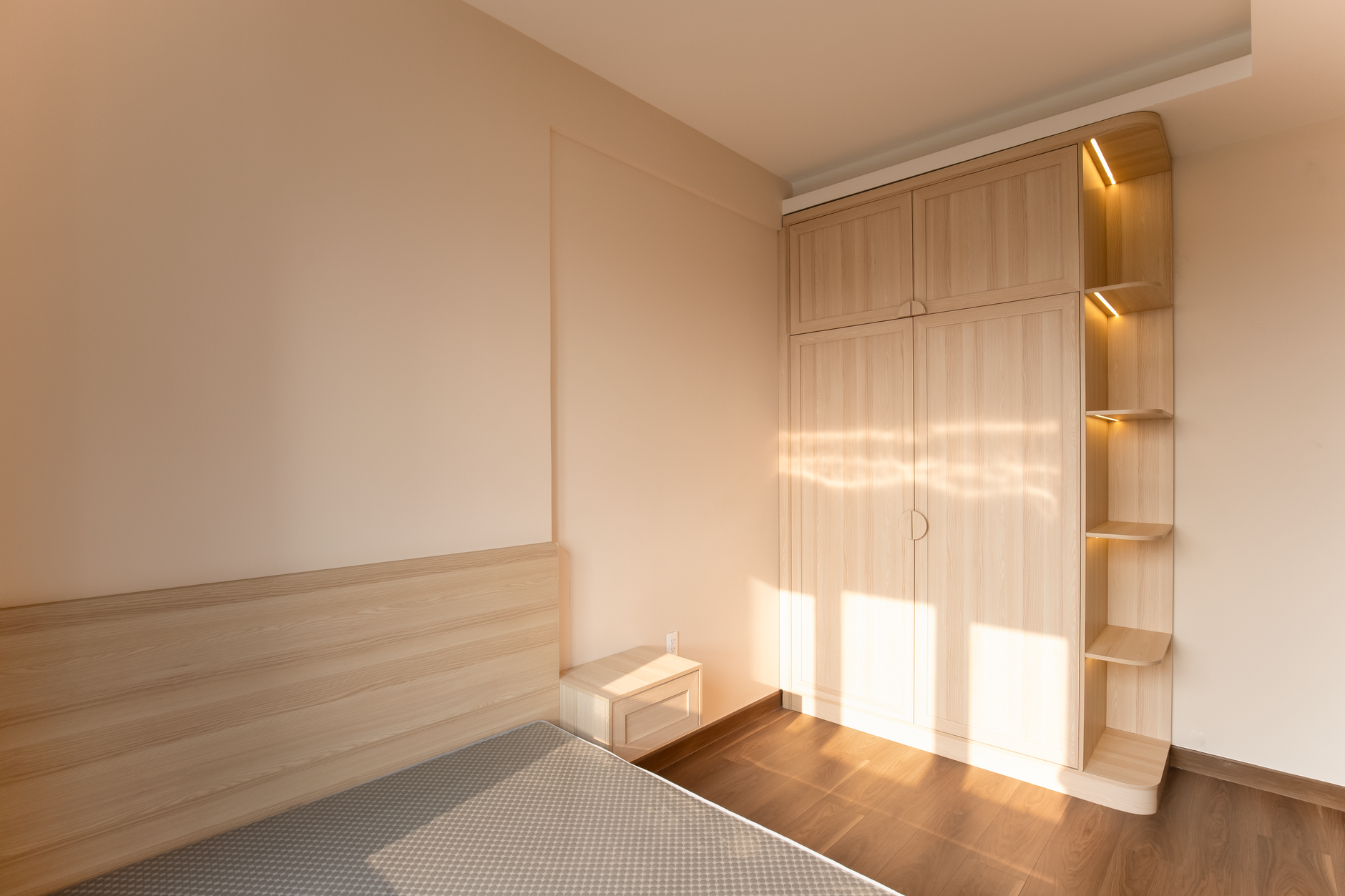
"Is furnishing a rental worth it?" My name is Nathan Fumal, I am the CEO of KILICASA, and in this article I cover furnished vs unfurnished rentals in South Africa and what makes financial sense.
Why this decision matters in the South African market
Deciding whether to offer a property furnished or unfurnished is one of the most consequential choices an investor or landlord makes. It affects achievable rent, vacancy rates, tenant profile, tax treatment and ongoing operating costs. In South Africa, local market dynamics — from student towns (Stellenbosch, Grahamstown) and tourism hotspots (Cape Town, Durban) to corporate hubs (Sandton, Rosebank) — shape demand for furnished units differently than in other countries.
Demand patterns: who wants furnished rentals in SA?
Furnished rentals appeal primarily to three tenant groups in South Africa:
- Short-term and holiday visitors — families, tourists and business travellers in Cape Town, Camps Bay or the Garden Route.
- Corporate and relocation tenants — expats or transferred employees who need a ready-to-move solution in Sandton or Melrose Arch.
- Students and young professionals — in university towns and inner-city apartment clusters where flexibility is valued.
Unfurnished units typically attract longer-term family tenants and buy-to-let investors seeking stability and lower turnover. Tenant demand also varies by suburb: premium suburbia (Constantia, Hyde Park) leans towards larger unfurnished houses, while inner-city and holiday districts see stronger demand for furnished options.
Revenue and yield: direct financial comparison
Common investor questions focus on rental yield and net return. Furnished rentals can command a premium — often 5%–30% more gross rent depending on location and tenant type. Examples:
- 1-bed apartment in Sea Point: unfurnished R9,000 (~USD 470) vs furnished R11,000 (~USD 575).
- 2-bed near a university: unfurnished R7,500 (~USD 392) vs furnished R9,000 (~USD 470).
However, higher gross rent does not automatically mean better net ROI. Furnished units bring added costs:
- Initial furnishing cost (furniture, appliances, bedding, cookware).
- Higher replacement and maintenance costs due to wear & tear, breakages and theft.
- More frequent turnover and cleaning expenses for short-term lets.
- Insurance premiums and inventory management time or management fees.
Calculate net yield by factoring in these expenses and realistic occupancy. A furnished property with higher rent but 20% greater operating costs and slightly higher vacancy can deliver similar or lower net returns than an unfurnished property with lower operating expense.
Tax & accounting: depreciation, VAT and short-term rentals
Depreciation of furniture is a valuable advantage for furnished landlords. Movable assets used to generate rental income can usually be capitalised and written off over their effective life under SARS depreciation rules — reducing taxable rental income. Exact allowances depend on asset type and tax classification; consult a tax practitioner or a registered tax advisor for precise schedules.
Other points to note:
- Short-term rental businesses may cross the VAT registration threshold (R1 million turnover) and then must account for VAT.
- Insurance: specify contents cover versus building cover; insured sums should reflect replacement cost of furniture.
- POPIA and FICA: tenant screening and record-keeping remain compulsory for landlords and agents in South Africa.
Operational considerations: management, cleaning and tenant behaviour
Furnished rentals require tighter operational controls: inventories, condition reports at check-in/out, scheduled maintenance, and stronger deposit or guarantee management to cover damage. If you plan short-term or holiday lets, consider bookings platforms, local municipal bylaws, municipal tourist levies and, in some metros, safety and zoning restrictions.
Unfurnished rentals typically mean fewer management touchpoints: tenants invest in their own furniture and often stay longer, reducing turnover costs. But unfurnished properties may attract tenants who are less likely to maintain the interior to your standards, so good lease terms and regular inspections are still essential.
When furnished makes clear financial sense
Choose furnished if one or more of the following apply:
- Your property is in a high-demand short-let market (tourism corridor, holiday suburb).
- You target corporate or relocation tenants who value convenience and will pay a premium.
- You have the systems to manage higher turnover or plan to outsource to a property manager who specialises in furnished inventory.
In these scenarios, higher rent, strong occupancy and premium daily/weekly rates can offset extra costs and deliver superior net returns.
When unfurnished is the smarter option
Choose unfurnished if:
- You seek stable, long-term tenants and lower management intensity.
- Your suburb attracts families or long-stay residents who prefer to supply their own furniture.
- You want to avoid frequent replacement costs and complex inventories.
Example ROI comparison (simplified)
Property: 2-bed apartment purchased R1,800,000 (~USD 94,000). Typical figures over a year:
- Unfurnished: monthly rent R13,000 (~USD 680), gross annual R156,000 (~USD 8,150). Operating costs (maintenance, management, vacancy) 30% → net R109,200 (~USD 5,715).
- Furnished: monthly rent R15,000 (~USD 785), gross annual R180,000 (~USD 9,420). Add furnishing amortisation, higher maintenance and 25% higher turnover costs → operating costs 45% → net R99,000 (~USD 5,180).
Despite higher gross rent, the furnished option nets less due to operating overheads — illustrating why precise cashflow modelling is essential before deciding.
Actionable tips for landlords and investors
- Run a 3-year cashflow model comparing furnished vs unfurnished, including purchase, furnishing, expected vacancies and replacement cycles.
- Segment the market: advertise furnished units to corporates/short-stay platforms and unfurnished to long-term tenants to optimise occupancy.
- Maintain a detailed inventory and condition report; use photos, signed checklists and clear deposit clauses.
- Insure contents separately and budget a sinking fund for furniture replacement (typically 5–10% of furnished rent annually).
- Consult a tax professional about depreciation schedules and VAT implications for short-term rental revenue.
Role of KILICASA
KILICASA helps investors make this choice smarter and faster. Our portal matches properties with tenant segments, shows data-driven demand signals by suburb, and supplies templates for inventories, lease clauses and cost models that factor in depreciation and operating expenses. For landlords wanting to offer furnished units, our platform streamlines admin — from tenant onboarding (FICA/POPIA-ready) to listing optimisation — helping you test furnished vs unfurnished strategies with lower risk. Learn more at KILICASA.
Conclusion
There is no universal answer to whether furnished rentals make more financial sense in South Africa — the right choice depends on location, tenant demand, management capacity and tax treatment. Furnished units can command higher rents and appeal to short-stay or corporate tenants, but they bring higher operating costs and replacement risk. Unfurnished units often deliver steadier, lower-overhead returns. Model both options using conservative occupancy and expense assumptions, consult tax and insurance advisers, and use tools that match your property to the right tenant profile.
KILICASA, because everyone deserves a place.
Frequently Asked Questions
Do furnished rentals always earn higher ROI?
Not always. Furnished rentals often attract higher gross rent but also higher operating costs (replacement, cleaning, management). Net ROI depends on occupancy, tenant type and your ability to control expenses.
Can I claim depreciation on furniture in South Africa?
Yes, movable assets used to generate rental income can usually be depreciated against taxable rental income, but schedules and allowances vary. Always confirm allowances with a qualified tax advisor.
Discover KILICASA, your real estate partner in South Africa
Photo by Thới Nam Cao on Pexels