Going Off-Grid in South Africa 2026: Solar, Batteries & Boreholes

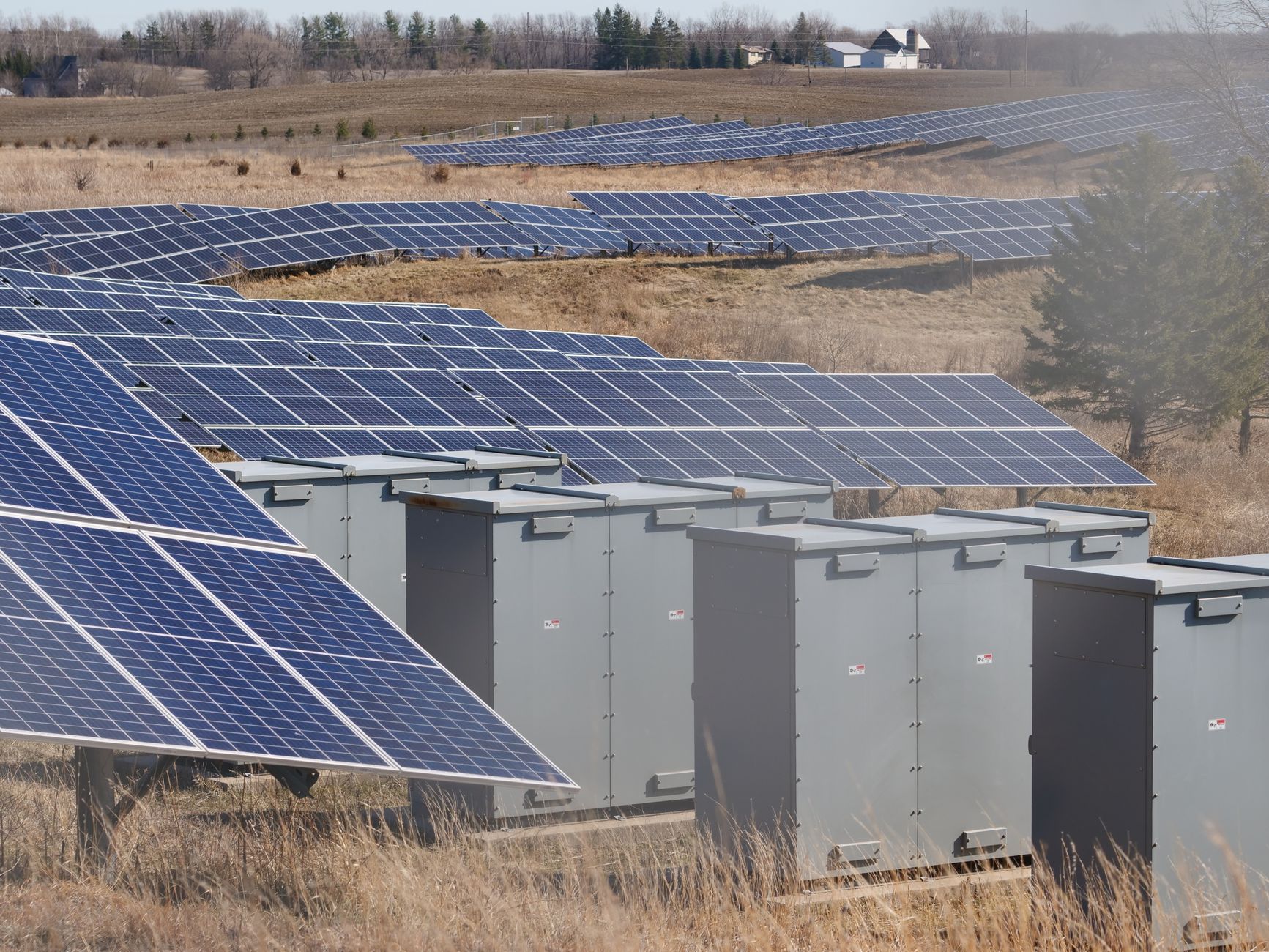
"Can you go fully off‑grid in SA?" My name is Nathan Fumal, CEO of KILICASA, and in this guide I explain solar, batteries and borehole costs for 2026.
Why going off-grid matters in South Africa in 2026
Load‑shedding remains a structural reality for homeowners, investors and estate managers across South Africa. Beyond an immediate need for backup power, many buyers now look for resilience, lower long‑term operating costs, and water independence—especially in drought‑prone regions. This guide explains realistic costs for rooftop solar, battery storage and borehole systems in 2026, how to size them, expected ROI, regulatory considerations and common pitfalls for property buyers and investors.
What “off‑grid” and “hybrid” mean for your property
Off‑grid: a property produces and stores enough electricity and (optionally) water on site to function without municipal electricity or water. Hybrid (or “islandable”) systems: remain connected to the grid for backup, export or to reduce capital expense while ensuring continuity during outages. In South Africa most practical, cost‑effective solutions in 2026 are hybrid systems sized to minimize Eskom dependence and manage load‑shedding.
Quick overview of 2026 cost drivers
Key variables that affect price: system size (kW/kWh), battery chemistry and depth of discharge, inverter quality and autarky features, installation complexity, roof orientation, municipal regulations, and local labour. Water costs are driven by borehole depth, geology, pump type and treatment needs. International commodity prices and Rand strength also affect equipment pricing.
Solar PV costs 2026: panel, inverter and installation
Estimated installed cost for a standard grid‑tied rooftop solar system (excluding batteries) in 2026:
- Small home 3 kW: R 45,000–R 60,000 (~USD 2,360–3,150)
- Medium home 6 kW: R 90,000–R 130,000 (~USD 4,720–6,825)
- Larger home 10 kW: R 150,000–R 220,000 (~USD 7,875–11,550)
These ranges include panels, inverter and standard installation. Per kW installed costs typically range between R 12,000–R 22,000 (~USD 630–1,155) depending on equipment brand and roof complexity. Premium microinverter or solar edge setups are at the top end; basic string inverter systems are cheaper.
Inverter & energy management
Inverters with hybrid capabilities and smart energy management (EMS) that handle battery charging, grid interaction and solar prioritisation typically add R 20,000–R 60,000 (~USD 1,050–3,150) depending on capacity. In off‑grid designs, a robust inverter/charger is critical to ensure islanding and safe switching during outages.
Battery storage costs: sizing, chemistry and lifecycles
Battery costs are the largest variable when moving off‑grid. In 2026 lithium‑ion remains the dominant choice for residential systems due to energy density, cycle life and lower whole‑life cost versus lead‑acid.
- Cost per usable kWh (lithium‑ion): R 12,000–R 18,000 per kWh (~USD 630–945) installed.
- Typical household battery pack (10 kWh usable): R 120,000–R 180,000 (~USD 6,300–11,250).
- Battery replacement every 8–15 years depending on depth of discharge, temperature and warranty.
Example system: a 6 kW solar array paired with 10–15 kWh usable battery capacity will keep a typical modern 3‑bedroom home running through evening load‑shedding cycles, assuming conservative use and load management.
Borehole costs: drilling, pump, storage and treatment
Many investors prioritise water security as much as power. Borehole costs vary widely because geology differs across Gauteng, the Western Cape, KZN and inland provinces.
- Drilling (per borehole): R 10,000–R 60,000 (~USD 525–3,150) — shallow to deep boreholes. Average domestic in many suburban areas: R 25,000–R 45,000 (~USD 1,310–2,360).
- Submersible pump & installation: R 8,000–R 35,000 (~USD 420–1,835) depending on depth and flow rate.
- Storage tank (2,500–5,000L): R 6,000–R 25,000 (~USD 315–1,310).
- Filtration and UV treatment: R 5,000–R 25,000 (~USD 260–1,310) depending on water quality needs.
So a fully functional domestic borehole with decent pump, 5,000L tank and basic treatment often costs R 40,000–R 125,000 (~USD 2,100–6,550). In hard rock or deep aquifer areas costs trend to the higher end. Always budget for a water quality test and the possibility of failure to hit a productive borehole — drilling twice can double costs.
Combining systems: example budgets
Practical budgets for common investor scenarios in 2026:
- Load‑shedding resilience for townhouse (partial off‑grid): 3 kW PV + 5–8 kWh battery = R 90,000–R 160,000 (~USD 4,720–8,400).
- High autonomy family home (hybrid, minimal Eskom use): 6–10 kW PV + 15–25 kWh battery + hybrid inverter = R 260,000–R 600,000 (~USD 13,650–31,515).
- Full property independence (power + water): 10 kW PV + 30 kWh battery + borehole & tank = R 450,000–R 900,000 (~USD 23,620–47,240).
Costs vary by supplier, warranty and civil work. Investors should request itemised quotes (panels, inverters, cabling, labour) and ask for bankable performance warranties.
Return on investment (ROI) and payback
ROI depends on energy use profile, Eskom tariffs, feed‑in rules and the extent of grid export. Typical simple payback for grid‑tied solar (no batteries) in South Africa has historically been 4–7 years; with batteries included payback lengthens to 6–12 years depending on battery replacement timing and electricity price inflation.
Important considerations:
- Load‑shifting value: savings during peak tariffs and avoided diesel generator use raise effective ROI.
- Tariff inflation: Eskom/municipal tariffs rising ~6–10% annually makes solar increasingly attractive.
- Property value premium: homes with installed solar and water security often sell faster and at a premium in high‑demand suburbs like Sea Point, Rosebank and Sandton.
Financing and tax considerations
Options include cash purchase, green loans, bank top‑ups on bonds, or supplier finance. Some banks and mortgage originators (ooba, BetterBond, local banks) offer green loan products or bond top‑up facilities. Transfer duty and bond processes are unchanged by adding solar or boreholes, but you should disclose major alterations to the conveyancer and to your mortgagee if bonded.
Municipal incentives are limited; check with the local municipality for any net‑metering or small‑scale embedded generation rules. There is no national feed‑in tariff in South Africa, but private net export arrangements may exist with some municipalities or private estates.
Permits, regulations and practical compliance
Electricity: grid‑connected inverters must meet SANS standards and the installer should coordinate any required municipal inspection before energising exports. In some municipalities owners must register small‑scale embedded generation.
Water: the National Water Act requires lawful use of groundwater; many municipalities require notification or registration of boreholes. You may also need a borehole log and water use licence for certain commercial abstractions—consult your local municipality and a hydrogeologist.
POPIA and contractor vetting: when hiring monitoring providers or IoT/EMS vendors, ensure data handling complies with POPIA (customer telemetry and usage data). Always use accredited installers and insist on written warranties.
Maintenance, lifecycle and resale considerations
Plan for inverter replacement at ~10–15 years and battery replacements according to warranty cycles. Keep records: purchase invoices, warranties, SANS compliance certificates and water test reports—these help resale and due diligence by buyers or conveyancers.
For sectional title properties, check levy rules and trustees’ approval. Many schemes restrict external works or require formal consent for boreholes and visible solar panels.
Common mistakes and risks to avoid
- Under‑sizing batteries: leaves you exposed during prolonged outages.
- Buying lowest‑cost panels or inverters without warranties or local support.
- Neglecting water quality and treatment—untreated borehole water may harm plumbing and reduce resale appeal.
- Failing to get municipal sign‑off or conveyancer disclosure—can create headaches at transfer.
Practical sizing example: 3‑bedroom suburban home
Assume daily consumption 20 kWh. To be largely independent during typical load‑shedding windows:
- Solar: 6 kW array (average yield ~25–30 kWh/day depending on location).
- Battery: 15 kWh usable (cover evening and night loads).
- Inverter: 5–8 kW hybrid to run steady loads like fridge, lights, Wi‑Fi and some AC load.
- Expected installed cost: R 260,000–R 420,000 (~USD 13,650–22,040).
Adjust up for heavy HVAC use or electric vehicle charging.
Actionable tips & key strategies
- Get a detailed energy audit before quoting—match system size to real consumption data, not estimates.
- Prioritise high‑quality inverters and locally supported battery brands; warranty fulfilment matters.
- Combine demand‑management (LEDs, efficient geysers, timers) with generation to reduce battery sizing and cost.
- For boreholes, commission a professional hydrogeologist and insist on a yield test before committing.
- Shop multiple installers, request itemised quotes and check references and SANS compliance certificates.
How KILICASA helps investors and buyers
KILICASA simplifies finding properties and service providers suited to off‑grid upgrades. Our portal helps match buyers with homes that have solar potential, space for tanks and legal standing for boreholes. We also streamline administrative tasks during purchase and help connect you with vetted installers and local experts. For investors, KILICASA provides local market intelligence to assess premiums for energy‑resilient properties and supports smoother transactions with clear documentation.
Conclusion
Going off‑grid in South Africa in 2026 is increasingly realistic for homeowners and investors, but success depends on careful sizing, quality components, regulatory compliance and a realistic ROI model. Hybrid systems remain the most pragmatic route for most properties—combining municipal reliability with increased resilience during load‑shedding and droughts. Whether you aim for partial resilience or full independence, plan with professionals, maintain clear records for resale, and factor in lifecycle costs, not just upfront price. KILICASA can help you find the right property and the right partners for a confident transition to energy and water security.
Frequently Asked Questions
Can I legally drill a borehole on my property?
Mostly yes, but requirements vary by municipality and water use. Domestic use often requires notification and a borehole log; significant abstractions may need a licence. Consult your municipality and a hydrogeologist before drilling.
Is full off‑grid cheaper than staying grid‑connected?
Full off‑grid has a higher upfront cost due to batteries and redundancy (generators, larger systems). Hybrid systems usually offer the best balance of cost and resilience. Evaluate payback, risk tolerance, and the value you place on continuous uptime.
How long before batteries need replacement?
Modern lithium‑ion batteries typically last 8–15 years depending on cycling, warranty and temperature. Budget for replacement in your long‑term financial plan.
Discover KILICASA, your real estate partner in South Africa
KILICASA, because everyone deserves a place.