
Housing Supply Gap SA 2026: Building Shortfall Explained

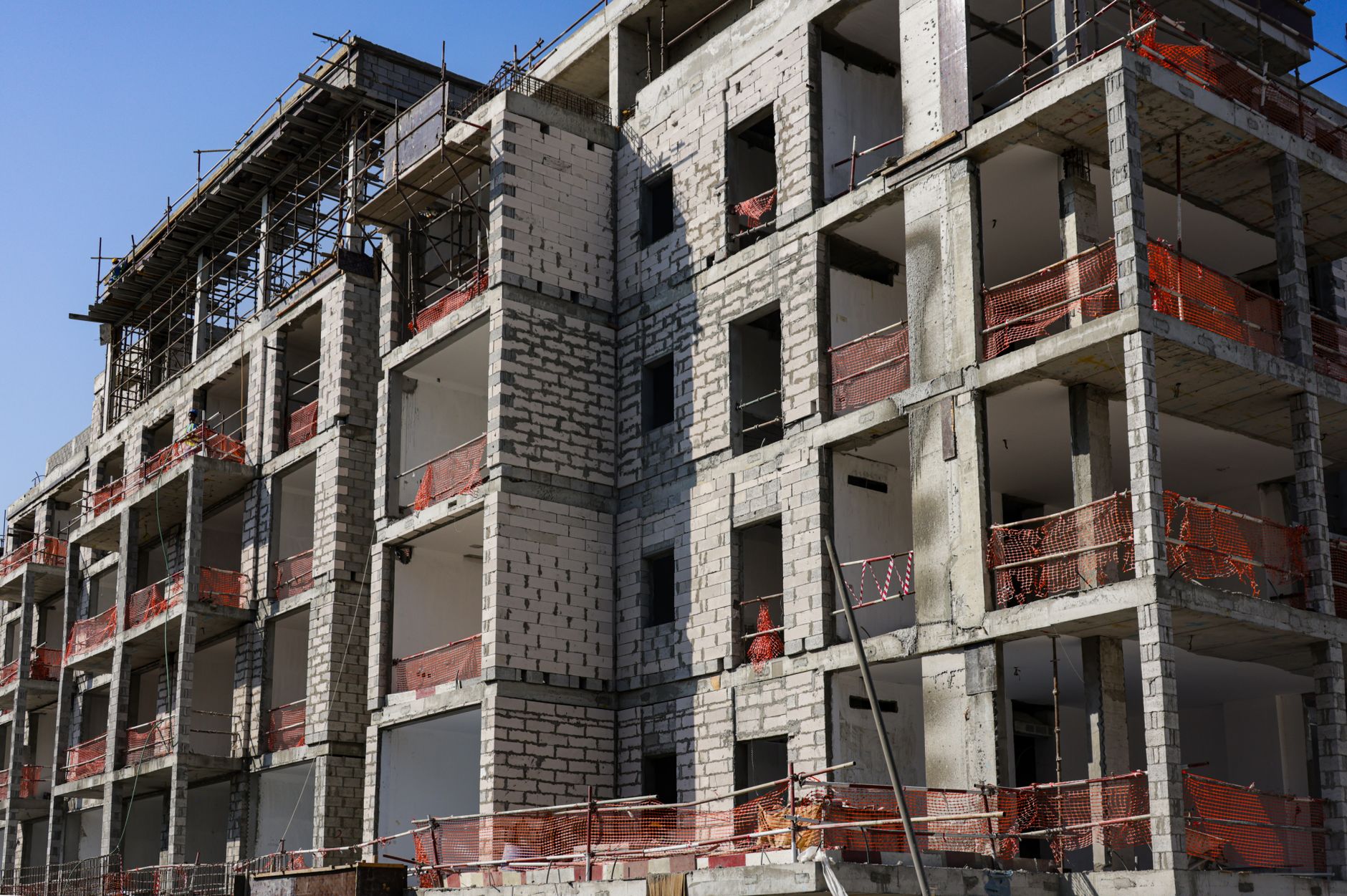
"Why is SA running short of homes in 2026?" My name is Nathan Fumal, CEO of KILICASA, and in this article I cover the housing supply gap and the building shortfall in South Africa.
Introduction
The shortage of residential units across South Africa is now a defining constraint for buyers, renters and investors. This market-update explains why the housing supply gap South Africa 2026 has widened, what is driving the shortfall in building approvals and completions, and what investors should do next.
Overview: What we mean by the supply crunch
The "housing supply gap" refers to the difference between the number of homes needed annually and the number actually delivered. In South Africa this gap is driven by a persistent mismatch between household formation, urban migration and the rate of new housing production. Analysts commonly cite a structural shortfall of roughly 150,000–200,000 units a year when accounting for backlog, population growth and deteriorating existing stock. That cumulative shortfall now shapes prices, rents and investor returns across major metros and peri‑urban corridors.
Key drivers of the 2026 building shortfall
1. Fewer building approvals and a shrinking developer pipeline
Building approvals — the front end of the pipeline — feed completions 12–36 months later. Since 2018 many metros and smaller municipalities have tightened land-use approvals, while private developers face higher costs and financing friction. The result: a thinner pipeline of viable projects. Where approvals still occur, projects are often scaled back, delayed or converted to phased delivery to manage cash flow and market risk.
2. Rising construction costs and materials shortages
Construction costs in South Africa have escalated due to a combination of imported-material inflation, rand volatility, and local supply bottlenecks. Cement, steel and critical fittings are routinely cited as cost pressure points. Developers report material price volatility and longer lead times, forcing re-pricing of projects or deferral of starts. For affordable housing SA schemes, this is especially damaging because margins are thin.
3. Labour constraints and productivity
Construction is labour intensive. Skills shortages in trade categories — bricklayers, artisans, qualified site managers — raise unit costs and extend build times. Informal settlement upgrading also competes for scarce skilled teams. When projects stall, cashflow issues cascade through contractors, suppliers and developers.
4. Higher interest rates and tighter credit conditions
Since 2021–2024 higher interest rates increased bond instalments for buyers and raised development finance costs for builders. Lenders have become more selective; bond affordability thresholds and loan-to-cost limits reduce the number of bankable projects. For high-density affordable or mixed‑use projects reliant on cross-subsidies, this can be fatal.
5. Municipal capacity and infrastructure backlogs
Even approved developments face delays from slow municipal connections, inadequate bulk infrastructure (water, sewer, electricity) and protracted EIA or rezoning processes. In many municipalities, the pace of approving new bulk capacity lags population growth, creating choke points for greenfields and infill developments.
6. Land constraints, zoning and NIMBY resistance
Rezoning for higher-density living in suburbs is politically sensitive. Local resistance (NIMBYism), complex land claims and heritage constraints reduce sites suitable for compact, affordable projects. This pushes development to peripheral land, which in turn raises infrastructure and transport costs for future occupants.
Regional nuances — where the shortfall bites most
The supply gap is not uniform. Cities with strong employment nodes continue to see demand outstrip supply:
- Gauteng (Sandton, Rosebank, Midrand): High demand for mid-to-upper-market apartments and new family housing as jobs concentrate here.
- Coastal metros (Cape Town, eThekwini): Limited developable land in premium areas increases pressure on rentals and drives up prices for well-located stock.
- Secondary cities (Port Elizabeth, Bloemfontein, Nelspruit): Pipeline shrinkage and underinvestment make new developments rarer, increasing affordable supply pressure.
For investors this means location matters more than ever: proximity to transport links, employment nodes and municipal bulk capacity reduces long-term vacancy and enhances capital growth prospects.
Market impacts for buyers and investors
The supply gap has immediate and structural effects:
- Price and rental pressure: Reduced supply pushes asking prices and rents up, particularly in well-located affordable segments.
- Longer absorption times for peripheral stock: New housing on the urban fringe may struggle to lease quickly due to transport and amenity deficits.
- Favouring existing stock and refurbishment: Investors pivot to value-add plays — upgrading older units or converting underused commercial buildings to residential.
- Increased interest in build-to-rent and institutional housing: Stable rental demand and supply tightness attract institutional capital seeking reliable yields.
Forecast and scenarios to 2028
Three plausible scenarios shape the near-term outlook:
- Base case — gradual recovery: If approvals increase and construction costs stabilise, annual completions rise but still fall short of full demand, keeping upward pressure on prices and rents.
- Downside — persistent constraints: If credit tightens further and municipal infrastructure lags, the supply gap widens and affordability crises intensify in metros.
- Upside — policy and private sector response: Accelerated interventions (fast-tracked approvals, incentives for modular builds, PPPs) and rising developer confidence could narrow the shortfall meaningfully.
Policy responses and industry solutions
Addressing the housing supply gap requires coordinated action:
- Streamline approvals: Digitising permit systems and creating one-stop municipal services reduces lead times.
- Unlock serviced land: Public sector releasing bulk-serviced parcels for mixed-income projects helps close the affordable housing shortfall.
- Incentivise alternative delivery: Tax breaks, soft loans or guarantees for modular and off-site construction can lower costs and speed delivery.
- Promote PPPs and institutional funding: Blended finance and anchor tenancy (e.g., social or student housing) de-risks projects for developers.
- Support local manufacturing: Stimulating local production of cement products, steel pre-fabrication and fittings reduces dependence on imports and rand exposure.
Practical investor and agent strategies
For buyers and property investors navigating the 2026 supply crunch, practical strategies beat speculation:
- Prioritise location quality over speculative greenfields: Close to jobs, transport and amenities will outperform fringe stock over time.
- Consider refurbishment and densification: Converting or upgrading existing properties can deliver quicker returns than ground-up developments.
- Explore build-to-rent and longer leases: In tight markets, stable income models attract institutional interest and offer predictable cashflow.
- Use contingency pricing in OTPs: Buyers should include realistic escalation and transfer cost buffers when making offers.
- Partner with experienced developers: Joint ventures with proven local teams reduce execution risk and improve access to municipal relationships and approvals.
Actionable Tips and Key Strategies
- Monitor building approvals locally: Track municipal planning portals and Lightstone or FNB property reports to anticipate supply changes.
- Factor construction escalation into underwriting: Assume material and labour escalation of 10–30% for multi-year projects unless capped by fixed-price contracts.
- Prioritise projects with bulk services in place: Avoid developments requiring new water/sewer or major electrical upgrades unless offsets exist.
- Use modular and prefab for affordable projects: These methods shorten timelines and can stabilise unit costs.
- Negotiate phased delivery and pre-sales: Phasing reduces capital strain and improves market-speed adaptability.
Role of KILICASA
KILICASA simplifies the administrative and matching challenges that make developing and investing harder in a supply-constrained market. Our portal connects buyers, landlords, developers and service providers with verified data, document automation and smart matching. For investors seeking off-market opportunities, pre-sales or build-to-rent partners, KILICASA provides a streamlined platform to manage OTPs, FICA checks, and conveyancing handoffs, reducing time-to-close and execution risk. Visit KILICASA for searchable listings and tools tailored to the South African market.
Conclusion
The housing supply gap South Africa 2026 is the product of intersecting supply-side constraints: constrained approvals, rising construction costs, municipal bottlenecks and tighter finance. For buyers and investors this creates both risk and opportunity — higher rents and prices favour quality locations and well-executed value-add or institutional plays. Strategic investors will prioritise projects with secure bulk services, experienced delivery partners and realistic escalation buffers. Public-private coordination, incentivised alternative construction and smarter municipal processes are essential to closing the gap. KILICASA helps market participants navigate these complexities efficiently. KILICASA, because everyone deserves a place.
Frequently Asked Questions
How large is the housing supply gap in South Africa?
Estimates vary, but industry consensus places the structural shortfall at roughly 150,000–200,000 housing units per year when accounting for new households and backlog. The cumulative deficit drives price and rental pressure in major metros.
Should investors focus on building new homes or buying existing stock?
Both strategies can work. Given permitting and cost risks, many investors prefer refurbishment, densification or build-to-rent with experienced partners. Ground-up development can succeed in serviced locations with secured finance and realistic cost buffers.
Discover KILICASA, your real estate partner in South Africa
Photo by Magda Ehlers on Pexels


