How to Build a Net-Zero Home in South Africa

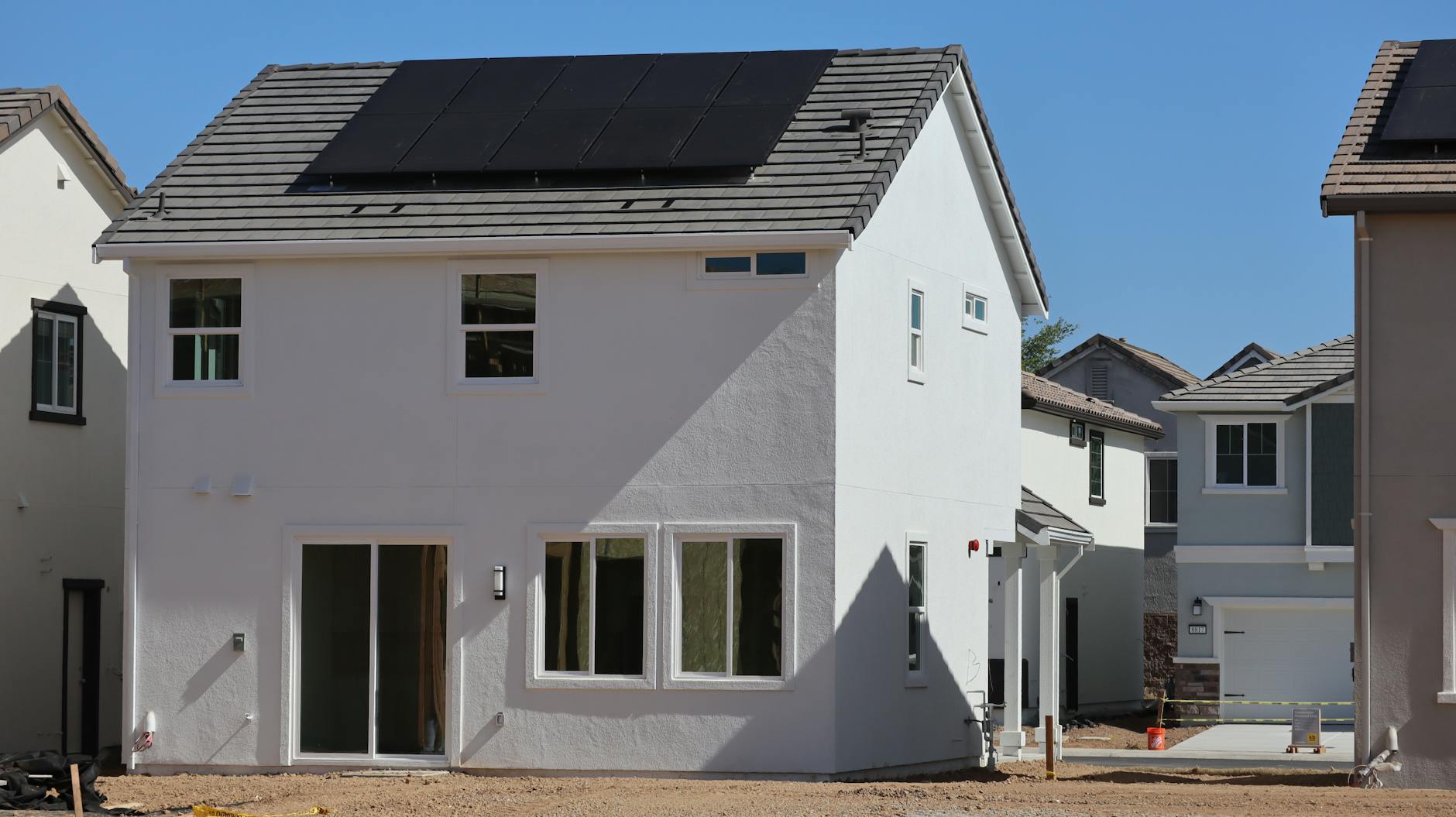
“Can your home produce as much energy as it uses?” My name is Nathan Fumal, CEO of KILICASA. In this article I cover building a net-zero home in South Africa.
Introduction
Net-zero homes—properties that generate as much energy as they consume—are rapidly moving from niche to mainstream in South Africa. Rising electricity costs, load-shedding, and growing investor interest in sustainable assets make net-zero strategies financially and strategically important for buyers and investors. This guide explains how to design, cost and manage a truly net-zero home in SA, with practical tips for investors and homeowners.
What “Net-Zero” Means in the South African Context
Net-zero energy means annual energy production equals or exceeds annual consumption. In South Africa this usually involves a combination of energy efficiency (reducing demand), on-site renewable generation (primarily solar PV), and battery storage or grid interaction. Regulatory, grid and municipal rules in South Africa—along with climate, building stock and consumer behaviour—shape the technical and financial path to net-zero.
Why Net-Zero Matters Here
Key drivers in South Africa include persistent electricity price inflation, frequent load-shedding that damages appliances and productivity, and rising investor demand for green assets that lower operating costs and improve resale. Properties with lower operating costs and resilience to outages are more attractive to tenants and buyers, especially in high-demand urban areas like Cape Town and Sandton.
Core Components of a Net-Zero Home
Building a net-zero home in SA requires integrating four interdependent systems: passive design and a tight thermal envelope, efficient appliances and lighting, reliable solar PV generation, and battery storage or smart grid interaction. Below I break down each element and what it means in local practice.
1. Passive Design and the Thermal Envelope
A strong thermal envelope reduces heating and cooling loads—critical in coastal and inland climates across SA. Key elements:
- Orientation and shading: Orient living spaces north in the southern hemisphere to maximise winter sun and use eaves, pergolas and deciduous trees for summer shading.
- Insulation: Ceiling and wall insulation (min. to SANS 204 recommendations) prevents heat transfer. Typical upgrade cost: R 15,000–R 40,000 (~USD 790–2,100) depending on house size and material.
- High-performance glazing and sealing: Double glazing or low-E coating, plus airtightness to prevent draughts.
- Thermal mass and natural ventilation: Use materials and design to stabilise indoor temperatures and encourage cross-ventilation.
Upfront investment in the thermal envelope yields high returns: lower HVAC capacity, smaller solar and battery systems, and improved comfort year-round.
2. Efficient Systems and Appliances
Reduce consumption before adding generation. Key measures:
- LED lighting, efficient motors and fans
- Energy-star rated appliances or inverter-driven compressors for fridges and aircons
- Heat pump water heaters, which use ~60% less electricity than standard resistive elements
- Smart meters, timers and home energy management systems to shift loads away from peak times
Example: Replacing a geyser with a heat pump can cost R 18,000–R 35,000 (~USD 945–1,840) but often cuts hot-water energy by 50–70% and shortens payback when combined with solar PV.
3. Solar PV: Sizing, Cost and Grid Interaction
Solar PV is the backbone of most South African net-zero homes. System sizing depends on annual consumption after efficiency measures. Typical household systems:
- Small: 3–4 kWp for very efficient 1–2 bedroom units
- Medium: 5–8 kWp for typical family homes (3–4 beds)
- Large: 9 kWp+ for larger properties or households with high electric heating/EV charging
Costs (installed, grid-tied, excluding batteries): roughly R 12,000–R 18,000 per kWp. Example: a 6 kWp system may cost R 72,000–R 108,000 (~USD 3,775–5,655). Prices vary by equipment quality, inverter choice, and installer.
Grid interaction: Many South African municipalities do not offer formal net-metering or feed-in tariffs at favourable rates; rules vary. Most homeowners prioritise self-consumption (use generated power immediately or store it) because Eskom/municipal buyback rates are low or administratively complex. Confirm municipal requirements and metering upgrades before installation.
4. Batteries and Resilience
Batteries provide resilience during load-shedding and let homes maximise use of daytime solar. Battery sizing depends on desired autonomy (hours/days) and critical loads. Common options:
- Short backup (4–8 kWh usable): cover essentials for a day — cost roughly R 60,000–R 120,000 (~USD 3,150–6,300)
- Extended resilience (10–20 kWh usable): handle more loads or several days — R 120,000–R 300,000 (~USD 6,300–15,750)
- Off-grid systems or near-off-grid: require oversized battery banks and generators — R 300,000+ (~USD 15,750+) depending on scale
Battery chemistry is predominantly lithium-ion for performance and lifecycle; warranties and depth-of-discharge matter. Consider lifecycle cost per kWh delivered, not only headline purchase price.
Designing for Net-Zero: A Step-by-Step Process
Follow a staged approach to avoid oversizing systems and wasting capital.
Step 1: Baseline and Performance Target
Measure current consumption (12 months ideally). Set an annual energy target (e.g., net-zero, plus resilience). For investors, define acceptable payback or yield uplift assumptions—net-zero often increases rentability and resale value in premium suburbs like Sea Point, Woodstock, and Sandton.
Step 2: Reduce Demand First
Implement passive measures and efficient appliances. Each kWh saved reduces the size and cost of PV and batteries required.
Step 3: Size Generation and Storage
Use load profiles and solar-resource data to size PV and battery. Factor in future loads (EV charging, heat pumps). Work with accredited installers; request PV yield models and payback scenarios at current tariffs and projected Eskom increases.
Step 4: Regulatory, Finance and Procurement
Check municipal rules on embedded generation, FICA and connection requirements, and whether a meter upgrade is needed. Consider financing options: green home loans, energy-efficiency financing from banks, or developer bundling of PV into bond applications—BetterBond and ooba sometimes facilitate energy improvements in loan structuring.
Step 5: Monitor and Maintain
Install monitoring for generation, consumption and battery state-of-charge. Regular maintenance (cleaning panels, firmware updates) preserves system performance and warranty validity.
Costs, Payback and Investment Returns
Typical full-system costs for an average-sized net-zero conversion (post-efficiency) for a suburban 3-bedroom home in SA:
- Efficiency upgrades and thermal envelope: R 40,000–R 150,000 (~USD 2,100–7,875)
- Solar PV (5–8 kWp): R 60,000–R 150,000 (~USD 3,150–7,875)
- Batteries (8–15 kWh usable): R 80,000–R 220,000 (~USD 4,200–11,000)
- Install, inverter, wiring, and contingency: R 20,000–R 60,000 (~USD 1,050–3,150)
Combined: R 200,000–R 580,000 (~USD 10,500–30,400) depending on ambition level. Payback is highly sensitive to electricity escalation, self-consumption, and whether the property avoids damage and inconvenience from load-shedding. For many homeowners, net-zero investment can pay back in 6–12 years; for investors, improved rental yields and lower vacancy can justify higher valuations.
Off-Grid vs Grid-Connected Net-Zero
Fully off-grid homes require larger PV arrays, battery banks, and backup generators—costs escalate 30–100% vs grid-connected net-zero. Off-grid might be appropriate for remote properties or owners seeking complete independence, but for most South African residential projects a grid-connected net-zero approach with sufficient battery resilience is more cost-effective.
Financing, Incentives and Regulations
South Africa lacks national feed-in tariffs; incentives come from municipal policies, VAT rules and financing products. Investigate:
- Municipal rebates or simplified embedded generation approval (varies by metro)
- Green mortgages or energy-efficiency lending from major banks
- Sectional-title body corporate rules for shared PV in complexes
Ensure FICA compliance when contracting installers and confirm local building regulations (SANS 10400 series and energy clause SANS 204 recommendations) for retrofits and new builds.
Actionable Tips & Key Strategies
Practical steps to accelerate a successful net-zero project:
- Start with an energy audit: measure before you design. Accurate baseline data reduces overspend.
- Prioritise the thermal envelope—insulation and sealing deliver the biggest long-term savings.
- Design PV to maximise self-consumption: orient PV for morning-to-evening loads, and pair with a battery sized for critical-load resilience rather than full-night coverage unless necessary.
- Choose reputable installers with local references and performance guarantees; inspect warranty terms (panel, inverter, battery).
- Model multiple tariff scenarios (Eskom increases, time-of-use tariffs) to stress-test payback.
- If developing or managing multiple units, consider shared PV with smart distribution to lower per-unit costs.
Role of KILICASA
KILICASA helps buyers, investors and property managers in South Africa identify and match with properties and service providers that support sustainable upgrades. Our platform simplifies administrative processes—FICA, document management and listings—so you can focus on value-adding retrofits or net-zero new builds. For developers and landlords, KILICASA’s data-driven matching reduces time to find tenants or buyers who prioritise energy resilience and lower operating costs.
Conclusion
Building a net-zero home in South Africa is both a technical and strategic process: reduce demand first, add well-sized solar PV, and invest in battery storage for resilience. While upfront costs can be significant—R 200,000–R 580,000 (~USD 10,500–30,400) for typical projects—long-term savings, improved asset value and tenant appeal often justify the investment. For investors, net-zero homes offer lower operating costs, higher occupancy and differentiated resale potential in competitive markets like Cape Town and Gauteng. With careful design, trusted installers and smart financing, net-zero homes are an achievable and profitable path forward.
KILICASA, because everyone deserves a place.
Frequently Asked Questions
How long before a net-zero retrofit pays for itself?
Payback varies by scale, municipal tariffs and self-consumption. Typical ranges are 6–12 years for grid-connected homes that combine efficiency, a 5–8 kWp PV system and 8–15 kWh of battery storage.
Do South African municipalities allow net-metering or feed-in?
Policies vary. Very few municipalities offer generous feed-in tariffs; most homeowners focus on self-consumption and export minimal energy. Always confirm local rules and metering requirements before installation.