Increase Home Value in SA: 10 Cost-Effective Pre-Sale Upgrades


"Thinking of selling — how can I increase home value in SA quickly?" Practical, cost-effective pre-sale improvements that boost curb appeal and ROI.
Why pre-sale improvements matter in South Africa
Selling property in today’s South African market means competing for attention. With demand concentrated in key nodes like Cape Town’s Atlantic Seaboard, Sandton and Rosebank in Gauteng, and rising interest from local and international buyers, small investments can translate to higher offers, faster sales and fewer days on market. Smart, cost-controlled upgrades often deliver better returns than expensive renovations—especially where transfer duty, bond approval timelines and conveyancing costs already eat into net proceeds.
Principles behind value-adding improvements
Before committing money, prioritise improvements that:
- Improve first impressions (curb appeal and photography)
- Reduce perceived maintenance risk for buyers
- Target rooms with the greatest buyer focus (kitchen, bathrooms)
- Offer measurable ROI for local buyers and investors
Keep in mind sectional title levies, municipal rates and potential compliance items (FICA documentation for renting properties, electrical certificates, etc.) — buyers factor these into offers.
1. Fresh, neutral paint inside and out
Why it works: Repainting is one of the highest ROI pre-sale improvements — it makes spaces look clean, larger and well-maintained. Choose neutral palettes that photograph well and appeal to a broad audience.
Estimated cost: R 5,000–R 25,000 (~USD 260–1,315) depending on size. Timeframe: 2–7 days. ROI: Immediate uplift in buyer perception; quicker viewings and stronger offers.
2. Improve kerb appeal: landscaping and entrance
Why it works: First impressions form in seconds. Tidy gardens, a power-washed driveway, trimmed hedges and a clean front door can change perceived value dramatically.
Estimated cost: R 3,000–R 15,000 (~USD 160–790). Tip: Add simple indigenous planting to reduce long-term maintenance for buyers.
3. Stage key rooms and declutter
Why it works: Staging helps buyers visualise living in the property. Remove personal items, repair small defects and consider professional staging for prime properties in areas like Clifton or Hyde Park.
Estimated cost: DIY declutter is free; basic staging R 5,000–R 20,000 (~USD 260–1,050). ROI: Often faster sale at closer to the asking price.
4. Kitchen refresh — not a full remodel
Why it works: The kitchen sells homes. A full renovation is expensive; instead focus on targeted upgrades: replace worn handles, refinish cabinets, update splashback, install new taps or a new oven if required.
Estimated cost: R 8,000–R 60,000 (~USD 420–3,160) for a refresh. ROI: High—kitchens influence perceived value disproportionately.
5. Quick bathroom upgrades
Why it works: Buyers pay attention to bathrooms. Regrout tiles, replace showerheads, fit a new vanity mirror and ensure plumbing and geyser are in order. Consider water-efficient fittings (appealing with rising municipal tariffs).
Estimated cost: R 4,000–R 30,000 (~USD 210–1,580). Small investments can markedly improve offers.
6. Fix electrical, plumbing and safety items
Why it works: Known defects reduce offers. Obtain an electrical compliance certificate (ECS) or at least have a qualified electrician inspect wiring. Fix leaking taps, service the geyser and ensure smoke detectors are present.
Estimated cost: R 1,500–R 15,000 (~USD 80–790). Risk mitigation improves buyer confidence and can speed bond approval from lenders.
7. Improve energy-efficiency and smart features
Why it works: Buyers increasingly value lower running costs. Simple measures—LED lighting, insulation, solar water heating or a small PV system—add appeal. Even smart locks or a programmable thermostat can influence offers.
Estimated cost: R 3,000–R 120,000 (~USD 160–6,315) depending on scale. Highlight reduced monthly expenses in listings.
8. Flooring fixes — polish or replace selectively
Why it works: Worn carpets or scratched floors signal neglect. For wooden floors, sanding and varnish is cheaper than replacement. Replace stained carpets in living areas and entry points.
Estimated cost: R 2,500–R 45,000 (~USD 130–2,370). A polished floor photographs better and can justify stronger offers.
9. Deep clean and professional photography
Why it works: Buyers start online. A spotless property and professional photos increase click-through rates and viewing requests. Include twilight shots for properties with views in Camps Bay or Sea Point.
Estimated cost: Cleaning R 1,200–R 3,500 (~USD 63–185); photography R 1,500–R 5,000 (~USD 80–260). Return: often immediate—more viewings, better price competition.
10. Minor structural and legal tidying
Why it works: Resolve open municipal accounts, provide title deeds or arrange for a duplicate, check sectional title levies are up to date and clear minor structural issues. Buyers dislike hidden liabilities; clearing them removes negotiation leverage.
Estimated cost: Varies; administrative costs R 500–R 10,000 (~USD 26–525). Timeframe: allow weeks for conveyancers. Benefits: fewer delays during OTP acceptance and transfer.
How to prioritise improvements for best ROI
Decide using a simple framework:
- Cost vs. perceived impact: low-cost, high-visibility wins first (paint, cleaning, kerb appeal).
- Market expectations: in luxury suburbs a higher spec in kitchen/bathrooms may be necessary.
- Local comparables: study recent sales in your suburb using portals and agents to see what buyers demanded.
- Time to sell: if you need a fast sale, focus on cosmetics and pricing strategy rather than major renovations.
Actionable Tips & Key Strategies
- Get a pre-sale checklist from an experienced estate agent or conveyancer — avoid overlooked legal items.
- Use a tradesperson network; ask for itemised quotes and timelines—bond approval windows are limited.
- Keep receipts and warranties—buyers and conveyancers appreciate verified work and can speed up offers.
- Set a realistic budget and cap total spend at a percentage of expected uplift (many sellers aim for under 2–3% of asking price).
- Market the running-cost benefits (solar, insulation, LED) to appeal to cashflow-conscious investors.
How KILICASA helps sellers in South Africa
KILICASA simplifies pre-sale administration and matching: we connect sellers with verified service providers, professional photographers and agents familiar with local suburbs and lender expectations. Our platform reduces time spent on paperwork (conveyancer coordination, FICA checks) and improves listing visibility so your value-adding improvements translate into better offers faster. For sellers targeting Gauteng or Cape Town markets, KILICASA’s tools help position your property to the right buyers.
Visit KILICASA to prepare your property for sale with confidence.
Conclusion
Increasing your home’s value in South Africa doesn’t require a full-scale renovation. Focus on high-impact, low-cost improvements—paint, kerb appeal, kitchen and bathroom refreshes, compliance certificates and professional imagery—to reduce time on market and increase offers. Prioritise based on local buyer expectations, get reliable quotes, and keep documentation tidy to avoid transfer delays. With careful planning, a modest budget can produce outsized gains at sale. KILICASA, because everyone deserves a place.
Frequently Asked Questions
Which upgrades give the best ROI for South African sellers?
Cosmetic improvements (paint, cleaning, kerb appeal), targeted kitchen/bathroom refreshes and resolving compliance issues (electrical, plumbing) generally offer the best returns across most SA suburbs.
How much should I spend before selling?
Set a cap—many sellers spend 1–3% of expected selling price on pre-sale works. Prioritise quick wins that reduce buyer risk and improve online presentation.
Discover KILICASA, your real estate partner in South Africa
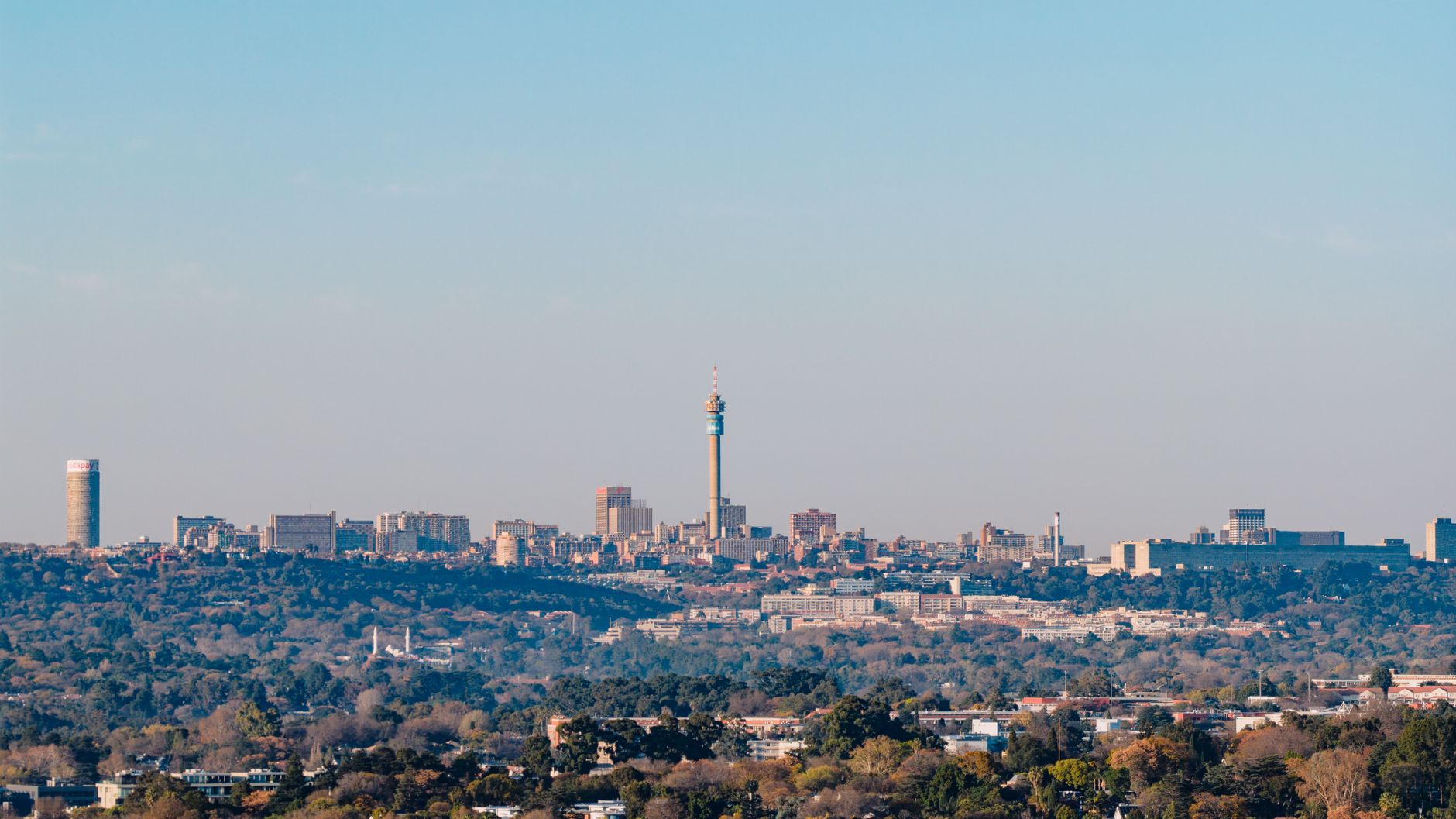
Photo by Alexander F Ungerer on Pexels