Increase Rental Income SA: Upgrades, Pricing & New Revenue


Practical guide to increase rental income in South Africa: high-ROI upgrades, pricing hacks and new revenue streams for landlords and investors.
“How can one smart upgrade turn a property from break-even into profit?”
Understanding how to increase rental income in South Africa matters because rising municipal rates, utility costs and rand volatility squeeze net yields. This guide shows practical upgrades, pricing tactics and extra revenue streams you can deploy to improve rental yield, reduce vacancy and protect cash flow.
Why focusing on rental yield matters in South Africa
Gross rent is only half the story. Net rental yield is what remains after bond interest, rates, levies, insurance and maintenance. In markets such as Cape Town, Johannesburg and Durban many buy-to-let investors see yields compress under 6%—so small improvements to rent or cost structure materially change returns. Use local benchmarking (Lightstone, FNB Property Report) to compare neighbourhood yields: R 1,200,000 (~USD 63,000) for a one-bed in Sea Point might fetch R 7,500 (~USD 395) monthly, while upgrades or better pricing can lift that by R 1,000–R 2,500 (~USD 53–132).
High-ROI rental upgrades that improve rental yield
Focus on improvements that raise perceived value, reduce landlord costs, or unlock new tenant segments.
- Kitchen & bathroom refresh: New splashbacks, re-grouted tiles, modern taps and energy-efficient appliances. Typical cost: R 25,000–R 60,000 (~USD 1,320–3,170). These often result in a rent increase of 5–12%.
- Energy and water savings: Install energy-efficient geysers, low-flow fittings, LED lighting, or a small PV + battery system for lights. Example: a solar geyser from R 8,000 (~USD 420) can cut tenant water-heating complaints and market the property as “lower utility costs”.
- Security upgrades: Burglar bars, alarm upgrade and well-lit entrances are high-conversion improvements in SA. Tenants will pay a premium in suburbs where security is a priority (e.g., R 300–R 800 (~USD 16–42) extra per month).
- Smart tech & convenience: Smart locks, Wifi-ready broadband packages, and USB power points are low-cost but amplify perceived value—especially for young professionals.
- Convert underused space: Garage-to-flat conversions, building a granny flat (ADU) or subdividing a large unit into rooms for student houses can drastically increase income—subject to zoning, sectional title rules and municipal approvals.
- Presentation: Fresh paint, professional photos and minor landscaping create outsized returns in time-to-let and achievable rent.
Pricing hacks: charge more, smarter
Price is a weapon when used with data and flexibility.
- Market and seasonal pricing: Use Lightstone, local estate agents and platforms like KILICASA to monitor comparable listings. Shorter vacancy windows often justify slightly lower advertised rent but better tenant quality—balance is key.
- Offer tiered packages: Furnished vs unfurnished; include internet, DSTV, or electricity bundles. A furnished one-bed can command R 1,500–R 4,000 (~USD 79–211) extra monthly in prime suburbs.
- Escalation clauses: Legally include annual rent escalations in the lease, linked to CPI or a fixed percent, and ensure it's clear in the contract (POP and FICA-compliant documentation).
- Shorter notice, premium notice: For flexible leases (six months), price at a premium compared to 12-month leases to cover turnover risk.
- Dynamic discounts: Offer small concessions for longer-term commitments—e.g., R 250/month off for a 24-month lease to reduce vacancy risk.
New revenue streams to diversify income
Think beyond base rent. Multiple small revenue lines often beat a single big increase and reduce vacancy sensitivity.
- Utilities & services: Charge for high-speed fibre on a passthrough basis or offer a bundled package. Example: add R 500 (~USD 26) for premium uncapped internet.
- Parking and storage: Rent an extra garage or parking bay for R 800–R 1,500 (~USD 42–79) monthly.
- Short-term rentals: Convert spare units to Airbnb-style rentals for higher nightly rates—check municipal regulations (City of Cape Town by-laws have specific registration requirements) and sectional title rules first.
- Ancillary services: Coin laundry, cleaning services, or charging for pet ownership (pet deposit + monthly pet levy) can add predictable cash flow.
- Advertising & partnerships: Rent wall space for a local business or partner with a solar company for rooftop leasing if applicable.
- Co-living & student lets: In university towns or near hospitals, converting to multiple lettable rooms increases gross rent per square metre—ensure compliance with fire, building and municipal regulations.
Manage costs to protect net yield
Increasing income is only half the job—managing expenses and taxes protects gains.
- Reduce vacancy: Proactive tenant retention (respond quickly to repairs, offer small periodic upgrades) cuts turnover costs.
- Bulk negotiate: Group insurance, security and maintenance contracts across your portfolio to secure lower rates.
- Tax efficiency: Claim allowable expenses (bond interest, repairs, agent fees) and consult a SARS-registered tax practitioner for depreciation and capital allowances on qualifying assets.
- Regular maintenance schedule: Preventative upkeep avoids large capital expenses later and keeps properties attractive to tenants.
Legal and practical constraints specific to South Africa
Always consider transfer and property rules: sectional title levies, homeowners’ association rules, municipal zoning, building plan approvals and FICA verification for tenants. Short-term letting often requires registration and adherence to health and safety standards. If you’re subdividing or adding units, engage a conveyancer and local municipality early to avoid fines or devaluation.
Actionable Tips and Key Strategies
- Start with a rent audit: compare your property to 6–10 nearby listings using KILICASA and Lightstone data.
- Prioritise low-cost, high-impact fixes: fresh paint, LED lights, and security improvements.
- Test premium packages: offer paid parking, internet bundles or cleaning and monitor uptake for 3 months.
- Use escalations and deposit increases to protect against inflation—state clearly in the lease.
- Document ROI: track cost vs additional rent and aim for payback within 24 months on upgrades.
Role of KILICASA
KILICASA streamlines the administrative and matching side of property letting: from smart listings and tenant screening to document handling (FICA-ready) and market comparisons. Our platform helps you price with confidence, reduce vacancy through better matching and manage workflows faster—so upgrades and pricing hacks translate quickly into cash flow. Visit KILICASA to list, analyse and manage properties with local market data and automated admin tools.
Conclusion
Increasing rental income in South Africa is a mix of smart capital allocation, data-driven pricing and diversification of revenue. Prioritise upgrades with proven rent uplift (kitchens, security, energy savings), use pricing strategies to capture market segments, and unlock new revenue streams like parking, internet bundles or short-term letting where legal. Combine these with disciplined cost control, accurate benchmarking and robust tenant screening to improve net yield. Small, well-targeted actions—not sweeping renovations—often deliver the best rental upgrades ROI.
KILICASA, because everyone deserves a place.
Frequently Asked Questions
How much can I realistically increase rent after upgrades?
Expect modest lifts: cosmetic upgrades and security can often support 5–12% higher rent; larger conversions (granny flats, extra rooms) can increase total rental income by 20–60%, depending on location and compliance costs.
Are short-term rentals legal and profitable in South Africa?
Short-term rentals are legal but regulated locally. Profitability is high in tourist nodes (Camps Bay, Durban beachfront) but factor in registration, insurance, extra cleaning and municipal levies. Always check sectional title rules and municipal by-laws first.
Discover KILICASA, your real estate partner in South Africa
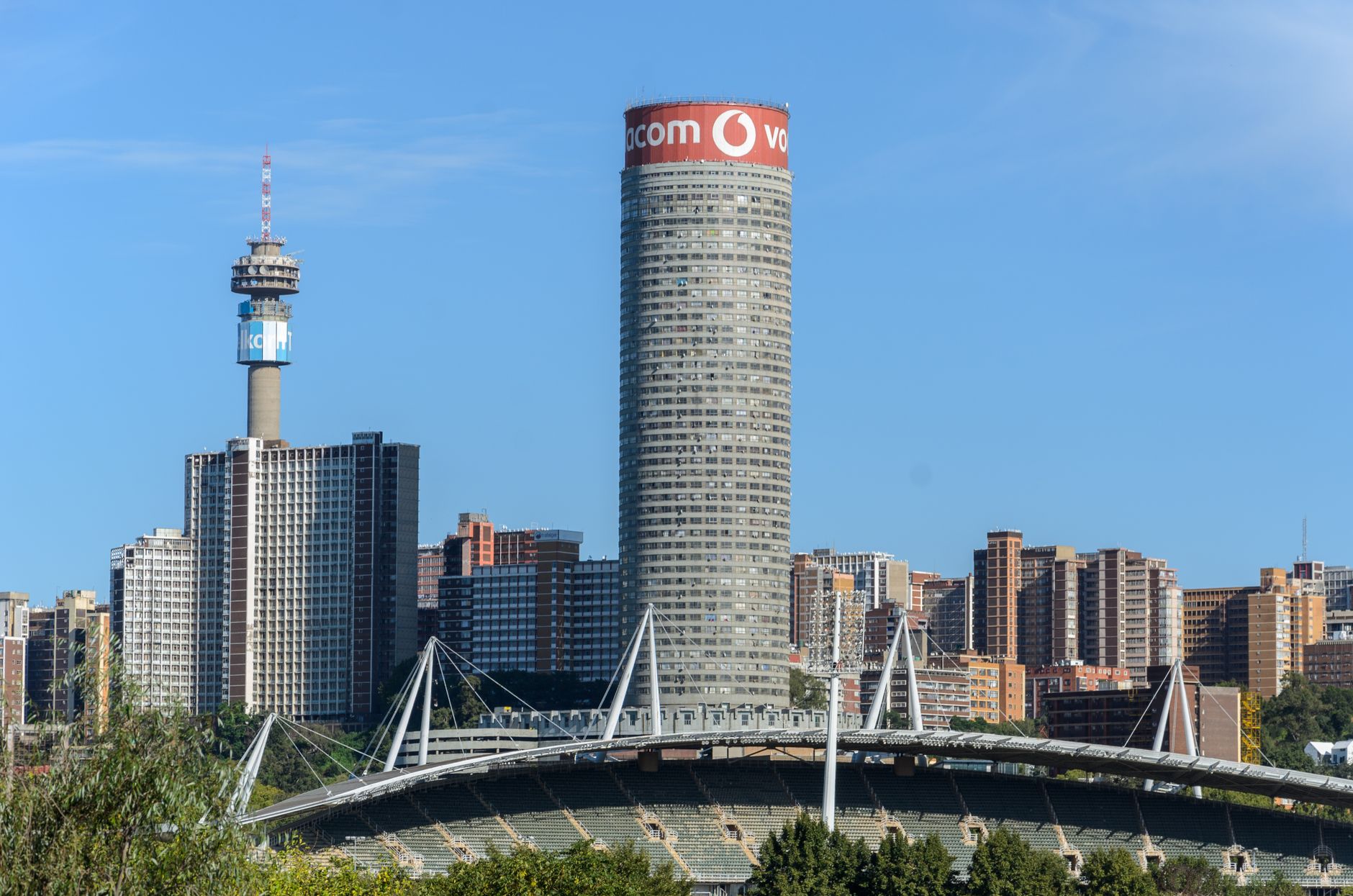
Photo by Magda Ehlers on Pexels