Invest in Stellenbosch: University Town Advantages & Winelands Appeal

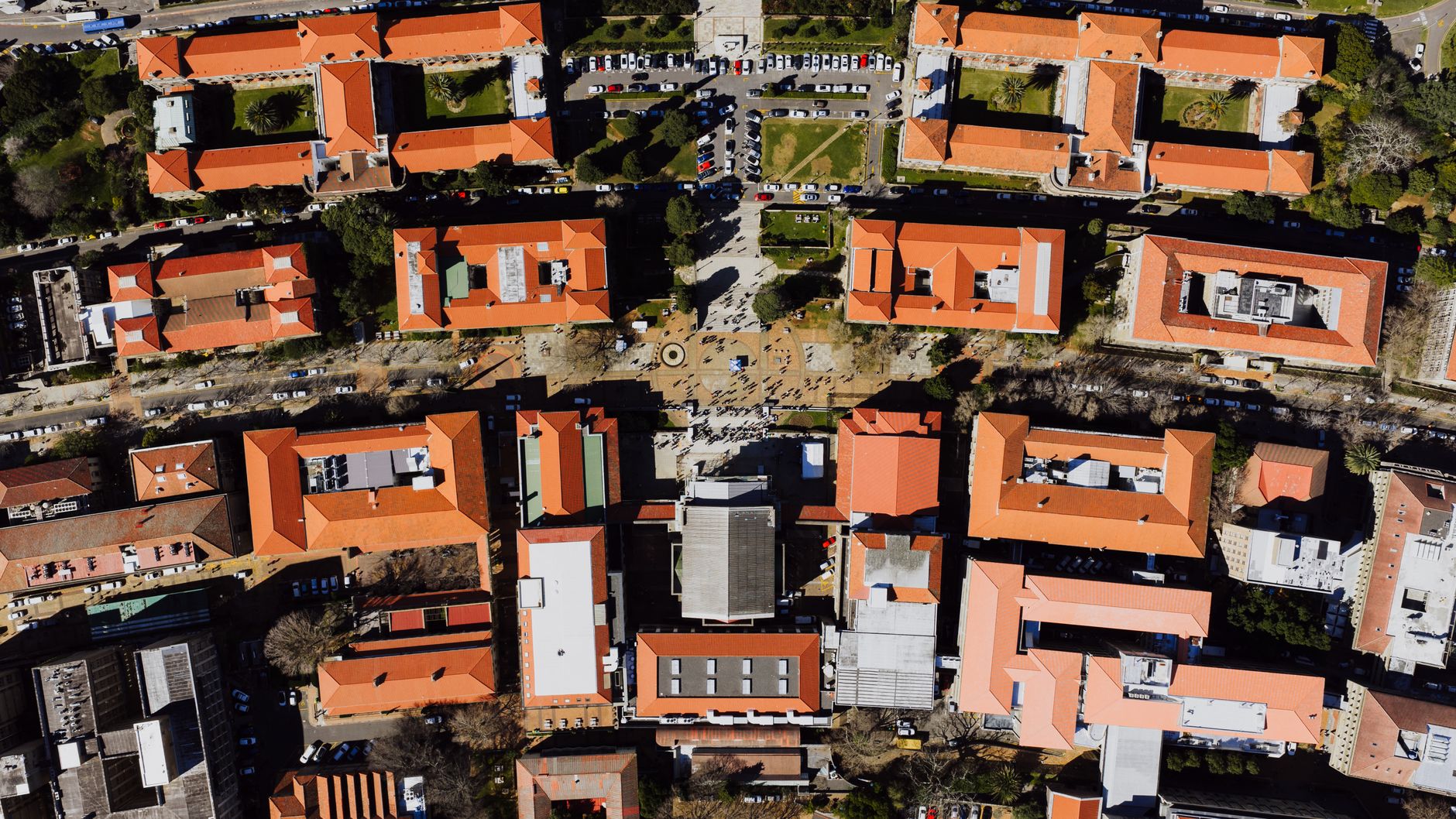
"Is Stellenbosch the next goldmine for property investors?" Explore why university-driven demand and winelands tourism make Stellenbosch compelling for buyers and landlords.
Introduction
Stellenbosch blends a major university, historic town centre and world-class winelands — creating a multi-faceted property market attractive to local and international investors.
Why Invest in Stellenbosch? The Twin Engines: University and Winelands
Stellenbosch’s property market is powered by two complementary forces: Stellenbosch University (one of South Africa’s leading tertiary institutions) and a globally recognised winelands tourism industry. The university supplies steady rental demand from students, academics and visiting researchers, while viticulture and tourism add short-stay and second-home markets. Together they create year-round occupancy and diversified income streams, reducing single-sector risk for investors.
University town dynamics — predictable rental demand
Student rentals near the campus and within the Stellenbosch CBD maintain high occupancy through the academic year. Average demand spikes at orientation and examination periods, but the presence of postgraduate students, researchers and staff smooths seasonality. Typical investment holdings that perform well include small apartments and cluster houses within 2–5 km of the university. Expect entry-level 1-bedroom apartments from about R 700,000 to R 1,500,000 (~USD 37,000–80,000) and 2–3 bedroom homes from R 2,500,000 to R 6,000,000 (~USD 132,000–316,000), depending on location and finish.
Winelands appeal — tourism, hospitality and capital growth
Stellenbosch’s international profile as part of the Cape Winelands attracts tourists, conference delegates and second-home buyers. Properties in precincts such as Jonkershoek, Devon Valley and the historic Dorp can command premium prices and offer strong short-term rental yields via platforms like Airbnb (subject to local rules). Wine estates and vineyard properties also present higher entry prices (R 8,000,000+ (~USD 422,000)), but create unique diversification opportunities: agritourism, cellar-door retail and boutique hospitality can enhance total return.
Market Performance & Price Trends
Over the past five years Stellenbosch has shown resilient performance relative to national averages. According to FNB and Lightstone reports, university towns with constrained development footprints often outperform generic suburban growth rates because of limited land supply and consistent rental bases. Sectional-title apartments around the town centre have been particularly liquid, while freehold houses in leafy suburbs like Paradyskloof and Devon Park show steadier capital appreciation.
Investors should note realistic price brackets: studio and student-oriented units R 700,000–R 1,500,000 (~USD 37,000–80,000); family homes nearer R 2,500,000–R 6,000,000 (~USD 132,000–316,000); premium properties and small holdings R 8,000,000+ (~USD 422,000+). Transaction costs — transfer duty (if applicable), conveyancing fees, bond registration and estate agent commission — typically add 6–8%+ to acquisition costs.
Rental Yield, Vacancy and Tenant Mix
Stellenbosch’s rental yield profile varies by product and location. Student-focused units often deliver higher gross yields (6–8%) due to per-bed rental models, while family homes and premium cottages commonly provide lower but steadier yields (4–6%). Short-term rental cottages in wine estates can exceed these averages during peak seasons but experience off-season dips.
Vacancy risk is mitigated by a blended tenant mix: students, young professionals working in Cape Town’s tech and agri-tech sectors, academics, and tourism guests. Investors focused on long-term stability should prioritise properties within walking distance to the university and the town centre; those seeking higher short-term yields may consider properties in wine routes and tourism nodes.
Development, Infrastructure and Connectivity
Infrastructure investments — improved road links (R44 and upgrades to the R300 corridor), public transport initiatives and fibre rollout — are gradually improving connectivity to Cape Town and Stellenbosch’s business parks. The Stellenbosch Technology and Innovation Park and the growing agri-tech cluster create demand for short-term executive rentals and staff housing. Zoning changes and municipal Spatial Development Frameworks (SDFs) influence development density, so prospective buyers should check municipal rezoning plans and future rates projections before committing.
Risks & Regulatory Considerations Specific to South Africa
Investors must navigate local risks: municipal rates and service delivery concerns (water restrictions, load-shedding impacts), and regulatory matters such as FICA compliance when buying, POPIA for tenant data handling, and local by-laws governing short-term letting. Transfer duty thresholds and bond registration costs affect transaction economics — for properties above the transfer duty threshold, factor that tax into your acquisition model. Also consider sectional-title levies and estate management costs in gated communities and wine estates.
How to Invest: Practical Steps for Buyers and Investors
Start with clear investment objectives: yield versus capital growth, short-term letting versus long-term rental, or owner-occupation with rental upside. Conduct local due diligence:
- Market scan: compare recent sales (Lightstone, FNB market reports) and rental comparables.
- Legal checks: ensure clear title, servitudes, and compliance with municipal zoning.
- Budget accurately: transfer duty, conveyancer fees, bond costs, inspection, and urgent maintenance reserves.
- Management plan: choose between self-managing, using a local lettings agent, or a professional property manager — student blocks usually benefit from specialist management teams.
For foreigners or non-resident investors, currency risk and exchange control considerations matter. Convert price expectations into ZAR and plan for repatriation of rental income under South African Reserve Bank rules. A South African conveyancer will advise on necessary tax clearance and SARS requirements.
Actionable Tips and Key Strategies
- Target properties within a 10–15 minute walk of the university for stable student demand and higher rental absorption.
- Consider per-bed leasing models for multi-bedroom homes to maximise yield, but ensure compliance with municipal occupancy rules.
- Use professional inspections and request full levy histories for sectional-title units to avoid surprises from special levies.
- Diversify: pair a stable long-let property near the campus with a short-stay wine-route cottage to balance cash flow and capital growth.
- Factor in utility reliability and invest in backup measures (UPS for routers, generator or solar + inverter) — these are attractive to tenants and protect rental income during load-shedding.
Role of KILICASA
KILICASA helps investors navigate Stellenbosch’s layered market by simplifying administrative tasks and improving matching between buyers, sellers and tenants. Our portal aggregates local listings, supports document workflows (OTP, FICA checks, tenant screening) and connects you with vetted conveyancers, property managers and evaluators. For international investors, KILICASA’s tools streamline communication, verify listings and reduce time-to-deal—helping secure the best opportunities faster and with less paperwork. Explore targeted property alerts and curated portfolios tailored to university-town or winelands strategies on our platform.
Conclusion
Stellenbosch offers a compelling blend of steady university-driven rental demand and premium winelands capital appreciation. While risks exist — municipal service delivery, regulatory compliance and seasonal vacancy for holiday lets — careful asset selection, local due diligence and professional management can deliver attractive risk-adjusted returns. Whether you prefer long-let student accommodation, family homes with growth potential, or boutique winelands properties, Stellenbosch’s diverse market warrants serious consideration for property investors targeting South Africa.
KILICASA, because everyone deserves a place.
Frequently Asked Questions
Is Stellenbosch better for yield or capital growth?
Both. Student-focused units and per-bed leasing can deliver higher short-term yields; centrally located freehold homes and wine-estate properties tend to deliver steadier capital growth over time.
What are the main costs when buying in Stellenbosch?
Budget for purchase price plus transfer duty (if applicable), conveyancer and bond registration fees, agents’ commission, and potential levies or special assessments on sectional-title properties.