Is Now a Good Time to Sell? South Africa Property Market 2026

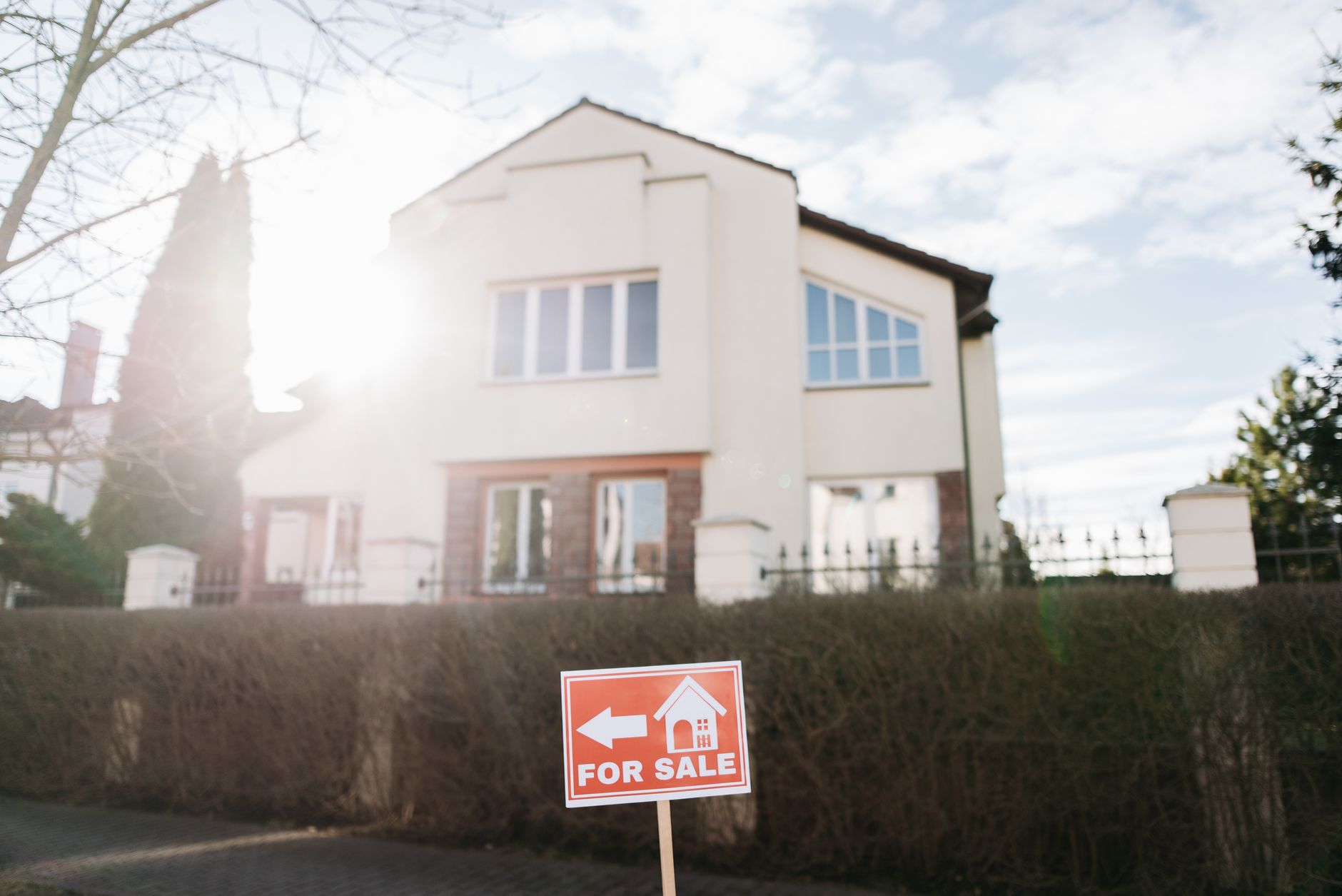
"Is now the right time to sell?" My name is Nathan Fumal, CEO of KiliCasa. I cover timing the South Africa property market 2026 for sellers and investors.
Introduction
Deciding when to sell a property is never purely emotional — it’s strategic. In 2026 the South Africa property market sits at the intersection of interest-rate normalization, shifting buyer demand, and regional performance gaps. This article explains indicators, timing tactics, and practical steps to decide whether to list now or wait.
2026 Market Snapshot: Where things stand
After a period of elevated interest rates and tightened lending (SARB-focused monetary policy in 2022–2024), 2026 is showing signs of cautious recovery. The South African Reserve Bank (SARB) has signalled a gradual easing cycle in response to moderating inflation, but base rates remain above the ultra-low levels seen earlier in the decade. Lower nominal price inflation and a growing gap between prime metro zones (Cape Town, Sandton) and secondary markets define the current landscape.
Housing stock movement varies: premium coastal suburbs (Clifton, Camps Bay, Constantia) continue to attract foreign and high-net-worth buyers, while entry-level demand in commuter belt towns is price-sensitive. Typical asking-price ranges in 2026 remain: 1-bed apartments in Cape Town R 1,200,000 (~USD 65,000), 3-bed family homes in popular suburbs R 3,500,000 (~USD 189,000), and premium estates in Constantia R 15,000,000+ (~USD 810,000).
Interest rates (SARB) and how they shape selling decisions
Interest rates directly influence mortgage affordability and therefore buyer demand. When SARB keeps the repo rate elevated, bond repayments climb and days on market (DOM) tend to lengthen. Conversely, each reduction in the SARB repo rate can unlock additional buyer capacity, improve loan approvals at banks like FNB and ooba, and shorten DOM across many segments.
For sellers: monitor SARB communications and the repo rate outlook. If signals point to a sustained easing trend over the next 6–12 months, waiting for one or two rate cuts could increase your buyer pool and potentially lift final sale prices. However, if your sale is triggered by personal timelines (relocation, divorce, cash needs), plan mitigation: price competitively, pre-approve buyers’ finance and accept earnest offers contingent on realistic bond approval timelines.
Buyer demand South Africa: who’s active in 2026?
Buyer demand in 2026 is segmented. Key active buyers include:
- Upgrade buyers in suburbs where capital growth persisted (Rosebank, Melrose Arch), trading up from apartments to small houses.
- Investors seeking rental yields in university towns and coastal holiday locations — pricing and yield balance is critical.
- Emigrants and returning residents buying in premium suburbs with foreign capital, often cash purchases that shorten time to transfer.
Days on market (DOM) metrics differ by price band: prime suburbs may see DOM of 30–60 days, mid-market properties 60–120 days, and value-sensitive segments longer. Use local estate agent data, Lightstone or FNB reports to benchmark your suburb’s DOM before listing.
Regional nuance: not all markets move together
South Africa’s market is local. In 2026:
- Cape Town mainland and Atlantic Seaboard maintain premium pricing due to limited supply and strong international interest.
- Gauteng’s Sandton/Rosebank pockets perform well for corporate relocations and high-income buyers but face competition from new developments in the outskirts.
- Secondary towns and some former mining towns show slower recovery; price sensitivity and longer DOM are common here.
Before deciding to sell, compare recent sales in your sectional title or freehold area — transfer records and recent OTPs (Offers to Purchase) are critical. Conveyancer turnaround times and municipal rates/levies also differ by municipality and can affect net proceeds and timing.
Key indicators to decide: sell now or wait?
Use these signals to guide timing:
- Interest-rate trajectory: pending SARB cuts favour waiting 3–9 months; rising rates suggest listing promptly.
- Local inventory and DOM trends: if listings fall and DOM shortens, it’s a seller’s market.
- Comparable sale prices: sustained premium sales above asking price indicate momentum.
- Personal drivers: tax events, estate planning, relocation, or needing cash can override market timing advantages.
Also factor in carrying costs — bond repayments, rates, levies, maintenance — which can outweigh modest market gains from delaying a sale.
Pricing strategy and transaction costs
Pricing is the single most important lever. Overpricing extends DOM and breeds low-ball offers; underpricing risks leaving money on the table. Leverage a professional valuation or a competitive CMA (comparative market analysis) from local EAs. Include realistic allowances for transfer duty (if applicable), agent commission, conveyancer fees and any required repairs. Typical seller costs (examples): agent commission ~5–7% + VAT, transfer and conveyancing fees variable; consult a conveyancer for accurate estimates.
Practical selling plan for 2026
If you decide to sell now, follow a disciplined plan:
- Stage and repair: Cosmetic fixes and neutral staging reduce DOM and support asking price.
- Timing: List when buyer activity is highest in your suburb — often mid-week online launches followed by weekend viewings work best.
- Pre-qualify buyers: Request pre-approved finance letters to avoid wasted showings.
- Flexible negotiation: Consider incentives like a quick occupation date, including certain fixtures, or offering to cover some transfer costs to speed the deal.
When waiting makes sense
Wait if your local market shows tightening supply and early signs of rate cuts, or if your property needs upgrades that would materially boost value. Waiting 6–12 months can be appropriate if the cost of carry is low relative to potential price appreciation expected from easing rates or seasonal demand.
Actionable Tips & Key Strategies
- Monitor SARB updates weekly and local DOM monthly; set clear sell-or-wait thresholds tied to repo-rate moves and 3-month DOM trends.
- Get a professional valuation and three agent appraisals; choose the agent with a strong online marketing plan and local sales track record.
- Prepare a 90-day pre-sale checklist: documentation (title deed, compliance certificates), FICA-ready ID and proof of ownership, and a maintenance budget.
- Price to market with a 3–5% negotiation buffer; offer incentives for cash or pre-approved buyers to reduce bond risk.
Role of KiliCasa
KiliCasa helps sellers and investors navigate timing and administrative complexity with tools that streamline listing, FICA documentation, and matching with qualified buyers. Our portal shortens administrative timelines by centralising documents, automating workflows for OTPs, and improving visibility with targeted marketing. For landlords and investors, KiliCasa integrates property management features that reduce vacancy periods and improve tenant matching — a practical advantage when deciding whether to sell or retain a rental asset.
Conclusion
Is now a good time to sell in the South Africa property market 2026? The answer is: it depends. If SARB easing, local inventory dynamics, and your personal timeline align, waiting a few months could improve outcomes. If rates risk rising or your circumstances demand liquidity, a well-priced, well-marketed sale can capture motivated buyers even in a cautious market. Use data — DOM, local comparables, buyer-pre-approval rates — and a disciplined plan to decide. When in doubt, consult experienced agents and technology-enabled platforms like KiliCasa to speed the process and reduce risk. KiliCasa, because everyone deserves a place.
Frequently Asked Questions
How do interest-rate changes affect my sale?
Repo-rate cuts from SARB typically increase buyer affordability and reduce days on market. If cuts are expected within 3–6 months and you can carry costs, waiting often improves sale outcomes.
What is a realistic days on market (DOM) to expect in 2026?
DOM varies widely: prime suburbs 30–60 days, mid-market 60–120 days, and value-sensitive areas longer. Check local estate agent data and Lightstone reports for suburb-specific figures.
Should I fix my property before selling?
Yes — small cosmetic repairs and staging usually offer the best ROI. Prioritise essential maintenance, paint, and decluttering to attract buyers and shorten negotiation cycles.
How can KiliCasa help me time and sell my property?
KiliCasa centralises paperwork, improves buyer-seller matching, and speeds administrative steps like OTPs and FICA compliance, reducing time to offer and transfer.
Discover KiliCasa, your real estate partner in South Africa
Photo by Pavel Danilyuk on Pexels