Johannesburg Property Market 2026: Guide for Buyers & Investors

"Is Johannesburg still a smart buy in 2026?" A concise, practical guide to the Johannesburg property market for buyers and investors navigating house prices and forecasts.
Introduction
"Is Johannesburg still a smart buy in 2026?" This question captures what many local and international investors ask as house prices Johannesburg shift, interest rates normalise and urban dynamics change. Understanding the city's micro-markets, financing mechanisms (bond, transfer duty), and forecasts for South Africa is essential to buy property in Johannesburg confidently.
Summary of the 2026 Market: Where Johannesburg Stands Today
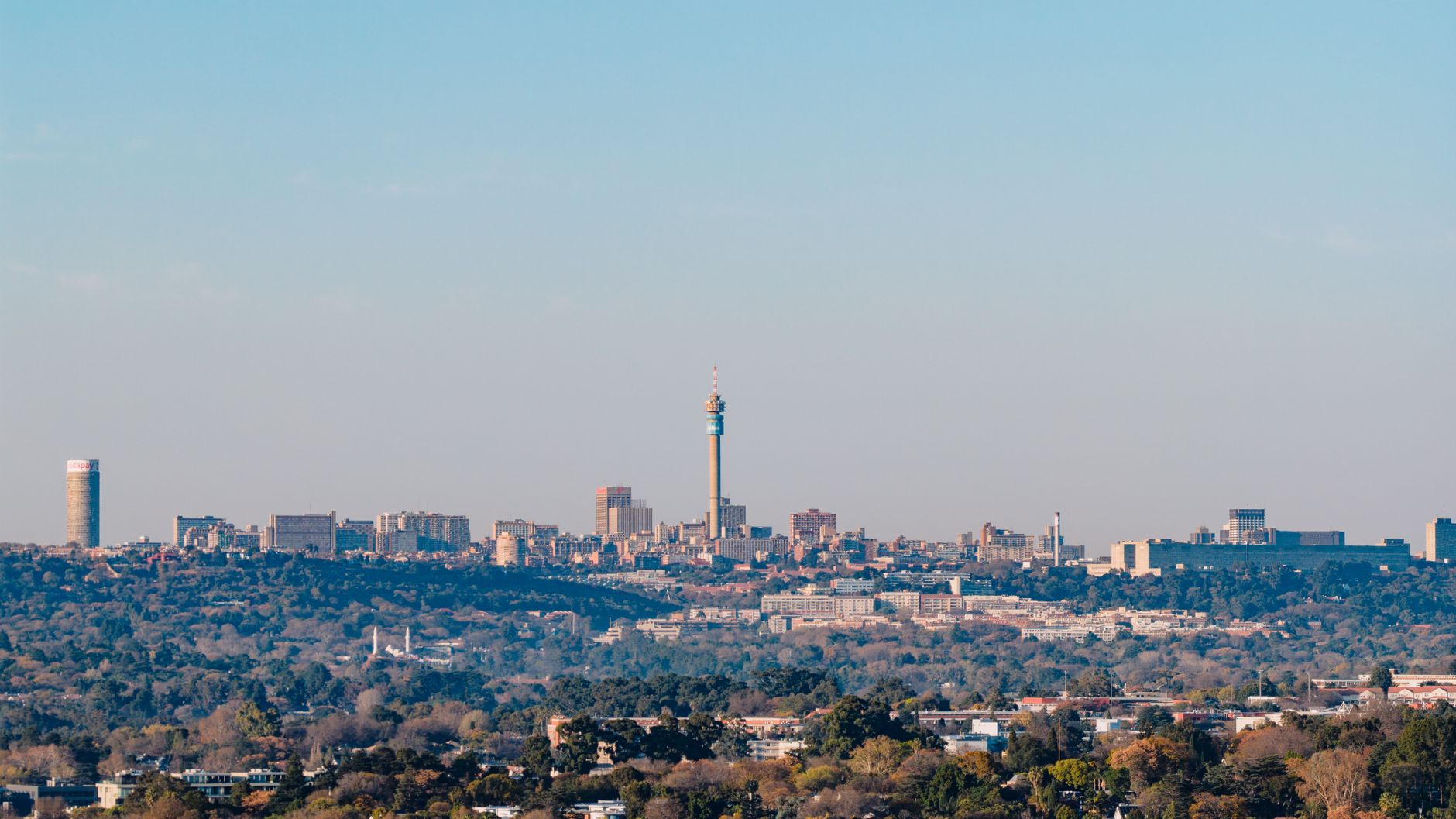
By 2026 the Johannesburg property market shows a mixed recovery: central business districts and well-located suburbs outperform peripheral locations. Demand is strong in Sandton, Rosebank and selected nodes in the northern suburbs where employment density, lifestyle nodes and security converge. Meanwhile, affordability pressures and slow economic growth have kept price growth moderate compared to the 2010s boom.
Key drivers shaping 2026:
- Interest rate cycle and mortgage bond availability: lenders like ooba and BetterBond remain selective, affecting qualifying amounts and deposit requirements.
- Urban migration and work patterns: hybrid work models push demand to amenity-rich suburbs and lifestyle precincts like Melrose Arch and Parkhurst.
- Infrastructure and municipal performance: reliable rates, service delivery and safety influence investor decisions; buyers avoid areas with erratic municipal services and rising arrears.
- Foreign and domestic investor appetite: international investors seek exposure to Johannesburg at lower entry prices than primary global cities, while local investors hunt for yield in well-located rentals.
Price Trends & Data: House Prices Johannesburg
Recent property reports from FNB, Lightstone and PropStats indicate house price growth is modest but steady. Average national price inflation has moderated; however Johannesburg's premium suburbs see stronger performance. Typical price ranges in 2026:
- One-bedroom apartment (city fringe): R 850,000 (~USD 44,700) — R 1,500,000 (~USD 79,000).
- Three-bedroom family home (northern suburbs): R 3,000,000 (~USD 158,000) — R 8,500,000 (~USD 448,000).
- Premium estates (Constantia-equivalent style suburbs in Joburg like Hyde Park/Bryanston): R 12,000,000 (~USD 633,000)+.
House prices Johannesburg vary significantly by node. For example, a well-located three-bed in Sandton could command R 5,500,000 (~USD 290,000), while a comparable house in a peripheral township or exurban suburb might list for R 1,200,000 (~USD 63,000).
Suburban Winners and Micro-Markets to Watch
Not all Johannesburg neighborhoods move together. Micro-market selection is a key determinant of future capital growth and rental yield.
High-demand investment nodes
- Sandton & Morningside: corporate HQs, international appeal, strong rental demand from executives.
- Rosebank & Melrose Arch: mixed-use precincts with retail, offices and lifestyle offerings—good for short-to-medium term capital growth and Airbnb-style rentals (subject to municipal rules).
- Fourways & Bryanston: family-oriented with established schools and security estates drawing long-term homeowners.
- Maboneng & Newtown (central regeneration zones): niche for refurbishment projects and younger renters; higher risk, higher reward.
Stabilising and value-growth pockets
Suburbs such as Parkhurst, Linden and Greenside combine accessibility and lifestyle, keeping steady demand and resilient house price performance despite market fluctuations. These areas often present balance between capital growth and rental yield.
Rental Market & Yield: What Investors Should Know
Rental demand in Johannesburg remains healthy, supported by a large working-age population and migration to the city for employment. Key observations for investors:
- Yield variance: inner-city apartments may show gross yields between 5%–8%, while suburban family homes often yield 4%–6% depending on purchase price and maintenance costs.
- Student and young-professional demand: areas near universities and transport corridors attract steady tenancy cycles—useful for shorter vacancy periods.
- Service and levies: sectional title levies and estate fees can significantly impact net returns; always factor levies, rates, insurance and municipal charges when calculating yield.
Financing, Taxes and Transaction Mechanics in 2026
Buyers must navigate bond approval, transfer duty, FICA and conveyancing. Common steps and considerations:
- Pre-approval for a bond: secure a mortgage pre-approval from banks or mortgage originators (ooba, BetterBond) to gauge affordability. Lenders look at debt-to-income ratios and employment stability.
- Deposit requirements: while 10% remains common, some lenders require 20% for higher-risk applicants or non-residents.
- Transfer duty & taxes: transfer duty thresholds are adjusted periodically—confirm current rates and thresholds with your conveyancer before signing an OTP (Offer to Purchase).
- FICA and POPIA: expect strict identity verification and documentation for money-laundering prevention; foreign buyers must provide proof of funds and comply with SARB rules on capital flows.
- Conveyancer role: choose an experienced conveyancer for title searches, bond registrations, and transfer—this reduces delays at the Deeds Office.
Risks and Headwinds for 2026
Every market has risks. In Johannesburg, these include:
- Municipal risk: unreliable services, rising municipal debt, and poor infrastructure can depress neighbourhood values faster than macroeconomic recovery can restore them.
- Interest rate volatility: sudden SARB policy shifts will affect bond repayments and buyer affordability.
- Security and perception: crime rates remain a major consideration; improvements in security can materially increase desirability.
- Economic growth: national GDP sluggishness limits wage growth and purchasing power—keep investment horizons medium to long term (5–10 years).
Property Market Forecast South Africa (Johannesburg Focus)
Looking ahead 12–36 months, realistic forecasts for Johannesburg incorporate moderate capital growth with pockets of outperformance. Scenario guidance:
- Base case: 3%–6% nominal annual price growth in core nodes as employment levels stabilise and mortgage costs normalise.
- Upside: 7%+ growth in well-located nodes with strong rental demand and infrastructure investment (new transport links, precinct upgrades).
- Downside: flat-to-negative growth in areas with weak municipal services or over-supply, especially if interest rates spike unexpectedly.
Use data sources such as the FNB Property Report and Lightstone trends to refine forecasts; always stress-test purchases for interest shocks and vacancy scenarios.
How to Buy Property in Johannesburg: A Tactical Checklist
Buying in Johannesburg requires local knowledge and a disciplined process. Tactical steps:
- Define your objective: capital growth, rental yield, renovation flip, owner-occupier lifestyle.
- Choose the right node: match your objective to micro-market dynamics (e.g., student rentals vs family suburbs).
- Get finance-ready: pre-approval, deposit savings, proof of funds and understanding transfer duty thresholds.
- Due diligence: rates and taxes record, levies, title deed clarity, building inspections and zoning checks.
- Negotiate smart: use market comparables, recent sales and days-on-market as leverage; consider conditional OTP clauses for finance and inspection.
Practical Example: Buying a Rental Property in Rosebank
Imagine buying a two-bedroom sectional title apartment in Rosebank for R 2,200,000 (~USD 116,000). Steps and financial assumptions:
- Deposit: 10% = R 220,000 (~USD 11,600).
- Bond registration and transfer costs: approx. 4%–6% of purchase price for fees and transfer duty (confirm current schedules).
- Expected gross rent: R 16,000 (~USD 844) per month; gross yield ~8.7% before levies and taxes.
- Net yield after 25% costs (levies, rates, maintenance) = ~6.5%; capital growth prospects tied to Rosebank's continued office and retail demand.
Actionable Tips and Key Strategies
- Focus on micro-markets, not the city as a whole—select suburbs with jobs, schools and amenities.
- Always get a bond pre-approval and budget for unexpected transaction costs (conveyancing, transfer duty, rates clearance).
- Use conservative yield and growth assumptions — build a stress scenario with +2% interest rate to test cashflow.
- Avoid properties with unresolved municipal issues, title disputes or unapproved alterations—these are common deal-breakers in Johannesburg.
- Partner with local experts: a conveyancer experienced with Deeds Office delays, a reliable estate agent, and KILICASA’s tools for admin and matching can speed execution.
Role of KILICASA
KILICASA simplifies administrative work and improves property matching with tools designed for South African buyers and investors. Our platform helps filter listings by transfer-ready status, levy and rates history, and neighbourhood analytics—reducing time spent on non-viable leads. KILICASA also assists in connecting buyers with verified agents, conveyancers and bond originators to streamline OTPs and transfers. Visit KILICASA to find vetted listings and administrative support: kilicasa.co.za.
Conclusion
Johannesburg in 2026 offers selective opportunity: not a uniform boom, but a set of micro-markets where location, amenities and municipal performance drive value. Buyers and investors who combine rigorous due diligence, conservative financial modelling and node-specific knowledge will find the best outcomes. Whether hunting for rental yield in Rosebank, capital growth in Sandton, or value buys in re-development precincts, plan for a multi-year horizon and factor in interest-rate volatility, transfer costs and levy impacts. Use data from FNB, Lightstone and local conveyancers to validate assumptions and lean on platforms like KILICASA to reduce administrative friction.
KILICASA, because everyone deserves a place.
Frequently Asked Questions
Is now a good time to buy property in Johannesburg?
For disciplined investors with a 5–10 year horizon, yes—provided you buy in the right node. Focus on areas with job density, reliable services and rental demand. Secure finance pre-approval and stress-test for higher interest rates.
How are house prices Johannesburg expected to perform in 2026–2027?
Moderate growth is the base case: 3%–6% annually in core suburbs, with higher returns in precincts receiving infrastructure upgrades. Always use multiple data sources (FNB, Lightstone) and factor municipal risks.
What are the biggest costs when buying in Johannesburg?
Deposit and bond initiation, transfer duty, conveyancing fees, municipal clearance certificates, and ongoing levies/rates. Budget an extra 4%–6% of purchase price for transaction costs beyond the deposit.
How can KILICASA help me buy or invest?
KILICASA streamlines admin and matching—helping you find transfer-ready listings, verify levy/rates history and connect with vetted professionals to reduce transaction time and risk.
Discover KILICASA, your real estate partner in South Africa
Photo by Ministar Samuel on Pexels