Living in Sandton: Pros and Cons for Buyers & Investors


"Can Sandton give you the lifestyle and returns you want?" Discover the pros and cons of living in Sandton for buyers and investors.
Introduction
Is Sandton the right location for your home or investment? This cosmopolitan node in Johannesburg balances premium amenities, strong capital concentrations and high demand — but it also brings cost, congestion and market nuances that matter to buyers and investors. Understanding Sandton's advantages and trade-offs helps you make smarter, safer decisions in the South African property market.
Why Sandton attracts buyers and investors
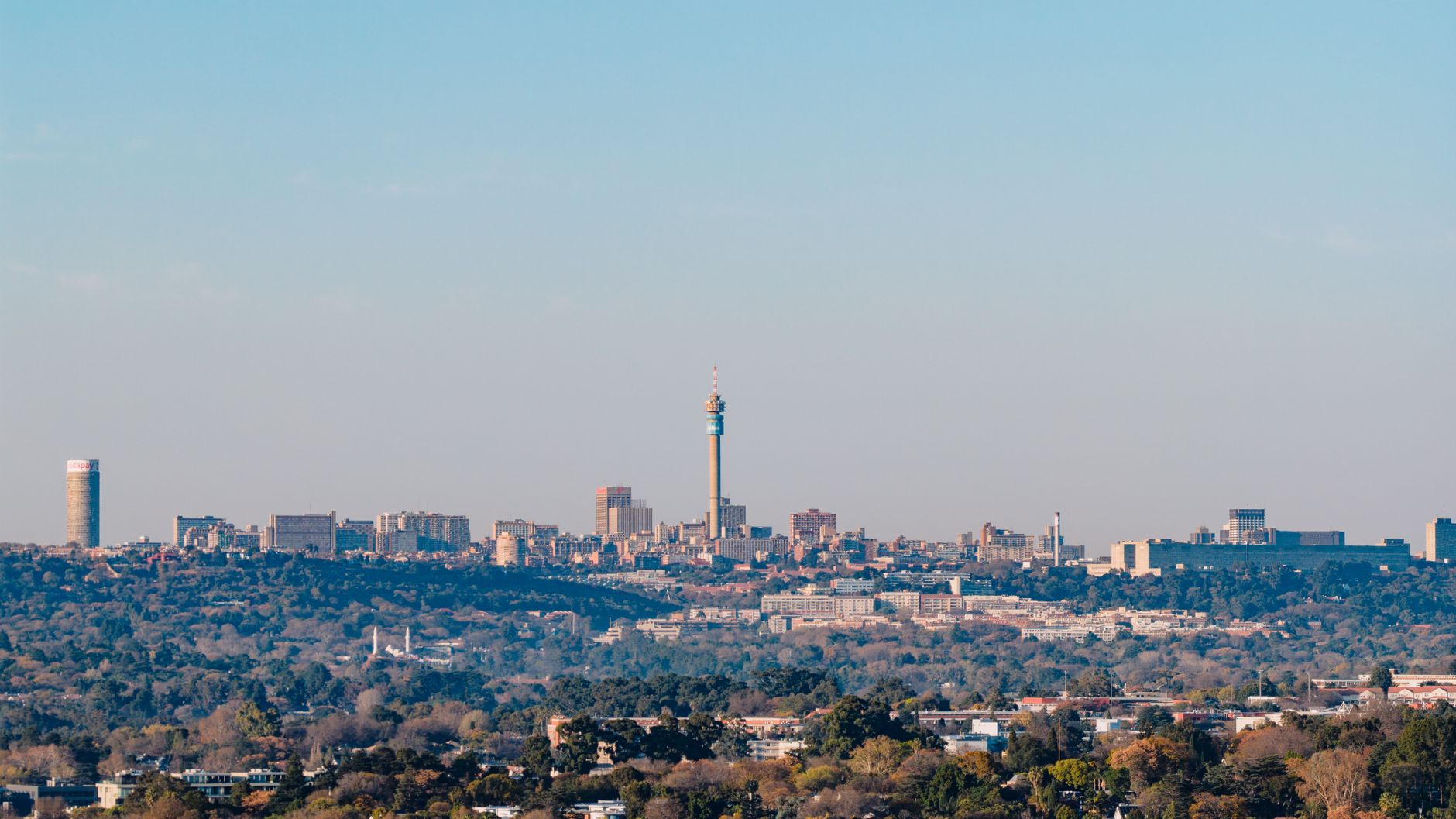
Sandton is South Africa’s financial and commercial hub outside the CBD. Home to Johannesburg Stock Exchange-related businesses, international law firms, boutique hotels and major shopping centres (Sandton City, Nelson Mandela Square), it draws professionals, expatriates and high-net-worth residents. Proximity to OR Tambo International Airport, major highways (M1, N3), and excellent private schools makes Sandton a top choice for people prioritising convenience, connectivity and lifestyle.
Pros of living in Sandton
Location & connectivity
Sandton’s central location in Johannesburg means short commutes to major business nodes and direct access to highways and Gautrain stations. The Gautrain Sandton Station dramatically improves public transport options for commuters working in Sandton, Pretoria or the airport.
Strong rental demand and capital appreciation
High demand from corporate tenants and expats supports healthy rental yields, especially in secure complexes and apartments near the Sandton CBD. According to local market reports (FNB, Lightstone), well-located apartments and townhouses typically show steady capital growth relative to many other suburban markets in Gauteng.
Amenities & lifestyle
Sandton offers world-class shopping, fine dining, gyms, international schools (e.g., Crawford International, St David’s Marist), medical facilities and business services. For many buyers, “walk-to-work” or short commutes to offices are decisive quality-of-life advantages that also support resale value.
Security infrastructure
Security is a selling point: estates, sectional-title complexes with controlled access, private security providers and integrated neighbourhood watches are common. Many owners feel safer here than in older urban suburbs, which helps attract expatriates and corporate tenants looking for secure accommodation.
Variety of property types
From sectional-title apartments (one-bedroom units can range roughly R 1,200,000–R 2,000,000 (~USD 63,000–105,000)) to luxury freehold homes in adjacent Bryanston and Hyde Park (R 6,000,000–R 20,000,000+ (~USD 316,000–1,050,000+)), Sandton suits varied investor profiles.
Cons of living in Sandton
High cost of living and property prices
Sandton commands a price premium. Purchase prices, monthly levies, rates and taxes are higher than many Johannesburg suburbs. For buyers on a budget, neighbouring areas like Midrand or Randburg may offer better entry prices.
Traffic and congestion
Despite good road links, peak-hour congestion around Sandton Circle, Rivonia Road and William Nicol Drive is a practical downside. Drive times can be unpredictable and affect tenant satisfaction if property is marketed on convenience to workplaces.
Levies, rates and maintenance
Extra security and amenity offerings come with higher monthly levies in sectional title complexes and estate fees in gated communities. Investors must model these recurring costs alongside bond repayments and rates. Remember transfer duty and bond costs at purchase, and FICA checks at offer stage (OTP).
Perceptions and safety realities
While security infrastructure is strong, Sandton is not immune to crime; opportunistic incidents can occur, particularly in parking areas, informal trading sites and along arterial roads. Investors should assess estate management, CCTV coverage and security patrol contracts before buying.
Market sensitivity
Sandton’s high-end segment is more sensitive to economic cycles and corporate tenancy changes. A downturn in business confidence can impact premium office demand and, by extension, some rental segments (especially luxury short-term lets and serviced apartments).
Sandton expat life — what to expect
Expatriates often choose Sandton for international schools, private healthcare and social infrastructure. Serviced apartments and secure complexes with concierge services appeal to rotational professionals. However, expats should factor in living costs: international schooling fees, private medical aid and imported lifestyle expenses quickly increase the monthly budget.
Who should consider Sandton?
Sandton is ideal for:
- Corporate professionals and executives seeking short commutes and premium amenities;
- Investors targeting stable, high-demand rental stock close to business hubs;
- Families prioritising international schools and medical facilities;
- Buyers wanting long-term capital appreciation in Johannesburg’s financial node.
It is less suitable for buyers on a tight budget, investors needing low-maintenance, low-levy properties, or owners who prioritise large garden properties at lower prices (these are more affordable further north in suburbs like Midrand and Kyalami).
Practical factors to evaluate before buying in Sandton
Before making an Offer to Purchase (OTP), test these variables:
- Monthly levies, rates and utility averages — model total ownership cost;
- Security contracts and estate management KPIs — who responds to incidents and at what cost?;
- Transport and parking provisions for tenants and visitors;
- Rental demand data and comparable yields (check Lightstone, FNB rental reports);
- Potential for capital growth vs. cyclical risk — review recent sales data and vacancy trends.
Actionable Tips & Key Strategies
- Prioritise location within Sandton: proximity to Gautrain and Sandton CBD generally commands better rental and resale premiums.
- Run a true cashflow model: include levies, rates, security fees, maintenance and vacancy allowance (5–10%).
- Inspect security systems and estate governance documents; obtain minutes of recent body corporate meetings to spot recurring issues.
- Negotiate pre-sales: sellers often respond to offers with quick bond and transfer timelines; use a conveyancer experienced in Sandton transactions.
- Consider mixed-use developments for diversification: apartments near offices often lease quickly to corporate tenants.
Role of KILICASA
KILICASA helps simplify the administrative and matching side of property transactions in Sandton. Our platform connects buyers, sellers and landlords with verified listings, automated document handling and local market insights that reduce friction during offers, bond applications and conveyancing. For investors, KILICASA’s tools make it easier to compare levies, location attributes and matching tenant profiles so you find the right property faster and with greater transparency. Explore tailored listings and administrative automation at KILICASA.
Conclusion
Living in Sandton delivers a dynamic urban lifestyle, superior amenities and strong rental demand — attractive to buyers, expats and investors seeking quality and convenience. But the premium comes with higher costs, congestion and market sensitivity. Balance decisive location advantages with careful financial modelling: review levies, security, transport links and vacancy assumptions before buying. With thorough due diligence and the right local partner, Sandton can be a rewarding place to live and invest. KILICASA, because everyone deserves a place.
Frequently Asked Questions
Is Sandton safe for families and expats?
Generally yes — many estates and complexes have robust security. However, safety varies by complex and street; verify security contracts, CCTV coverage, and community crime statistics before committing.
What are typical property entry prices in Sandton?
Entry-level one-bedroom apartments are often around R 1,200,000–R 2,000,000 (~USD 63,000–105,000). Townhouses and family homes in adjacent suburbs range from R 3,000,000 (~USD 158,000) upward; luxury homes exceed R 6,000,000 (~USD 316,000).
Discover KILICASA, your real estate partner in South Africa
Photo by Ministar Samuel on Pexels