
Logistics Property South Africa 2026: Invest in the 2026 Boom

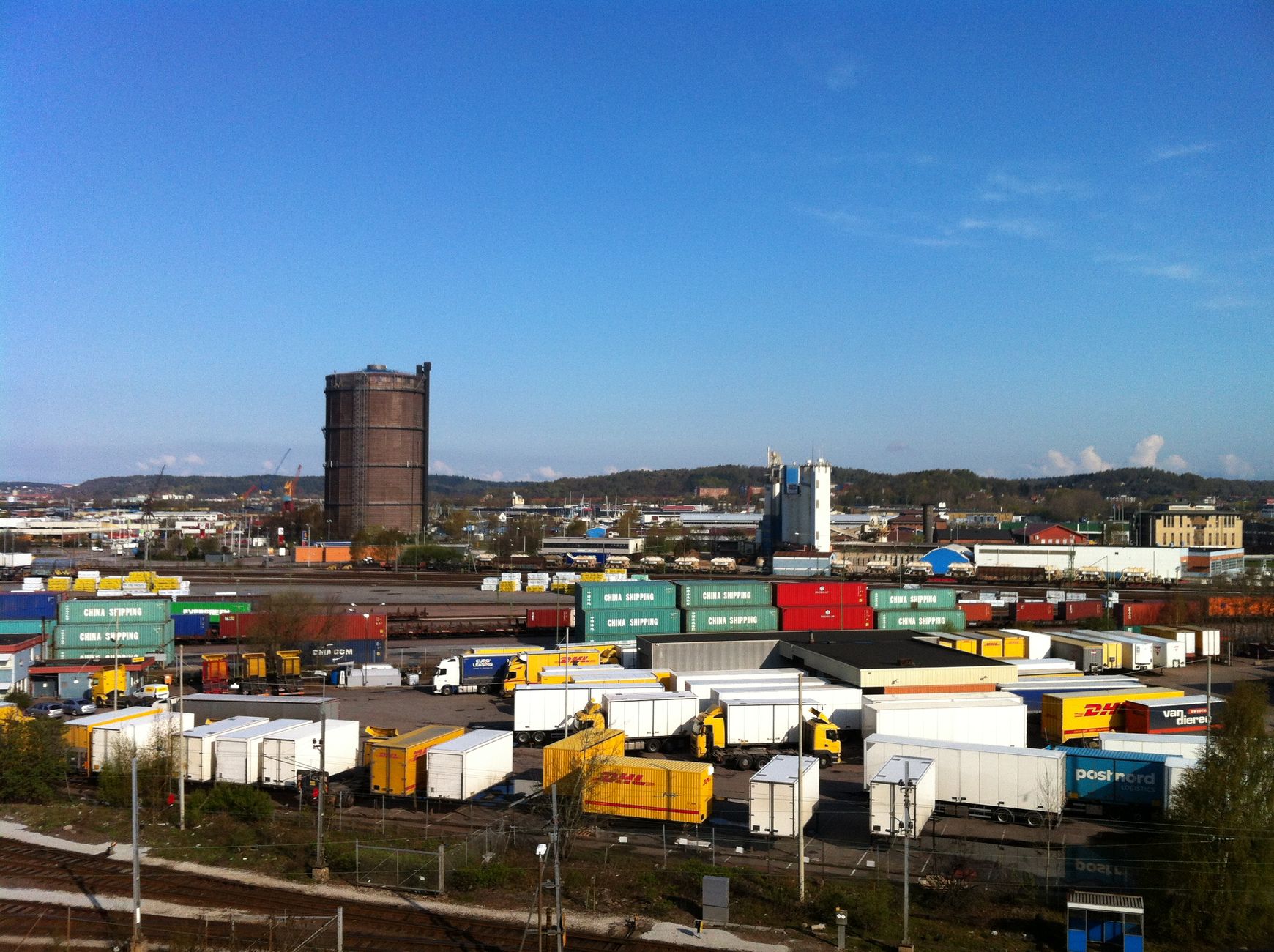
“Ready for a 2026 logistics boom?” My name is Nathan Fumal, CEO of KILICASA, and I cover industrial property investment amid South Africa’s 2026 logistics surge.
Introduction
“How will the 2026 logistics boom reshape industrial real estate in South Africa?” My name is Nathan Fumal, I am the CEO of KILICASA, and in this article I cover the drivers, returns, risks and practical steps for investors seeking logistics property South Africa 2026. This matters because supply-chain shifts, e-commerce growth and infrastructure upgrades are concentrating value in industrial land and warehouses across Gauteng, the N3 corridor and coastal hubs.
Why 2026 is a Turning Point for Industrial Real Estate in SA
Macro and micro forces have converged: accelerated e-commerce penetration, nearshoring trends, public and private investment in port and road upgrades, and a structural re-rating of logistics assets as strategic infrastructure rather than simple storage. In 2026, these dynamics crystallise into higher occupier demand and tighter vacancies in core logistics corridors — directly influencing industrial real estate yields SA.
Key drivers include:
- E-commerce warehousing SA: online retail continues to expand market share after pandemic-era acceleration. Retailers and 3PLs require modern, temperature-controlled and last-mile nodes close to population centres.
- N3 corridor logistics: the N3 (Durban–Johannesburg) remains South Africa’s busiest freight artery. Upgraded interchanges and truck parks reduce transit costs and attract speculative development along logistics nodes like Pinetown, Hammarsdale, and Van Reenen.
- Port & rail upgrades: investment in Durban and Richards Bay terminals, together with private logistics terminals, support larger distribution hubs and container parks near ports and inland terminals.
- Supply chain reconfiguration: manufacturers and importers shifting inventory strategies (just-in-case + regional warehouses) increase demand for cross-dock and medium-term storage facilities.
Market Snapshot: Where Value Is Being Created
2026 is offering differentiated pockets of opportunity:
Gauteng — Core Distribution and Last-Mile
Gauteng remains the primary logistics market. Demand for large-format “big-box” warehouses in Elandsfontein, Spartan and Rosslyn continues, while last-mile sites near Sandton, Midrand and Germiston command premiums. Typical big-box rents for prime facilities now range between R 60–120/sqm/month (~USD 3–6.5), with prime yield compression to roughly 6%–7% in top nodes. Secondary corridors can still offer yields of 8%–10%.
N3 Corridor — The Strategic Freight Spine
The N3 corridor linking Durban to Johannesburg is crucial for national freight flows. Upgrades to weighbridges, truck stops and logistics parks create investment opportunities in Pinetown, Mooi River and Harrismith. Investors targeting the N3 corridor logistics should prioritise sites with direct highway access, sufficient yard space for truck marshalling, and proximity to inland terminals.
Cape Town & Western Cape — Port-Linked and Cold Chain
Cape Town’s port activity and horticultural exports increase demand for reefer storage and cold-chain logistics. E-commerce warehousing SA in the Western Cape is also rising as retailers seek redundancy and shorter delivery windows to coastal consumers.
Returns and Yield Dynamics: What Investors Should Expect
Industrial real estate yields SA have compressed over the past five years as institutional capital flows into logistics. By 2026 expect:
- Prime logistics yields: 5.5%–7% in core nodes (Durban port precinct, prime Gauteng estates)
- Secondary yields: 7.5%–10% for older stock or less accessible sites
- Value-add opportunities: refurbishment, mechanisation (racking, automation) and lease restructuring can materially increase rental income and net operating income (NOI)
Yield drivers are rental growth, vacancy management and capex efficiency. Investors should model both headline and net effective yields after management fees, rates, levies and necessary upgrades.
Asset Types and Investment Strategies
1. Big-Box Warehouses
Best for national distribution. Requires higher capital but attracts long-term leases with large retailers and 3PLs. Look for clear height >10m, heavy-duty loading bays and expansive hardstand for trucks.
2. Last-Mile & Urban Logistics
Smaller footprints close to population centres. Higher rent per sqm but operational challenges such as municipal access, POPIA/FICA for tenants and traffic management.
3. Cold Storage & Temperature-Controlled Facilities
Growing with food exports and grocery e-commerce. Higher capex and operating costs, but premiums on rent and longer lease terms can justify the investment.
4. Multi-Tenant Small Units
Good for diversifying income, catering to SMEs and online sellers. Requires active management and more intensive lease administration.
Due Diligence: South Africa–Specific Risks and Checks
Industrial property in SA carries specific operational and compliance risks. Thorough due diligence should include:
- Title & zoning checks: confirm industrial zoning, servitudes, and municipal planning restrictions with the conveyancer.
- Rates & utilities: verify municipal arrears, electricity supply reliability (load-shedding impact) and water availability.
- Environmental: contamination, stormwater management and waste disposal compliance, particularly near ports and manufacturing zones.
- Transport & access: realistic truck access, weighbridge proximity and peak-hour congestion on the N3 or urban distributors.
- Tenant covenant strength: credit checks and turnover-based rent clauses. Use FNB, Lightstone and market references to assess tenant default risk.
- Regulatory compliance: FICA verification for leases and POPIA for tenant/customer data. Ensure occupational health & safety (OHS) and fire compliance for racking and cold rooms.
Financing, Tax and Exit Considerations
Debt markets in 2026 are more selective; lenders look for strong covenants, experienced asset managers and pre-leased projects. Typical financing elements:
- Bonds and commercial property loans — expect loan-to-value (LTV) of 60%–70% for institutional-grade assets.
- Transfer duty applies on property purchases for non-bonded portions if applicable; consult a conveyancer for current thresholds and exemptions.
- Income tax on rental income and capital gains tax (CGT) on sale. Structure investments tax-efficiently — through companies or REITs depending on strategy.
- Exit liquidity: sell to institutional funds, developers or cross-border investors. Location and modernisation increase exit attractiveness.
Practical Example: N3 Corridor Investment Case
Consider an acquisition of a 10,000 sqm logistics park near Pinetown with 8.5m clear height, 50% yard, and multi-tenant occupancy. At a purchase price of R 45,000,000 (~USD 2,350,000) and a blended rental of R 75/sqm/month (~USD 3.9), annual gross income would be R 9,000,000 (~USD 470,000). After operating costs, servicing debt and a light refurbishment to introduce mechanised loading bays, investors can target a stabilized yield of 7%–8% and capital appreciation as vacancy tightens along the N3 corridor.
Industrial Property Management: Operational Best Practices
Active management is essential to protect yields in 2026:
- Implement predictive maintenance and energy-efficiency upgrades to mitigate load-shedding costs and improve NOI.
- Use KPI-driven leasing with staggered expiries to avoid lease concentration risk.
- Digitise tenant administration, lease portfolios and compliance docs to reduce administrative friction and speed up decision-making.
Actionable Tips & Key Strategies
- Focus on location: prioritise proximity to ports, intermodal terminals and major highways (N3, N1, N2).
- Seek long-term, triple-net leases with inflation-linked escalations to protect cash flows.
- Budget for fit-out and cold-chain capex — these add value and attract premium tenants.
- Negotiate tenant break options carefully; secure minimum notice periods and compensation clauses.
- Partner with reputable local operators for property management and compliance (FICA, POPIA) to reduce operational risk.
Role of KILICASA
KILICASA simplifies the administrative and matching challenges investors face when entering the South African industrial market. Our platform accelerates tenant-landlord matching, centralises lease documentation, and digitises compliance checks such as FICA and tenant onboarding. For investors targeting N3 corridor logistics or e-commerce warehousing SA, KILICASA helps shortlist suitable assets, manage offers (OTP) and coordinate with conveyancers and property managers to close deals faster and with fewer errors. Visit KILICASA to explore listings and tools designed for industrial property investors.
Conclusion
2026 presents a clear opportunity for investors ready to capitalise on South Africa’s logistics boom. E-commerce growth, infrastructure upgrades and strategic reconfiguration of supply chains are creating sustained demand for modern logistics space across Gauteng, the N3 corridor and coastal hubs. Success depends on rigorous due diligence, location-focused asset selection, and active management to protect yields and manage operational risk. Institutional and private investors who prioritise modern facilities, long-term tenants and efficient capex will be best positioned to benefit from compressed yields and capital appreciation.
KILICASA, because everyone deserves a place.
Frequently Asked Questions
1. What yields can I realistically expect from logistics property in South Africa in 2026?
Prime logistics yields in core nodes are approximately 5.5%–7% in 2026; secondary locations can yield 7.5%–10%. Final returns depend on rent escalation, vacancy management and capex efficiency.
2. Is the N3 corridor still a safe bet for logistics investment?
Yes. The N3 corridor remains critical for freight between Durban and Johannesburg. Investments in truck infrastructure and inland terminals enhance long-term fundamentals; prioritise sites with direct highway access and truck marshalling capacity.
3. How can I manage load-shedding and other operational risks in warehouses?
Mitigate by investing in backup generation, solar hybrid solutions and energy-efficient lighting/HVAC. Include service-level agreements in leases to share costs with tenants where appropriate.
Discover KILICASA, your real estate partner in South Africa
Photo by Sofia Akemi on Pexels

