Luxury Property South Africa: Cape Town to Sandton Trends

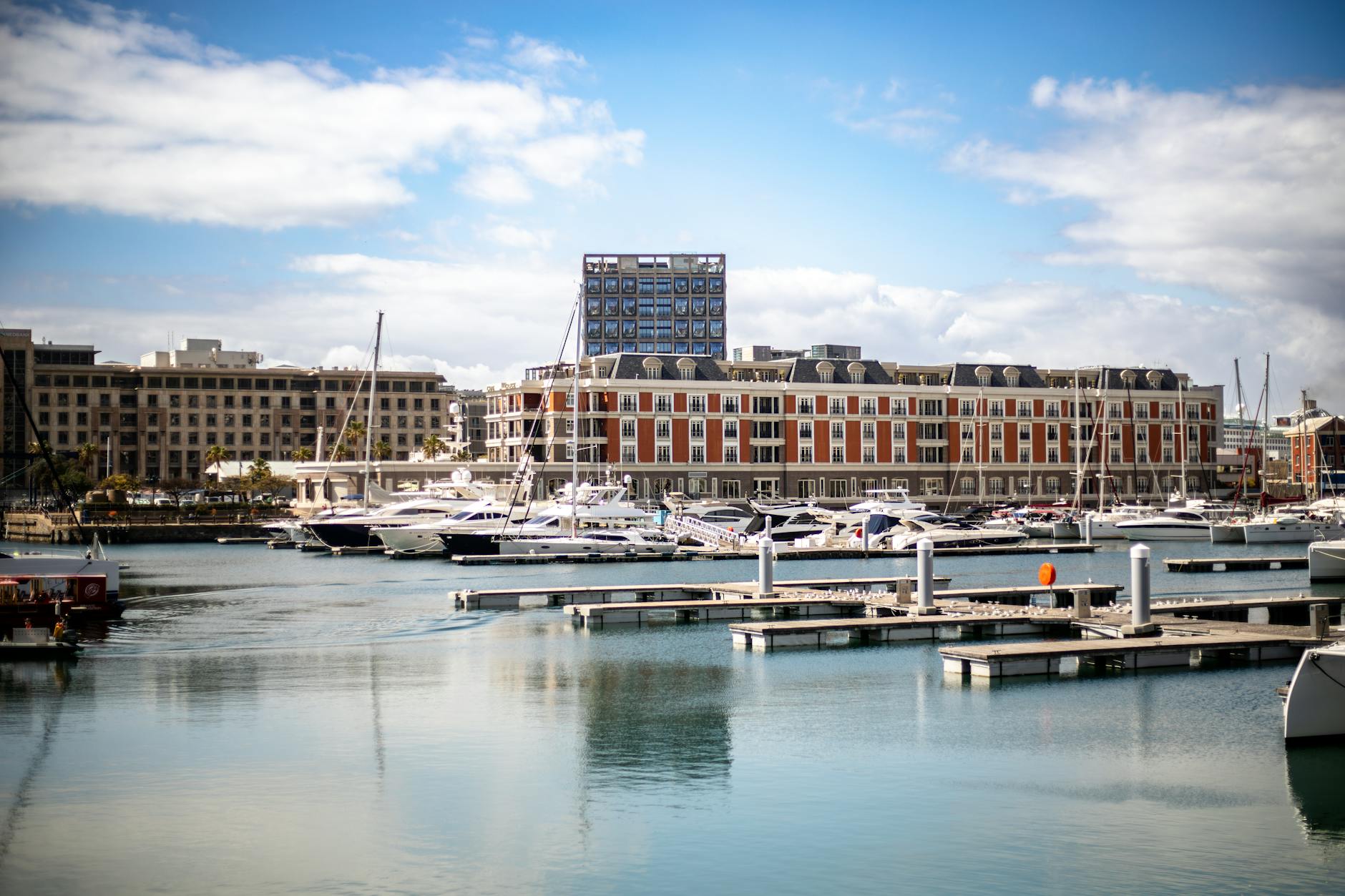
"What defines luxury today in South Africa?" A focused market update on Cape Town waterfronts, Sandton penthouses and where investors should direct attention now.
Introduction
The luxury property sector in South Africa is evolving fast. From architect-designed mansions on the Atlantic Seaboard to high-floor penthouses overlooking Sandton's skyline, high-net-worth buyers are reshaping demand. This article explores current trends, price signals, investment risks and opportunities for local and international investors considering Cape Town luxury homes and Sandton luxury real estate trends.
National Luxury Market Overview
Luxury property in South Africa continues to outperform many segments of the residential market despite broader economic pressures. According to recent FNB and Lightstone indicators, top-end transactions are being driven by wealth preservation, lifestyle migration and selective foreign demand. The rand's volatility has two opposing effects: it makes South African luxury homes more affordable to overseas buyers in USD terms but raises the cost of imported finishes and construction materials.
Key demand drivers:
- Lifestyle and security: Coastal views, private estates and gated complexes remain primary motivators.
- Currency arbitrage: International buyers and returning expatriates often capitalise on favourable rand exchange rates.
- Scarcity and land constraints: Premium beachfront and mountain-facing plots are limited, sustaining price premiums.
- Yield vs capital growth debate: Many luxury investors prioritise capital preservation and lifestyle over rental yield.
Cape Town Waterfronts and Seaside Enclaves
Cape Town remains South Africa's flagship luxury market. The Atlantic Seaboard (Clifton, Camps Bay, Bantry Bay), the V&A Waterfront and Constantia offer distinct buyer profiles and price points.
Atlantic Seaboard: Clifton, Camps Bay, Bantry Bay
These suburbs combine exclusivity with spectacular views. A three-bedroom apartment in Clifton or a modern villa in Camps Bay now commonly starts at R 15,000,000 (~USD 790,000) and can exceed R 70,000,000 (~USD 3.7M) for ultra-prime homes. Scarcity of land, celebrity appeal and strict municipal zoning keep upward pressure on prices.
V&A Waterfront and City Bowl
Luxury apartments at the V&A Waterfront and penthouses in the City Bowl appeal to buyers seeking convenience, service offerings and tourism-linked rental potential. While these units may command slightly lower cap rates than suburban villas, they benefit from strong short-stay demand. A luxury two-bedroom apartment ranges from R 4,000,000 to R 12,000,000 (~USD 210,000–630,000) depending on finish and view.
Constantia and Southern Suburbs
For privacy and land, Constantia and Bishopscourt remain top choices. Estates with vineyards, large gardens and heritage homes often trade at R 20,000,000–R 150,000,000 (~USD 1.05M–7.9M). Buyers here prioritise landholding, security and long-term legacy value.
Sandton Penthouses and Johannesburg High-End Market
Sandton has solidified its position as the commercial and financial heart of Johannesburg, attracting a steady demand for luxury apartments and penthouses. The appeal is clear: proximity to business hubs, premium lifestyle infrastructure (restaurants, private schools, malls) and improved security.
Sandton Price Dynamics
Penthouses in Sandton and neighbouring suburbs such as Hyde Park and Morningside have seen renewed interest. Price ranges are broad: entry-level luxury apartments begin around R 4,500,000 (~USD 240,000), while premium penthouses in iconic towers can command R 25,000,000–R 50,000,000 (~USD 1.3M–2.6M). Developers are increasingly offering full-service amenities — gyms, concierge, private parking and security — to match international expectations.
Rental and Yield Considerations
Sandton's rental market is stronger for executive relocations and corporate rentals. Yields in top-tier Sandton apartments often range 4%–6% gross, lower than smaller buy-to-let segments but attractive for investors seeking liquidity and tenant quality. Office-to-residential conversions in the CBD and surrounding nodes have expanded supply, but premium positioning remains critical to avoid oversupply in mid-market segments.
Coastal Versus Urban Luxury: Risks and Rewards
Comparing Cape Town waterfronts to Sandton penthouses exposes different risk profiles:
- Coastal risks: Climate change, increased insurance premiums and stricter environmental controls. Waterfront properties face higher maintenance and potential sea-level considerations; investors should account for long-term coastal erosion and insurance costs.
- Urban risks: Economic cycles, corporate headcount shifts and changing office occupancy. Sandton benefits from corporate concentration but is also sensitive to shifts in business sentiment.
Both markets benefit from scarcity but require careful due diligence: sectional title levies, municipal rates, estate levies, and potential future rezoning implications should be reviewed with a conveyancer and local market specialist.
Legal, Tax and Transactional Considerations
High-value property transactions in South Africa involve several statutory and practical considerations:
- Transfer Duty and VAT: Residential transfers attract transfer duty according to SARS tables; developers may charge VAT on new developments (consult ooba or SARS guidance for thresholds).
- FICA and conveyancing: Expect rigorous identity and source-of-funds checks under FICA; use an experienced conveyancer for OTP (Offer to Purchase) drafting and lodging.
- Foreign buyers: Non-residents can buy property but must comply with exchange control regulations for transferring funds and may face practical borrowing constraints from local banks.
- Sectional Title vs Freehold: Sectional title (common in penthouses and complexes) involves levies and body corporate rules; freehold properties (typical on the Atlantic Seaboard estates) involve rates and possibly estate levies.
Financing and Market Signals
Interest rate levels, bank bond availability and inflation expectations strongly influence buyer behaviour. Higher rates typically cool activity, but top-tier buyers often use cash or bridge financing. National indicators from FNB and ooba show that prime property transactions are more resilient than the broader market — wealthier buyers are less rate-sensitive and more focused on capital preservation.
What Luxury Buyers Are Looking For Now
Preferences in 2026 show a clear pattern:
- Well-being and space: Dedicated home offices, wellness zones and indoor–outdoor flow.
- Smart, low-maintenance finishes: Buyers prefer turnkey properties with quality finishes rather than projects requiring extensive renovation.
- Security and services: Integrated security, estate management, and concierge services are often decisive.
- Sustainability features: Solar, rainwater harvesting and energy-efficient systems are increasingly valued and can reduce operating costs.
Short-Term Outlook (12–24 months)
Expect continued selective demand for prime luxury assets. Key variables to watch:
- Rand stability and global investor risk appetite.
- South Africa’s macroeconomic performance: GDP growth, unemployment and consumer confidence.
- Supply-side constraints: Limited prime coastal land and careful estate development approvals will continue to support price floors.
Overall, a cautious, quality-focused luxury market is likely — where location, build quality, privacy and service converge to dictate premium pricing.
Actionable Tips and Key Strategies
- Clarify investment goals: capital growth, lifestyle use or rental income — the strategy determines location and asset type.
- Do forensic due diligence: verify levies, rates, outstanding special levies, sectional title compliance and estate rules with a conveyancer.
- Factor all ownership costs: municipal rates, sectional levies, security and insurance — these can materially affect net returns.
- Engage local experts: use a specialised luxury agent, financial adviser and conveyancer familiar with Cape Town or Sandton specifics.
- Consider currency strategy: foreign investors should plan for FX volatility and use reputable transfer services for large capital transfers.
- Inspect construction and services: check build quality, drainage, coastal corrosion protection and maintenance history for older properties.
- Negotiate OTP terms: use conditional offers to protect against finance approval, clear title issues and outstanding compliance certificates.
- Look for value-add opportunities: tasteful renovations, superior interior finishes or smart automation can enhance resale value.
How KILICASA Helps Luxury Buyers and Investors
KILICASA streamlines the administrative and matching processes that matter most to luxury buyers: consolidating verified listings, simplifying FICA and document management, and connecting buyers with vetted conveyancers, estate agents and property managers. Our platform reduces transactional friction so investors can focus on valuation, location and long-term strategy — not paperwork. For international buyers, our local expertise ensures accurate property matching and compliance support for a smoother acquisition process. Learn more at KILICASA.
Conclusion
The luxury property market in South Africa remains a distinctive segment where location, scarcity and quality sustain value. Cape Town waterfronts offer lifestyle and capital-growth potential driven by limited supply and international appeal, while Sandton penthouses provide urban convenience, corporate-linked demand and resilient rental prospects. Investors should balance lifestyle preferences with tax, legal and environmental considerations — and partner with experienced local advisors to navigate sectional title levies, transfer duty, FICA and conveyancing. For those who prioritise security, finish quality and position, South Africa’s luxury market continues to offer compelling opportunities.
KILICASA, because everyone deserves a place.
Frequently Asked Questions
Can foreigners buy luxury property in South Africa?
Yes. Non-residents can purchase property but must comply with exchange control rules for transferring funds and may need to provide additional documentation under FICA. Financing options from local banks are available but criteria can be stricter for non-residents.
Are luxury homes a good hedge against rand weakness?
Luxury homes can act as a partial hedge because international buyers find rand-priced properties cheaper when the currency weakens. However, asset-specific risks (maintenance, levies, local demand) and macro risks mean they should be part of a diversified strategy.
Discover KILICASA, your real estate partner in South Africa
Photo by Marlin Clark on Pexels