Most Expensive Neighbourhoods South Africa: Guide for Buyers


“Where should I buy in South Africa for prestige, security and capital growth?” A concise guide to the country's most expensive neighbourhoods for international buyers.
Why these neighbourhoods matter to international buyers
High-end suburbs in South Africa combine lifestyle, proven capital appreciation and rental demand — but they also bring unique costs and processes. International buyers targeting luxury suburbs aim for security, world-class amenities, top schools and strong resale or rental prospects. Understanding which addresses deliver those outcomes — and the local rules that matter — will protect your capital and speed your transaction.
How this guide is structured
This article outlines South Africa’s most expensive neighbourhoods in Cape Town, Johannesburg and other high-value regions, explains financial and legal considerations for foreign buyers, and gives practical tips to evaluate listings, levies and long-term value.
Cape Town: The gold standard for lifestyle and prices
Cape Town contains the country’s most internationally recognisable luxury neighbourhoods. Prices reflect views, lifestyle and scarcity.
Clifton & Camps Bay
Clifton and Camps Bay command premium beachfront prices. Small Clifton apartments with direct sea views can cost from R 6,000,000 (~USD 315,000) to R 60,000,000 (~USD 3,150,000) for absolute luxury. Camps Bay offers a mix of apartments and villas typically ranging R 6,000,000 (~USD 315,000) to R 30,000,000 (~USD 1,575,000). These suburbs are prized for beachfront access, nightlife and short-term rental potential.
Constantia & Bishopscourt
If privacy, acreage and gated estates are priorities, Constantia and Bishopscourt are the top picks. Stately homes and vineyard properties often start at R 15,000,000 (~USD 787,500) and can exceed R 100,000,000 (~USD 5,250,000) for historic estates. Capital growth here is tied to land scarcity and prestige.
Sea Point, Fresnaye and Bantry Bay
These suburbs blend apartment living with proximity to the V&A waterfront and the city bowl. Expect 1–2 bedroom apartments from R 1,200,000 (~USD 63,000) to R 6,000,000 (~USD 315,000), with penthouses and renovated units pushing higher. Strong rental demand from professionals and expats supports yields in well-managed buildings.
Johannesburg: Financial hub and premium suburbs
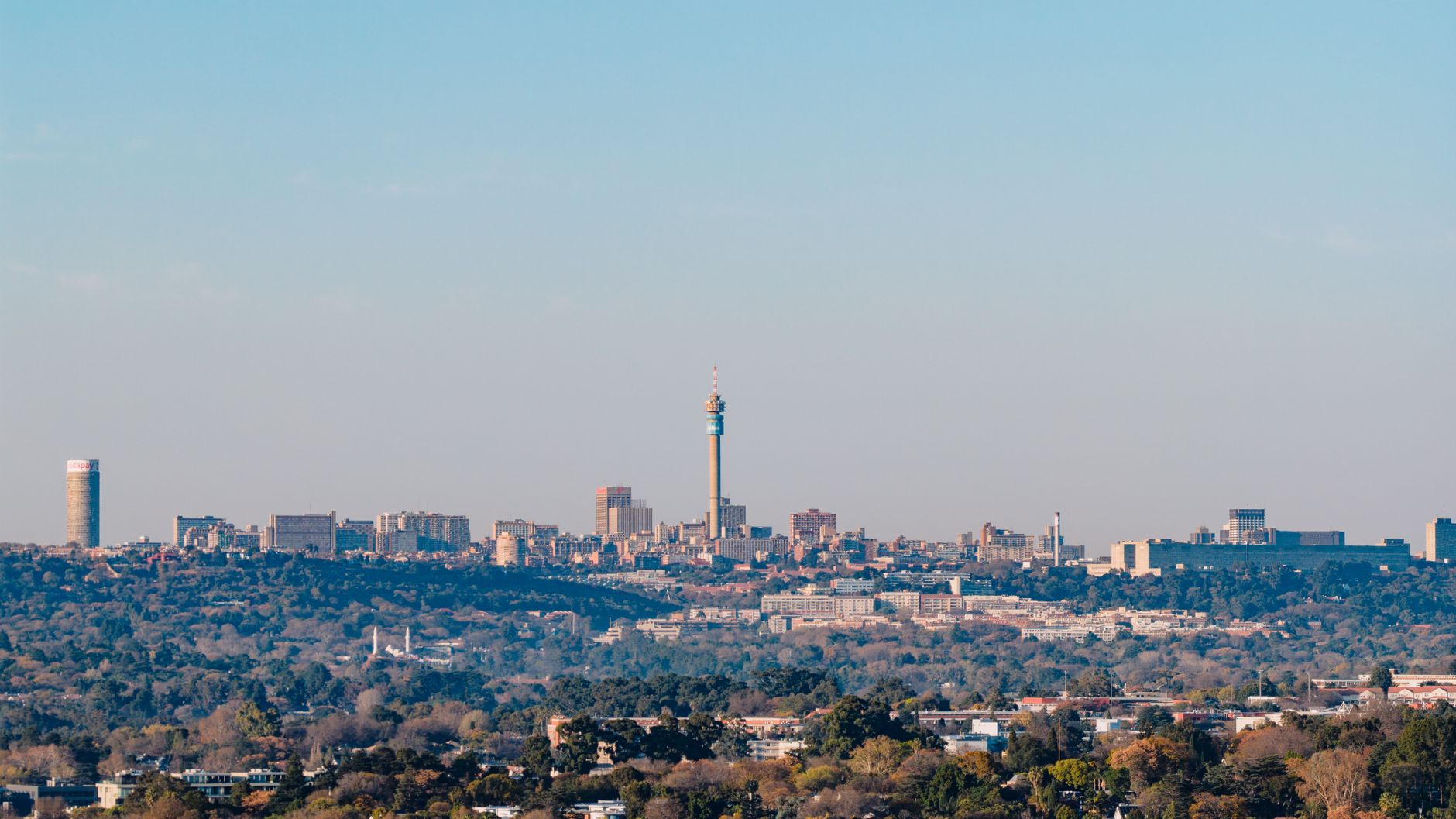
Jo'burg luxury is concentrated in Sandton and northern suburbs where corporate headquarters, private schools and secure estates cluster.
Sandton
Known as Africa’s richest square mile, Sandton offers gated estates, luxury apartments and office proximity. Freehold homes in gated areas and top estates range R 6,000,000 (~USD 315,000) to R 40,000,000 (~USD 2,100,000). High-end apartments in Sandton CBD and upmarket complexes in Morningside sell between R 2,500,000 (~USD 131,250) and R 12,000,000 (~USD 630,000).
Houghton, Hyde Park & Bryanston
Houghton and Hyde Park are long-standing elite suburbs with homes on large stands and excellent security. Price brackets typically start around R 8,000,000 (~USD 420,000) and rise to R 50,000,000 (~USD 2,625,000) for historic mansions or modern estates. Bryanston and nearby suburbs offer more gated options and luxury townhouses favored by families.
Other high-value regions: KwaZulu‑Natal, Pretoria & the Garden Route
Luxury extends beyond the two metros. Consider these options if coastal living, golf estates or diplomatic proximity matter.
Umhlanga & Zimbali (Durban)
Umhlanga Ridge and Zimbali Eco-Estate near Durban are established luxury pockets. High-end villas and sectional title homes range R 3,000,000 (~USD 157,500) to R 25,000,000 (~USD 1,312,500) depending on location and sea views. Strong domestic demand and tourism support short-term rental opportunities.
Pretoria — Waterkloof & Brooklyn
Pretoria’s Waterkloof and Brooklyn host diplomatic residences and executive housing. Prices are slightly lower than Cape Town or Sandton but offer large stands and quiet streets, typically R 4,000,000 (~USD 210,000) to R 25,000,000 (~USD 1,312,500).
Knysna, Plettenberg Bay & the Garden Route
For luxury coastal estates away from cities, Plettenberg Bay and Knysna attract lifestyle buyers and holiday rentals. Properties range widely but premium homes often fall in R 5,000,000 (~USD 262,500) to R 30,000,000 (~USD 1,575,000).
Key variables that determine 'most expensive'
Beyond headline prices, several local factors push values up:
- Location & views: Sea or mountain views add a premium.
- Security: Gated estates and 24/7 security services create higher demand.
- School zones: Proximity to top schools (e.g., Bishops, St Stithians) increases family demand.
- Scarcity & heritage: Protected estates and historic homes hold value.
- Levies & municipal rates: High levies or rates can reduce net yield for investors.
What international buyers must know (legal & financial)
Foreign nationals may buy property in South Africa with relatively few restrictions, but the process has specifics:
- FICA & ID requirements: South African law requires verification (FICA). Provide passport, proof of residence and source-of-funds documentation to estate agents and conveyancers.
- Funding & exchange control: Funds transferred from abroad must be declared to SARS if taking a mortgage from a local bank; non-resident buyers often use local banks (ooba, FNB) for bonds. Large transfers may require documentation for SARB/FX compliance.
- Transfer duty & conveyancing: The buyer pays transfer duty (check current SARS thresholds) or VAT where applicable. A conveyancer handles transfer and bond registration.
- Rates, levies and estate rules: Sectional title properties attract levies; freehold properties incur municipal rates and service charges. Factor these into yield calculations.
- Tax implications: Rental income is taxable in South Africa; capital gains tax applies on disposal. Non-resident vendors need to register for VAT or submit ITA-63 when selling certain properties.
Investment considerations: yield, liquidity and market cycles
Luxury properties can deliver strong capital growth but typically offer lower gross yields than more affordable assets. Consider:
- Yield vs growth: High-end suburbs often prioritise capital appreciation over immediate rental yield.
- Liquidity: Trophy properties can take longer to sell than entry-level homes — plan exit horizons of 3–7 years.
- Market cycles: Cape Town luxury reacts to international tourism and currency fluctuations; Johannesburg luxury is driven by corporate performance and local wealth creation.
- Maintenance and levies: High levies in sectional title complexes or estate HOA fees reduce net returns.
Practical buying steps for international investors
Follow a structured process to reduce risk and speed transaction completion:
- Engage a reputable local agent experienced with expat buyers and high-value suburbs.
- Secure a South African conveyancer; they will handle OTP conditions, transfer and bond registration.
- Complete FICA checks early and gather proof-of-funds to avoid delays.
- Get a tax number from SARS if you plan to rent or sell in future.
- Budget for transfer costs, transfer duty (or VAT), bond registration fees, rates and levies.
Sources & market intel
Market pricing and trends are informed by FNB Property Barometer, Lightstone data, ooba and local estate agent listings. Always request recent comparable sales (sold prices) and levy histories before committing.
Actionable tips for choosing the right luxury suburb
- Prioritise your objectives: capital growth, rental yield or lifestyle. Different suburbs excel at different goals.
- Visit multiple times and at different times of day to assess security and noise levels.
- Request a levy and maintenance history for sectional schemes — high special levies indicate deferred maintenance.
- Factor in ongoing costs: municipal rates, estate levies, security subscriptions and gardener/pool services.
- Use a local conveyancer recommended by your agent, not the seller’s preferred conveyancer, to protect your interests.
- Consider management if renting: short‑term management can boost yield but requires robust operators in Cape Town and holiday hotspots.
Role of KILICASA
KILICASA simplifies the search and administrative burdens for international buyers. Our portal aggregates verified listings across luxury suburbs, offers clear levy and rates information, and connects buyers with vetted agents and conveyancers. For investors, KILICASA’s matching tools reduce time to find suitable properties and streamline FICA/compliance steps so you can move from shortlist to Offer To Purchase (OTP) faster and with confidence. Learn how our proptech tools reduce administrative friction for cross-border buyers.
Conclusion
Buying in South Africa’s most expensive neighbourhoods offers access to exceptional lifestyle assets and potential long-term appreciation. Choose suburbs based on your priorities — Cape Town for coastal prestige, Sandton for corporate convenience, and estates like Zimbali or Constantia for privacy and acreage. Always budget for levies, transfer costs and tax implications, and partner with trusted local professionals. With the right due diligence and trusted partners, international buyers can secure world-class properties safely and efficiently. KILICASA, because everyone deserves a place.
Frequently Asked Questions
Can non-residents buy property in South Africa?
Yes. Foreign nationals can buy freehold or sectional title property. Expect FICA verification, proof-of-funds and conveyancer involvement. If you plan to mortgage locally, banks will require additional documentation.
Are levies and rates high in luxury suburbs?
Often yes. Luxury sectional title complexes and gated estates typically have higher levies for security and amenities; municipal rates on high-value properties are also significant. Always review levy statements and municipal bills before buying.
Discover KILICASA, your real estate partner in South Africa
Photo by Israel Luvhimbi on Pexels