Property Management South Africa: Systems, Outsourcing & Tech


"Can you scale your rental portfolio without losing control?" Practical systems, smart outsourcing and property tech to protect South African rental returns.
Introduction
"Can you scale your rental portfolio without losing control?" This guide explains how robust rental property systems, outsourced property managers and modern tech combine to protect yields and reduce risk in South Africa.
Why systems, outsourcing and technology matter in South African rentals
Owning rental property in South Africa means navigating municipal rates, levies, bond repayments, tenant law, maintenance and taxation. Small inefficiencies multiply across multiple properties: missed invoices, late rent, non-compliant tenant checks (FICA), or slow maintenance can erode yields and increase vacancy. A structured approach—repeatable systems, a qualified outsourced property manager SA, and the right tech stack—reduces operating costs, improves tenant retention and preserves capital value.
Build repeatable rental property systems
Systems are documented, repeatable workflows that remove guesswork. Start with these core systems and standard operating procedures (SOPs):
- Tenant screening SOP: identity (FICA), credit checks, employment/refs, and POPIA-compliant data handling.
- Onboarding checklist: condition report, keys, deposit accounting, electricity/gas/water handover, and OTP/lease requirements.
- Maintenance workflow: triage, preferred contractors list, approval thresholds and standard pricing bands.
- Financial controls: trust accounts, monthly reconciliations, VAT and IRP5/IT3(b) processes for landlords.
- Eviction and dispute pathway: escalation steps aligned to the Rental Housing Act and Provincial Rental Tribunals.
Document these SOPs in a shared cloud folder or in your property management software so anyone stepping in can follow the exact process. This reduces downtime when staff leave or when you scale from one to 20 units.
When to outsource: deciding factors for South African investors
Outsourcing to an experienced property manager is not a sign of weakness — it’s a scale decision. Consider outsourcing if any of the following apply:
- You own multiple properties across suburbs (e.g., Sandton, Sea Point, or Rosebank) and travel between cities is costly.
- You lack the time or local contacts to manage tenant relations, quick maintenance and inspections.
- Compliance demands (FICA, POPIA, rent receipts, tax reporting) are taking up disproportionate time.
- You need a professional intermediary for rent collection, arrears management and legal processes.
Typical management fees in South Africa range from 8–12% of monthly rent plus VAT for residential management; additional commission for tenant placement or maintenance facilitation may apply. Always confirm what’s included — some managers charge separately for inspections, lease renewals and evictions.
Choosing an outsourced property manager (outsourced property manager SA)
When evaluating an outsourced property manager SA, interrogate the following:
- Track record: number of properties managed in your target area and references from landlords.
- Compliance: demonstrable application of FICA and POPIA rules; proof of trust account handling.
- Local knowledge: familiarity with levy structures in sectional title complexes and municipal rates processes.
- Fees and transparency: clear fee schedule, markup on maintenance and turnaround times for work orders.
- Technology: tenant portals, online statements, e-signatures and integration with financial systems.
Ask for sample monthly statements, a demo of their software, and a written SLA (service level agreement) that sets response times for maintenance, rent arrears notices, and tenant queries.
Property tech that matters for South African rentals
Not every shiny tool is worth the subscription. Prioritise tech that addresses recurring pain points:
- Accounting and trust accounting: integrated systems that produce landlord statements, automated bank reconciliations and IRP5-ready reports.
- Tenant portal and payments: online rent collection (EFT/Instant EFT), automated reminders, and digital receipts reduce arrears.
- Maintenance ticketing: centralised work orders with photo evidence, contractor response times and cost approvals.
- Document management and e-signing: lease storage, condition reports, POPIA consent forms, and e-signature capability for leases.
- Screening tools: credit bureau checks and income verification integrations to shorten time-to-approve.
- Analytics: dashboards showing vacancy rates, time-to-lease, arrears percentage and gross/net yields by suburb.
Examples of practical tech integration: link tenant portals to your bank to auto-reconcile rent, or use smart meters in high-consumption units to bill tenants accurately and encourage conservation.
Practical cost controls and maintenance planning
Maintenance is where small issues become big expenses. Implement these controls:
- Preventative schedule: annual geyser checks, gutter cleaning, and periodic electrical safety inspections reduce sudden failures.
- Preferred contractor panel: negotiated rates and SLAs, with tax invoices for trust accounting.
- Approval thresholds: minor repairs < R1,500 (~USD 80) auto-approved; larger work requires landlord sign-off.
- Reserve fund: set aside 1–3% of property value annually for capex and unexpected repairs. For a R1,200,000 (~USD 63,000) property, that’s R12,000–R36,000 (~USD 630–1,900) per year.
Tax, compliance and risk mitigation
Keep these essential compliance points front of mind:
- FICA: verify ID and keep certified copies before concluding leases.
- POPIA: secure tenant data with controlled access and retention policies.
- Trust accounts: South African estate agency rules require trust accounts for holding deposits and prepaid rent in many cases—check EAAB guidelines.
- Insurance: landlord insurance for rental loss, liability and accidental damage; consider rent guarantee products for high-risk tenants.
- Tax: declare rental income correctly, deduct bond interest, maintenance and agent fees. Use a tax professional experienced in property portfolios.
Case study: scaling from 2 to 12 units
A Johannesburg investor expanded from two apartments in Melrose Arch to 12 units across Joburg and Cape Town. Key moves that preserved yield:
- Standardised tenancy agreements and check-in reports saved four hours per new tenant onboarding.
- Outsourced day-to-day management to a vetted firm charging 10% + VAT; this freed the investor to source deals remotely.
- Implemented a cloud accounting package integrated with the manager’s portal for real-time cashflow visibility.
- Set a maintenance contingency equalling 2% of portfolio value; unexpected capex no longer disrupted monthly distributions.
Result: vacancy dropped from 18% to 6% and net yield improved by ~1.2 percentage points year-on-year (after fees).
Actionable Tips & Key Strategies
Quick, high-impact actions you can implement this month:
- Create 3 SOPs this week: tenant screening, maintenance request, and arrears escalation.
- Get two quotes for an outsourced property manager SA and request sample landlord statements.
- Implement automatic rent reminders and require instant EFT or debit orders for new tenants.
- Set an annual maintenance reserve of at least 1% of property value and review it quarterly.
- Run a POPIA audit: ensure tenant data storage and consent forms are compliant.
Role of KILICASA
KILICASA helps landlords and investors streamline the administrative overhead that comes with rental portfolios. Our portal connects landlords with vetted property professionals, centralises documents and automates matching between tenants, landlords and service providers to reduce time-to-lease. KILICASA’s tools support compliant document workflows (FICA/POPIA), tenant onboarding, and clear communication channels so outsourced property manager SA relationships run smoothly. Visit KILICASA to explore tools designed for local market realities.
Conclusion
Scaling rental property in South Africa requires more than acquiring the next unit. It demands disciplined systems, the right outsourcing decisions and selective use of property tech to protect yields and reduce operational friction. Start by documenting your processes, vetting an outsourced property manager SA against clear criteria, and adopting core tech: accounting, tenant portals and maintenance ticketing. The result is predictable cashflow, lower vacancy and scalable growth across suburbs from Sea Point to Sandton. KILICASA, because everyone deserves a place.
Frequently Asked Questions
Do I need an outsourced property manager for a single rental?
Not always. If you have time, live locally and handle tenant relations and maintenance personally, self-managing can save fees. Consider outsourcing when time, distance, or compliance complexity grows.
What are reasonable management fees in South Africa?
Residential management typically costs 8–12% of monthly rent + VAT. Confirm inclusions—tenant placement, inspections and legal work are often billed separately.
Which tech features offer the best ROI?
Tenant portals with online payments and automated receipts, cloud accounting with trust-account reconciliation, and maintenance ticketing that tracks costs and response times deliver the quickest operational ROI.
How do I stay POPIA and FICA compliant?
Use standardised consent forms, securely store identity documents, perform FICA checks before lease signature, and retain records according to legal retention policies. Regular audits are essential.
Discover KILICASA, your real estate partner in South Africa
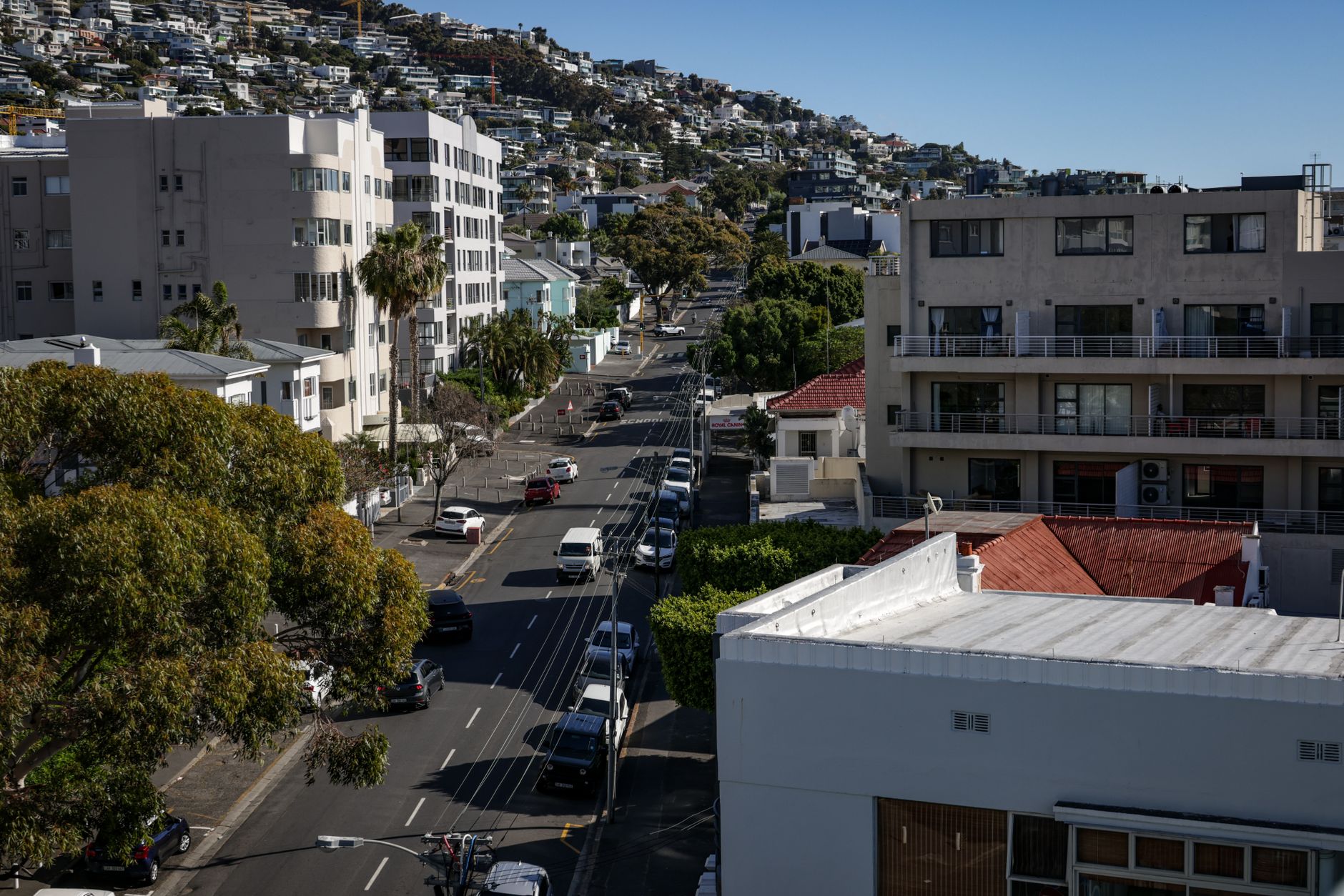
Photo by Helena Lopes on Pexels