
PropStats Q1 2026: South Africa Property Sales Performance

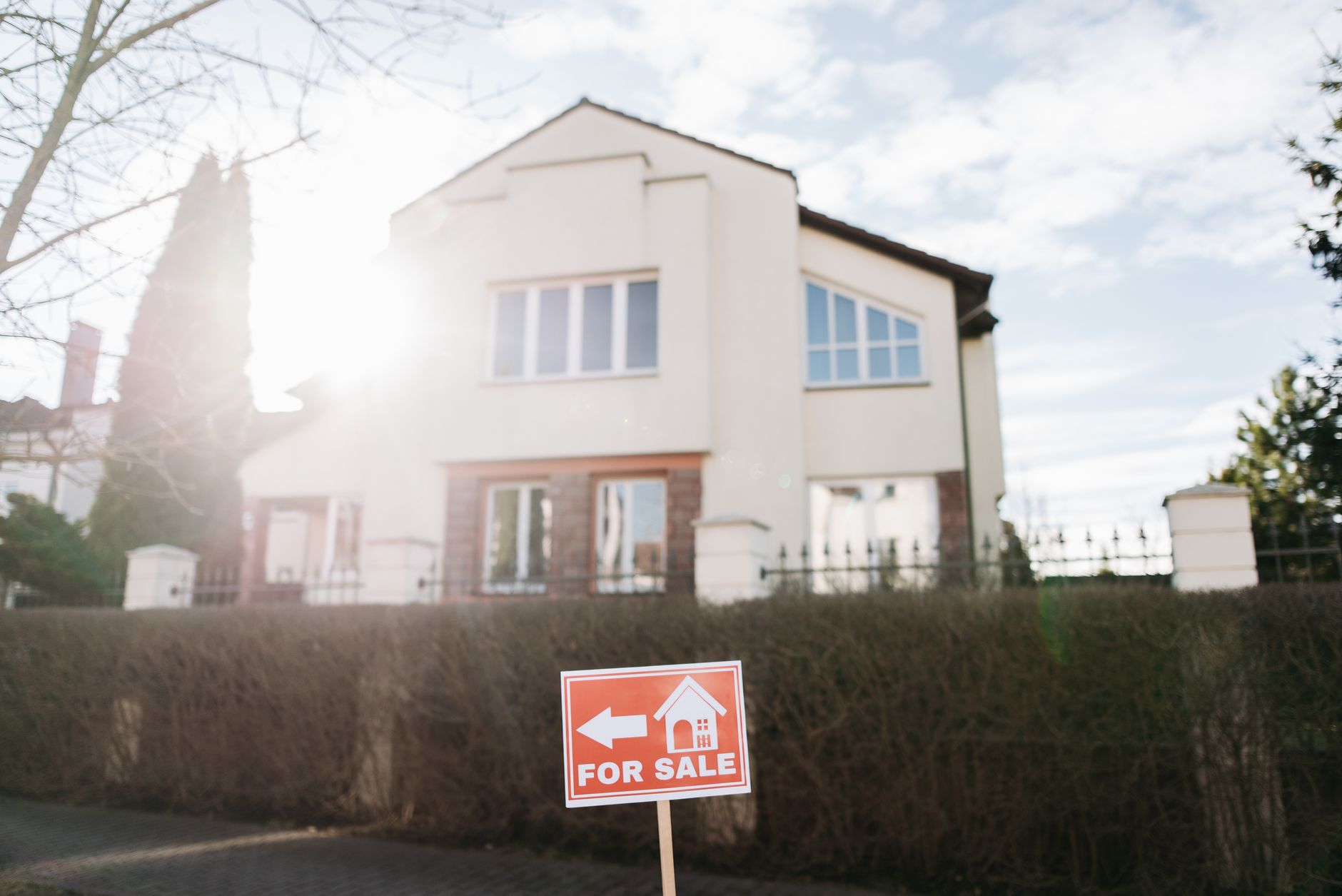
"Are sales rebounding or reshaping the market?" My name is Nathan Fumal, I am the CEO of KILICASA, and in this article I cover PropStats Q1 2026: South Africa property sales performance.
Introduction
PropStats Q1 2026 gives a fresh snapshot of how South African residential markets moved through the first quarter — and what buyers, sellers and investors should expect next. This update matters because Q1 set the tone for lending activity, price momentum and provincial divergence in 2026.
Headline findings from PropStats Q1 2026
PropStats reports a mixed but resilient market in Q1 2026. Nationally, overall house price growth continued positively but moderated from the higher rates of 2024–2025. Key takeaways:
- Moderate national price growth: PropStats shows national house price growth of approximately 5.5% year-on-year in Q1 2026, signalling steady real-terms appreciation after inflation adjustments.
- Transactions remain selective: Sales volumes were slightly down — roughly 2–4% year-on-year — reflecting higher mortgage rates and tougher affordability for first-time buyers.
- Provincial divergence widened: Premium coastal and lifestyle nodes outperformed inland metros, while some former mining towns and small towns lagged.
Why growth slowed but did not stop
Several structural and cyclical forces explain the pattern. The South African Reserve Bank (SARB) kept policy rates higher for a longer period to tame inflation, which raised bond originations costs. As a result, borrowing rates remained elevated compared to the ultra-low-rate environment of earlier years. Lenders tightened affordability assessments and required larger deposits in many cases, reducing marginal buyers.
At the same time, demand in top-end suburbs and coastal lifestyle markets remained robust due to cash buyers, retirees, and expatriates returning or purchasing second homes. Investors seeking rental yields also continued to buy in areas with vacancy constraints — central Cape Town, parts of Durban and selected Johannesburg suburbs.
Provincial trends: who led and who lagged?
PropStats Q1 2026 highlights clear winners and underperformers across provinces. Below are the main provincial patterns and what they mean for investors.
Western Cape — strongest momentum
The Western Cape led growth with an estimated year-on-year price increase of around 7.2%. Demand in Cape Town and the Garden Route remained strong for both freehold houses and sectional-title apartments. Entry-level one-bedroom apartments in suburbs like Sea Point and Observatory traded in a range near R 1,200,000 (~USD 63,000) to R 2,000,000 (~USD 105,000), while three-bedroom family homes in well-located suburbs typically sat between R 3,000,000 (~USD 157,000) and R 6,000,000 (~USD 315,000). High-end pockets such as Constantia and Clifton continued to command premiums, with transaction prices of R 15,000,000 (~USD 785,000) and above for premium estates.
Gauteng — steady but selective
Gauteng showed moderate growth (approx. +4.1% YoY) with Sandton, Rosebank and parts of Midrand remaining attractive to both corporate buyers and investors. Supply constraints in well-located security estates kept prices firm. Conversely, some peripheral townships and satellite towns experienced weaker demand due to long commutes and affordability pressure.
KwaZulu‑Natal — mixed performance
KZN posted roughly +3.0% growth, with Durban beachfront and certain inland nodes doing well while smaller coastal towns had uneven performance. Investors targeting holiday rentals saw opportunities in high-season holiday belts but noted higher management and maintenance costs.
Eastern Cape, Free State and small metros — lagging
Several smaller provincial markets saw flat or slightly negative price movement. The Eastern Cape showed isolated pockets of growth in coastal lifestyle towns but declines in rural inland areas. These regions can still offer affordable entry prices but require careful tenant screening and a long-term holding outlook.
Segment analysis: sectional title vs freehold, resale vs new
Sectional-title stock (apartments and townhouses) outperformed entry-level freestanding stock in many metros because of affordability and demand from young professionals. Developers delivering new stock in suburban nodes experienced selective success where modern amenities, security and proximity to transport hubs were strong selling points.
Resale homes in established suburbs retained value due to land scarcity and established amenities. Investors continue to favour uplift potential (renovation, reconfiguration) in older properties located in gentrifying suburbs.
What the data means for buyers and investors
PropStats Q1 2026 suggests a market where quality and location matter more than ever. Buyers who prioritize long-term capital growth should focus on scarce, amenity-rich properties in well-managed sectional complexes or established freehold suburbs. Investors need to be picky: rental demand, maintenance costs, levies, business rates and municipal service reliability are decisive.
Key risks to monitor: continued high interest rates, municipal financial stress affecting services and bulk infrastructure delays, and any sharp deterioration in the unemployment rate. Conversely, structural positives include South Africa's limited residential land in prime metros, a global flight-to-quality toward safe, amenity-rich coastal and lifestyle locations, and a growing cohort of cash buyers who bypass bank funding.
Practical market signals to watch in Q2–Q4 2026
- Mortgage approval rates and average bond sizes from major banks (FNB, Standard Bank, Nedbank, Absa) — rising approvals signal renewed demand.
- Inventory days on market in metros — falling DOM indicates quicker price discovery and tighter markets.
- Provincial migration patterns — inward migration to Cape Town suburbs or Gauteng nodes can change local demand quickly.
- Policy changes (transfer duty thresholds, FICA/POPIA compliance updates) and municipal billing health — both affect affordability and operating costs.
Agent and investor tactics for the current market
Estate agents and investors should refine their playbooks for a selective market:
- Price with precision: Overpricing leads to long DOM and conditional offers; calibrated pricing accelerates firm offers.
- Highlight yield and cost transparency: Provide net yield calculations that show levies, rates and expected maintenance to investors.
- Package curb appeal and digital tours: High-quality visuals, floorplans and 3D tours reduce friction for remote or international buyers.
Actionable Tips & Key Strategies
- Buy location, not emotion: Prioritize nodes with employment hubs, schools and low vacancies. These hold value when rates rise.
- Stress-test finance: Run scenarios at higher interest rates (e.g., 2–3 percentage points above current bond rates) to ensure affordability holds.
- Use sectional-title due diligence: Check levies, reserve fund, and meeting minutes — high levies or unexpected special levies can erode returns.
- Negotiate on terms, not just price: Faster transfers, cleansed FICA documentation, or seller-paid repairs can create competitive offers without lowering price expectations badly.
- Diversify geographically: If risk is concentrated in one provincial economy, consider spreading acquisitions across Western Cape and select Gauteng nodes.
Role of KILICASA
KILICASA helps investors and buyers navigate this selective market by simplifying administrative friction and improving matching between buyers, sellers and agents. Our platform centralises property documentation, speeds up pre-qualification, and surfaces comparable sales and local market insights so you can make offers with confidence. For landlords, our tools reduce vacancy time by improving tenant screening and listing exposure. Visit KILICASA to streamline offers and speed transfers with smarter data and better matches.
Conclusion
PropStats Q1 2026 paints a South African housing market that is resilient but selective. Price growth continues, led by premium coastal and well-located metro suburbs, while transaction volumes reflect higher rates and tightened lending. For buyers and investors, the strategy is clear: focus on quality of location, conduct rigorous financial stress tests, and pay close attention to sectional-title finances and municipal costs. With disciplined selection and the right administrative support, opportunities remain — particularly in scarce, amenity-rich suburbs and well-managed sectional developments. KILICASA, because everyone deserves a place.
Frequently Asked Questions
1. Is now a good time to buy property in South Africa based on PropStats Q1 2026?
If you are buying for long-term capital growth in prime nodes (Western Cape coastal suburbs, selected Gauteng suburbs), Q1 2026 still offers opportunities. Ensure you can afford higher interest scenarios and prioritise low-vacancy suburbs with strong amenities.
2. How should investors interpret provincial divergence?
Provincial divergence means returns will be uneven. Western Cape and certain Gauteng suburbs typically offer appreciation and rental demand; smaller metros may be cheaper but require active management and a longer horizon. Always run local rental demand and expense models.
3. How can KILICASA speed up my purchase or sale?
KILICASA reduces administrative delays by centralising documents, improving buyer-seller matching and allowing quicker pre-qualification, which can make offers more attractive and transfers faster.
Discover KILICASA, your real estate partner in South Africa
Photo by Pavel Danilyuk on Pexels

