Security Landscaping South Africa: Fencing & Perimeter Solutions

"Can smart landscaping stop crime?" My name is Nathan Fumal, CEO of KILICASA, and I cover fencing and security landscaping for South African homes.
Why security landscaping matters in South Africa
South Africa’s property market faces unique security challenges: high urban crime in some suburbs, rising opportunistic theft, and investor concern about protecting capital and rental income. Security landscaping — the combined use of perimeter fencing, lighting, CCTV and plant design guided by Crime Prevention Through Environmental Design (CPTED) — reduces risk, raises perceived and real security, and can boost a property’s rental appeal and resale value. For buyers and investors in areas such as Cape Town (Sea Point, Constantia), Johannesburg (Sandton, Bryanston) or new developments across the Western Cape and Gauteng, a layered, compliant approach to perimeter security is essential.
Core principles: CPTED and layered security
CPTED (crime prevention through environmental design) is the backbone of effective security landscaping. Key principles include natural surveillance, territorial reinforcement, access control, and maintenance. In practice this means designing sightlines so neighbours and passers-by can see the street side of a property, using low thorny plants under windows, defining private space with low walls or changes in paving, and ensuring entrances are clearly controlled with gates and lighting.
Layered security explained
Layered security combines visible deterrents (fencing, signage, lighting), detection (CCTV, alarms), and delay mechanisms (solid gates, reinforced doors). Investors should avoid relying on a single measure. A well-lit entrance, CCTV covering blind spots, and a sturdy perimeter fence create redundancy — if one layer fails, others still protect the property.
Perimeter fencing options in SA: pros, cons and costs
Choosing the correct perimeter fence depends on budget, aesthetics, local by-laws and whether the property is freehold or sectional title (which may require trustees’ approval).
Brick or concrete walls
Pros: solid, good noise reduction, aesthetic flexibility. Cons: costly, longer build time, requires topping (barbed wire, palisade, electric fencing) for crime deterrence.
Typical cost: R 1,500–R 3,000 per metre (~USD 79–158).
Steel palisade and tubular fencing
Pros: high visibility for natural surveillance, robust, quick to install. Cons: industrial look unless combined with planting.
Typical cost: R 600–R 1,200 per metre (~USD 32–63).
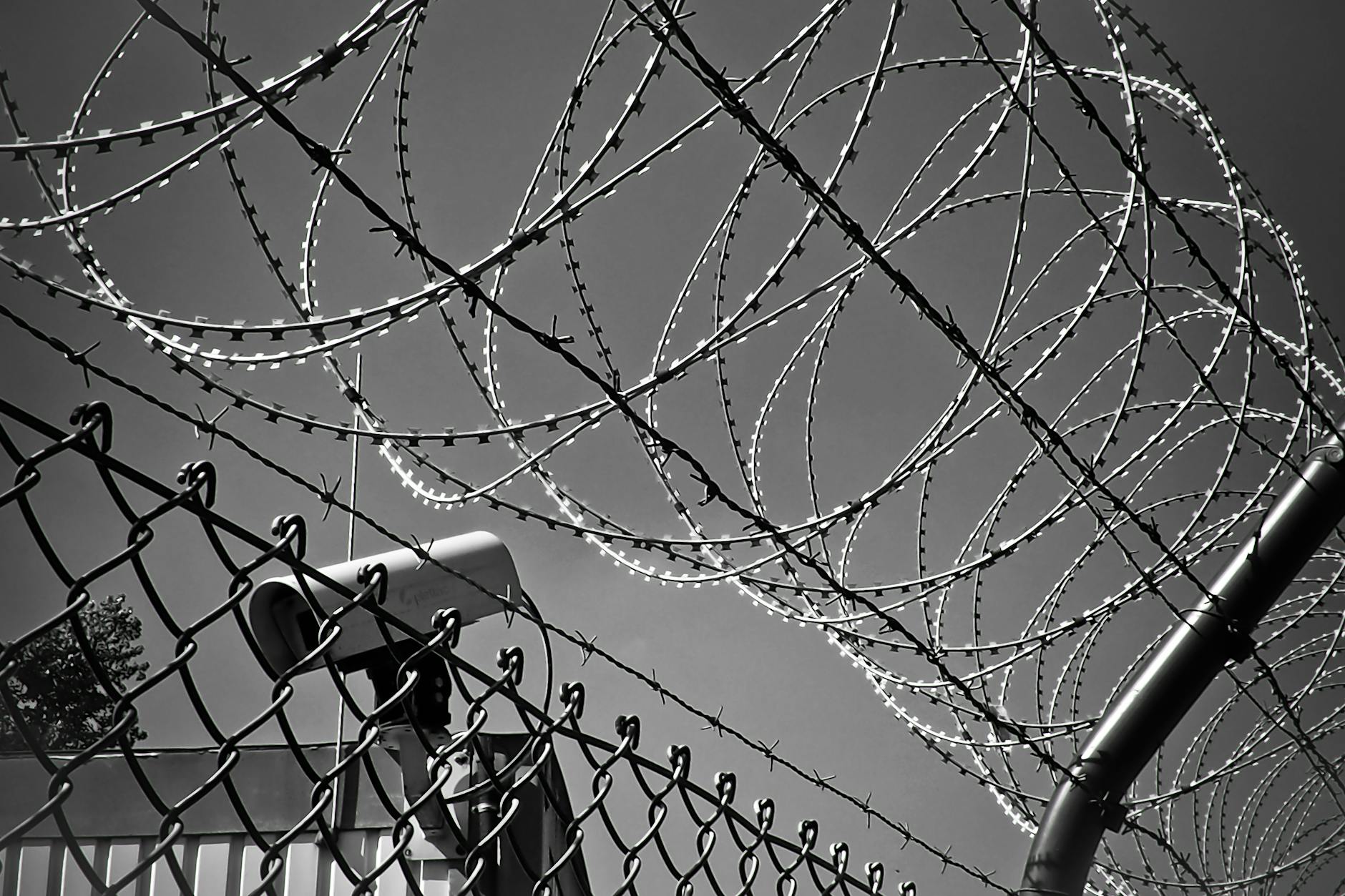
Electric and alarmed fences
Pros: strong psychological and physical deterrent. Cons: legal and compliance considerations, maintenance and ongoing energy costs (solar options available).
Typical installation cost for electric fence: R 8,000–R 30,000 (~USD 421–1,579) depending on length and integration with alarm systems.
Timber and composite fencing
Pros: warm, residential look; suitable for gardens. Cons: lower security unless reinforced; maintenance is required in coastal climates.
Typical cost: R 700–R 1,800 per metre (~USD 37–95).
Gates and automation
Automated sliding or swing gates improve access control but need reliable installers and backup systems for power outages.
Typical cost: R 6,000–R 25,000 (~USD 316–1,316) depending on automation and gate size.
CCTV and lighting: detection and deterrence
Modern CCTV and lighting form the detection layer for most South African homes. Systems range from budget DIY cameras to professionally monitored solutions integrated with alarm companies.
CCTV best practices
- Place cameras to cover access points, driveways, and blind spots. Avoid pointing at public sidewalks to reduce privacy issues.
- Use IP cameras with remote viewing, night vision, and at least 2–4K resolution for license plate recognition if needed.
- Consider monitored systems with a security company for faster response; check compatibility with alarm panels and solar power if needed.
System cost example: R 3,000–R 35,000 (~USD 158–1,842) depending on number of cameras and professional installation.
Lighting strategy
Good lighting improves natural surveillance and reduces concealment areas. Use a mix of:
- Motion-sensor floodlights at entry points
- Low-level path lighting for safety
- Warm, white LED fixtures that consume less power and work with solar battery backups
Planting choices: defensive landscaping that still looks good
Plants can form part of the security strategy. Use thorny, low-maintenance species under windows (e.g., vygies, bougainvillea with trellising, pyracantha) and keep hedges trimmed below eye level to preserve sightlines. Avoid tall dense shrubs close to gates and entrances; these create hiding spots. Indigenous, drought-tolerant species reduce maintenance and water costs while supporting local biodiversity.
Legal, HOA and municipal considerations
Before installing fences or electrified systems, check municipal by-laws, sectional title rules, and Homeowners’ Association (HOA) architectural guidelines. Electrified fencing and certain spikes or blades may be restricted. Use registered installers, obtain required permits, and ensure compliance with SABS standards where applicable. Non-compliance can lead to costly removal orders or fines and may affect insurance claims.
Insurance, budgets and ROI for investors
Insurers may offer premium reductions for professionally installed alarm systems, monitored CCTV or burglar bars. Keep records of installations, invoices, and service contracts. Budget realistically: a mid-range upgrade (brick wall topping, CCTV, motion lighting) for a typical suburban property will often cost between R 40,000–R 120,000 (~USD 2,105–6,316), but can protect a much larger potential loss and improve tenant attractiveness.
Investors should see security upgrades as risk management that can reduce vacancy, protect rental income, and enhance resale value. In neighbourhoods with higher perceived risk, security measures can justify higher rents and faster lettings.
Installation and maintenance: avoid common mistakes
Common errors include poor camera placement, weak gate automation without manual override, low-quality electrified fence installations, and planting that obstructs sightlines after growth. Use reputable, registered installers; insist on warranties and service agreements; schedule seasonal checks for cameras, lighting, and fences; and keep vegetation trimmed to maintain visibility.
Actionable tips and key strategies
- Start with CPTED: evaluate sightlines, access points and natural surveillance before choosing fencing style.
- Mix soft landscaping (thorny, low hedges) with hard measures (walls, palisade) to balance aesthetics and deterrence.
- Prioritise lighting and cameras at entry points; these offer high deterrence for modest cost.
- Get written approvals from HOAs and municipal authorities before major changes to the perimeter.
- Choose installers registered with recognised security associations and request SABS-compliant equipment for electrified systems.
- Keep a maintenance log for all security systems to support insurance claims and resale value.
Role of KILICASA
KILICASA helps buyers, investors and landlords in South Africa make informed property choices by simplifying property administration and improving match-making between properties and buyers or tenants. Our portal aggregates listings with clear property descriptions, including security features, fencing types and access control details — making it easier to compare properties by safety features. For landlords, our tools streamline documentation and tenant onboarding so security improvements can be listed and verified quickly, reducing letting times and improving transparency for prospective tenants and investors. Learn more at kilicasa.co.za.
Conclusion
Security landscaping in South Africa is not just about erecting a fence — it’s a strategic combination of CPTED principles, suitable perimeter fencing, intelligent lighting, effective CCTV and smart planting. For buyers and investors, the right mix lowers risk, protects income and improves desirability. Always check municipal and HOA rules, use registered installers, and budget for maintenance. Thoughtful security landscaping is a value-add: it protects tenants, assets and reputation while delivering tangible returns. KILICASA, because everyone deserves a place.
Frequently Asked Questions
Do I need permission to build a high wall or electric fence?
Yes—municipal by-laws and HOA rules often regulate wall height and electrified fencing. Always apply for required permits and get written HOA approval; use registered installers to ensure compliance.
Will security upgrades increase rental yield?
Security upgrades generally increase tenant demand and can support higher rents and lower vacancy in higher-risk areas. Keep receipts and warranties to demonstrate value to prospective tenants or buyers.