
Should I Buy Property in 2026 SA? The Case Against It

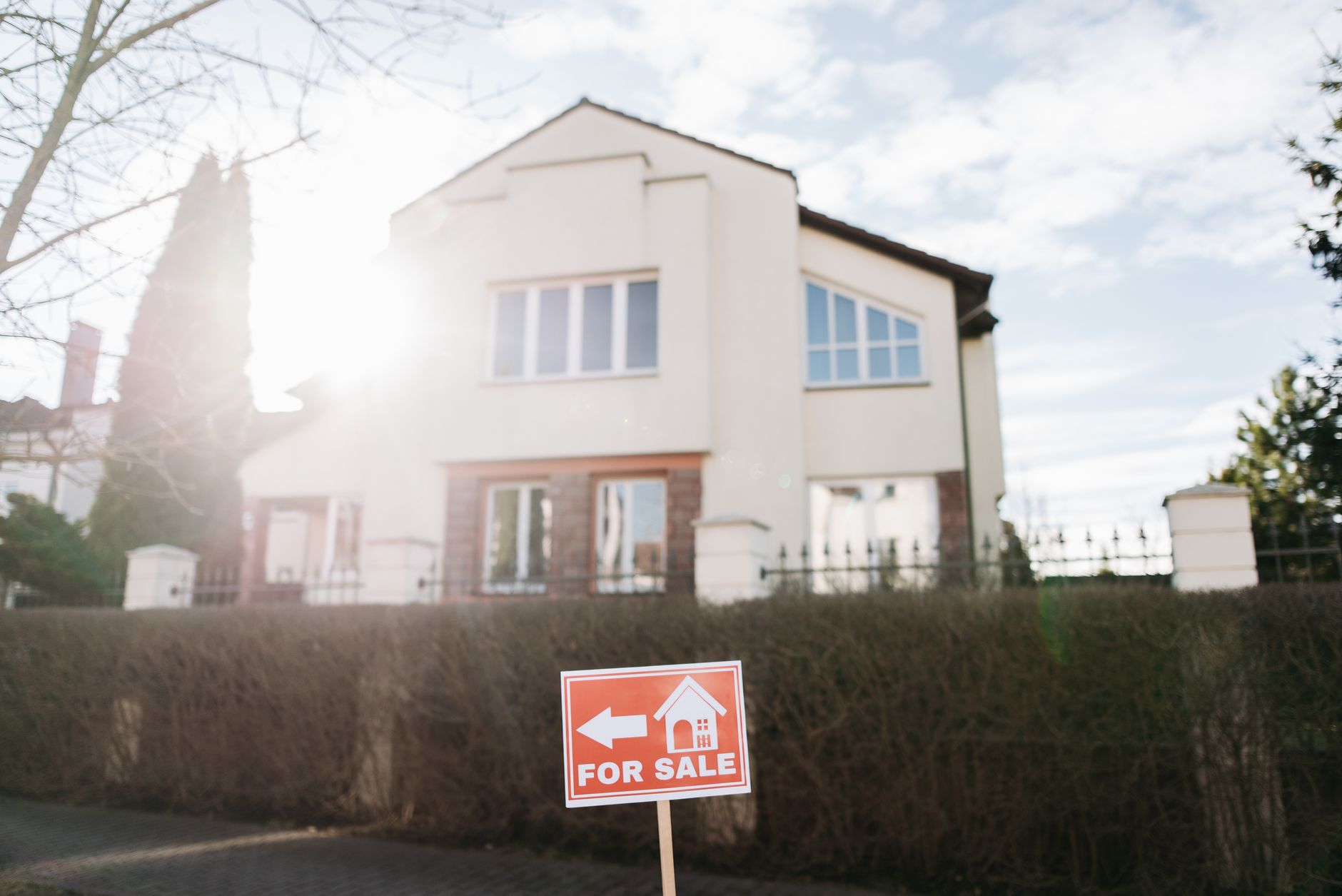
“Is now the right time to buy?” My name is Nathan Fumal, CEO of KILICASA. I explain why buying property in South Africa in 2026 may carry elevated risks.
Introduction
The South African property market always attracts strong opinions. This article examines the case against buying property in 2026 in South Africa, weighing macro risks, local market pressures and practical investor concerns so buyers and investors can decide with clarity.
Why some buyers should pause: macro and economic risks
Many factors outside your control can make 2026 a risky year to buy. South Africa faces slow GDP growth, persistent unemployment, and continued rand volatility. Currency weakness raises the cost of imported construction materials and can erode real returns for investors who benchmark in USD. High inflation and possibility of further interest-rate volatility make bond repayments less predictable: if the South African Reserve Bank tightens again or lending margins widen, bond instalments can rise quickly.
Sources such as the FNB Property Report and Lightstone data have highlighted uneven capital growth across segments since the pandemic. Employment insecurity and stagnating wages reduce the pool of mortgage-ready buyers—pressures that translate into longer days on market and softer prices in marginal locations.
Local structural problems that matter to buyers
Several structural realities in the SA property market increase the buying risk in 2026:
- Load-shedding and municipal service delivery risks: recurring power cuts affect rental demand and resale desirability in certain suburbs.
- Rates and levies pressure: municipal rates and sectional title levies have been rising in many metros, which can erode net yields for buy-to-let investors.
- Rising transaction costs: transfer duty, bond registration fees, conveyancer costs and compliance (FICA, POPIA checks) add 5–8% to transaction cost, plus an unpredictable timeline for transfer.
- Credit constraints: banks tighten affordability tests after rate rises; ooba and BetterBond reports show stricter bond approvals for marginal applicants.
- Segment oversupply: some apartment precincts and new developments in certain suburbs show oversupply, driving competitive rental markets and price stagnation.
Market timing South Africa: why timing risk is real
Market timing is notoriously difficult, and South Africa’s cyclical market can produce periods of correction. Key timing risks in 2026 include:
- Local elections or fiscal policy shifts that may affect municipal finances and investor sentiment.
- Commodity-price shocks that affect the rand and investor confidence.
- Interest-rate reversals: a season of higher rates can reduce buyer affordability fast, squeezing house prices.
For buyers asking "should I buy property 2026 SA", these timing risks mean a mis-timed purchase can lock in poor returns for years—especially for leveraged buyers.
Cashflow and yield pressures for investors
Gross rental yields in many prime suburbs are compressed compared with global norms. For example, a modern 1-bedroom apartment in parts of Cape Town might list around R 1,200,000 (~USD 63,000) with rental yields of 4–6% gross; after levies, rates and maintenance the net yield falls considerably. In Sandton or Rosebank a 2–3 bedroom sectional title apartment priced between R 2,500,000–R 4,500,000 (~USD 130,000–235,000) can have similar yield pressure while carrying higher levies and security costs.
If interest rates rise, mortgage servicing eats into positive cash flow—resulting in negative carry for some investors. This is one of the primary "risks of buying SA property" in 2026.
Alternatives: renting and other strategies (renting alternative SA)
Renting can be a rational alternative in an uncertain market. Benefits include flexibility, avoiding transfer costs and immediate capex, and the ability to wait for clearer market direction. For investors, consider alternative allocations: REITs, fractional property platforms, or high-quality bonds can provide exposure with better liquidity and lower transactional friction.
Renting also preserves mobility for professionals in volatile job markets and allows savers to build cash reserves for an opportunistic purchase later—after any market correction and when clearer price discovery occurs.
When buying still makes sense
Despite the risks, buying can be sensible in specific circumstances:
- Strong cash buyers seeking high-quality properties in supply-constrained suburbs (Clifton, Constantia, certain Cape Town and Johannesburg nodes) where fundamentals remain robust.
- Long-term owner-occupiers with stable employment and capacity to hold through cycles—property remains a long-term wealth store for many South Africans.
- Investors who can afford to buy without excessive leverage, who have contingency for rate hikes, and who target real rental demand corridors (near universities, established business nodes).
Location and purchase price discipline are the most important variables. A well-priced freehold family house in a suburb with limited future supply will behave differently from a luxury unit in a crowded sectional-title block.
Practical transaction risks to consider before signing an OTP
Even if you decide to proceed, mitigate transactional risks:
- Inspect budgets: check rates, levies and historical increases from the body corporate and municipality.
- Confirm bond pre-approval and have a buffer for higher interest rates.
- Factor transfer duty, conveyancer fees and expected maintenance into your affordability calculation.
- Perform forensic checks on sectional title records, building defects and outstanding municipal debts, and request a recent levy clearance certificate.
Actionable tips and key strategies
- Delay non-essential purchases until macro signals stabilise (currency, rates, municipal budgets).
- If you must buy, prioritise cash or low-leverage deals, and seek properties with clear rental demand or structural scarcity.
- Use a conservative stress test: model repayments with repo rate + 3% to ensure affordability in higher-rate scenarios.
- Consider renting short-term while monitoring price movements—this gives flexibility and local market intelligence.
- Work with a conveyancer and reputable estate agent; insist on full disclosure of levies, special levies and arrears before signing an OTP.
Role of KILICASA
KILICASA helps buyers and investors navigate these risks by simplifying matching, administrative tasks and documentation during the property search and transaction. Our platform reduces friction in finding properties that fit strict search filters (budget, location, sectional vs freehold, rental yield targets), and streamlines due diligence so you can compare true holding costs quickly. For investors seeking alternatives, KILICASA surface verified rental and investment listings and connects you to trusted conveyancers and mortgage partners, saving time and lowering transactional uncertainty. Learn more at KILICASA.
Conclusion
Buying property in South Africa in 2026 carries identifiable risks: macroeconomic pressure, rate uncertainty, service-delivery constraints and local supply imbalances. For many buyers—especially leveraged investors and first-time buyers—prudence argues for patience, renting, or exploring alternative exposure until clearer signals emerge. That said, disciplined cash buyers targeting structurally scarce locations can still find opportunities. Evaluate affordability conservatively, stress-test repayments, and prioritise high-quality due diligence.
KILICASA, because everyone deserves a place.
Frequently Asked Questions
Q: Should I buy property in 2026 if I plan to stay 20 years?
A: Long-term owner-occupiers often benefit from holding property through cycles. If you have stable income, low leverage and buy in a location with constrained supply, buying can be a sensible, long-term decision.
Q: What are the biggest short-term risks of buying in 2026?
A: The major short-term risks are interest-rate increases, rand volatility, rising municipal rates/levies, and potential oversupply in some apartment markets—each can reduce yields and resale values.
Q: Is renting a better alternative right now (renting alternative SA)?
A: Renting offers flexibility, avoids high transaction costs, and lets you preserve cash while waiting for clearer market direction. It is often the rational short-term choice in uncertain cycles.
Q: How can KILICASA help me decide?
A: KILICASA provides targeted search filters, verified listings, and administrative support to compare holding costs and find properties that match conservative investment criteria, reducing timing and transactional risk.
Discover KILICASA, your real estate partner in South Africa
Photo by Pavel Danilyuk on Pexels

