Should You Renovate Before Selling in South Africa?

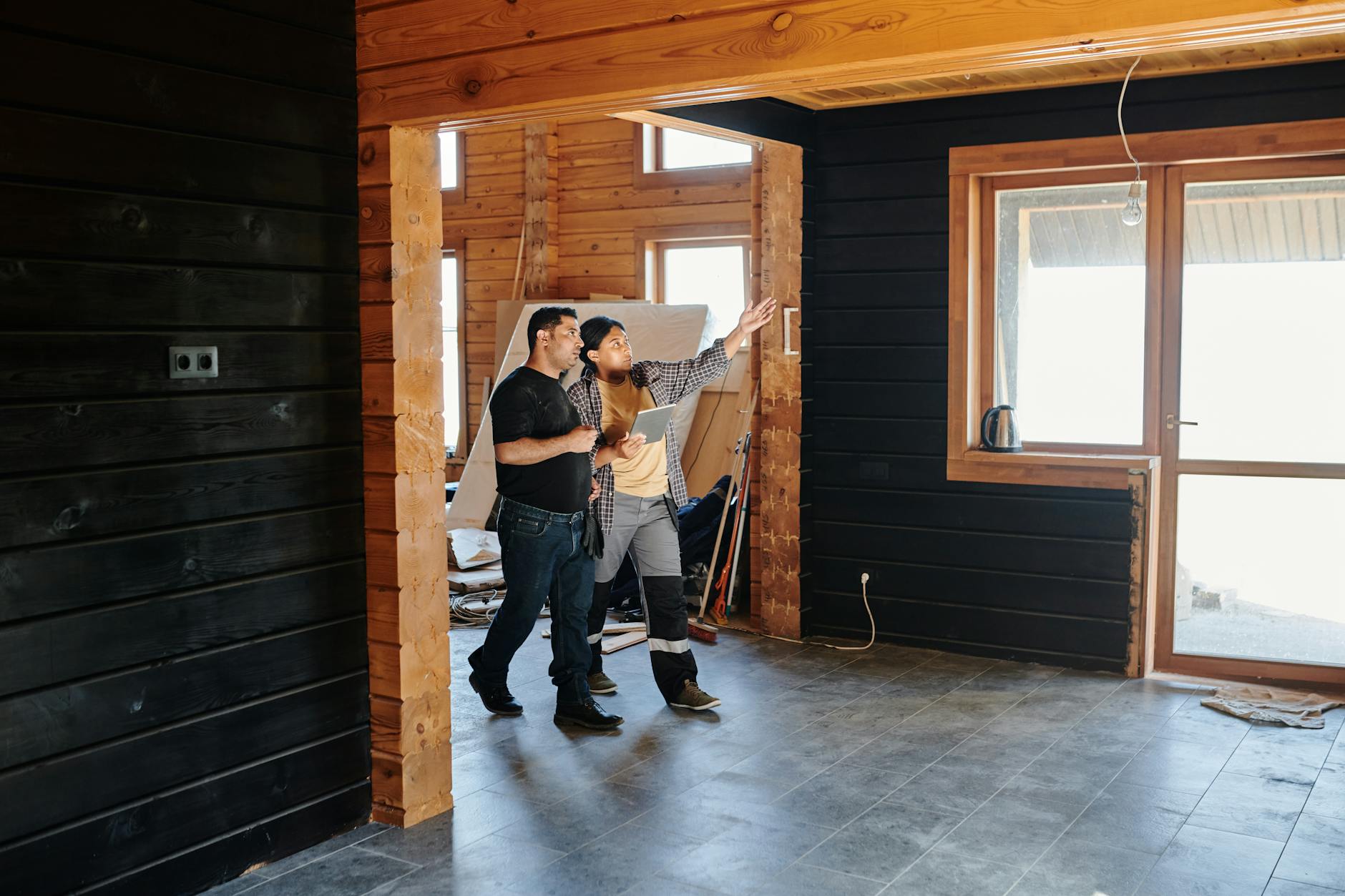
"Will a facelift raise my sale price or just eat my margin?" This guide helps South African sellers weigh ROI, risks and renovation priorities before listing their property.
Introduction
Deciding whether to renovate before selling in South Africa is one of the most common dilemmas for homeowners and investors. With patchy economic growth, rising interest rates in recent cycles and variable demand across regions, a poor renovation decision can cost you both time and money. Conversely, targeted, data-driven improvements can lift your sale price, shorten time on market and attract better-qualified buyers.
Why the question matters in the South African market
South Africa's property market is far from uniform. Premium suburbs in Cape Town (Clifton, Camps Bay, Constantia) and Johannesburg (Sandton, Hyde Park, Melrose Arch) behave differently to mid-market nodes or smaller towns. Buyers in high-end areas often expect turnkey finishes; in emerging suburbs, buyers may prefer a lower price with scope to renovate. Market timing, buyer profile and the costs of renovation (labour, materials, permits) will determine whether an improvement is an investment or a sunk cost.
How to assess potential ROI: a framework
Use this step-by-step framework before committing to any pre-sale renovation:
- Market analysis: Check comparable sales ("comps") in your suburb for recently sold homes that were renovated versus unrenovated. Use local reports from FNB Property Report, Lightstone and PropStats where possible.
- Buyer profile: Identify your likely buyer — family, young professional, investor or downsizer. Each values different elements (schools, low-maintenance finishes, rental-ready features).
- Cost-to-value ratio: Estimate renovation costs and conservative uplift in sale price. If expected uplift is less than costs plus selling fees, avoid the work.
- Time and market window: Renovations can add months. If you're in a sellers’ market you may not need to renovate; in a buyer’s market, upgrades could be necessary to compete.
- Permits and legalities: For structural changes or new electrical/plumbing installs, factor in municipal approvals and compliance certificates (electrical compliance, water connection approvals).
Which upgrades typically deliver the best ROI in South Africa?
Not all renovations are equal. Local agents and data consistently show certain projects provide stronger returns:
Kitchens and bathrooms — targetted rather than luxury
Minor kitchen refurbishments (new cabinetry doors, countertops, updated appliances) and bathroom refreshes (new vanities, re-grouting, modern taps) usually deliver strong perceived value. Full high-end remodels may not return proportionally higher prices unless the property sits in a premium area. A sensible kitchen refresh might cost R 80,000–R 200,000 (~USD 4,200–10,500) and can meaningfully improve buyer perception.
Kerb appeal and cosmetic fixes
First impressions matter. Fresh exterior paint, clean landscaping, replacing broken pavers and tidy front gates have low costs and quick returns. Interior repainting in neutral tones, replacing worn carpets or fitting new vinyl planks often gives immediate uplift.
Electrical, plumbing and safety certifications
Providing compliance certificates (a COC for electrical where applicable, a plumbers' certificate and a gas certificate if relevant) reduces buyer uncertainty and can speed transfer. Fixing hidden defects that appear on inspection is better done before listing than as negotiation setbacks during sale.
Energy efficiency and small tech upgrades
Solar-ready plumbing, geyser blankets, LED lighting and basic smart locks are relatively inexpensive in South Africa but attractive to buyers concerned about rising utility costs and convenience.
Projects with lower or risky ROI
Certain renovations often fail to add direct sale value and risk overcapitalisation:
- High-end bespoke finishes that don’t match neighbourhood comparables — you risk pricing yourself out of the market.
- Adding a granny flat or converting garages without planning approval can delay transfer and incur penalties.
- Extensive structural additions in suburbs where yield per square metre is capped by location — always compare costs with local price per m².
When to sell as-is
Selling without renovating is often the smartest choice when:
- Your property competes well against renovated comps (for instance, in fast-moving suburbs with scarce stock).
- The cost and time of renovation exceed expected uplift.
- You are an investor looking to exit quickly or sell to another investor who values potential over finished product.
- Market data shows buyers are seeking bargains with scope to improve themselves.
Pricing strategy and negotiation tips
If you decide not to renovate, price appropriately and market the home’s potential. Highlight strong bones (good roof, solid structure) and include realistic cost estimates for a buyer to renovate — this can attract DIY buyers and investors. If you renovate, keep receipts and warranties and disclose municipal approvals; these documents reassure buyers and can be leveraged during negotiation.
Practical cost examples and scenarios
Below are illustrative examples using approximate costs and conservative sale uplifts (exchange approximated at ZAR 19 = USD 1):
- Small cosmetic refresh (paint, garden, new taps): Cost R 25,000 (~USD 1,300) — likely uplift R 40,000–R 70,000 (~USD 2,100–3,700).
- Mid-range kitchen/bathroom refresh: Cost R 150,000 (~USD 7,900) — possible uplift R 200,000–R 300,000 (~USD 10,500–15,800) in favourable suburbs.
- Extensive renovation or addition: Cost R 800,000 (~USD 42,000) — uplift depends heavily on location; can be hard to recover in mid-market areas.
These figures are illustrative; always obtain multiple contractor quotes and consult your estate agent for realistic uplift estimates based on recent local sales.
Pitfalls to avoid
Common mistakes sellers make include:
- Overcapitalising — spending more than the neighbourhood supports.
- Ignoring council and sectional title rules — body corporate approval is required for many external changes in sectional title schemes.
- Underestimating hidden costs — VAT on contractor services (where applicable), municipal inspections and compliance certificates.
- Poor timing — renovations that clash with seasonal market slowdowns can extend time to sell.
Actionable tips and renovation priorities
- Start with a market-accurate agent valuation and a renovation estimate from a reputable contractor.
- Prioritise kerb appeal, paint, kitchen and bathroom touch-ups, and safety/compliance certificates.
- Keep finishes neutral and durable to appeal to the widest buyer pool.
- Document all work with invoices, guarantees and approvals to reassure buyers and speed conveyancing.
- If unsure, stage rather than renovate — professional staging often increases perceived value at lower cost.
Role of KILICASA in pre-sale renovation decisions
KILICASA helps sellers weigh renovation decisions with data and operational support. Our portal aggregates local market signals and matches your property with likely buyer profiles, so you can see whether your suburb favours turnkey homes or value-for-money projects. KILICASA also simplifies admin — storing compliance documents, contractor quotes and buyer inquiries in one place to accelerate offers and reduce time on market. For investors managing multiple properties, our platform helps prioritise which units are worth a refresh and which should be sold as-is.
Conclusion
Renovating before selling in South Africa can pay off — but only when grounded in local market realities, realistic cost-to-value calculations and clear knowledge of your buyer. Prioritise kerb appeal, kitchens, bathrooms and compliance certificates; avoid overcapitalising on bespoke or high-end touches in mid-market areas. Use data from local sales reports and consult estate agents familiar with your suburb. Whether you choose to renovate or sell as-is, the goal is the same: reduce buyer uncertainty, speed up offers and maximise net proceeds after transfer costs and agent fees. For personalised insight and tools to guide your decision, visit KILICASA and see how tailored market data can inform your next move.
KILICASA, because everyone deserves a place.
Frequently Asked Questions
Will a small cosmetic refresh guarantee a higher sale price?
Not guaranteed, but small cosmetic works (paint, landscaping, decluttering) often improve buyer perception and speed up sale. They’re low-cost with typically positive returns in most South African suburbs.
How do I avoid overcapitalising on renovations?
Compare your planned spend to recent sold prices per square metre in your suburb. Speak to an agent, get contractor quotes and consider target buyer expectations before committing to major works.
Should investors always sell as-is?
Not always. Investors who need quick exits may sell as-is, but those aiming for maximum price can benefit from targeted upgrades that attract higher offers — especially in in-demand neighbourhoods.
What paperwork should I prepare if I renovate before selling?
Keep contractor invoices, guarantees, municipal approvals, electrical/plumbing compliance certificates and any body corporate approvals. These speed up conveyancing and reduce buyer objections.
Discover KILICASA, your real estate partner in South Africa
Photo by Mikael Blomkvist on Pexels