Smart Homes South Africa: A Buyer's Guide for Property Investors


“How will smart homes change property value in South Africa?” A practical guide for buyers and investors on home automation, load-shedding resilience and ROI.
Why smart homes matter in South Africa
Smart homes and home automation for buyers are no longer a futuristic luxury — they are an asset differentiator. In South Africa, where load-shedding, rising energy costs and security concerns shape buyer priorities, properties equipped with smart systems command stronger interest and can deliver higher rental yields and resale premiums. Proptech innovations and portals such as KILICASA are helping buyers find smart-ready listings faster and complete admin tasks more efficiently, boosting market transparency for domestic and international investors.
How local conditions shape smart-home demand
Three local realities accelerate adoption: persistent load-shedding, high municipal tariffs and crime-related security concerns. Buyers increasingly prioritise:
- Energy resilience — integrated solar, battery storage, inverter systems and smart energy management.
- Remote security — smart cameras, alarm integrations and monitored access that lower insurance premiums.
- Water management — smart meters and geyser controllers that reduce utility bills and increase sustainability.
Lightstone and FNB reports show demand for energy-efficient and secure homes rising in premium suburbs (Constantia, Camps Bay, Sandton) and emerging investment nodes (Rosebank, Observatory).
Core smart home features buyers should prioritise
Not all smart features deliver equal value. Focus on systems that respond to South Africa’s market realities and offer clear ROI:
- Power resilience: Hybrid solar + battery + smart inverter with automatic changeover. Essential for frequent load-shedding.
- Smart security: IP cameras, motion sensors, monitored alarm panels and intercoms integrated with mobile apps.
- Energy management: Smart plugs, lighting control, and a home energy management system that reduces consumption peaks.
- Water-saving tech: Geyser timers, leak detectors and greywater systems to cut municipal bills.
- Connectivity: Reliable fibre or LTE backup, strong Wi‑Fi mesh and VLAN planning for multiple devices.
For sectional title properties, check if the body corporate permits external installations (solar panels, satellite dishes) and whether levies include maintenance of shared smart amenities.
Costs, ROI and financing smart upgrades
Smart-home investment ranges widely depending on scale:
- Basic security package: R 8,000–R 30,000 (~USD 420–1,580).
- Room-level automation and lighting: R 20,000–R 80,000 (~USD 1,050–4,200).
- Full-home automation (lighting, climate, security, audio): R 60,000–R 250,000 (~USD 3,160–13,160).
- Solar & battery systems (residential): R 80,000–R 400,000 (~USD 4,210–21,050), depending on capacity.
Expected ROI differs by type: security and power resilience often provide the quickest perceived value to tenants and buyers, increasing occupancies and justifying higher rent. FNB Property Report and local estate agents note premium suburbs may see a 5–10% uplift for well-integrated smart features; for rentals, yield advantages can be 0.5–1% higher annually.
Financing options include home loans with improvements (bond top-ups), personal loans, or vendor-financed upgrades. When purchasing, factor these costs into your Offer to Purchase (OTP) negotiations — sellers may discount a non-smart home or include upgrades as a condition.
Buying smart-ready vs retrofitting: a decision framework
Decide based on inspection, cost and the property's wiring/fabric:
- Smart-ready home: Pre-installed wiring, conduit, structured network, and solar-ready roofs reduce retrofit costs and installation time. Premium for such listings is common in newer developments and boutique estates.
- Retrofit: Often necessary in older stock (Cape Town Victorian homes, Johannesburg period properties). Expect higher labour costs and possible rewiring; however, targeted retrofits (security, solar) can be highly cost-effective.
Ask the seller for system documentation, warranties, software access, device accounts, and whether systems are proprietary (vendor-locked) or open-standard (easier to extend). Check whether a smart system transfers with the property (important for OTP and conveyancer paperwork).
Legal, insurance and body-corporate considerations
Important checks before purchase:
- Confirm transferability: Does the smart system belong to the owner or is it leased? Clarify during conveyancing.
- Insurance implications: Many insurers offer discounts for monitored alarms and sprinkler/automatic shutoff systems; provide quotes to underwriters before finalising premiums.
- Sectional title rules: Body corporate approval may be required for external installations. Levies may be affected by shared amenities like communal smart lighting or access control systems.
- POPIA & data privacy: Smart devices collect data. Buyers should confirm vendors’ compliance with POPIA and secure cloud account transitions to avoid data breaches or access issues.
How to evaluate a smart property on viewing
Bring a checklist and, if possible, a technical expert:
- Request a live demo of app control, camera feeds and automation routines.
- Inspect network infrastructure: Is there a dedicated router, UPS for critical devices, and documented network layout?
- Check service contracts and warranties for solar inverters, batteries and alarm monitoring.
- Run basic tests: do lights respond, are camera recordings accessible, does the backup system switch over seamlessly during a simulated outage?
Actionable Tips & Key Strategies
- Prioritise power resilience first: a small inverter + UPS keeps routers and security online during load-shedding.
- Choose open-standard ecosystems (Zigbee, Z-Wave, MQTT) to avoid vendor lock-in and ease future upgrades.
- Negotiate for included warranties and written transfer of accounts in the OTP to protect future access.
- Use smart upgrades to market rental properties at a premium; highlight quantified savings (kWh, water litres) in listings.
- Budget 10–15% contingency for retrofits in older homes due to hidden wiring or structural works.
Role of KILICASA
KILICASA brings proptech SA real estate efficiencies to your smart-home journey. Our portal matches buyers with smart-ready and energy-resilient listings, automates admin (OTP, document handling, FICA checks) and connects you to vetted installers and conveyancers. For investors, KILICASA’s streamlined workflow reduces time-to-offer and simplifies due diligence, enabling faster, safer decisions in a market where timing and verified property data matter.
Visit KILICASA to search smart-ready properties and access tailored support during purchase and handover.
Conclusion
Smart homes in South Africa are a strategic play for buyers and investors who want resilience, reduced running costs and stronger market appeal. Prioritise energy resilience, security and open systems; budget realistically for retrofits; and protect value through clear conveyancing clauses and insurance alignment. With growing proptech integration, tools like KILICASA make it easier to find smart-ready properties, manage paperwork and connect with trusted trades. Whether you aim to live in or let a property, smart investments can deliver measurable benefits in the South African context.
KILICASA, because everyone deserves a place.
Frequently Asked Questions
Do smart features increase resale value in SA?
Yes—especially in high-demand nodes. Well-documented security, energy resilience (solar+battery) and reliable connectivity can increase buyer interest and command price premiums of 3–10% in many suburbs, per local agent feedback and FNB trends.
What are the best upgrades for rental properties?
Prioritise smart security, reliable internet, and power backup. These features reduce vacancy and justify higher rent. Low-cost smart locks and monitored alarms give quick tenant-facing benefits.
Can I finance smart home installations with a bond?
Yes. Options include bond top-ups, home improvement loans or including upgrades as seller obligations in the OTP. Discuss with your conveyancer and lender (ooba, BetterBond) early in the process.
Are smart devices compliant with POPIA?
Devices themselves are neutral; compliance depends on how data is stored and who controls accounts. Request vendor privacy policies, ensure encrypted cloud storage and transfer ownership during conveyancing.
Discover KILICASA, your real estate partner in South Africa
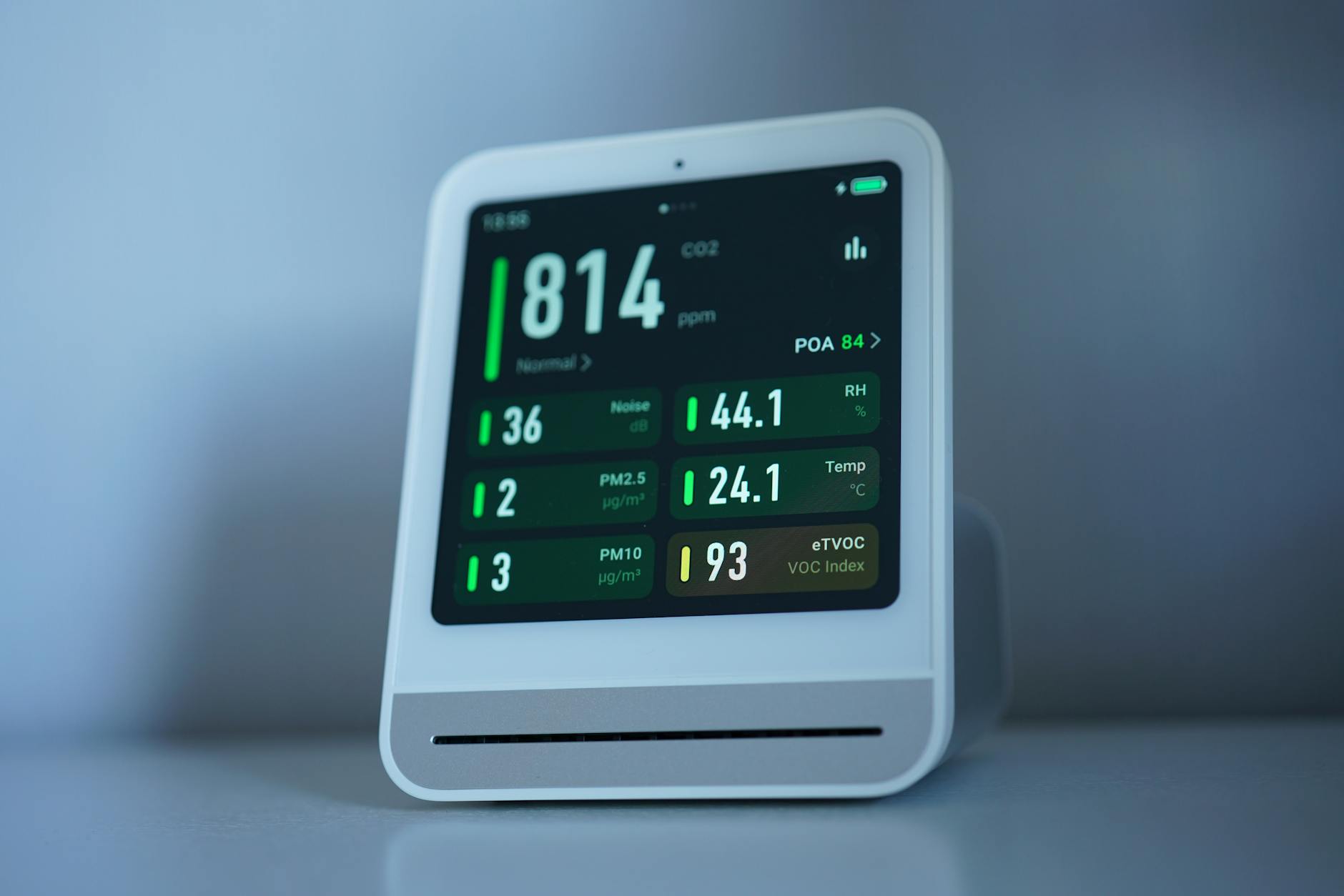
Photo by cottonbro studio on Pexels