Smart Homes South Africa: What Buyers & Investors Need to Know


"Is your home ready to think for you?" Smart homes South Africa blend convenience, security and efficiency—what buyers and investors must weigh today.
Introduction
Smart home technology moved from novelty to mainstream in global markets; South Africa is now following suit. For buyers and investors, understanding home automation SA, IoT property SA, and energy efficient smart homes is essential to make informed purchase, rental or refurbishment decisions.
Why smart homes matter in the South African context
South African homeowners and investors are motivated by three local priorities: security, rising energy costs and tenant demand. Smart cameras, alarm integration and remote locks answer legitimate safety concerns in suburbs and apartment blocks alike. At the same time, load shedding and high electricity tariffs make energy-efficient smart systems — from programmable thermostats to solar+battery management — highly attractive.
For investors, smart features are no longer "nice-to-have". They improve tenant retention, justify higher rentals in urban nodes like Cape Town’s Sea Point or Johannesburg’s Sandton, and can increase resale value in competitive markets such as Rosebank or Melrose Arch.
Core smart home technologies to know
Understanding the technology stack helps buyers and investors prioritise spend:
- Security and access: Smart locks, integrated alarm panels, CCTV with cloud access and real-time alerts.
- Energy management: Smart meters, thermostats, solar inverters with intelligent controllers and battery management systems.
- Lighting and convenience: App or voice-controlled lighting, motorised blinds, and automated scenes for comfort and energy savings.
- Connectivity and IoT hubs: Robust Wi‑Fi, mesh networks, and local hubs (Zigbee/Z‑Wave) that reduce latency and improve reliability.
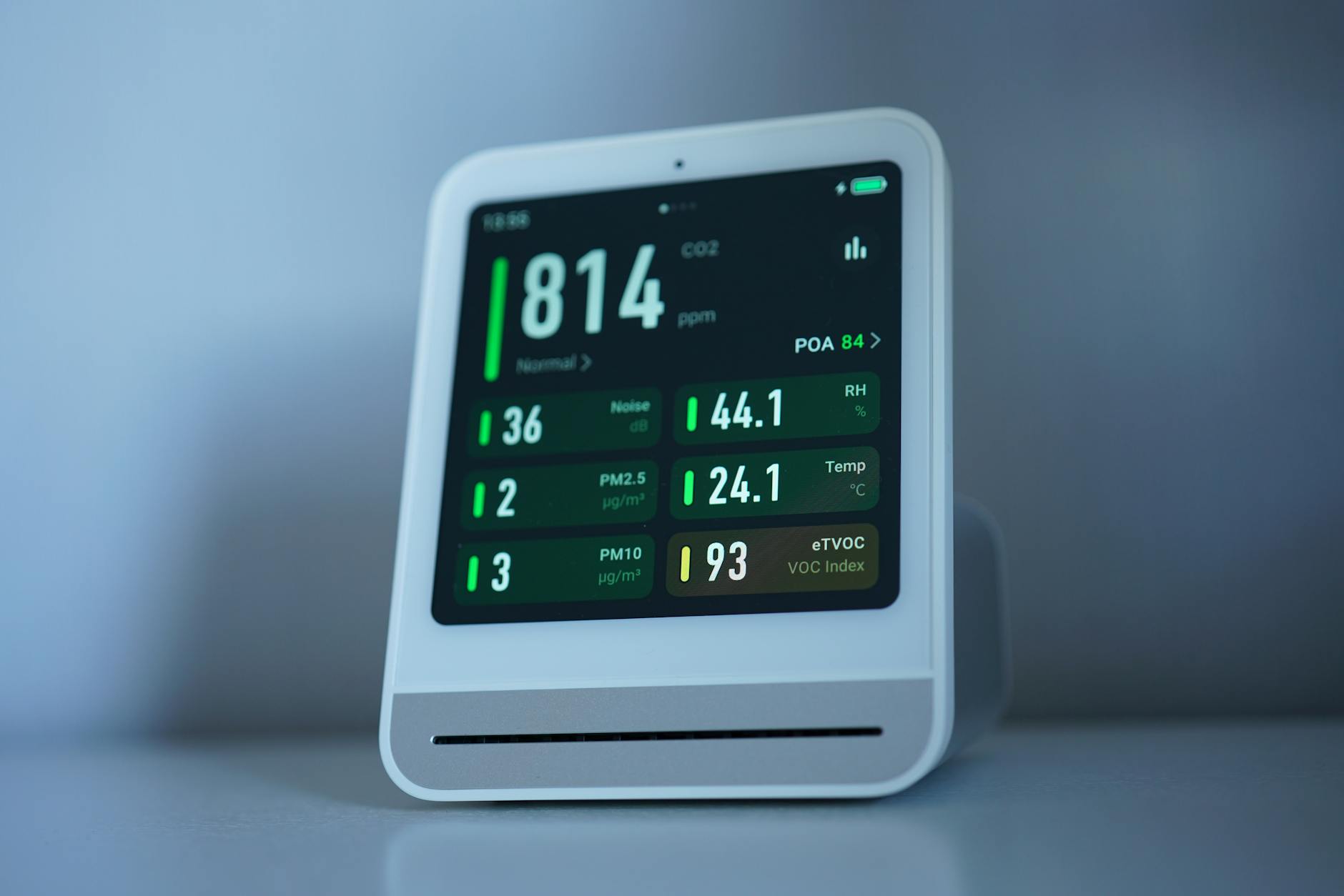
- Integrated entertainment & wellness: Smart TVs, multi-room audio and environmental sensors (CO2, humidity) that support healthier living spaces.
What “smart” actually means for property managers
A smart property is more manageable: remote inspections, automated tenant onboarding tasks, and predictive maintenance alerts (e.g., leaking pipes or HVAC failures). These features reduce operational friction and can cut management costs — a direct benefit for landlords and sectional title trustees.
The investment case: yield, value and tenant expectations
Smart upgrades can be staged to match budget and target returns. Basic security and connectivity upgrades offer quick rental premium potential; deeper integrations (energy systems, home automation) increase capital value and appeal to premium buyers.
Examples of staged investment:
- Entry-level (R 10,000–R 35,000 (~USD 525–USD 1,835)): Wi‑Fi upgrade, smart locks, basic cameras and smart plugs — fast tenant-facing improvements.
- Mid-range (R 35,000–R 150,000 (~USD 1,835–USD 7,875)): Integrated security, smart thermostat, efficient lighting and some solar-ready infrastructure.
- High-end (R 150,000+ (~USD 7,875+)): Full home automation, solar+battery, energy management, bespoke scenes and integration with home management platforms.
Return on investment depends on location, property type (freehold vs sectional title) and tenant profile. In prime locations like Clifton or Constantia, buyers expect premium features; in student or starter markets, cost-effective security and connectivity will win tenants.
Costs, savings and realistic ROI
Calculate both upfront costs and ongoing savings. Smart energy systems can reduce monthly electricity bills and provide load-shedding resilience — a strong selling point. Expect payback on moderate energy investments (e.g., solar + inverter + smart controller) over 5–8 years depending on tariffs and usage.
Account for ongoing subscription fees for cloud services, video storage and advanced security monitoring. Also include maintenance and replacement cycles for batteries or sensors when modeling ROI.
Legal, compliance and security considerations
South African buyers and investors must navigate privacy, data and body corporate rules:
- POPIA: Camera footage, tenant data and app logs fall under personal information protections — establish clear consent and retention policies.
- Bond and transfer considerations: Major built-in automation or solar installations should be declared to your conveyancer and bank; some banks may require special valuation notes for bonded properties.
- Sectional title & levies: Trustees must approve common-area installations (Geysers, CCTV, security gates) and budget for ongoing service and replacement costs.
- FICA & ECTA: When transacting devices included in sale or rental agreements, ensure contractual clarity on warranties, warranties and digital service transfers.
Cybersecurity is also critical — default passwords, unsecured IoT devices and poor network segmentation create vulnerabilities. Always enforce strong credentials, firmware updates and separate guest networks for renters.
Design, resale and staging tips
Smart installations should be visible enough to be perceived as value-add, but discreet and professionally installed to avoid a DIY aesthetic. For resale, document systems clearly: wiring diagrams, app credentials (handled securely during sale), warranties, and maintenance history. Buyers prefer items that integrate with mainstream ecosystems (Apple HomeKit, Google Home, Amazon Alexa) and that won’t become obsolete quickly.
Actionable tips for buyers and investors
- Audit needs first: Prioritise security and reliable connectivity before luxury automation.
- Choose modular systems: Start small and ensure components can be expanded without replacing the whole platform.
- Budget for services: Include subscription and maintenance costs in yield calculations.
- Insist on professional installation and warranty, especially for solar, inverters and battery systems.
- Document everything for transfer: warranties, app credentials and trustee approvals where relevant.
Role of KILICASA
KILICASA helps investors and buyers match to properties that already reflect smart investments and provides administrative tools that reduce friction during transactions. Our portal simplifies documentation, tenant matching and administrative compliance — enabling faster deals for properties with smart features. Use KILICASA to list smart-enabled homes or find properties with the energy and security features your tenants expect.
Conclusion
Smart homes in South Africa are a lifestyle and investment trend driven by security concerns, energy pressures and tenant expectations. For buyers and investors, the smartest approach is strategic: audit needs, choose scalable systems, account for legal and operational costs, and prioritise professional installation and cybersecurity. When executed well, smart upgrades enhance yield, reduce operating headaches and increase resale appeal.
KILICASA, because everyone deserves a place.
Frequently Asked Questions
Are smart home upgrades worth it in South Africa?
Yes—when targeted. Security and energy management deliver the fastest tenant and cost benefits. Full automation adds value in premium markets but should be staged to manage cashflow and ROI.
What legal steps must I take when selling a smart-enabled home?
Disclose installations to your conveyancer and bank, obtain trustee approval where needed, comply with POPIA for data, and hand over documented credentials and warranties to the buyer during transfer.
Discover KILICASA, your real estate partner in South Africa
Photo by Jakub Zerdzicki on Pexels