Solar PV South Africa Homes: Load Shedding & Property Value
"Lights out: does it cut home value?" I'm Nathan Fumal, CEO of KiliCasa — here I cover how load shedding and solar PV retrofits reshape SA property values.
Introduction: Why this matters now
Load shedding is more than an inconvenience — it is a market force. For buyers and investors, the presence (or absence) of reliable power and retrofit-ready solar systems can change buyer demand, rental yields and resale prices across South Africa.
How load shedding changes buyer priorities
Over the last decade, repeated power interruptions have shifted buyer and tenant priorities. Where once location, finishes and security dominated, reliable power and backup now rank near the top for many buyers and renters in urban nodes such as Cape Town’s Sea Point and Johannesburg’s Sandton.
Demand dynamics:
- Premium neighbourhoods with reliable infrastructure (Clifton, Constantia, Melrose Arch) still command top prices, but buyers expect integrated backup power or solar PV as part of the offering.
- Properties lacking basic backup suffer longer time-on-market and deeper negotiation on price — evident in suburbs where buyers compare comparable properties with and without solar installations.
Solar PV South Africa homes: retrofit demand and valuation effects
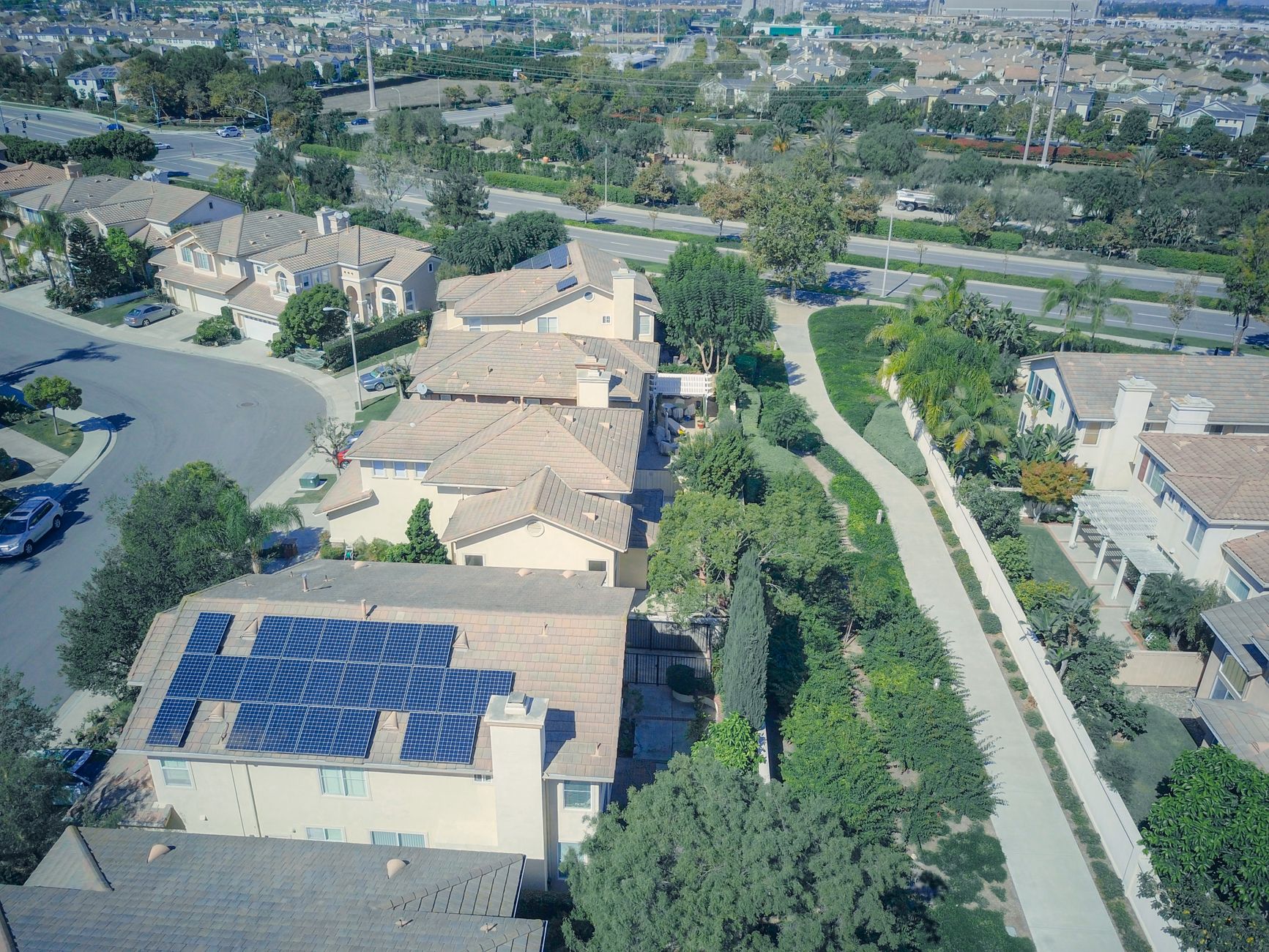
Solar PV South Africa homes are now a mainstream asset feature. Owners choose rooftop solar, battery storage (Li-ion), and hybrid inverters to reduce dependence on Eskom and municipal outages. These systems vary by size — a typical 3–5 kW PV system for a 2–3 bedroom apartment vs a 6–10 kW system plus 5–10 kWh battery for a family home.
Valuation impacts:
- Direct uplift: Independent surveys and broker feedback indicate buyers may pay a premium for properties with correctly sized, professionally installed PV + battery systems — commonly 3%–7% above comparable non-equipped homes in the same suburb.
- Rental and yield uplift: Landlords who offer guaranteed power solutions can command higher monthly rent and achieve lower void periods — improving net rental yields by an estimated 0.5–1.5 percentage points, depending on market.
Backup power real estate: options and market perception
Backup power real estate solutions range from simple geyser timers and UPS units to full-home solar + battery systems and diesel generators. Market perception differs by option:
- Diesel generators: Seen as reliable but noisy, costly to run and less desirable in premium residential pockets (environmental and odour concerns).
- Hybrid systems (solar + battery): Market-preferred — cleaner, quieter and perceived as long-term capital improvements.
- Partial solutions (inverters, solar for essential circuits): Attractive to budget buyers but rated lower than full-home systems by investors.
Examples: price context and buyer expectations
Example price signals you may encounter in 2024–2026:
- A 1-bed apartment in Cape Town central: R 1,200,000 (~USD 63,000). A fitted 3 kW PV and minimal battery can cost R 60,000–R 120,000 (~USD 3,000–6,300) and may shave sale time and improve offer strength.
- A 3-bed freehold home in Johannesburg suburbs: R 3,500,000 (~USD 184,000). A full 6 kW PV + 10 kWh battery system costs R 180,000–R 350,000 (~USD 9,500–18,400) but can add perceived value and command higher rent.
- High-end properties in Constantia or Clifton (R 15,000,000+ (~USD 789,000+)): buyers expect high-spec green credentials, integrated solar, and smart-home energy management.
Green building premium South Africa: is it real?
There is growing evidence of a green building premium South Africa. Accredited green certifications (Edge, Green Star) and visible sustainability investments can attract international buyers and corporate tenants willing to pay for efficiency and ESG alignment. While premiums vary by location and certification level, premium brackets of 3%–10% have been observed for buildings with strong sustainability credentials in prime areas.
Valuation nuances: what appraisers and lenders look for
When assessing load shedding property value, valuers and lenders examine:
- System documentation and warranties (invoices, installation certificates, SANS compliance)
- Battery health, inverter capability and net export/import arrangements
- Operating costs (maintenance, insurance, battery replacement schedule)
- Municipal constraints (PV export rules, grid-tie policies, sectional title levies)
FNB Property Report, Lightstone data and major bond originators expect clear documentation before accepting solar retrofits as value-adding assets for loan applications.
Investment math: payback, resale and risk
Investors must run realistic scenarios:
- Payback period: Typical payback for a rooftop PV + battery depends on system cost, electricity escalation and time-on-grid. With current tariffs, many systems show paybacks of 5–12 years for full-home systems when considering avoided load-shedding costs and energy bills.
- Resale: A credible, transferrable installation with warranties tends to be more valuable than a hastily assembled DIY system — buyers discount uncertified installs heavily.
- Risk: Battery replacement cost (after 7–12 years), changes in net-metering policy, and municipal regulations can affect long-term returns.
Property management and landlord responsibilities
Landlords must clarify who owns and maintains solar equipment in leases. Practical steps:
- Include maintenance obligations and warranty transfer clauses in the lease.
- Budget for battery lifecycle replacement and periodic inverter servicing.
- Train letting agents to market "backup power" as a premium amenity with clear specs (kW, kWh, expected autonomy hours during outages).
Market signals by segment
Buyers and investors should note:
- Primary residences: homeowners prioritize comfort and resilience; solar retrofits often considered lifestyle upgrades.
- Buy-to-let: investors focus on yield and tenant demand — backup power can reduce vacancy and justify higher rents.
- Developers: new sectional-title projects with centralised PV and battery systems often market faster and at better margins.
Actionable Tips & Key Strategies
- Buyers: insist on professional system certificates, a recent battery health report and transfer of warranties before closing.
- Investors: model rental uplift and reduced vacancy in cashflow scenarios; treat battery replacement as a deferred capital expense.
- Sellers: retrofit with reputable installers, document all work, and highlight autonomy (hours of power during a typical load-shedding event) in marketing materials.
- Agents: use KiliCasa’s matching tools to filter buyers prioritising backup power and tag listings appropriately (solar-ready, battery-backed).
Role of KiliCasa
KiliCasa helps buyers, sellers and landlords navigate this new reality by simplifying administrative tasks and improving matching. Our platform allows sellers to list technical details (system size, battery kWh, installer guarantees) and lets investors filter for "backup power" features. By improving transparency, KiliCasa reduces information asymmetry that often undervalues solar-equipped homes.
Conclusion
Load shedding has reframed what buyers value: continuity of power and sustainability credentials increasingly influence property demand and pricing in South Africa. Solar PV retrofits — when done professionally and documented — deliver tangible market benefits: quicker sales, rental premiums and a measurable green building premium in the right suburbs. For investors, the key is rigorous cost-benefit analysis, certified installations and clear documentation to capture the uplift.
KiliCasa, because everyone deserves a place.
Frequently Asked Questions
Does a solar + battery system always increase resale value?
Not always. Value uplift depends on system quality, documentation, battery health and local buyer preferences. Professionally installed, warrantied systems are more likely to add value.
Can landlords pass solar costs to tenants?
Yes — through higher rent or specific bills — but leases must be explicit about maintenance, ownership and cost-sharing arrangements to avoid disputes.
How do I evaluate a quoted solar retrofit?
Check installer accreditation, SANS compliance, warranties, a written yield estimate, and ensure the battery and inverter specs match your expected autonomy needs.
Discover KiliCasa, your real estate partner in South Africa
Photo by Kindel Media on Pexels