Umhlanga Property Investment: Umhlanga & Umdloti Hotspots

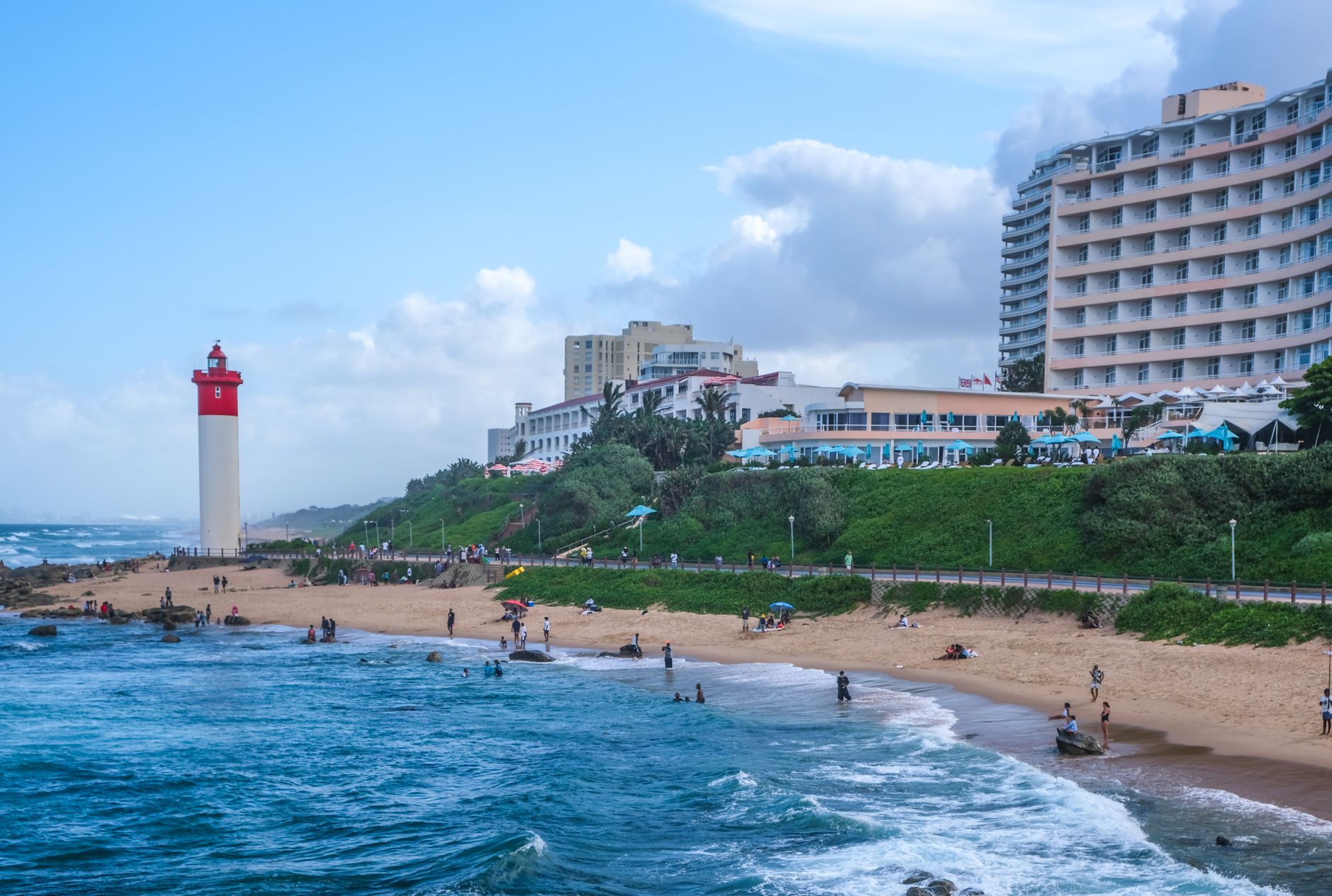
"Is the Durban North Coast the next semigration hotspot?" My name is Nathan Fumal, CEO of KiliCasa, and I cover Umhlanga and Umdloti coastal investment for buyers and investors.
Why investors are choosing the Durban North Coast
Semigration — the movement of homeowners and renters away from major metros like Johannesburg and Cape Town — accelerated after COVID and remote-work flexibility. The Durban North Coast, anchored by Umhlanga and neighbouring Umdloti, has become a primary beneficiary. Attractive climate, coastal lifestyle, improving infrastructure and relative affordability compared to Cape Town premium suburbs make this stretch attractive to domestic and diaspora buyers seeking coastal apartments, holiday homes, or long-term rentals.
Umhlanga at a glance: market profile and neighbourhoods
Umhlanga is a polished coastal node roughly 20 km north of central Durban. It combines high-rise beachfront apartments, gated estates (Umhlanga Ridge), retail hubs (Gateway Theatre of Shopping) and leisure infrastructure (private beaches, marinas). Popular sub-areas include Umhlanga Rocks, Umhlanga Ridge, La Lucia and the Sibaya precinct.
Price guide (2026 realistic ranges): one-bedroom coastal apartments R 1,200,000–R 2,000,000 (~USD 63,000–105,000); three-bedroom sectional-title units R 3,000,000–R 6,000,000 (~USD 157,000–315,000); premium freehold homes in Constantia-style pockets R 8,000,000+ (~USD 420,000+). These figures align with trends reported by local data providers such as FNB and Lightstone showing steady demand for coastal properties outside Cape Town.
Umdloti: the quieter alternative with growth potential
Umdloti is smaller, more relaxed and appeals to buyers prioritising beach access and community feel. It sits north of Umhlanga and offers a village atmosphere, low-rise developments and a growing niche for holiday rentals. Prices are generally lower than Umhlanga: studio/one-bedroom apartments R 900,000–R 1,500,000 (~USD 47,000–79,000), while family homes range R 2,000,000–R 5,000,000 (~USD 105,000–262,000), making it attractive for first-time coastal investors and retirees.
Demand drivers: semigration, tourism and rentals
Three local demand engines fuel investment potential:
- Semigration: remote workers and retirees seeking space and coastal lifestyle; families escaping higher costs inland.
- Tourism: KwaZulu‑Natal's domestic travel market remains active; Umhlanga's beachfront and Gateway shopping complex support strong short-term rental occupancy during holiday seasons.
- Student and corporate rentals: proximity to Durban business nodes and medical facilities sustains long-term rental demand.
Investment economics: yields, capital growth and costs
Rental yields in Umhlanga and Umdloti are moderate. Expect gross yields for well-located apartments of 6%–8% in Umhlanga and 7%–9% in Umdloti for smaller units. Holiday apartments can achieve higher seasonal returns but come with vacancy and management costs. Capital growth has been steady but variable; coastal premium locations with ocean views and quality security perform best.
Key holding costs investors must model:
- Levies (sectional title buildings): monthly homeowners' association fees can be substantial in beachfront towers — budget R 2,500–R 8,000 per month depending on amenities.
- Rates and taxes: municipal property rates and refuse charges vary by eThekwini Municipality bands.
- Maintenance and coastal wear: sea air accelerates corrosion — factor in higher repair and painting cycles, and specialised contractors for cladding and balconies.
- Transfer duty and bond registration: check current Transfer Duty thresholds; buyers using mortgages must account for bond registration and attorney fees.
Risks and due diligence specific to coastal properties
Investing on the coast requires specialist due diligence:
- Coastal erosion and sea-level rise: consult local environmental reports and the municipality's coastal management plans. Seaside properties may face long-term risk and higher insurance premiums.
- Building condition: insist on full structural and damp surveys; check for concrete cancer in older high-rise buildings.
- Levies and sinking funds: evaluate the sectional title trustees' financial health — a low sinking fund or unresolved repairs can mean high special levies later.
- Occupancy and rental profiles: ask for historic occupancy and letting agent reports for holiday and long-term rentals.
How to buy in Umhlanga and Umdloti — process and practicalities
South African property purchase steps are familiar but must be respected locally:
- Get pre-approved by a bank (BetterBond, ooba or similar). Mortgage rates and deposit requirements vary; foreign buyers face additional checks under FICA and exchange control rules.
- Make an Offer to Purchase (OTP) with assistance from a local estate agent; negotiate clauses for inspection periods and bond approval timelines.
- Appoint a conveyancer for transfer and ensure POPIA-compliant handling of documents. Expect 8–12 weeks for transfer in many cases.
- Check sectional title registers, conduct building meetings if possible, and review levy histories and audited accounts.
Financing, taxation and exit considerations
Tax and financing matters to note:
- Transfer Duty: primary purchase thresholds may apply; consult a conveyancer for current thresholds.
- Rental income tax: declare rental income and deduct allowable expenses. Non-resident sellers should be aware of SARS's directive on ITA withholding when disposing of South African property.
- Exit strategy: coastal apartments can be attractive to a wide buyer pool but resale values hinge on building condition and levies. Consider demand for both long-term and short-term rentals when planning your exit.
Local agent tips & tricks for coastal investors
Experienced agents in Umhlanga and Umdloti use a few practices investors should adopt:
- Inspect at low tide and high tide — beachfront erosion or access issues can be subtle.
- Ask for three years of levy accounts and minutes from trustee meetings to reveal upcoming projects or disputes.
- Compare comparable sales (comps) in the same tower or complex rather than broader suburb averages.
- Use a letting agent with holiday and long-term expertise to project realistic cashflows.
Actionable tips for buyers and coastal investors
Practical steps you can implement right away:
- Visit properties out of season to assess year-round appeal and quietness.
- Budget a 10% buffer on purchase price for immediate maintenance and furnishing if you plan to rent.
- Prioritise properties with healthy sinking funds and no outstanding special levies.
- Request environmental reports and consult eThekwini Municipality coastal plans for developments close to the shoreline.
- Work with a conveyancer experienced in coastal estates and foreign buyer regulations if relevant.
Role of KiliCasa
At KiliCasa we simplify administrative complexity and improve matching between buyers, sellers and tenants across South Africa. Our platform aggregates listing data, sectional title details and verified agent listings — helping investors compare levies, floorplans and seller disclosures quickly. We also facilitate communication with conveyancers and letting agents to reduce time-to-deal, which is crucial in competitive coastal markets like Umhlanga and Umdloti. Visit KiliCasa to filter coastal apartments, check levy histories and connect with vetted professionals at kilicasa.co.za.
Conclusion
Umhlanga and Umdloti present complementary coastal investment opportunities: Umhlanga offers higher liquidity, retail and infrastructure, while Umdloti provides affordability and lifestyle appeal. Success depends on rigorous due diligence — assessing levies, building health, environmental risk and realistic rental demand. For semigration buyers and coastal investors, a disciplined approach to finance, maintenance planning and local market knowledge increases the chance of strong, sustainable returns. KiliCasa helps you find, evaluate and transact with confidence. KiliCasa, because everyone deserves a place.
Frequently Asked Questions
Is Umhlanga a better investment than Umdloti?
It depends on goals: choose Umhlanga for capital appreciation, higher liquidity and stronger retail/jobs hub; choose Umdloti for lower entry costs and higher holiday-rental yield potential. Both need thorough due diligence.
How big are monthly levies in beachfront Umhlanga buildings?
Levies vary widely. Expect R 2,500–R 8,000 per month (~USD 131–420) depending on building size and amenities. Always review levy accounts and sinking fund balances before buying.
Can non-residents buy property in South Africa?
Yes. Non-residents can buy property but must comply with FICA and SARS rules and check exchange control when repatriating funds. Work with a conveyancer experienced in non-resident transactions.
How can KiliCasa help with coastal property searches?
KiliCasa consolidates verified listings, sectional title info and local agent contacts to speed matching and reduce administrative hurdles for buyers, sellers and landlords across the Durban North Coast.
Discover KiliCasa, your real estate partner in South Africa
Photo by Magda Ehlers on Pexels