
Verified Property Listings South Africa | KILICASA Verification

"Can you trust an online property ad?" My name is Nathan Fumal, CEO of KILICASA. I cover how we verify listings to cut fraud in South Africa.
Why verified property listings matter in South Africa
Property search fraud and rental scams cost South African buyers and investors time, money and legal headaches. From hijacked title-deeds to fake agents advertising desirable homes in Cape Town or Sandton, fraud undermines market confidence. Verifying listings is not just a nicety — it’s a core safeguard for investors, landlords and buyers who expect transparency in transactions involving large sums (for example a 2-bed in Sea Point might be R 2,200,000 (~USD 115,000)).
Common types of real estate fraud in the South African market
Understanding what we prevent helps explain how verification works. Key scams include:
- Rental scams: adverts for properties the advertiser doesn’t own, asking for deposits before viewing.
- Title and identity fraud: forged deeds, impersonated owners or agents.
- Duplicate/hijacked listings: real listings copied and reposted with changed bank details.
- Phishing and payment diversion: fake escrow instructions or altered conveyancer bank details.
Regulatory context: FICA, POPIA and conveyancing in SA
South African law shapes verification. FICA (Financial Intelligence Centre Act) requires ID and source-of-funds checks for certain transactions to prevent money laundering. POPIA governs personal data handling — portals must secure and limit use of IDs, proof-of-address and supporting documents. Conveyancers and the Deeds Office remain the legal reference for ownership and transfer; KILICASA’s verification complements, but does not replace, a title search and conveyancer's duties. Estate Agent Affairs Board (EAAB) registration and FNB/Lightstone property reports are useful reference checks for investors.
The KILICASA listing verification process — step by step
KILICASA uses a layered verification system that combines automated screening, document checks and human review. The process typically includes:
1. Automated screening and duplicate detection
Every new listing passes through automated checks: image-hash comparison to detect duplicates across the platform, natural language analysis to flag common scam phrasing, and geolocation verification to ensure the address matches map coordinates.
2. Identity verification (FICA-compliant)
Sellers and agents must submit ID, proof of address and contact validation (SMS/phone OTP). Where an agent lists, we check EAAB licence numbers and agency registration. For private landlords we require matching municipal accounts or rates statements to confirm ownership or management mandate.
3. Ownership and document checks
KILICASA requests a minimum document set: current municipal account or rates clearance, recent levy/bond statements for sectional title properties, and a utility bill. For higher-value and investment-grade listings we advise clients to request a deeds search or order one directly. Verification flags if the name on the ID does not match municipal or deeds records.
4. Bank and payment safeguards
We verify the payee name and bank details shown on listings against documents provided. Listings that request unusual payment flows, immediate EFTs to private accounts before an OTP or viewing, or insist on mobile money are flagged and removed pending human review.
5. On-site and video verification
Where feasible, KILICASA encourages short verified video walkthroughs timestamped and geotagged, or third-party on-site checks for high-risk listings. This reduces “catfish” listings that look fine in static photos but are fraudulent in reality.
6. Ongoing monitoring and community reporting
After publication, listings continue to be monitored for complaints, duplicate reposting, or edited bank details. Users can report suspicious adverts quickly; reports escalate to human verification teams.
How we match verification intensity to risk
Not every listing needs the same level of scrutiny. KILICASA applies risk-based controls: rental ads and low-value listings have baseline checks; high-value sales, luxury areas (Constantia, Clifton, Sandton CBD), or listings with unusual payment terms receive enhanced verification such as deeds searches and on-site validation. This approach balances speed and safety for buyers and sellers.
Practical checks buyers and investors should do
Even on a verified platform, buyer diligence matters. Before paying any deposit or signing an OTP, follow this checklist:
- Confirm the seller’s ID matches the municipal account or a recent rates statement.
- Request a recent levy statement (sectional title) and bond cancellation figures if the seller claims the property is unencumbered.
- Insist on meeting at the property for a viewing or on a verified video walk-through, and check geolocation.
- Use a registered conveyancer for transfer; verify their bank details directly with their firm and not via email instructions.
- Never pay large amounts in cash; use traceable EFTs to verified trust or conveyancer accounts.
Technology and data security measures
KILICASA combines machine learning and secure document handling to reduce false positives while preserving privacy. Key technical safeguards include encrypted document uploads, hashed image databases to find recycled photos, phone and email OTPs to reduce fake accounts, and secure storage compliant with POPIA. We also anonymise personal data used in pattern detection to protect privacy.
Legal limits and practical realities
Portals can reduce fraud but cannot replace formal legal checks. Only a deeds office search, a registered conveyancer and due legal process can confirm title and complete transfer. KILICASA’s verification reduces risk and streamlines admin, but investors must still follow legal protocols like a written OTP, FICA checks during transfer, and using a conveyancer for the trust account.
Actionable tips & key strategies
- Always ask for municipal or rates statements and match names to ID before any payment.
- Use verified agent badges and cross-check EAAB licence numbers when dealing with agents.
- Insist that deposits are paid into a conveyancer’s trust account and confirm their details independently.
- Request timestamped, geotagged video walkthroughs if you cannot attend an in-person viewing.
- Report suspicious adverts immediately on the portal; quick community flags protect everyone.
Role of KILICASA
KILICASA’s mission is to simplify property admin and improve matching while protecting users. Our verification stack reduces fraud vectors through automated detection, FICA-aligned ID checks, document verification and ongoing monitoring. We make it easier for buyers and investors to find credible listings faster — and we surface trust signals (verified badges, EAAB checks, document verification status) so users can prioritise safety without slowing deals.
We also partner with conveyancers and licensed agents to encourage best practices like verified trust account payments and verified OTP workflows. Learn more at kilicasa.co.za.
Conclusion
Fraud in property search is a real risk in South Africa, but layered verification, legal diligence and smart buyer behaviour significantly reduce exposure. KILICASA combines technology, compliance and human review to cut scams, verify ownership signals and make listings more trustworthy — while reminding investors that a registered conveyancer and formal title search remain essential. Take sensible precautions, prioritise verified listings, and insist on traceable payment flows.
KILICASA, because everyone deserves a place.
Frequently Asked Questions
How reliable is a "verified" badge on a property listing?
A verified badge means the listing has passed KILICASA’s layered checks (ID, document match, duplicate detection). It reduces risk but does not replace a deeds search or conveyancer verification before transfer.
What should I do if a landlord asks for a deposit before a viewing?
Do not pay before verification. Ask for owner proof (rates bill), request a viewing or video walkthrough, and insist on paying into a verified conveyancer or agency trust account only after confirming identity.
Does KILICASA perform deeds office searches?
KILICASA performs ownership signal checks using municipal accounts and document verification. For a legally binding title search, buyers should instruct a registered conveyancer to obtain a Deeds Office search.
Discover KILICASA, your real estate partner in South Africa
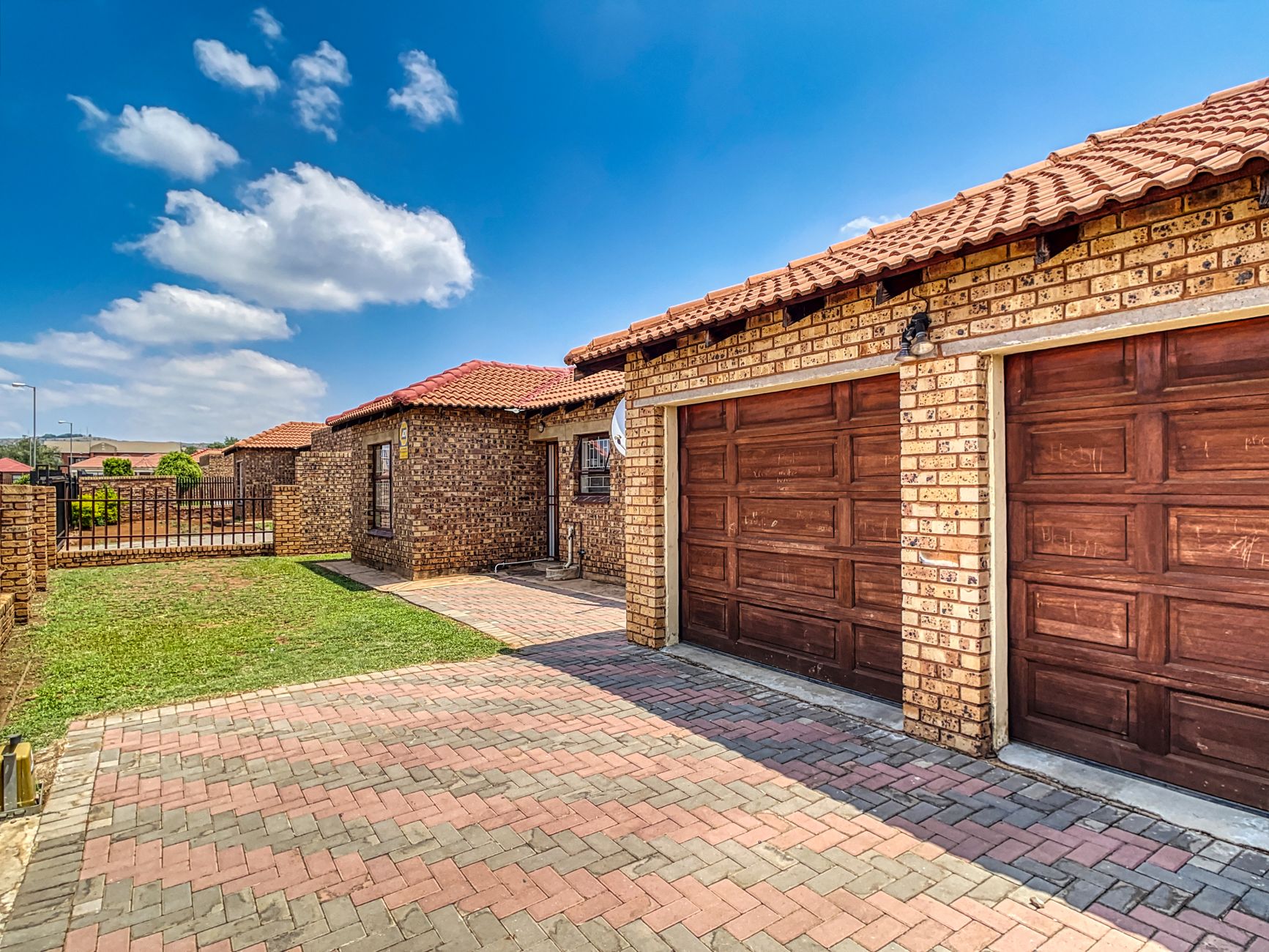
Photo by Alexander F Ungerer on Pexels


