Waterfront Homes South Africa: Are They Worth the Premium?

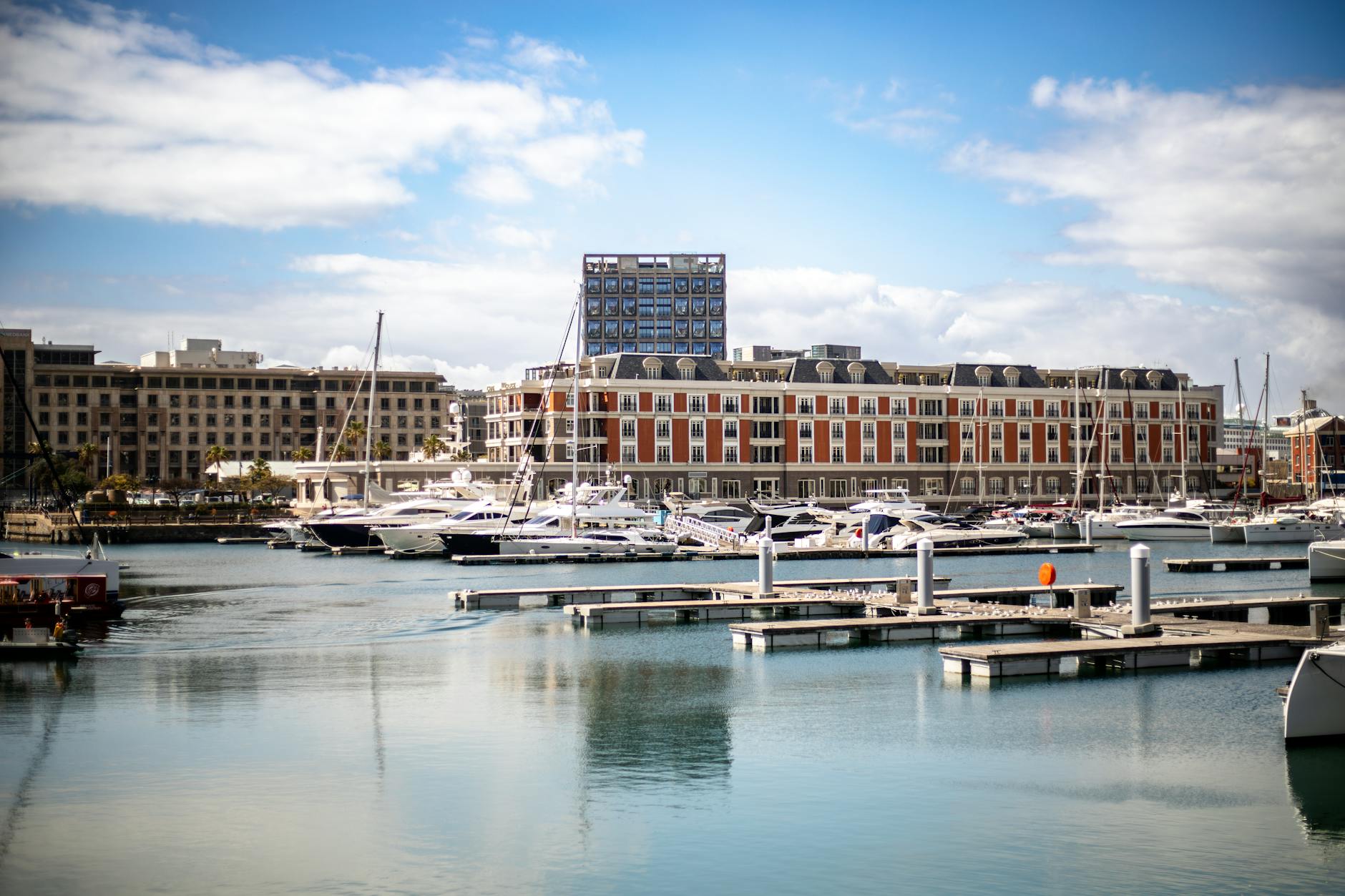
'Is waterfront worth the price?' A practical guide to waterfront homes in South Africa — premiums, risks, returns and what buyers must check.
Introduction
"Is paying more for sea views a sound investment or an emotional purchase?" Waterfront homes in South Africa carry both cachet and cost. From Clifton and Sea Point in Cape Town to Umhlanga and Knysna, buyers face higher prices, unique risks and distinct management needs. This guide explains the value drivers, hidden costs and practical due diligence so investors and buyers can decide if the premium matches their objectives.
Why waterfront homes command a premium
Waterfront property value premium in South Africa is driven by scarcity, lifestyle demand and strong tourism potential. Coastal sites are finite — prime plots near the shoreline cannot be replicated — which sustains long-term desirability. In high-demand nodes like Camps Bay, Clifton and Llandudno in Cape Town, owners pay for unobstructed ocean views, private access, and proximity to lifestyle amenities.
Key reasons for the premium:
- Scarcity: Limited developable coastline increases competition.
- Lifestyle and status: Ocean views, security, and luxury fittings often bundle together.
- Tourism and holiday rentals: Seasonal rental income can boost yields in hotspots like Knysna, Hermanus and Umhlanga.
- Capital preservation: Historically, certain waterfront suburbs have outperformed broader market averages (refer to FNB and Lightstone reports for regional breakdowns).
Typical price ranges and examples
Prices vary widely by location, exposure and property type. Typical ranges as a guide:
- 1‑bed apartments in secondary coastal suburbs: R 1,200,000–R 2,000,000 (~USD 63,000–105,000)
- 3‑bed family homes near the water: R 3,000,000–R 6,000,000 (~USD 158,000–316,000)
- Prime luxury seafront (Clifton, Camps Bay, Llandudno): R 15,000,000+ (~USD 789,000+)
Example: a 2‑bed apartment in Sea Point may list for R 3,500,000 (~USD 184,000), while a Clifton penthouse commonly exceeds R 20,000,000 (~USD 1,053,000) depending on finish and view.
Financial returns: capital growth vs rental yield
Coastal property can deliver two revenue streams: long‑term capital growth and short-term holiday rental income. Growth depends on macroeconomic factors, domestic demand and foreign buyer interest; Cape Town’s prime beachfront historically retained value through cycles, though performance varies across regions (see FNB Property Sector analyses).
Rental yields for waterfronts are often lower on a yield‑only basis because high capital values reduce yield percentage, but effective yields improve with seasonal holiday rentals and premium nightly rates. Investors should model both average annual occupancy and peak-season tariffs, and account for agent commissions and furnishing costs when using platforms like Airbnb or regulated holiday letting agents.
Hidden and recurring costs unique to waterfront properties
Owning waterfront property includes predictable and less obvious costs:
- Maintenance and corrosion: Salt spray accelerates rust, paint erosion and HVAC wear. Budget higher ongoing maintenance and specialist marine-grade materials.
- Higher insurance premiums: Coastal exposure and flood/tidal risk increase buildings and contents insurance. Insurers often require specific coastal risk assessments.
- Municipal rates and levies: Premium properties in affluent coastal suburbs attract higher municipal valuations and sectional title levies if part of complexes.
- Coastal protection fees and environmental compliance: In some municipalities maintenance of seawalls or compliance with the National Environmental Management Act (NEMA) introduces costs.
- Conveyancing and transfer duty: Standard costs apply, but complex coastal titles (erf boundaries, servitudes) can increase conveyancer work and legal fees.
Risks specific to South African seaside properties
Prospective buyers must weigh physical, legal and market risks:
- Coastal erosion and sea-level rise: Long-term climate risk can impact resale and insurance. Check historical high‑water marks and recent erosion studies.
- Flooding and storm damage: Town planning overlays (e.g., 1:100 year flood lines) and building plans must be reviewed.
- Township planning and zoning: Coastal setback lines and municipal coastal management policies restrict alterations; confirm with the local municipality.
- Title and boundary complications: Foreshore ownership, public servitudes, and tidal rights require careful conveyancer scrutiny.
- Seasonality: Income and occupancy fluctuate with tourist seasons—Umhlanga and Knysna see summer peaks; off-season liquidity differs.
Financing, taxes and legal checks
Banks offer residential bonds for coastal homes similarly to inland properties, but underwriting can require additional inspections and higher deposit requirements for certain high-risk zones. Key financial/legal considerations:
- Bond approvals: Expect valuation reports that consider coastal exposure. Some lenders may add conditions or higher risk premiums.
- Transfer duty and taxes: Transfer duty thresholds and conveyancing fees are standard; municipal rates are levied according to valuation rolls and can be significant in prime suburbs.
- FICA and POPIA: Ensure compliance for identity verification and data handling when buying or letting property.
- Use of the OTP (Offer to Purchase): Ensure the OTP contains clear conditions for a structural survey, environmental risk review and finance approval.
Due diligence checklist before you buy
Before signing an OTP, run these checks to protect your purchase:
- Get a structural survey focussing on corrosion, foundation stability and moisture intrusion.
- Commission a coastal erosion and flood-risk report; ask about municipal coastal management plans.
- Check zoning, coastal setback lines and any building plan deviations with the local council.
- Confirm title deed details, servitudes and public access rights with your conveyancer.
- Request historic occupancy and rental income data if buying for holiday leasing.
- Obtain full insurance quotes (buildings and contents) and factor higher premiums into returns.
When a waterfront purchase makes sense
Waterfront properties suit specific buyer profiles:
- Lifestyle buyers who prioritise views and coastal living and intend long-term occupation.
- Investors with strong tourism management plans and buffer capital for higher maintenance and seasonal variability.
- High-net-worth buyers seeking portfolio diversification and exposure to trophy assets in areas like Clifton or Umhlanga.
If your goal is maximum rental yield from a low entry cost, inland or suburban investment often performs better. If capital preservation, lifestyle value and potential for premium resale matter, waterfront can be justified.
Actionable tips and key strategies
- Conduct scenario modelling: Run best-, average- and worst-case occupancy and maintenance scenarios across 5–10 years before committing.
- Negotiate a conditionally structured OTP: Include a structural survey, coastal risk clearance and finance clause.
- Choose marine-grade finishes: Budget for stainless steel, specialised paints and regular corrosion management—these save money long term.
- Work with local experts: Use a conveyancer experienced in coastal titles, a coastal engineer for erosion risk, and a broker familiar with coastal insurance.
- Consider sectional title complexes with managed levies for holiday letting—they can reduce individual maintenance burdens but check levy escalation history.
Role of KILICASA
KILICASA simplifies decision-making for waterfront buyers by streamlining listings, matching buyers with agents experienced in coastal property, and reducing administrative friction in the OTP and document management process. Our portal highlights property attributes, helps organise due diligence documentation and connects you to conveyancers and insurers familiar with coastal requirements. Whether comparing yields in Knysna or checking compliance for a Camps Bay purchase, KILICASA supports faster, clearer deals—reducing time spent on paperwork and improving match quality between buyers and sellers.
Conclusion
Waterfront homes in South Africa often command a premium because of scarcity, lifestyle demand and tourism potential. That premium can be justified for buyers seeking long-term capital appreciation, lifestyle value or curated holiday income—provided they understand the higher maintenance, insurance and environmental risks. Rigorously run due diligence: structural surveys, coastal risk reports, clear title searches and realistic income models. Work with specialists—conveyancers, coastal engineers and insurers—to protect your investment.
In short: waterfront can be worth the premium, but only with informed planning and the right professional team behind you. KILICASA, because everyone deserves a place.
Frequently Asked Questions
Is insurance for waterfront properties much more expensive?
Yes—coastal exposure raises premiums due to storm, flood and salt‑corrosion risks. Obtain multiple quotes and request coastal risk endorsements; budget higher annual premiums when calculating returns.
Can I finance a waterfront home with a standard bond?
Generally yes, but lenders may require additional valuations, higher deposits or specific inspections for properties in high-risk coastal zones. Early engagement with your bank speeds approvals.
Do coastal setback rules limit renovations?
Often. Municipal coastal management and national environmental legislation can restrict building closer to the shoreline. Check municipal records and secure necessary approvals before buying or renovating.
How do I evaluate rental potential?
Study historic seasonal rates and occupancy, compare similar listings on holiday platforms, and factor agent commissions, cleaning and furnishing costs to estimate net yield.
Discover KILICASA, your real estate partner in South Africa
Photo by Marlin Clark on Pexels