Where to Invest in Johannesburg: FAQs for International Buyers


"Where should I buy in Johannesburg for growth and rental yield?" Practical answers for international buyers on suburbs, costs, taxes and risks.
Introduction
"Where should I buy in Johannesburg for growth and rental yield?" If you're an international investor asking this, you're not alone. Johannesburg offers a wide spectrum of opportunities—from stable Sandton apartments to high-growth inner-city conversions—but each choice carries different tax, financing and management realities. This guide answers frequently asked questions and gives practical, South-Africa-specific guidance so you can decide where to invest in Johannesburg with confidence.
Why Johannesburg for property investment?
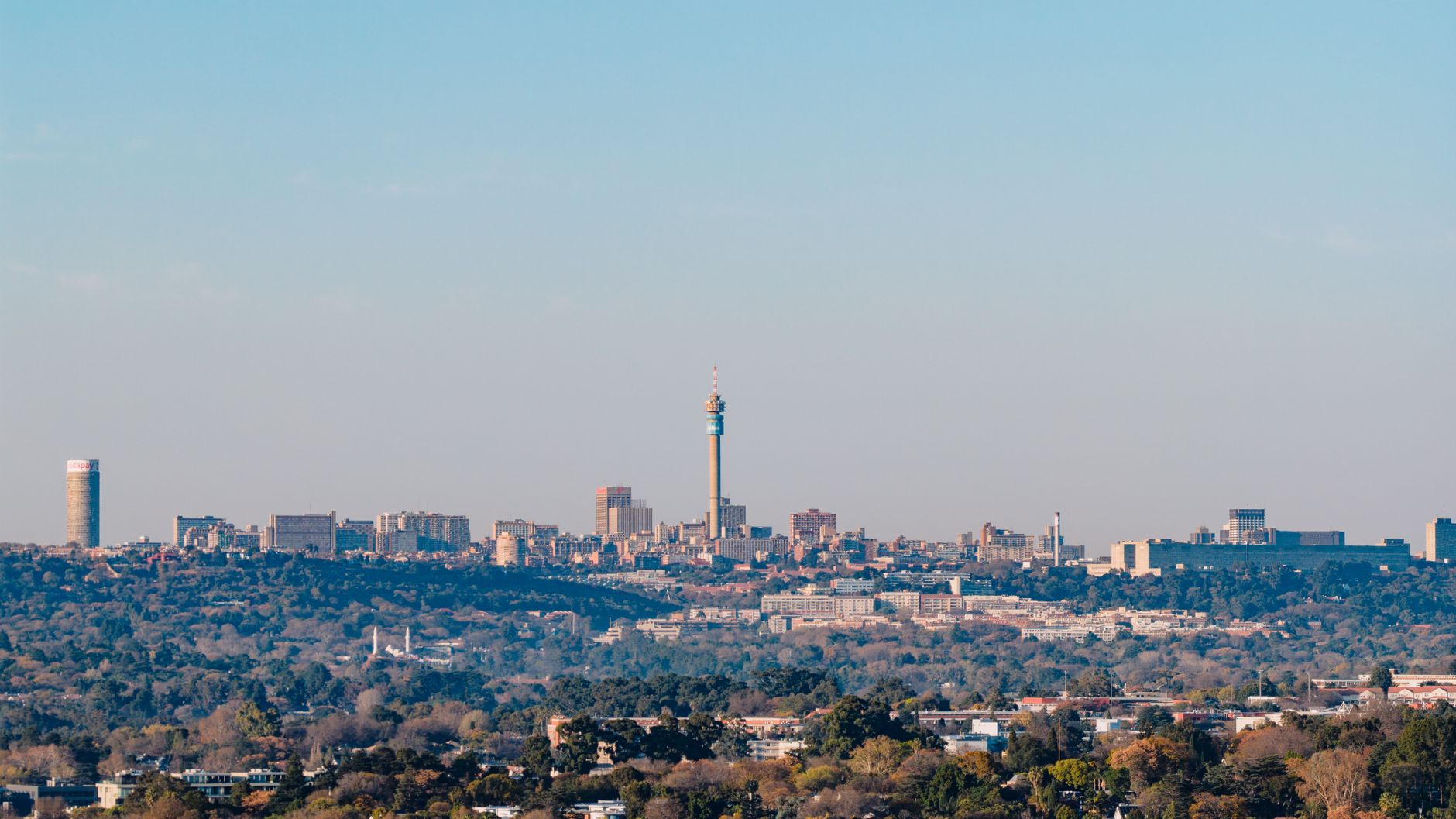
Johannesburg is South Africa’s economic engine. It concentrates corporate headquarters, retail, tech hubs and tertiary institutions, creating persistent rental demand and capital appreciation potential. Compared to Cape Town, JHB often offers higher yields (gross rental yields frequently 6–9% in well-located units) and a wider range of product types—from sectional-title apartments and townhouses to freehold family homes and large-scale developments.
Key market signals to watch: FNB Property Report for price trends, Lightstone for transactional data and ooba/BetterBond for borrower insights. These reports show that prime nodes (Sandton, Rosebank) have long-term stability, while select emerging suburbs and inner-city pockets can deliver above-average capital growth if you accept higher management and vacancy risk.
Top suburbs and neighbourhoods explained
1. Sandton, Morningside, Bryanston (Premium, corporate demand)
Why invest: Sandton is Johannesburg’s financial centre and attracts expatriates, corporate relocations and retail-driven demand (the Sandton City and Nelson Mandela Square precincts). Properties here—especially freehold houses in Bryanston and sectional-title apartments in Sandton CBD—offer rental stability and capital preservation.
Typical prices: Apartments R1.2M–R4.5M (~USD 63,000–237,000); family homes R3M–R15M+ (~USD 158,000–789,000) depending on size and security. Expect lower gross yields but lower vacancy risk and high liquidity.
2. Rosebank, Melrose Arch, Parkmore (Lifestyle & mixed-use)
Why invest: Strong mixed-use development, walkable amenities, corporate offices and short-term rental potential. Rosebank and Melrose Arch attract professionals seeking premium convenience and security.
Typical prices: One-bedroom apartments R900k–R2.2M (~USD 47,000–116,000). Good for buy-to-let to professionals and corporate leasing.
3. Fourways, Rivonia, Lonehill (Family suburbs, growth corridors)
Why invest: These suburbs combine new developments, gated estates and proximity to major arterials (N1/N3). Fourways has seen new retail and office nodes, supporting demand for townhouses and sectional-title units.
Typical prices: Townhouses and family homes R1.2M–R6M (~USD 63,000–316,000).
4. Inner-city pockets: Maboneng, Braamfontein, Newtown (High growth, higher risk)
Why invest: Regeneration projects have transformed parts of Johannesburg’s inner-city, creating opportunities for capital growth and lifestyle rental markets (students, artists, young professionals). Investment here requires strong asset management and security planning.
Typical prices: Small apartments and lofts R600k–R1.8M (~USD 32,000–95,000). Expect higher yields but manage higher turnover and municipal-service variability.
5. Suburbs with value upside: Parkhurst, Greenside, Linden (Boutique demand)
Why invest: Boutique lifestyle nodes close to amenities and good schools, appealing to long-term owner-occupiers and premium tenants. These areas show steady price appreciation and relatively predictable demand.
Typical prices: Houses and well-located apartments R1.8M–R6M (~USD 95,000–316,000).
6. Emerging and affordable nodes: Soweto, Roodepoort, Alexandra (High yield potential)
Why invest: Lower entry prices can produce strong gross yields for rental investors and opportunities for portfolio diversification. Risk factors include municipal services, security and resale liquidity.
Typical prices: Starter homes and apartments R300k–R1.2M (~USD 16,000–63,000). Due diligence is vital: check title deeds, rates clearance and the local property management pipeline.
Types of investment strategies
Buy-to-let (long-term rental)
Best for cashflow-focused investors. Johannesburg offers attractive gross rental yields in many suburbs. Key concerns: tenant screening, regular maintenance, levy and rates management, and understanding sectional-title levies. Expect rental contracts, FICA checks, and tax filings for rental income.
Short-term rentals (holiday/apartment hotels)
Suitable near business nodes and lifestyle precincts (Rosebank, Sandton, Melrose Arch). Consider municipal bylaws (some areas restrict short-term letting), levies, cleaning and management overheads. Short-term can boost gross returns but increases operational intensity.
Value-add renovations and conversions
Inner-city conversions and renovating older stock can unlock capital growth. This route requires local contractors, careful permitting and a clear exit or rental plan. VAT may apply on new builds; conveyancer guidance is essential.
New developments and off-plan purchases
New developments can offer modern amenities and developer guarantees, but monitor developer reputation, build timelines, and construction-linked payment schedules. Foreign buyers should confirm whether VAT or transfer duty applies and whether the developer offers bankable guarantees.
Key legal, tax and financing considerations for international buyers
Ownership and title
Foreigners can own property in South Africa with the same rights as locals—there's no citizenship requirement for freehold or sectional-title ownership. Verify if the property is freehold (stand) or sectional title (apartment); sectional-title units have levies and rules set by the body corporate.
FICA and conveyancing
All buyers must comply with FICA (financial intelligence) anti-money-laundering checks when opening accounts, transferring funds, or concluding a sale. A registered conveyancer handles transfers; ensure they are reputable and independent of the estate agent.
Transfer duty, VAT and taxes
Transfer duty applies on property purchases from private sellers above thresholds—check current thresholds with SARS. New properties sold by developers may be subject to VAT (15%), which affects purchase price. Rental income is taxable; expect PAYE-style tax on net rental profits, and capital gains tax applies on disposal (included in income tax via the capital gains inclusion rate). Consult a South African tax advisor to structure ownership optimally.
Financing and foreign borrowers
South African banks lend to non-residents, but underwriting is stricter (larger deposits, proof of foreign income, exchange control compliance for repatriation). BetterBond/ooba data show non-resident bond approvals are possible but require clear documentation and sometimes higher interest margins. Alternatively, buyers can fund purchases with foreign funds—ensure SARB exchange-control compliance if repatriating rent or sale proceeds.
Exchange control and repatriation
South Africa’s exchange control rules mean foreign funds brought in and local financing have documentation requirements. Repatriation of sale proceeds and rental income is permitted but must follow prescribed processes—work with an authorised dealer (bank) to ensure SARB compliance.
Due diligence checklist for international buyers
Before committing, complete this checklist:
- Title deed and bond searches via conveyancer
- Rates and taxes clearance, municipal account history
- Sectional title documentation and levy history
- Structural inspections and electrical certificates
- Zoning and land-use compliance
- Tenant profile and rental history (if leased)
- Developer track record (for new builds)
- Local property management plan and cost estimates
Managing risk: security, municipal services and vacancy
Security (gated estates, access control) influences both rental demand and insurance costs. Municipal service quality (water, electricity reliability) can affect tenant satisfaction; check municipal arrears associated with the property. Mitigate vacancy by targeting tenant segments aligned with the location: corporate tenants in Sandton, students in Braamfontein, creatives in Maboneng.
How to find the right agent and property manager
Choose agents registered with the EAAB (Estate Agency Affairs Board) and ask for local market evidence—recent comparable sales, vacancy rates and tenant demand profiles. For long-distance ownership, a local property manager is essential: confirm experience with international owners, accounting transparency, FICA-compliant tenant checks and maintenance networks.
Exit strategies and liquidity
Prime nodes (Sandton, Rosebank) are more liquid; inner-city and value nodes may take longer to sell but offer higher upside. Have a realistic holding period: 3–7 years for capital-growth plays, 5–10+ years for development-linked value-add strategies. Factor in conveyancing timelines and potential transfer duty/VAT on resale.
Actionable tips and key strategies
- Match suburb to strategy: pick Sandton/Rosebank for stability, inner-city for growth, Soweto/Roodepoort for yield.
- Run total-cost calculations—bond, transfer duty/VAT, conveyancer fees, levies, rates, insurance and property management fees—to ensure real returns meet targets.
- Use local experts: South African tax advisor, conveyancer, EAAB-registered agent and a property manager experienced with foreign clients.
- Insist on a full FICA-compliant tenant screening process and obtain tenant histories for buy-to-let purchases.
- Consider currency exposure: hedge if your income is in foreign currency while expenses are in ZAR, or structure finances to minimise repatriation friction.
- Visit the suburb at different times (week/day) to assess noise, traffic and security. If travel isn't possible, request video walkthroughs and live neighbourhood tours from your agent.
Role of KILICASA
KILICASA simplifies the administrative and matching challenges international buyers face in Johannesburg. Our proptech platform helps you shortlist properties based on investment criteria, provides secure communication with verified agents, and streamlines document exchange and property administration. For foreign buyers, KILICASA's tools speed up matching to EAAB-registered agents, assist with FICA documentation checklists, and connect you to trusted conveyancers and property managers—reducing transactional friction and accelerating decision-making.
Conclusion
Where to invest in Johannesburg depends on your risk appetite, required yield and desired holding period. Sandton and Rosebank offer stability and liquidity; inner-city pockets can deliver strong capital growth with active asset management; emerging nodes provide high yields but need rigorous due diligence. Always account for South African-specific factors—transfer duty/VAT, FICA, levies, municipal reliability and exchange control rules—and work with local experts. With the right strategy and partners, Johannesburg remains one of Africa’s most compelling property markets for international investors. KILICASA, because everyone deserves a place.
Frequently Asked Questions
Can foreign buyers purchase property in Johannesburg?
Yes. Non-residents can buy freehold or sectional-title property with the same ownership rights as locals. Financing rules may be stricter and FICA checks and exchange-control documentation are mandatory.
Which Johannesburg suburbs are best for capital growth?
Prime nodes like Sandton, Rosebank and Melrose Arch are historically strong for capital preservation; inner-city regeneration pockets (Maboneng, Braamfontein) have delivered outsized growth but require active management and longer holds.
What are typical yields I can expect?
Gross yields vary: prime suburbs often yield 4–6% (lower risk), suburban/townhouse markets 6–8%, and emerging/affordable nodes can exceed 8–10% gross—but net returns depend on levies, management and vacancy.
Do I pay transfer duty or VAT when buying?
Transfer duty applies on purchases from private sellers above the SARS threshold; new developments sold by VAT-registered developers are typically subject to VAT (15%). Always confirm with your conveyancer and tax advisor.
How can KILICASA help me as an international buyer?
KILICASA connects you with verified agents and service providers, streamlines documentation and helps match properties to your investment criteria—reducing admin delays and improving decision speed.
Discover KILICASA, your real estate partner in South Africa
Photo by Magda Ehlers on Pexels