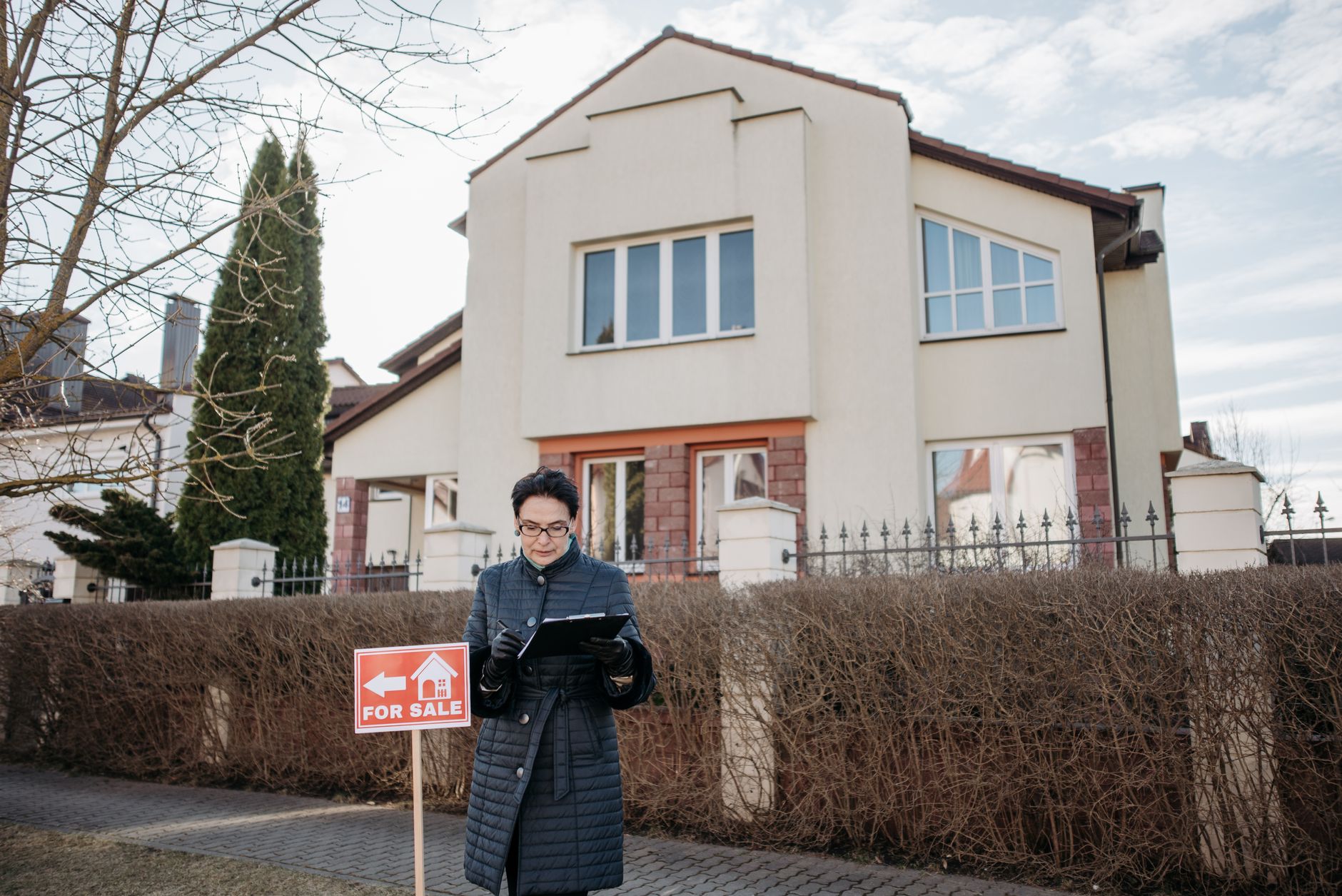
Home Property Results: Sale vs Buying Strategy
Compare home property results for sale and buying strategies across South African markets, with practical data-backed steps to time your move and maximise


Compare home property results for sale and buying strategies across South African markets, with practical data-backed steps to time your move and maximise returns.
Direct Answer: When to Sell Before Buying
The best move depends on cash-flow capacity. If you can carry two bonds simultaneously, buying first locks in the new home and lets you sell on your timeline. If cash-flow is tight, selling first funds the next purchase with minimal risk. In Gauteng and the Western Cape, bridge-financing and occupational-rent clauses bridge the gap between transactions.
The Two Core Transaction Models
Second-time buyers typically face a sequencing decision: acquire the new home then dispose of the old, or dispose first then acquire. Both paths affect affordability, tax, and stress. The correct path is determined by verified cash-flow, not market timing.
Model 1: Sell First, Then Buy
Selling first converts tied-up equity into cash, reducing dependence on a new bond. However, it triggers capital-gains inclusion, transfer-duty reset, and interim housing costs. This model suits disciplined savers who cannot service dual bonds.
Model 2: Buy First, Then Sell
Buying first secures the target property and avoids double-moving costs. The risk is carrying two repayments until the first sale concludes. Bond originators often recommend this for high-equity sellers with pre-qualified approval.
Affordability and Bond Capacity Checks
Lenders apply a maximum 30-year amortisation and an 18 percent income-multiplier cap. Use a bond calculator to confirm that the combined monthly burden stays below 30 percent of gross household income. This threshold protects against interest-rate shocks.
Bridging Finance and Occupational Rent Clauses
Bridging finance spans 3 to 12 months and costs roughly prime plus 2 percent. Occupational-rent clauses let the seller remain in the property post-sale, generating rental income during the transition. Both tools require conveyancer drafting to stay valid.
Capital-Gains Tax and Transfer-Duty Impact
Excluding the primary-residence exclusion, gains above the exclusion are taxed annually at the marginal rate. Transfer duty applies to the new purchase at graduated tables published by SARS. Plan disposals to optimise both thresholds.
Regional Property Results Snapshot
Property results vary by node. In Johannesburg, freehold yields average 7 to 9 percent gross; sectional-title complexes sit near 10 to 12 percent. Cape Town metro freehold edges to 6 to 8 percent, while Durban flats reach 11 to 13 percent. Always verify current Lightstone or FNBsensus figures before committing.
Negotiation Leverage in a Balanced Market
Balanced markets reward prepared buyers. Submitting a pre-approved bond quotation and a clean OTP signal strength. Sellers accept slightly lower prices when timelines align, reducing transfer delays at the Deeds Office.
Common Sequencing Mistakes That Cost Time
Buying without a verified bond pre-qualification delays OTP signing. Selling before appointing a conveyancer creates backlogs at the Deeds Office. Both errors extend the gap and inflate interim costs.
Checklist: Verifying Your Readiness
- Bond pre-qualification letter dated within 30 days
- Proof of deposit funds cleared within 90 days
- Conveyancer instructed on both sides before OTP
- Capital-gains reserve calculated after primary-residence exclusion
- Occupational-rent clause drafted or bridging application submitted
Where Property Results Diverge by Suburb
In Sandton and Rondebos, median prices moved 4 to 6 percent annually over the trailing twelve months. In Soweto and Khayelitsha, affordability pressure lifted demand 8 to 12 percent, compressing yields. Cross-check municipal valuation rolls and TPN rental indexes for corroboration.
How to Read Property Results Without Bias
Results from a single source overstate trends. Blend Lightstone resale medians, bank-repo data, and rental-payment defaults tracked by TPN. A suburb showing rising prices and rising vacancy often signals speculative activity rather than genuine demand.
Integrating KILICASA Into Your Transaction Planning
KILICASA supports second-time buyers with pre-qualification checks, property comparison grids, and a document-ready checklist. These tools reduce the gaps buyers commonly overlook. Explore the platform to structure your next move.
Key Takeaways
- Sell-first reduces dual-bond risk; buy-first avoids double-moving costs.
- Bond affordability must stay below 30 percent of gross income.
- Bridging finance and occupational rent require conveyancer drafting.
- Verify property results across Lightstone, FNBsensus, and TPN data.
- Time disposals to optimise capital-gains and transfer-duty thresholds.
Final Recommendation: Sequence with Verified Data
The optimal sequence emerges from verified affordability, not market forecasts. Secure bond pre-qualification, calculate interim costs, and instruct conveyancers early. Whether selling first or buying first, disciplined planning prevents costly delays.
Frequently Asked Questions
Can I sell my current home and buy another simultaneously?
Yes, with a bonded bridging facility or occupational-rent clause. Most lenders require a 20 percent deposit buffer on the new bond. Confirm dual-bond capacity before listing.
Which sequence minimises transfer costs?
Buy-first often lowers transfer costs when the seller pays transfer duty on a lower base. Sell-first may reset duty on a higher new-purchase price. Compare both scenarios using SARS tables.
Ready to find your next home or grow your real estate business? Join KILICASA today and experience South Africa's smartest property platform. KILICASA →