
Houses to Rent in South Africa: A Tenant's Rights Guide
Renting property in South Africa involves understanding your lease, deposit limits, and tenant rights under the Rental Housing Act. Here is what to know be

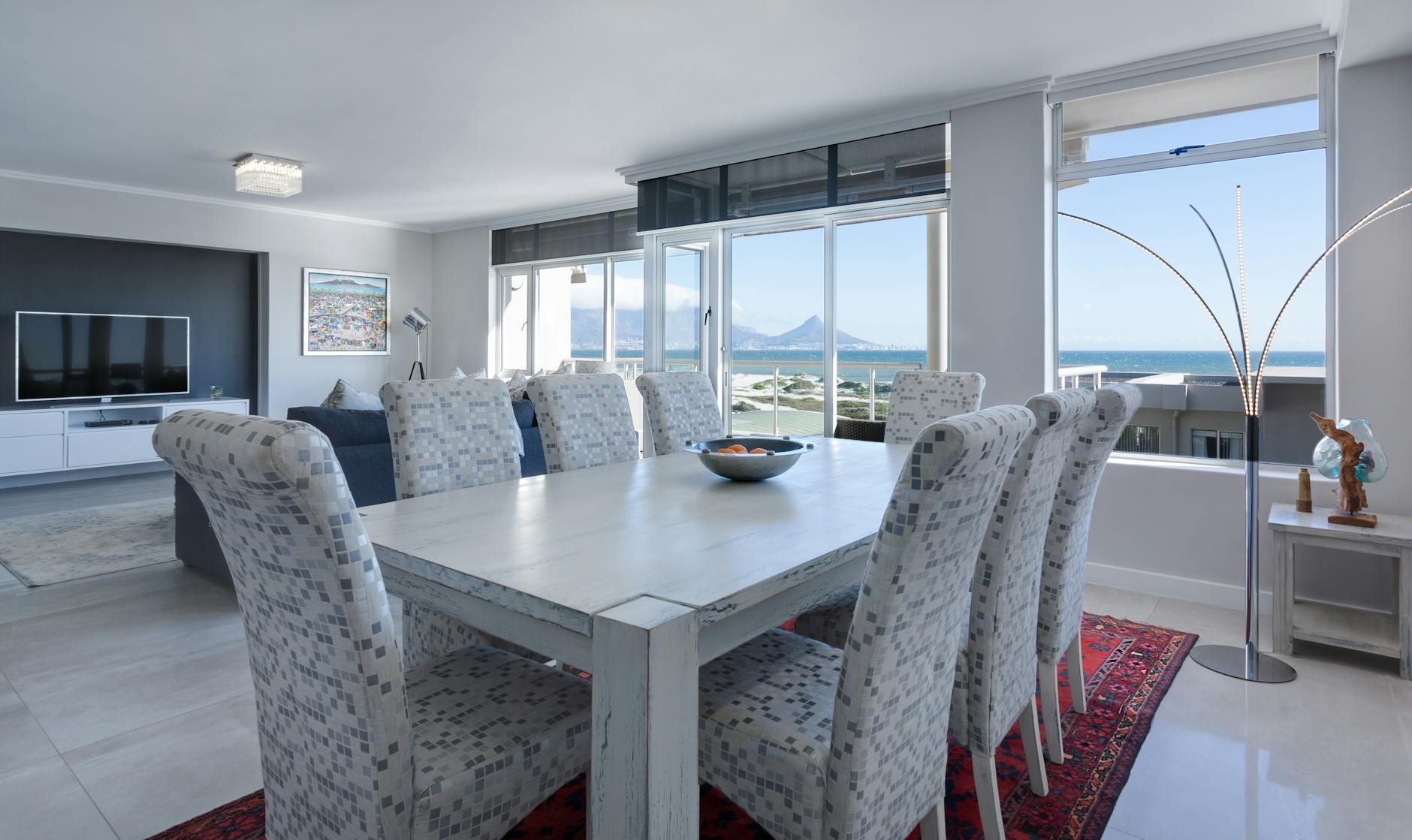
Renting property in South Africa involves understanding your lease, deposit limits, and tenant rights under the Rental Housing Act. Here is what to know before signing.
Quick Answer
Renting in South Africa is governed by the Rental Housing Act, with tenants and landlords sharing defined rights and responsibilities. Understanding lease terms, deposit rules, and the role of the Rental Housing Tribunal helps avoid disputes and ensures fair treatment throughout the tenancy.
Table of Contents
- Notions de base et prérequis
- Rental Agreement and Lease Terms
- Deposit Rules and Limits
- Applying for a Rental Property
- Tenant and Landlord Rights
- Rental Housing Tribunal
- Breaking a Lease Early
- Pet Friendly Rentals
- Common Mistakes
- Good Practices
- FAQ
- Conclusion
Notions de base et prérequis
Before searching for houses to rent in South Africa, it helps to understand the legal framework. The Rental Housing Act 50 of 1999 governs most residential leases and outlines the obligations of tenants and landlords. This law applies to most rental properties, including flats in Cape Town, houses in Durban, and apartments in Johannesburg. The act ensures that tenants have clearly defined rights and that landlords cannot arbitrarily raise rents or refuse deposits without cause.
What the Rental Housing Act Covers
The act sets minimum standards for rental accommodation, requires written lease agreements for terms longer than one month, and regulates deposits. It also establishes the Rental Housing Tribunal, which resolves disputes between tenants and landlords. Any rental property that falls under this law must comply with basic safety and habitable conditions. For example, a landlord cannot refuse to fix broken plumbing or withhold a deposit without documenting damage.
Who Must Comply
All residential landlords and tenants are subject to the Rental Housing Act unless they operate in a share-block company or a sectional title scheme with its own rules. Even then, many provisions still apply. The law is especially important when renting rooms, flats, or houses across major cities like Cape Town and Johannesburg, where high demand can lead to unclear terms. Knowing the basics protects both renters and property owners from misunderstandings.
Why These Basics Matter
When renting flats in Johannesburg or houses in Durban, tenants often overlook written agreements or fail to document the property’s condition. This leads to delays in deposit returns or unexpected disputes. Understanding the law helps renters apply confidently, negotiate fairly, and know where to turn if something goes wrong. The Rental Housing Act serves as a foundation for every lease, regardless of location or property type.
Rental Agreement and Lease Terms
A rental agreement is the cornerstone of any lease. It outlines rent, duration, and responsibilities. Most leases in South Africa are fixed-term agreements, usually for twelve months, although shorter or longer periods are common. The written lease protects both parties and clarifies expectations.
Writing and Content Requirements
Under the Rental Housing Act, any lease lasting more than one month must be in writing and signed by both tenant and landlord. The document must include the monthly rent, the amount of the deposit, and the start and end dates. It should also describe the property and list included fixtures. If a lease is verbal, proving its terms becomes difficult, especially in disputes before the Rental Housing Tribunal.
Rent Increases and Reviews
Fixed-term leases typically cannot have rent increased during the term unless the contract specifies a review clause. For month-to-month tenancies, landlords must give at least one calendar month's written notice before increasing rent. The increase should reflect market conditions, and tenants can apply to the Tribunal if they believe it is excessive. In cities like Cape Town, where demand is high, this rule prevents sudden spikes without notice.
Tenant Obligations
Tenants must pay rent on time, keep the property in good condition, and allow reasonable access for inspections or repairs. They are also expected to report maintenance issues promptly. In flats to rent in Johannesburg, this may include notifying the body corporate about common-area problems. Failing to maintain the property can lead to repair costs being deducted from the deposit.
Landlord Obligations
Landlords must keep the property in a habitable condition and make necessary repairs. They cannot change the locks or cut off utilities without legal justification. If a landlord fails to maintain the property, tenants can apply to the Rental Housing Tribunal for assistance. This duty applies to all rental properties, whether houses to rent in Durban or apartments available through online listings.
Deposit Rules and Limits
Deposits are one of the most misunderstood parts of renting in South Africa. Many tenants worry about how much to pay and whether they will get it back. Clear rules exist to protect both parties.
How Much Deposit to Pay
Landlords can request a deposit equal to up to two months' rent for unfurnished properties and three months' rent for furnished property, unless otherwise agreed. This means that when renting a house for R12,000 per month, the maximum deposit would be R36,000. Some landlords ask for less, and tenants should confirm the amount before signing.
Where the Deposit Is Held
The Rental Housing Act requires landlords to declare in the lease agreement whether the deposit is held in an interest-bearing account. If it is, the tenant is entitled to the interest earned. Deposits should never be mixed with personal funds. In high-volume markets like Cape Town, where deposits can reach tens of thousands of rands, proper handling is crucial.
Returning the Deposit
Within three months after the lease ends, landlords must return the deposit or provide a written statement explaining any deductions. If deductions are made, they should relate to unpaid rent or damage beyond normal wear and tear. For example, repainting a wall due to a hole is allowed, but replacing faded curtains is not. Tenants can dispute deductions with the Rental Housing Tribunal.
Applying for a Rental Property
Applying for a rental requires preparation. Whether searching for apartments in Johannesburg or rooms to rent, having the right documents improves chances of approval.
Essential Application Documents
Most landlords ask for proof of income, copies of ID documents, and recent bank statements. A TPN credit check is commonly used to verify financial reliability. Tenants should also provide references from previous landlords. In competitive markets, submitting complete documents on time can make an application stand out. For flats to rent in Cape Town, where multiple applicants may view the same property, thorough documentation is essential.
The Credit Check Process
TPN (Tenant Profile Network) is a widely used credit bureau that specialises in tenant screening. Landlords access reports through registered credit bureaus, and tenants must consent in writing before any check. The report shows payment history, outstanding debts, and any defaults. A strong credit record increases approval chances and may reduce the deposit required.
What Landlords Look For
Landlords assess income stability, rental history, and character references. A steady job and verifiable income reassure landlords that rent will be paid on time. For first-time renters, a guarantor may be required. In areas like Durban, where student housing is common, landlords often require multiple references or higher deposits for applicants without extensive rental history.
Tenant and Landlord Rights
Rental relationships are governed by mutual respect and legal protections. Both tenants and landlords have enforceable rights.
Tenant Rights Under the Act
Tenants have the right to a safe, habitable home and prompt maintenance. They cannot be evicted without a court order, and any notice of termination must follow legal procedures. If a landlord enters the property without notice, tenants can file a complaint. In apartments to rent in Johannesburg, tenants also benefit from body corporate rules that protect peaceful enjoyment.
Landlord Rights
Landlords can expect timely rent payments and reasonable care of the property. They may conduct inspections by mutual agreement and deduct legitimate repair costs from the deposit. However, they must follow legal procedures for eviction or deposit disputes. For houses to rent in Durban, landlords should ensure compliance with municipal regulations, including Rates Clearance Certificates in some areas.
Pets and Alterations
Tenants usually need written permission before keeping pets or making alterations. Some properties are explicitly pet friendly rentals, while others prohibit animals entirely. Any changes to the property must be reverted unless the landlord agrees otherwise. For apartments in Cape Town, body corporate rules may impose additional restrictions on pets or modifications.
Rental Housing Tribunal
When disputes arise, the Rental Housing Tribunal offers a free, accessible resolution process. This body handles complaints between tenants and landlords across South Africa.
Filing a Complaint
Tenants or landlords can file complaints online or at provincial offices. Common issues include deposit disputes, failure to maintain the property, or unlawful eviction attempts. The Tribunal mediates before issuing formal decisions. If a landlord refuses to return a deposit without justification, tenants can escalate the matter here. In areas like Gauteng, where rental demand is intense, the Tribunal helps prevent exploitation.
What the Tribunal Can Order
The Tribunal can order landlords to return deposits, pay compensation for damages, or carry out repairs. It can also fine parties for failing to comply with orders. For tenants, penalties may include eviction if rent is unpaid. Decisions are legally binding, and enforcement mechanisms exist for serious violations. Using the Tribunal ensures disputes are resolved fairly and efficiently.
Breaking a Lease Early
Situations sometimes require ending a lease before its scheduled end date. Understanding the process protects tenants from unnecessary penalties.
Notice Period Rules
Fixed-term leases usually include a break clause or notice period. If the contract allows termination with notice, tenants must provide at least one month’s notice in writing. For month-to-month tenancies, one calendar month’s notice suffices. Some leases require two months’ notice for longer terms, so reviewing the agreement is essential before acting.
Early Termination Fees
Landlords can charge reasonable penalties for early termination, including lost rent until a replacement tenant is found. However, they must mitigate losses by trying to re-rent the property promptly. If a tenant finds a qualified replacement, the penalty may be waived. In high-demand areas like Cape Town, finding replacements is usually quick, limiting financial liability.
Moving Out Safely
When leaving early, tenants should document the property’s condition and cancel utilities. Returning keys in person, along with a written move-out notice, protects tenants from later claims. If the landlord withholds part of the deposit unjustly, tenants can file a Tribunal complaint. Keeping records of communication ensures transparency throughout the process.
Pet Friendly Rentals and Short-Term Stays
Rental options vary, including pet friendly rentals and short-term accommodations. Each has unique considerations.
Finding Pet Friendly Rentals
Properties that allow pets often charge slightly higher rents or require larger deposits. Tenants should declare pets upfront to avoid conflicts later. Landlords may visit to inspect for damage. In areas like the Western Cape, where outdoor lifestyles are popular, pet friendly rentals attract families who prioritize location and space. Always confirm pet policies before signing a lease.
Short-Term vs. Long-Term Rentals
Long-term leases offer stability, while short-term rentals provide flexibility. However, short-term stays may lack tenant protections under the Rental Housing Act. Landlords should verify local regulations, especially in tourist areas like Cape Town. For tenants, short-term rentals often include utilities and furnishings but may restrict long-term stays.
Common Mistakes
- Not reading the lease before signing, leading to surprise fees or unclear responsibilities.
- Failing to document the property’s condition, causing deposit disputes at move-out.
- Neglecting to pay rent on time, risking eviction or credit score impact.
- Assuming verbal agreements override written leases, complicating disputes.
- Overlooking pet policies or body corporate rules in shared buildings.
Good Practices
- Always request a written lease, even for month-to-month tenancies.
- Inspect the property together with the landlord during move-in, noting any flaws.
- Keep copies of all documents, including correspondence, receipts, and agreements.
- Pay rent via traceable methods such as bank transfer rather than cash.
- Apply to the Rental Housing Tribunal promptly when disputes arise.
Conclusion
Renting property in South Africa requires awareness of legal protections and practical steps. From understanding lease agreements to navigating deposit rules, tenants and landlords benefit from knowing their rights. Whether renting houses in Durban or apartments in Johannesburg, clear communication and proper documentation prevent most disputes. Visit KILICASA to explore verified rental listings and connect with trusted property practitioners. Your next home could be just one application away. For assistance or questions, contact our support team today.
Frequently Asked Questions
Can a landlord increase rent during a fixed-term lease?
No. A fixed-term lease cannot have rent increased unless the contract includes a specific review clause. For month-to-month tenancies, landlords must give one calendar month’s notice before increasing rent.
How much deposit is allowed for renting?
Landlords can request up to two months’ rent as deposit for unfurnished properties and three months for furnished property. This amount should be listed clearly in the lease.
Ready to find your next home or grow your real estate business? Join KILICASA today and experience South Africa's smartest property platform. KILICASA →