
How to Buy Your First Home in South Africa: Costs, Steps and Pitfalls
Buying your first home in South Africa is the largest financial step most people take. Between the deposit, bond maths and transfer costs, the final price

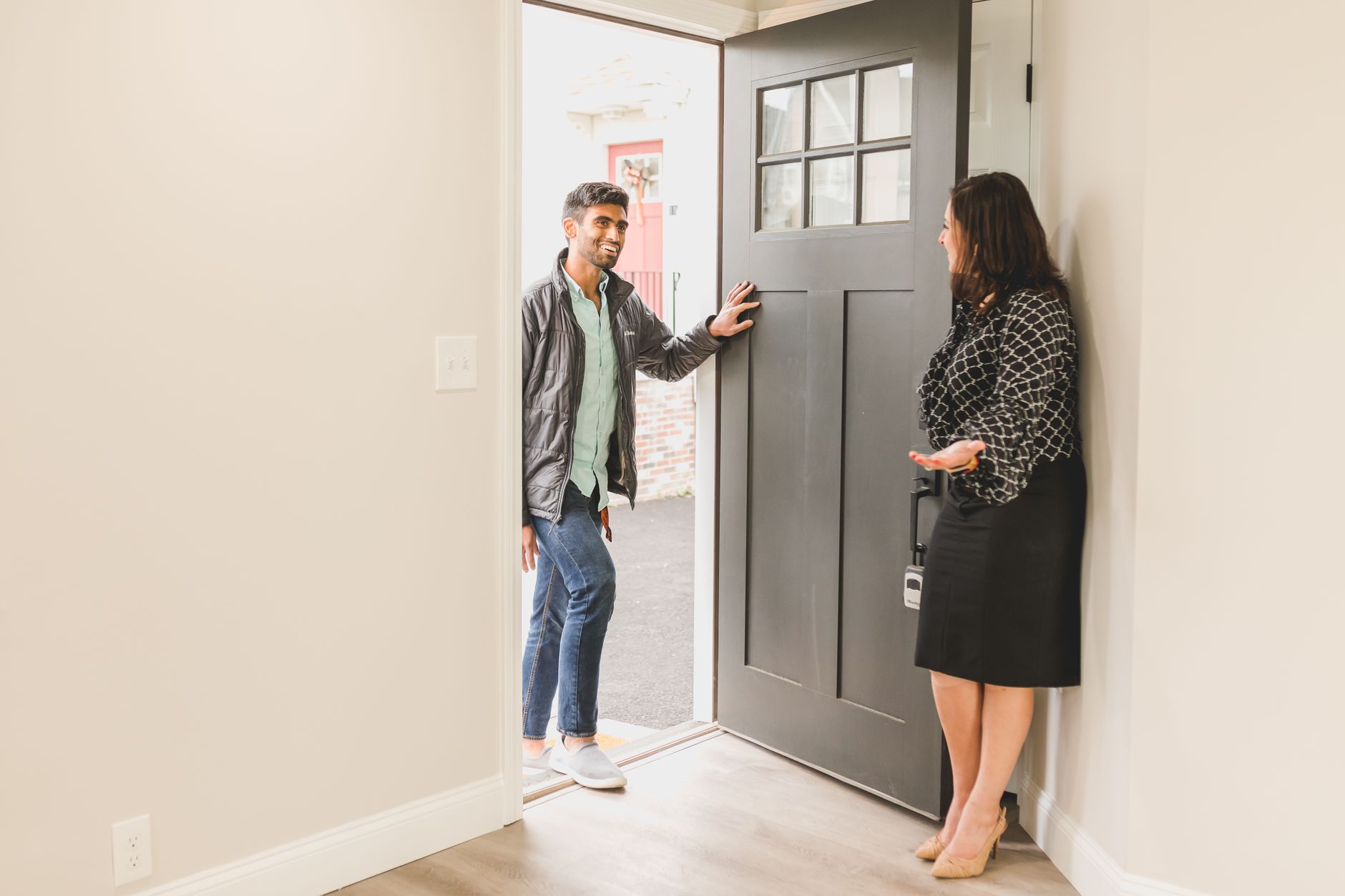
Buying your first home in South Africa is the largest financial step most people take. Between the deposit, bond maths and transfer costs, the final price often sits far above the asking price. This guide breaks down every stage, in order, with the amounts and deadlines that are usually left out.
The KILICASA Team · Published 15 August 2024 · Updated 15 August 2024
Quick answer
In South Africa, buying your first home means covering the purchase price plus transfer costs (roughly 8–12 % of the price), transfer duty on properties above R1.1 million, bond registration costs (0.5–1 %), and an optional deposit of 0–10 %. The sequence is: affordability check, pre-qualification, house hunting, offer, bond application, conveyancing and move-in. Most first-time buyers need 10–15 working days for the bond decision and 8–12 weeks between offer and registration, assuming no complications at the Deeds Office.
Table of contents
- Step 1: Test what you can afford
- Step 2: Get pre-qualified before you house-hunt
- Step 3: House-hunting and offer strategy
- Step 4: Bond application and the hidden paperwork
- Step 5: Conveyancing and transfer costs
- Step 6: Final checks and move-in
- Full cost table
- Common mistakes
- Legal framework
- Limits and who to consult
- FAQ
Step 1: Test what you can afford
Start with the two numbers the bank will not tell you first: your monthly commitment and your upfront lump sum.
The common rule from bond originators is that monthly instalments should not exceed 30 % of your gross monthly income. That keeps the stress test at SARB prime (currently 11.75 %) rather than the advertised rate, which protects you if the repo rate rises.
Upfront, budget for 10–15 % of the purchase price on top of your deposit. That covers transfer costs, bond costs, transfer duty (only on properties over R1.1 million) and a safety buffer for unexpected levies or municipal debts in the property.
Takeaway checklist: affordability
- Gross monthly income: [R______]
- 30 % instalment ceiling: [R______]
- Deposit saved: [R______]
- Upfront buffer (10–15 %): [R______]
- Emergency reserve after move-in: [R______]
Step 2: Get pre-qualified before you house-hunt
Pre-qualification is a snapshot affordability estimate from a bond originator or lender, based on income, existing debts and a soft credit check. It is not a credit decision, and it does not guarantee a bond once you find a property. What it does is prevent wasted weekends viewing properties outside your eventual approval range.
Most originators issue a pre-qualification letter valid for 30–60 days. If your circumstances change (new job, additional loan), request an updated one. The letter is useful leverage with estate agents: it shows sellers a serious buyer who is unlikely to collapse on bond approval.
What to prepare for pre-qualification
| Document | Purpose |
|---|---|
| Three months' payslips | Income proof for the applicant and joint applicant if any |
| Irba/IT3(b) or tax return | Self-employed or commission earners |
| Bank statements (3 months) | Debt and living-cost pattern |
| Credit report | Soft pull; shows existing obligations |
| Deposit evidence | Proof of funds, usually a bank balance or donation letter |
Step 3: House-hunting and offer strategy
Once you have a realistic price bracket, the hunt sharpens. For first-time buyers in metros like Gauteng, the Western Cape and KZN, the gap between asking price and transfer costs is the common surprise. A R1.5 million house looks affordable until you add R180 000 in transfer costs and R45 000 in bond costs.
When you find a property, act fast but deliberately. The Offer to Purchase (OTP) in South Africa is a legally binding contract once both parties sign and the deposit is paid. Include three suspensive conditions: approved bond, approved sale of the buyer's existing home (if applicable), and a satisfactory inspection report. Missing any of these exposes you to losing the deposit if something falls through.
Do not sign the OTP without reading the annexures. The mandatory disclosure form, building plans and municipal clearance figures must be attached by the seller's agent or principal. If they are missing, you have legal grounds to cancel within the cooling-off period (typically five business days for sectional title, longer where stipulated).
Questions to ask before signing the OTP
- Is the property registered freehold or sectional title? What are the monthly levies?
- Are rates and taxes current? Any municipal debt attached?
- Have building plans been approved for any alterations?
- What is the age and capacity of the electrical box, geyser and water meter?
- Is there a tsunami, sinkhole or other risk noted on the title deed?
Step 4: Bond application and the hidden paperwork
After the OTP is signed, the race is on. Banks typically quote a 10–14 working day turnaround for a formal bond approval, but delays happen when supporting documents are incomplete. The bank will request salary advice or employment letters, certified copies of IDs and your pre-qualification letter from the originator.
One cost that rarely appears on marketing material is the valuation fee, charged by the bank to assess the property value. For a R1.5 million property, expect around R3 000–R4 500. Some originators rebate this fee if you proceed with the loan.
If you are using a bond originator (recommended for first-time buyers), the agreement is commission-based: the originator earns a once-off fee from the lender, not from you. Never pay an upfront fee to an originator or so-called "bond assistance" company. The National Credit Act requires originators to disclose the commission source in writing.
Bond application timeline checklist
| Day | Action |
|---|---|
| Day 0 | Submit application with all documents |
| Day 1–3 | Bank orders valuation and requests salary verification |
| Day 4–7 | Credit bureau review and affordability assessment |
| Day 8–12 | Underwriting and final approval or query |
| Day 13–14 | Approval letter issued with conditions |
Step 5: Conveyancing and transfer costs
Transfer costs are the legal fees and government charges paid to move ownership from seller to buyer. In South Africa, these are split between transfer duty (a tax on properties over R1.1 million), transfer attorney fees (on a sliding scale set by the Law Society), and registration costs at the Deeds Office. For a R1.5 million property, expect R115 000–R140 000 total in transfer costs.
You must appoint a conveyancer, a lawyer admitted to the High Court and practising in property law. The seller usually appoints one, but the buyer can choose their own for the bond side. To avoid conflict, many use separate attorneys for transfer and bond registration.
Transfer cost breakdown (property R1.5 million, 2024 tables)
| Cost type | Approx. amount | Paid by |
|---|---|---|
| Transfer duty (SARS) | R85 500 | Buyer |
| Transfer attorney fees | R18 000 | Buyer |
| Transfer duty on subsidy homes (under R1.1m) | R0 | Buyer (first home only) |
| Deeds Office transfer duty | R1 650 | Buyer |
| Bond registration fees | R7 500 | Buyer |
| Bank initiation fee | R3 500 | Buyer |
| Total | R116 150 |
Step 6: Final checks and move-in
Once transfer is registered at the Deeds Office, the property is legally yours. Registration times vary by province: Gauteng and the Western Cape usually clear in 8–10 working days; KZN and the Eastern Cape can stretch to 14–16 days depending on court roll capacity. Your conveyancer will lodge a clearance certificate confirming all municipal accounts are paid before registration can proceed.
Before moving in, change the electricity and water accounts to your name, inspect the property once more for damage, and update your address with the bank, employer and the South African Post Office. For sectional title schemes, collect the management rules and the latest levy clearance from the body corporate.
Full home-buying cost table (R1.5 million example)
| Item | Amount | Notes |
|---|---|---|
| Purchase price | R1 500 000 | Negotiated |
| Deposit (10 %) | R150 000 | Negotiable |
| Transfer duty (SARS) | R85 500 | 0 % first R1.1 million |
| Transfer attorney fees | R18 000 | Law Society scale |
| Deeds Office transfer duty | R1 650 | Fixed by province |
| Bond registration fees | R7 500 | Sliding scale |
| Bank initiation fee | R3 500 | Mandatory |
| Valuation fee | R4 000 | Rebated by some originators |
| Bond attorney fees | R4 500 | Law Society scale |
| Total extra cost | R316 150 | 21 % of purchase price |
Common mistakes first-time buyers make
- Under-budgeting the deposit. A 10 % deposit is standard for properties over R1 million; some first-time buyers assume 5 % is enough and lose the property at offer stage.
- Signing the OTP without suspensive conditions. If the bond is declined and you have no conditions clause, you forfeit the deposit.
- Choosing the cheapest bond rate only. A 0.1 % lower rate that comes with R5 000 in monthly service fees is not a saving over 20 years.
- Ignoring municipal debt. Rates arrears attached to the property transfer to the buyer unless written exceptions are negotiated in the OTP.
- Not checking building plans. Unapproved alterations are common in older sectional title schemes and can block resale or levy clearance.
Legal framework buyers should know
Under the Property Practitioners Act (PPA) and the Estate Agencies Act, every property practitioner must hold a valid Fidelity Fund Certificate (FFC). You can verify an agent's FFC number on the PPRA website. The OTP is governed by the Alienation of Land Act and must be in writing, signed by both parties, and contain a price.
Transfer duty is payable to SARS within 30 days of registration. The National Credit Act governs bond agreements and requires lenders to assess affordability at the stressed prime rate, not the promotional rate. Buyers have five business days' cooling-off on the OTP for sectional title properties, extendable by agreement.
Limits and who to consult
This guide explains the process and gives approximate costs. Actual figures depend on purchase price, lender, province and individual circumstances. Transfer duty tables are set by SARS annually; bond rates vary between lenders. For personalised affordability advice, consult a registered bond originator or a National Credit Regulator-accredited credit provider.
Legal questions around building plans, title deeds, sectional title conduct rules or municipal debt should be directed to a conveyancer admitted as a lawyer in the relevant province. For first-time buyer subsidies and assistance schemes, check with the Department of Human Settlements provincial offices, as thresholds change yearly.
Key takeaways
- Budget 10–15 % above the purchase price for transfer costs, bond costs and buffer.
- Always include a bond clause and a sale-of-home clause before signing the OTP.
- Pre-qualification protects you from viewing properties you cannot afford; it is not approval.
- Transfer duty is 0 % on the first R1.1 million for first-time buyers — claim it on the SARS form.
- Registration times range from 8 to 16 working days depending on the province; plan accordingly.
FAQ
How much deposit do first-time buyers need in South Africa?
Most banks expect 10 % of the purchase price as a deposit for properties over R1 million. For homes below R1 million, some lenders allow 5 % or even no deposit, but the bond approval becomes stricter. You must prove the deposit came from your own resources; gifted deposits require a signed declaration from the donor.
Can I buy a house with a bad credit history in South Africa?
Yes, but at higher interest rates or through a specialist lender. A judgement, administration order or arrears older than three months will reduce your chances with mainstream banks. Repairing credit takes time: clear judgements, close unused accounts and request a debt counsellor if you are over-indebted. First-time buyer grants from the government are also limited for applicants with poor credit records.
Where KILICASA fits in
KILICASA is a South African property platform that connects property seekers and property practitioners using AI. For first-time buyers, it aggregates listings, maps transfer cost estimates by suburb and links pre-qualified users to bond originators — without replacing the legal steps above.
The platform does not act as a property practitioner or earn a commission on transactions. It organises information that is otherwise scattered across portals, banks and municipal websites, and flags the documents and deadlines that cause most first-time delays.
Ready to find your first home with clarity on every cost? Join the KILICASA waiting list and get early access to your KILI PASSPORT. KILICASA →
