How to Get a Home Bond in South Africa: A First-Time Buyer Guide
A home bond is a long-term loan that lets you buy property without paying the full price upfront. In South Africa, most buyers need a bond to purchase a ho

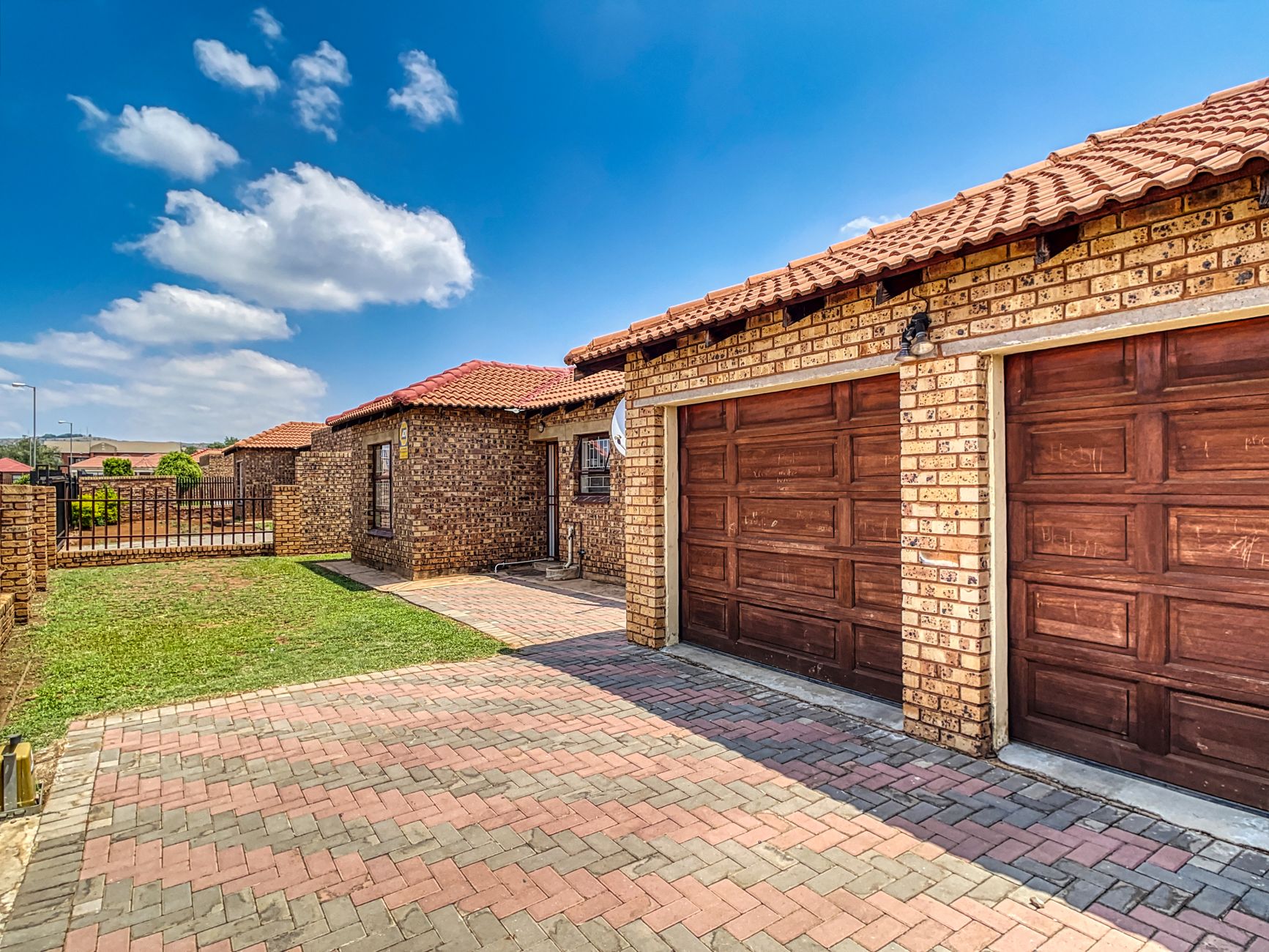
A home bond is a long-term loan that lets you buy property without paying the full price upfront. In South Africa, most buyers need a bond to purchase a home. This guide explains how bonds work, what you qualify for, and the steps to secure one.
Quick Answer: What Is a Home Bond?
A home bond, or mortgage bond, is a loan from a South African bank or lender that you use to buy a property. You repay it with monthly instalments plus interest over an agreed term, usually 15 to 30 years. The property itself acts as security, which is why it is called a registered mortgage bond over the title deed.
Why Bonds Matter for First-Time Buyers
Most first-time buyers cannot afford to pay cash for a home. A bond spreads the purchase price into manageable monthly payments, making property ownership accessible. However, securing a bond requires more than just wanting a home. Lenders assess your income, debts, credit history, and the property value to decide how much they will lend and on what terms.
The bond affects your entire affordability picture. The purchase price is only part of the cost. You also need transfer duty or transfer costs, legal fees, bond registration fees, and possibly a deposit. Understanding the full picture before you apply protects you from surprises near the transfer date.
How a Bond Works in South Africa
Interest Rates and Instalments
South African home bonds typically use a variable interest rate tied to the prime rate set by the South African Reserve Bank. Your monthly instalment is calculated so that each payment covers the interest first, with the remainder reducing the outstanding capital. Over time, more of your payment goes toward capital and less toward interest, a process called amortisation.
The Role of the Bond Originator
A bond originator helps you compare offers from multiple banks and lenders. They collect your financial information, estimate your affordability, and submit applications on your behalf. This streamlines the process and often saves you time compared to approaching each lender individually. Not all originators charge a fee; many earn commission from the lending institution once your bond is approved.
Security and Registration
When a lender approves your bond, they register a legal charge, usually as a first mortgage bond, over the property. This means the property is legally pledged as security. If you fail to meet your repayment obligations, the lender can apply to the court for permission to sell the property to recover the outstanding amount. Registering the bond protects the lender and is recorded at the Deeds Office.
How Much Can You Borrow?
Lenders generally prefer to lend no more than 90 percent of the property's value, especially for first-time buyers. The remaining 10 percent is often expected as a deposit. Some institutions offer 100 percent financing, but these arrangements usually come with stricter conditions, higher interest rates, or additional fees.
The exact amount you qualify for depends on several factors:
- Your gross monthly income and employment stability
- Your existing monthly debt obligations
- Your credit history and score
- The outstanding period of the bond
- The property type and its market value
A simple rule of thumb used by many lenders is that your total monthly instalment, including any other debts, should not exceed 30 to 35 percent of your gross monthly income. This is not a legal cap, but a guideline that helps ensure the repayment remains comfortable.
The Bond Application Process
Step 1: Check Your Affordability
Before applying, calculate what you can realistically afford. Include the bond instalment, property taxes, insurance, and maintenance costs. Use a reputable bond calculator to estimate monthly payments based on different interest rates and terms. Be conservative in your estimates to avoid pressure later.
Step 2: Gather Required Documents
Banks and bond originators require documentation to assess your application. Commonly requested documents include:
- Valid South African ID or passport
- Proof of income, such as recent payslips
- IRP5 certificate or income tax return
- Bank statements for the last three months
- Proof of residence
- Information about existing debts and loans
Having these documents ready in advance speeds up the process significantly.
Step 3: Submit Your Application
Your bond originator or chosen bank will submit your application along with all supporting documents. During this stage, the lender performs a credit check and verifies your income and employment. They also order a valuation of the property to confirm it matches the agreed purchase price.
Step 4: Review the Offer
If approved, the lender issues a written bond offer. Review it carefully. Check the interest rate, the monthly instalment amount, the total cost of credit, and any fees or charges. Compare the terms with offers from other lenders if you used an originator who applied to several institutions.
Step 5: Accept and Register
Once you accept the offer, the bond is registered at the Deeds Office. Your appointed conveyancer handles most of this process, coordinating with the seller's attorney and the relevant municipality. Registration usually takes two to four weeks, depending on the workload of the Deeds Office.
Common Mistakes to Avoid
Overestimating Affordability
It is tempting to rely on the maximum amount a lender offers. However, consider how interest rate increases could affect your payment. A rate rise of two percentage points can raise your monthly instalment substantially. Budget for higher payments than the initial offer.
Ignoring Additional Costs
The bond covers only the purchase price. Transfer duty, legal fees, registration fees, and deposit requirements add up quickly. Some first-time buyers qualify for transfer duty exemptions on properties below a certain threshold, but you still need funds for other costs. Plan for these before signing any agreement.
Missing Documents or Deadlines
Incomplete applications cause delays. Double-check every required document against the checklist provided by your originator or lender. Respond to requests promptly. A delay in submitting a payslip or bank statement can push your bond approval past the suspension date of your offer to purchase.
Licensed Professionals You May Need
Buying a home involves several regulated professionals. A conveyancer, who is an admitted attorney, handles the legal transfer of ownership. A bond originator assists with your financing application. Some areas also recognise property practitioners registered with the Property Practitioners Regulatory Authority. Always confirm that any professional you engage holds the necessary licence or accreditation to operate in South Africa.
Using a reputable conveyancer reduces the risk of errors during registration. Similarly, working with an experienced bond originator can improve your chances of approval and may uncover terms that better suit your financial situation.
Key Takeaways for First-Time Buyers
- Start your bond application early, ideally before you make an offer to purchase.
- Calculate affordability using conservative interest rate assumptions.
- Gather all required documents to avoid unnecessary delays.
- Compare offers from multiple lenders whenever possible.
- Budget for additional costs beyond the bond and purchase price.
- Use licensed professionals for conveyancing and bond assistance.
- Build a buffer into your budget for potential interest rate increases.
Frequently Asked Questions
Can I get a home bond with no deposit in South Africa?
Some institutions offer 100 percent financing, but approval is stricter and often requires a strong credit history, stable employment, and lower loan-to-value ratios on other properties. A small deposit usually improves your chances and can reduce the interest rate offered.
How long does it take to get home bond approval?
Typically between seven and twenty-one days once your application is complete. Delays often stem from missing documents, outstanding queries, or a delayed property valuation. Starting the process early prevents setbacks after your offer to purchase is accepted.
Conclusion
Getting a home bond is a major milestone, but it does not have to be overwhelming. Understanding how bonds work, preparing your finances, and engaging the right professionals helps you move forward with confidence. Remember that the purchase price is only the beginning. Factor in transfer costs, legal fees, and ongoing expenses to build a realistic plan. Whether you are viewing your first property or preparing for transfer, staying informed protects your investment. At KILICASA, we connect property seekers with tools and support to make property transactions clearer and more efficient. Visit KILICASA to explore how our platform helps you navigate every step of the property journey.
Ready to take the next step toward property ownership? Join KILICASA today and experience South Africa's smartest property platform. KILICASA →