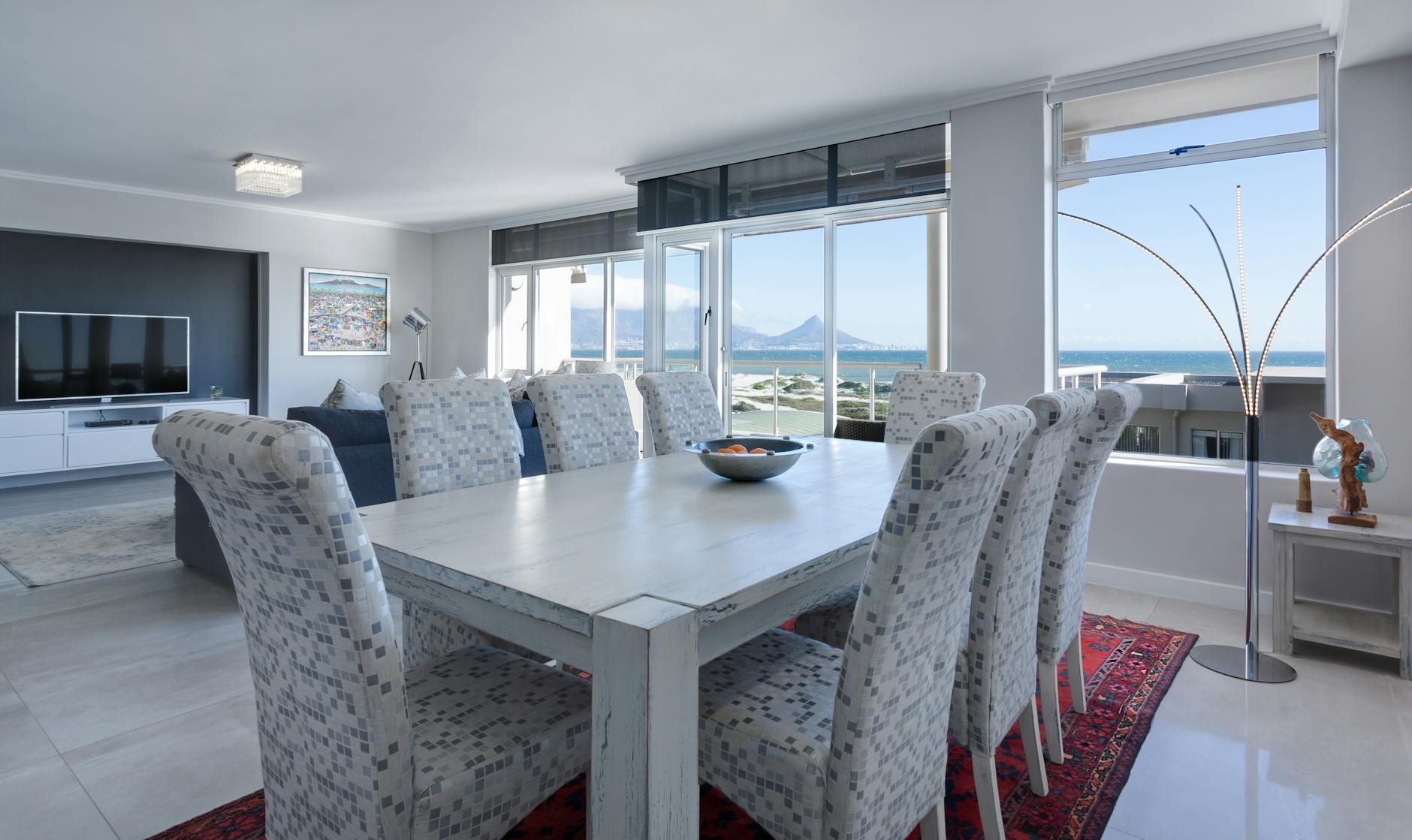
How to Rent an Apartment House in South Africa: Guide & Tips
Looking for an apartment house to rent? Learn steps, costs and tips for renting in South Africa. Whether you want a flat in Johannesburg, a sectional title

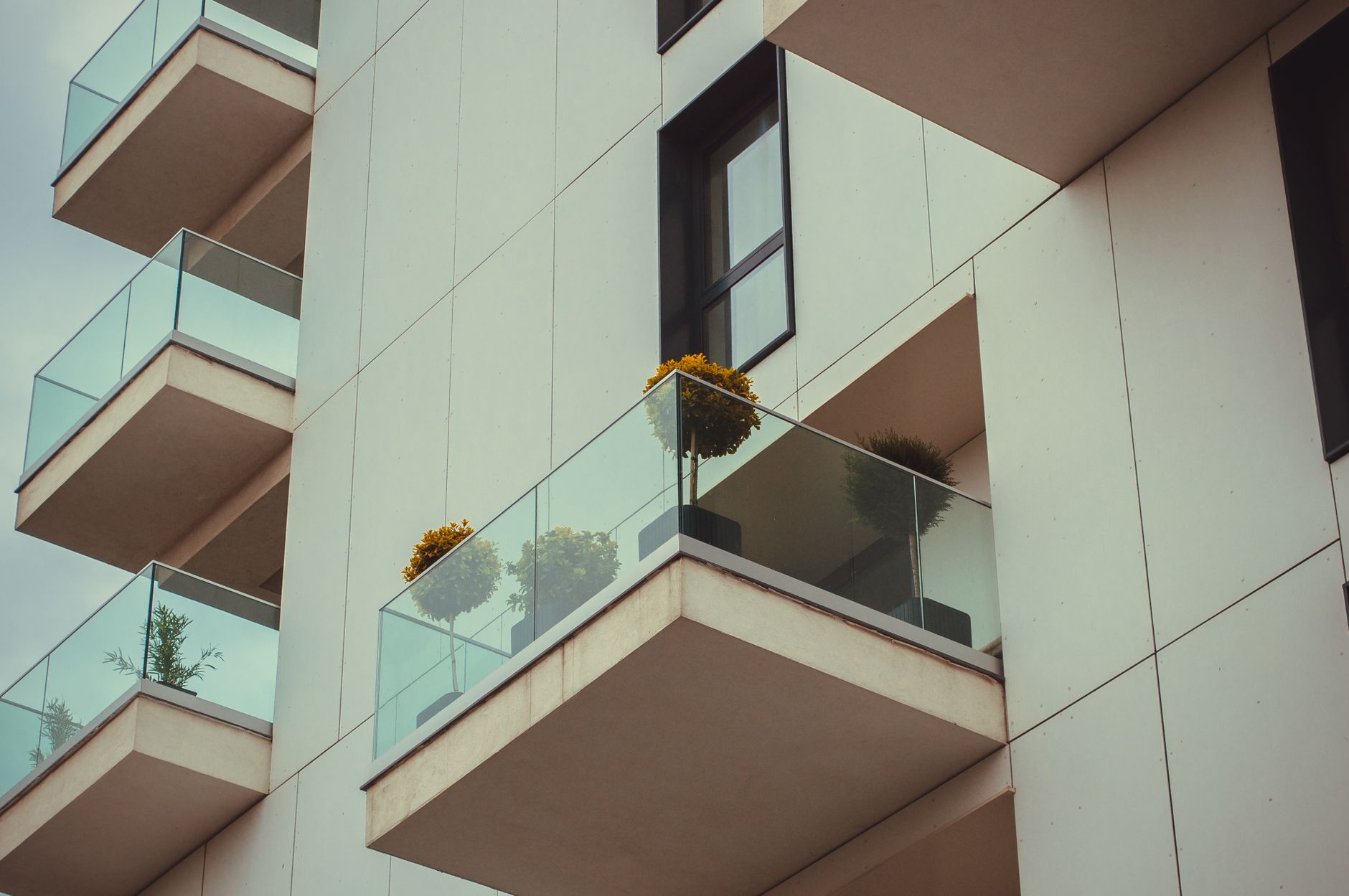
Looking for an apartment house to rent? Learn steps, costs and tips for renting in South Africa. Whether you want a flat in Johannesburg, a sectional title unit in Cape Town, or a townhouse near Durban, this guide covers everything you need to know to rent confidently.
Quick Answer
An apartment house is a multi‑unit residential building for rent, offering shared amenities and separate leases for each unit. It includes flats, sectional title complexes, cluster homes, and student accommodation, all governed by specific South African laws and regulations.
Table of Contents
- What is an Apartment House?
- Key Legal Terms You Need to Know
- Finding the Right Rental
- Understanding Lease Agreements
- Costs Beyond Rent: Budget Essentials
- Tenant Rights and Responsibilities
- Maintenance, Repairs, and Disputes
- Tips for a Smooth Rental Experience
- Common Mistakes to Avoid When Renting
- Legal Framework and Regulatory Bodies
- How KILICASA Helps You Rent an Apartment House
What is an Apartment House?
An apartment house is a building designed for multiple residential units under one roof. In South Africa the term covers flats, sectional title complexes, cluster houses, and sometimes student accommodation. Each unit is leased individually, while common areas—lift lobbies, gardens, gyms, parking bays—are managed by a body corporate or landlord.
Sectional title properties are governed by the Sectional Titles Act 95 of 1986. The body corporate oversees maintenance, levy collection, and rules for the complex. Understanding this structure helps tenants anticipate fees and rights within a shared‑ownership environment.
Types of Apartment Houses in South Africa
Flats are typically found in high‑rise blocks and may be owned or rented. Townhouse complexes combine semi‑detached homes with shared walls and communal gardens. Student housing often includes furnished units with short‑term leases, sometimes with additional security deposits. Gated estates may combine residential units with security features and leisure facilities.
Key Legal Terms You Need to Know
Tenancy in South Africa is regulated primarily by the Rental Housing Act 50 of 2009. The term “property practitioner” refers to a licensed real‑estate agent under the Property Practitioners Act (PPA) and must hold a Fidelity Fund Certificate (FFC) issued by the PPRA. The Offer to Purchase (OTP) is the standard contract for buying, while a lease agreement serves the same purpose for renting.
Important Definitions
- Deposit – usually one to two months’ rent, held in an interest‑bearing account.
- Occupational Rent – rent paid while the seller remains in the property after the sale, relevant for some apartment sales.
- Levy – monthly contribution to the body corporate for maintenance and services.
- Notice Period – the time required by either party to terminate a lease, commonly 20 days for month‑to‑month agreements.
Understanding these terms reduces the chance of surprise costs or disputes later.
Finding the Right Rental
Modern renters use a mix of online portals, agent listings, and social media groups. Websites such as PrivateProperty, PayProp, and even Facebook Marketplace are popular. However, many tenants now start with KILICASA because its AI‑driven KILI PASSPORT verifies income and documents, narrowing listings to those you truly qualify for.
When searching, filter by location, rent range, and property type. Include keywords like “apartment to rent near me,” “sectional title unit,” or “townhouse for rent in [city].” Verify that the listing includes a contact number, a clear rent amount, and any additional fees.
Understanding Lease Agreements
A lease agreement should be in writing, signed by both parties, and include essential clauses: rent amount, deposit details, lease duration, renewal terms, and termination notice. The Consumer Protection Act (CPA) also applies, preventing unfair terms and requiring clear cancellation policies.
Key points to check:
- Rent amount and payment date.
- Security deposit amount and return conditions.
- Responsibilities for utilities and maintenance.
- Rules about pets, subletting, and visiting guests.
- Dispute resolution procedures, including contact information for the Rental Housing Tribunal.
Before signing, keep photocopies of the agreement and any photos of the property’s condition. This documentation is valuable if you later need to dispute repairs or claim a deposit return.
Costs Beyond Rent: Budget Essentials
Rent is only the start. First‑time renters often underestimate additional costs. A typical budget should include:
| Cost Item | Typical Amount (ZAR) |
|---|---|
| Security Deposit | 1–2 months’ rent |
| Lease Transfer or Agency Fee | 0.5–1 month’s rent (if agent used) |
| Levy (Body Corporate) | R600–R2 500 per month, depending on complex |
| Property Rates & Taxes | R300–R1 200 per month in most metros |
| Utilities (Electricity, Water, Internet) | R800–R2 000 per month |
| Moving Costs | R1 500–R5 000 for professional packing |
Having a clear monthly cash flow projection prevents surprise shortfalls and helps you qualify for rentals more easily.
Tenant Rights and ResponsibilitiesTenant Rights and Responsibilities
The Rental Housing Act guarantees a habitable dwelling, privacy, and reasonable notice for entry by the landlord. Tenants have the right to a written lease, a clear deposit receipt, and timely repairs when issues affect health or safety.
Responsibilities include keeping the unit clean, paying rent on time, avoiding damage, and giving proper notice before vacating. Tenants must also follow complex rules regarding pets, noise, and subletting. Discrimination in rental decisions is prohibited under the South African Constitution and the Promotion of Equality and Prevention of Unfair Discrimination Act.
Maintenance, Repairs, and Disputes
Maintenance of common areas is the body corporate’s duty, while landlords or owners are responsible for structural repairs and essential services. Minor repairs—like a leaking tap or broken lock—are the tenant’s responsibility to report promptly.
If a landlord fails to address serious issues (e.g., electrical faults, roof leaks), the tenant can file a complaint with the Rental Housing Tribunal. The tribunal can order repairs or award compensation for loss of enjoyment.
Tips for a Smooth Rental Experience
- Visit the property during different times of the day to gauge noise levels, security, and neighbor behavior.
- Check the body corporate’s financial health by requesting the latest levy statements and any outstanding dues.
- Ask for a copy of the property’s lease history to spot recurring issues.
- Use a reputable agent or platform such as KILICASA, which verifies both the listing and the tenant’s pre‑qualification.
- Document the unit’s condition with photos and videos before moving in, and create an inventory checklist.
- Negotiate lease terms where possible—e.g., longer lease for a reduced deposit.
- Consider renting furnished units if you need temporary accommodation, but be aware of higher monthly costs.
Common Mistakes to Avoid When Renting
Many tenants skip reading the lease fine print, assuming the agent will be transparent. This leads to hidden costs or unexpected rules. Another mistake is failing to get receipts for deposits and utility payments, making it hard to dispute later.
Do not assume that any “verbal agreement” overrides a written lease. Courts uphold written contracts, and verbal promises are difficult to enforce. Also, avoid signing a lease with a landlord who refuses a deposit receipt—this is a red flag for potential fraud.
Legal Framework and Regulatory Bodies
Renting in South Africa is governed by several statutes. The Rental Housing Act 50 of 2009 sets minimum standards for habitability and dispute resolution. The Consumer Protection Act (CPA) prohibits unfair contract terms and requires clear cancellation policies.
Property practitioners must be registered with the PPRA and hold an FFC, as stipulated by the Property Practitioners Act. Financial transactions are covered by FICA, ensuring anti‑money‑laundering controls.
KILICASA aligns with these requirements by using the KILI PASSPORT to pre‑qualify tenants, providing verified documentation, and offering listings that clearly state rent, deposit, and lease terms. This reduces the risk of illegal agreements and protects both parties.
How KILIC到底帮助你租公寓
At KILICASA, the KILI PASSPORT is a digital profile that captures income, employment verification, and required documents. By completing this passport, tenants receive a pre‑qualification status that speeds up the approval process with landlords and agencies. The platform also displays essential lease details—rent, deposit, and rules—making comparison easy.
For property practitioners, KILICASA offers a streamlined tool to manage listings, generate OTPs, and track leads. The system’s AI‑driven matching connects seekers with suitable properties, reducing viewings and vacant periods.
Using KILICASA ensures compliance with the PPRA and the Rental Housing Act, because all listings are vetted and the platform logs every transaction for audit purposes. Tenants can trust that they are renting from verified providers.
Conclusion
Renting an apartment house in South Africa is a process that blends practical steps with legal awareness. From defining what an apartment house is to budgeting for hidden costs, each phase requires careful attention. By knowing key legal terms, protecting tenant rights, and avoiding common pitfalls, you can secure a rental that meets your needs while staying within budget.
Modern technology, such ZKILICASA’s AI‑driven KILI PASSPORT, simplifies verification and connects you with reliable listings. Leveraging these tools not only speeds up your search but also ensures compliance with South African rental legislation.
Take the next step today. Use the tips outlined here, complete your KILI PASSPORT, and explore verified apartment house rentals on KILICASA. Your ideal rental is just a few clicks away.
Frequently Asked Questions
What is the typical length of a residential lease in South Africa?
Most leases are signed for 12 months, though month‑to‑month agreements are also common. Longer leases often provide rent stability, while shorter terms give flexibility for temporary stays.
How much is a security deposit for an apartment house?
Landlords typically require one to two months’ rent as a deposit. The amount is held in an interest‑bearing account and must be returned after the lease ends, minus any legitimate deductions.
Can I sublet my rented apartment?
Subletting is allowed only if the original lease permits it or if you obtain written consent from the landlord. You remain responsible for the subtenant’s actions and must ensure they meet the same qualifications.
What are my rights if the landlord neglects repairs?
Under the Rental Housing Act you have the right to a habitable dwelling. If essential repairs are not addressed, you may report the issue to the Rental Housing Tribunal for resolution or request a rent reduction.
How does KILICASA verify a tenant’s eligibility?
KILICASA uses the KILI PASSPORT, which collects income, employment, and document verification. This pre‑qualification status is shared with landlords, streamlining approval and ensuring compliance with PPRA and FICA requirements.
Sources
- Property Practitioners Regulatory Authority (PPRA) – Fidelity Fund Certificate requirements, accessed July 2024.
- South African Revenue Service (SARS) – Transfer Duty Rates, 2024.
- Statistics South Africa (Stats SA) – General Household Survey 2022, data on rental households.
- National Credit Regulator – Consumer Protection Act guidelines, 2023.
- Rental Housing Act 50 of 2009 – Tenant rights and dispute resolution framework.
Ready to find your next home or grow your real estate business? Join KILICASA today and experience South Africa's smartest property platform. KILICASA →