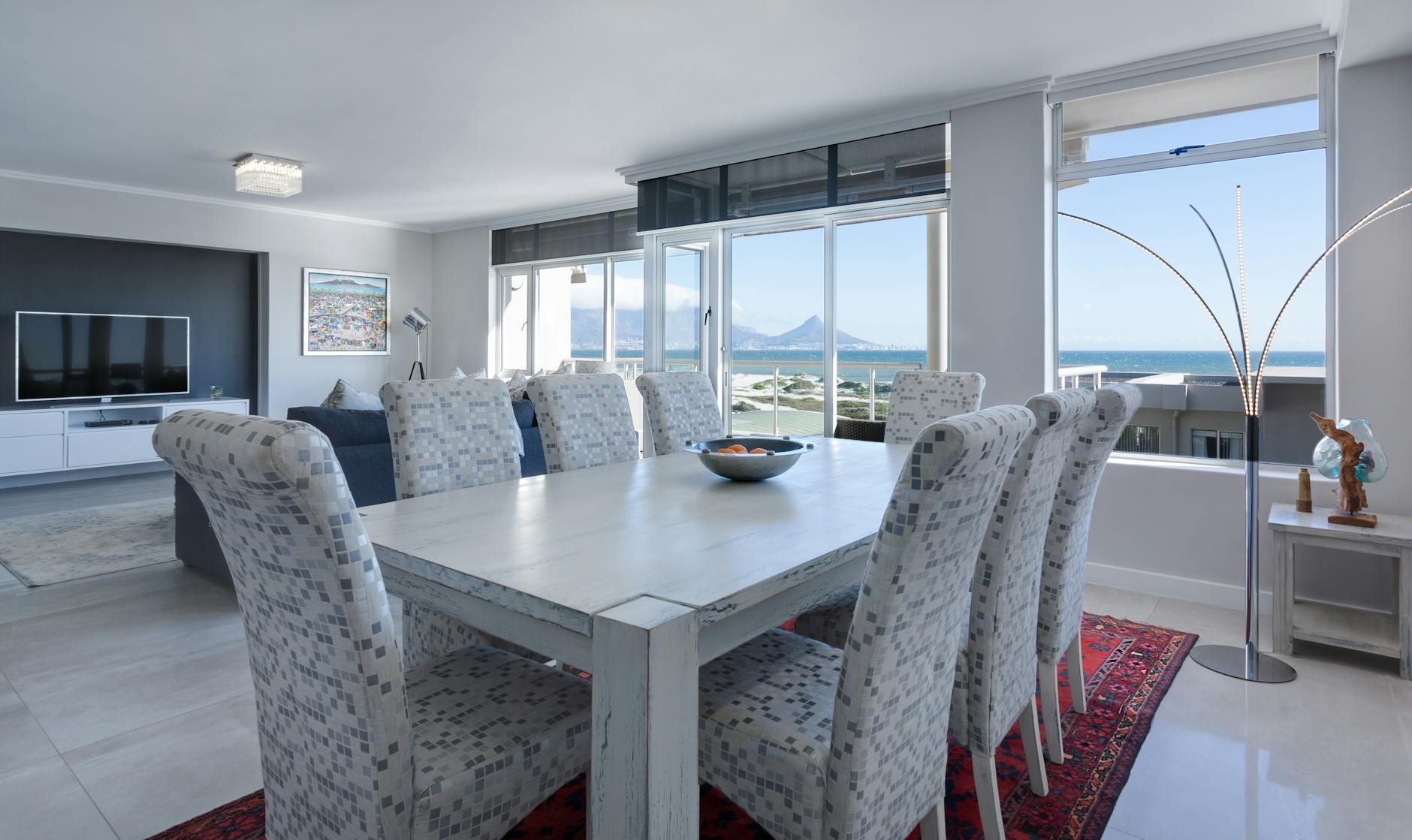
How to Sell Your House Fast in South Africa: A Complete Guide
Nelisiwe found the perfect buyer three weeks into her listing — but the deal collapsed because her compliance certificates had expired. Selling a house in


Nelisiwe found the perfect buyer three weeks into her listing — but the deal collapsed because her compliance certificates had expired. Selling a house in South Africa involves more than just pricing it right.
A Story of Two Sellers
Last year, two neighbors in Observatory, Cape Town, put their homes on the market within days of each other. Both listed around R1.8 million, both hired agents, both staged their homes. One sold in six weeks. The other waited eight months.
The difference wasn't price, presentation, or even the agent. It was preparation. Nomsa had all her compliance certificates done, a clear title deed search, and a bond cancellation quote from her bank — all before the first show day. Thabo discovered these requirements midway through negotiations, causing delays that made his buyer walk away.
This guide walks you through every step of selling your property in South Africa, from knowing what your house is worth to handing over the keys — without the costly surprises.
Quick Answer: Selling a house in South Africa typically takes 8–14 weeks from listing to transfer, costs 8–15% of the sale price (including agent commission and transfer fees), and requires compliance certificates, proof of payment for rates, and a valid electrical installation certificate. The fastest sales happen when all documentation is prepared upfront.
What Your House Is Actually Worth
Before listing, you need a realistic benchmark. A property valuation isn't just what the agent says — it should reflect recent sales data, location premiums, and current market conditions. In growing suburbs like Sandton or Claremont, comparable sales from the last six months carry more weight than those from last year.
A free property valuation tool can give you a starting point, but remember: automated estimates often miss unique features — renovations, views, or boundary disputes — that significantly affect value. For accuracy, commission a professional valuation from a registered valuer.
| Valuation Method | Typical Range | Timeframe |
|---|---|---|
| Online estimator | ±15% of actual value | Instant |
| Agent comparative market analysis | ±5% of actual value | 2–3 days |
| Professional valuer | ±2% of actual value | 7–10 days |
Choosing Between Private Sale and Estate Agent
Many sellers ask: can I sell my house without an estate agent? Yes, but consider what you're trading. Private sellers avoid commission (typically 5–7% in South Africa), but lose access to agent networks, marketing reach, and legal safeguards.
Estate agents handle show days, negotiate offers, and manage the Offer to Purchase process. They also carry Fidelity Fund Cover, protecting you against fraud. However, some sellers prefer keeping control — especially if they have strong local networks.
- Private sale pros: Higher net proceeds, full control over negotiations
- Private sale cons: Limited exposure, less legal protection, more time investment
- Agent sale pros: Professional marketing, qualified leads, compliance guidance
- Agent sale cons: Commission costs, potential lack of urgency
Sole Mandate vs Open Mandate: What's the Difference?
If you choose to work with an agent, understanding mandate types prevents costly misunderstandings. A sole mandate gives one agency exclusive rights to sell your property for a set period, usually 12 weeks. If they don’t sell, they don’t earn commission.
An open mandate allows multiple agencies to market your property simultaneously, paying commission only to the agent who secures a buyer. While this increases exposure, it can lead to confusion about who gets paid and reduced motivation from agents.
Most successful sellers in Johannesburg and Durban opt for sole mandates with proven local agents — combining exclusivity with accountability.
Preparing Your Home for Sale
Once priced correctly, your home must attract serious buyers. Stage key areas first: living room, kitchen, master bedroom, and outdoor spaces. Declutter ruthlessly — studies show staged homes sell 73% faster on average.
First impressions matter during show days. Ensure gardens are mowed, surfaces are clean, and interiors smell fresh (avoid overpowering scents). Consider professional staging for high-value properties; the return on investment often exceeds costs.
Show Day Checklist
- Remove personal photos and valuables
- Open curtains and turn on lights
- Minimize furniture for better flow
- Maintain consistent temperature
- Leave quietly during viewings
Understanding Selling Costs
Beyond agent commission, several hidden costs affect your net proceeds. These include transfer costs, bond cancellation fees, advertising, compliance certificates, and Capital Gains Tax.
| Cost Component | Estimated Range | Paid By |
|---|---|---|
| Estate agent commission | 5–7% of sale price | Seller |
| Transfer costs | R9,000–R25,000 | Buyer |
| Bond cancellation costs | R5,000–R25,000 | Seller |
| Compliance certificates | R3,000–R8,000 total | Seller |
| Advertising/marketing | R5,000–R15,000 | Seller |
| Capital Gains Tax | Varies based on profit | Seller |
On a R1.5 million sale, expect total selling costs near R120,000–R150,000.
The Role of Capital Gains Tax
When you sell a property in South Africa, any profit may be subject to Capital Gains Tax (CGT). However, primary residence exclusion protects up to R2 million of gains on your main home. For secondary homes or investment properties, CGT applies to 40% of the profit above the annual exclusion.
To minimize CGT liability:
- Sell only improvements, not original purchase price adjustments
- Keep detailed records of all renovation expenses
- Use the full primary residence exclusion if applicable
- Offset gains against other asset losses
Consult a tax advisor before listing — smart timing can save thousands.
Bond Cancellation Costs Explained
If you currently have a bond on your property, settling it early triggers cancellation fees. These include administrative charges, penalty interest, and possible early settlement penalties. Request a written statement from your bank detailing exact amounts.
These costs average R8,000–R18,000 depending on outstanding balance and lender policy.
Negotiate with your bank — some waive cancellation fees for loyal customers switching accounts.
Compliance Certificates You Cannot Skip
Every property sale requires mandatory compliance certificates issued by qualified professionals:
- Electrical Compliance Certificate (ECC): Valid for two years
- Beetle Certificate (Termite): Required in certain regions
- Plumbing Certificate: Checks for leaks and water efficiency
- Rates Clearance Certificate: Confirms no municipal arrears
- Tax Clearance Certificate: From SARS confirming no outstanding taxes
- Transfer Duty Receipt: Paid by buyer unless property under 1M
Start certificate applications early — some require inspections taking weeks.
How Long Does It Take to Sell?
The average time from listing to signed Offer to Purchase is 45 days in major cities like Pretoria and Johannesburg. Including transfer and bond registration adds another 8–12 weeks.
Market conditions impact speed:
- Bear markets: 60–90 days to offer stage
- Bull markets: 20–40 days to offer stage
- Rural areas: Often longer due to fewer buyers
Seasonality plays a role too — December sees fewer buyers due to holidays.
Negotiating Offers and Acceptances
An Offer to Purchase (OTP) becomes legally binding once accepted. Include suspensive conditions: financing approval, sale of buyer’s existing home, and satisfactory inspections. Conditional offers allow exit clauses without penalty.
Counter-offers are legal but risky — they void the original offer. Always counter within 24 hours of receiving an unacceptable OTP.
Never accept cash offers above market value without verifying funds — fraudsters sometimes overpay initially then default at transfer.
Timing Your Sale Strategically
The best time to sell property in South Africa depends on demand cycles. Summer months (October to March) see peak activity as families aim to move before school starts. Spring brings fresh listings competing for attention.
Avoid listing during Easter weekend or mid-December — buyers rarely make decisions then. Mid-week listings often perform better due to reduced competition.
Handover Process and Final Steps
After OTP acceptance comes transfer — handled by your chosen conveyancer. You’ll sign final documents, hand over occupancy, and receive net proceeds after deductions.
Ensure:
- All utility bills are settled
- Municipal services remain uninterrupted until transfer
- Keys, alarms, and manuals are handed over
- Final walk-through confirms agreed condition
Transfer delays happen — track progress weekly through your attorney.
Common Mistakes Sellers Make
Even experienced sellers repeat avoidable errors:
- Setting unrealistic prices based on emotional attachment
- Delaying compliance certificates until late in process
- Omitting material defects knowingly in OTP
- Choosing cheapest agent over experienced one
- Ignoring tax implications until after sale completes
- Over-staging with trendy decor that alienates traditional buyers
Each mistake costs time, money, or both.
Best Practices for Faster Sales
Top-performing sellers follow consistent strategies:
- Price competitively from day one using recent comps
- Invest in minor upgrades improving curb appeal
- Hire reputable photographers for online listings
- Respond promptly to feedback from show days
- Provide flexible viewing times including weekends
- Maintain accurate documentation throughout process
Fastest sellers combine competitive pricing with flawless presentation and proactive communication.
Checklist Before Listing
| Task | Completed? |
|---|---|
| Professional property valuation | |
| Electrical compliance certificate ordered | |
| Rates clearance obtained | |
| Bond cancellation quote received | |
| Title deed copy verified | |
| Suitable agent selected and contracted | |
| Home staged and professionally photographed |
Key Takeaways
- Prepare compliance certificates before listing to avoid deal delays
- Accurate pricing beats aggressive marketing every time
- Understand total selling costs to calculate true net proceeds
- Primary residence exclusion significantly reduces CGT burden
- Professional photography increases online engagement by 60%
Conclusion: Your Path Forward
Selling property doesn't have to be stressful if approached systematically. From initial valuation through final handover, preparation eliminates most surprises. Focus on accurate pricing, thorough documentation, and strategic timing — and your sale will close smoothly.
Whether selling privately or with an agent, every decision impacts your bottom line. Start gathering documents today and position yourself ahead of buyers who are ready now.
Frequently Asked Questions
How long does it take to sell a house in South Africa?
From listing to signed offer typically takes 30–60 days depending on market conditions. Adding transfer and bond registration extends the process another 8–12 weeks. Well-priced homes in high-demand areas often sell faster.
What are the total costs of selling a house?
Selling costs range from 8–15% of the sale price covering agent commission, transfer fees, bond cancellation, compliance certificates, advertising, and Capital Gains Tax. On a R1.5 million property, budget roughly R120,000–R150,000 in total selling expenses.
Ready to find your next home or grow your real estate business? Join KILICASA today and experience South Africa's smartest property platform. KILICASA →