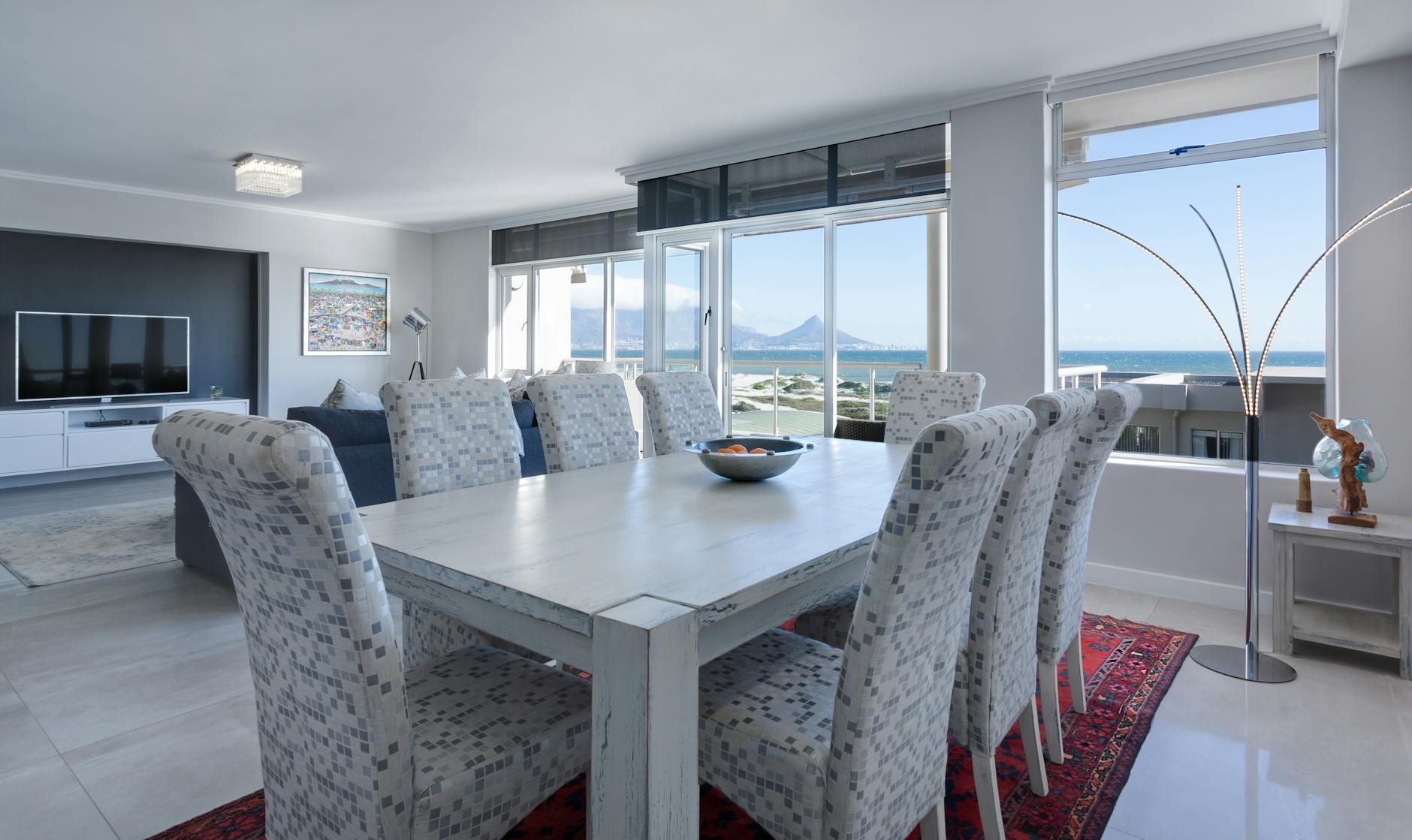
How to Sell Your House Fast in South Africa: A Practical Guide
Selling property in South Africa involves timing, legal steps, and smart pricing. Discover how to sell your house fast without losing money on hidden costs


Selling property in South Africa involves timing, legal steps, and smart pricing. Discover how to sell your house fast without losing money on hidden costs.
Direct Answer: How to Sell Your House Fast in South Africa
To sell quickly: price realistically using recent comparable sales, prepare legally required certificates (electrical, plumbing, beetle), stage key rooms, choose between sole and open mandates carefully, and market through both an agent and direct channels. The whole process typically takes 60–90 days from signed Offer to Purchase to registration, but preparation determines speed more than anything else.
- Step 1 — Property Valuation and Pricing Strategy
- Step 2 — Legal Compliance and Required Certificates
- Step 3 — Mandate Types and Agent Selection
- Step 4 — Marketing and Presentation
- Step 5 — Managing Offers and Negotiations
- Step 6 — Conveyancing and Transfer Process
- Costs and Taxes When Selling
- Common Mistakes Sellers Make
- Frequently Asked Questions
Step 1 — Property Valuation and Pricing Strategy
A realistic price is the single biggest factor in selling fast. Overpricing scares off serious buyers within days, while underpricing leaves money on the table.
Getting a Free Property Valuation
Start with a free property valuation from local agents or online estimators like KILICASA. However, treat these as ballpark figures, not final numbers. For accuracy, request detailed comparable sales reports covering the last six months in your suburb.
Lightstone and Transfer Magic publish quarterly data on average days on market and price variance by region. In Cape Town, homes priced within 5% of recent sales sell within 30–45 days; outside that range, listings stall for over 90 days.
Determining What Is My House Worth
Use the “three pillars” of valuation:
- Comparative Market Analysis (CMA): Recent sales of similar properties within 500 metres.
- Assessed Value: From the municipal valuation roll — updated every four years.
- Replacement Cost: Current rebuilding cost for similar square metres, minus depreciation.
Deliverable: Pricing Checklist
Goal: Set a competitive asking price within 48 hours of listing.
What you need: CMA report, municipal assessment, rebuilding quote, photos.
Steps:
- Gather at least three comparable sales from the same suburb, sold in the past six months.
- Adjust each sale for differences (size, age, upgrades).
- Cross-check with the municipal assessed value.
- Reduce the average by 2–5% if you want speed over maximum price.
Output: A justified asking price range — use the lower end if you need a quick sale.
Pricing for Speed vs. Maximum Return
If you need to move fast, price slightly below market value. The resulting interest surge often drives the final price above your reduced baseline through competitive bidding.
Step 2 — Legal Compliance and Required Certificates
>
South African law requires several certificates before a property can legally transfer ownership. Missing even one delays registration and frustrates buyers.
Electrical Compliance Certificate (EEC)
Issued by a registered electrical contractor, this confirms wiring meets SANS 10142 standards. It’s mandatory for all residential transfers and valid for up to two years from inspection date.
Plumbing Compliance Certificate
Covers water supply, drainage, and greywater systems. Required in most municipalities alongside the EEC.
Beetle (Woodborer) Certificate
Mandatory in certain provinces (e.g., KwaZulu-Natal, Mpumalanga). Confirms no active infestation or visible damage caused by wood-destroying insects.
Other Potential Reports
>
- Building Plan Approval: If structural changes were made without approval.
- Boundary Survey: Useful if fences or walls are disputed.
- Occupancy Certificate: Sometimes required for new developments.
Deliverable: Pre-Sale Certificate Checklist
Goal: Ensure all compliance documents are ready before marketing begins.
What you need: List of applicable certificates based on province and property type.
Steps:
- Identify mandatory certificates in your municipality.
- Book inspections 4–6 weeks ahead of listing.
- Budget R700–R2,500 per certificate depending on complexity.
- Keep digital copies and physical originals accessible.
Output: All certificates current and available during negotiations — avoids last-minute delays.
Step 3 — Mandate Types and Agent Selection
Choosing how and with whom to list affects visibility, cost, and control.
Sole Mandate vs Open Mandate
| Sole Mandate | Open Mandate |
|---|---|
| Exclusive right to sell | Anyone can introduce buyers |
| Higher commission rate (typically 5–7%) | Lower commission (usually 3–4%) |
| Stronger marketing incentive | More exposure opportunities |
| Better suited for high-value or niche properties | Works well in booming markets or oversupplied areas |
Research each agent’s track record using the PPRA website to verify FFC status and complaints history.
The Role of Estate Agent Commission
Agent fees are negotiable, but standard ranges in South Africa hover around 5–7% plus VAT. That commission includes marketing costs, photography, signage, and negotiation services.
Deliverable: Choosing Your Agent Worksheet
Goal: Select an agent who aligns with your goals and budget.
What you need: Names and contact info of at least three licensed agents.
Steps:
- Verify FFC via PPRA database.
- Request recent sales stats from each agent’s portfolio.
- Interview them on their plan to market your property.
- Compare net proceeds after expected commissions.
Output: Finalized agreement naming your chosen listing agent.
Step 4 — Marketing and Presentation
Even in a seller’s market, presentation matters. Poor staging causes hesitation; excellent staging creates urgency.
Staging Your Home
Focusing on curb appeal and neutral interiors yields measurable returns. Decluttering living spaces, adding mirrors, fresh paint, and strategic lighting improve perceived size and warmth.
Show Day Tips
Keep lights on, remove pets, bake something aromatic beforehand, and leave subtle background music playing. First impressions last under ten seconds.
Best Time to Sell Property
Historically, spring (September–November) and early summer (December) see peak buyer activity due to school holidays and end-of-year bonuses. Winter months slow demand except in coastal regions.
Step 5 — Managing Offers and Negotiations
Once interest peaks, handling offers requires both confidence and caution.
Understanding the Offer to Purchase (OTP)
The OTP outlines purchase price, deposit amount, suspensive conditions, occupation date, and penalties. Review every clause — especially those allowing buyer exit without penalty.
Counter-Offer Tactics
If an offer falls short, counter strategically rather than rejecting outright. Maintain written records of all communications until signing concludes.
Step 6 — Conveyancing and Transfer Process
This phase usually takes four to eight weeks post-OTP signature. Both parties appoint conveyancers to handle registration at the Deeds Office.
Timeline Overview
- OTP signed → Deposit paid (within 3–10 business days).
- Conveyancer appointed → Deeds searches conducted.
- Bond cancellation arranged → Rates clearance obtained.
- Documents lodged at Deeds Office → Registration completed.
Buyers typically pay transfer duty to SARS unless they qualify for exemptions under the primary residence exclusion rules.
Costs and Taxes When Selling
Total selling costs range from 8–12% of sale price when including agent fees, transfer charges, and unforeseen repairs.
Capital Gains Tax (CGT)
Inclusive in income tax returns, CGT applies to capital growth exceeding annual exclusions. Primary residence exclusion shields R2 million ($110,000 approx.) per individual or R1.8 million jointly.
Bond Cancellation Costs
Paying off outstanding home loans may incur early settlement penalties ranging between 3–6 months’ interest. Notify lender in writing 30 days prior to intended cancellation.
Transfer Duty and Rates Clearance
Sellers often cover transfer duty and secure rates clearance certificates indicating zero arrears. Fees vary by municipality but generally fall between R1,500–R5,000.
Deliverable: Cost Breakdown Template
Goal: Calculate estimated net proceeds after selling.
What you need: Sale price guess, bond balance, agent fee estimate.
Steps:
- Subtract agent commission from gross sale price.
- Deduct remaining bond balance and attorney fees.
- Account for capital gains tax implications.
- Add/subtract any outstanding levies or rates.
Output: Approximate net amount received post-sale — adjust as figures become firm.
Common Mistakes Sellers Make
Overpricing leads to stale listings; neglecting maintenance invites lowball offers. Skipping legal reviews risks delays or disputes later. Always engage professionals and keep documentation tidy throughout.
Frequently Asked Questions
Can I sell my house privately instead of hiring an agent?
Yes, but consider limitations: reduced exposure, lack of negotiation experience, higher risk of contract errors. Private sellers save on commission but often lose more through missed leads or mispriced homes.
How long does it take to sell a house in South Africa?
Average time ranges from 60 to 90 days once a valid offer is accepted. This includes conveyancing delays, which depend heavily on workload at the Deeds Office and mutual cooperation between parties.
Ready to list smarter? Join KILICASA and get your free property valuation with transparent guidance every step of the way. KILICASA →