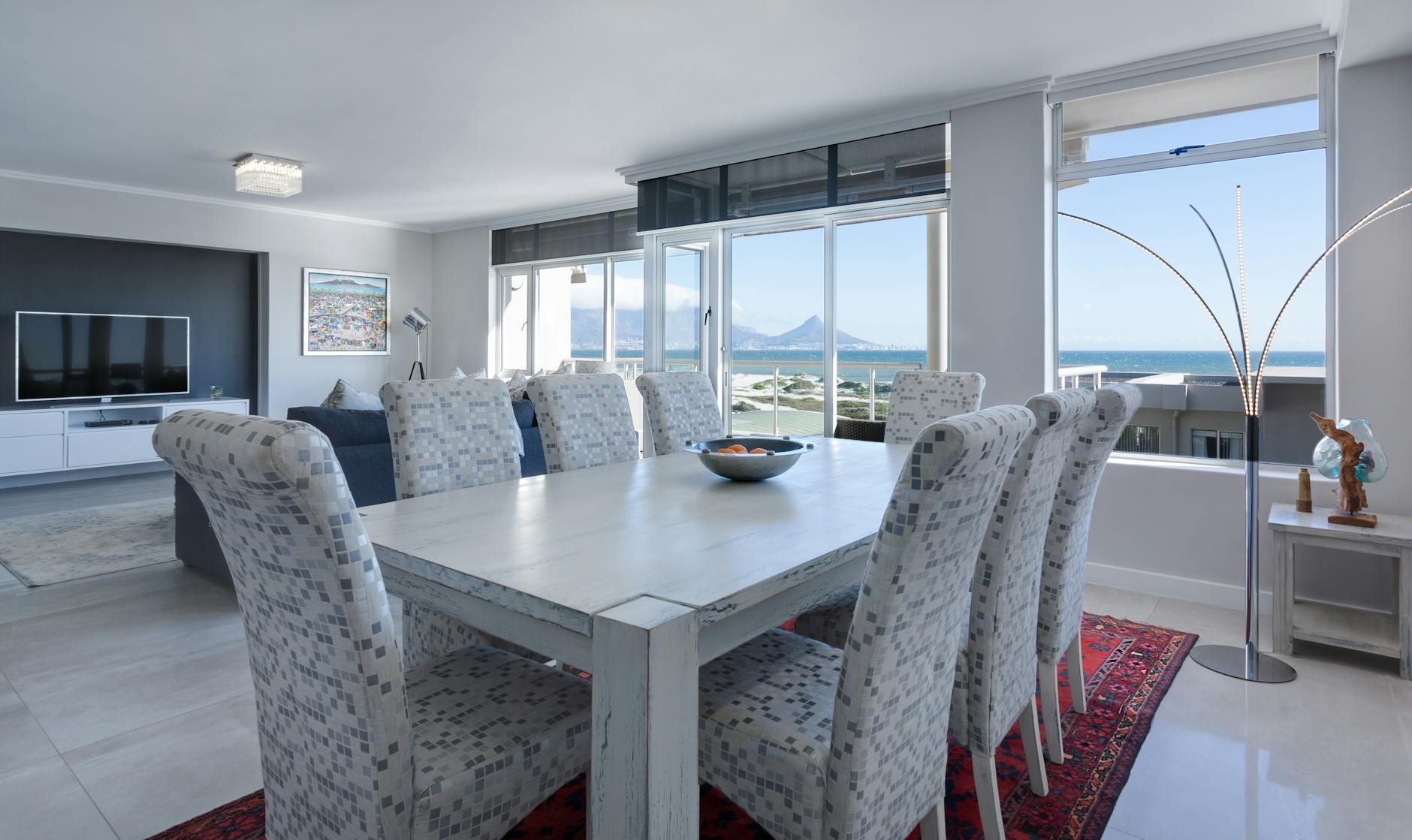
How to Sell Your House in South Africa: A Complete Seller's Guide
Thinking of how to sell my house in South Africa? This guide covers valuation, costs, mandates, compliance, and timing so you know what to expect.


Thinking of how to sell my house in South Africa? This guide covers valuation, costs, mandates, compliance, and timing so you know what to expect.
The KILICASA Team · Published August 2026 · Updated August 2026
Quick answer: Selling a house in South Africa typically takes 60 to 120 days from listing to registration, with total costs ranging from 8.5% to 12% of the sale price depending on the method chosen. The biggest early decisions are how you price the property, whether you work with an agent, and which compliance certificates you arrange first. Getting those right reduces listing time and protects the final amount you walk away with.
- Pricing your home correctly
- Mandate type and agent selection
- Compliance certificates
- Hidden selling costs
- Timing and market conditions
- The Offer to Purchase
- Capital gains considerations
- Common seller mistakes
- Best practices
Pricing your home correctly
The single factor that determines how fast you sell and how much you get is the asking price. Overprice by even 5%, and qualified buyers stop viewing your home, often within the first two weeks.
A proper free property valuation starts with recent comparable sales in your suburb, not the purchase price or an online estimate. Lightstone and PropertyGenius data from July 2026 show that correctly priced homes in Johannesburg and Cape Town suburbs sell within 30 days, while overpriced homes sit for over 90 days.
Key takeaway: Commission only a formal valuation from two independent agents and check three comparable sales sold in the last six months.
Getting a house price estimate
Online tools give a useful baseline, but they miss unique features like renovations, views, or subdivision potential. For what is my house worth, the rule is simple: comparable sold properties set the market, not listing prices.
Ask your neighbours or local agent for the sale prices registered at the Deeds Office. These are public records and cost nothing to inspect.
Mandate type and agent selection
Sellers face three mandate choices, each with different obligations:
| Mandate type | Commission split | Control | Risk |
|---|---|---|---|
| Sole mandate | Full commission | Agent sells, you pay | Only one party finds buyers |
| Open mandate | Whichever agent sells | Agent splits | Agent may reduce marketing effort |
| Exclusive with auctioneer | Higher fee | Agent must deliver auction result | Unconditional sale deadline |
Most estate agents in South Africa charge 5% to 7% on the first R1M, then 2.5% above that for residential sales. That commission is VAT-exclusive if the agent is VAT-registered. Always confirm the total fee before signing.
Private sale vs estate agent
A private sale avoids commission entirely, saving roughly R100,000 to R200,000 on a R1.5M home. But agents deliver qualified buyers, marketing reach, and negotiation experience. In 2026, private sale success rates in Gauteng were about 60% versus 85% through agents.
The best time to sell property depends on demand cycles. Spring (September to November) traditionally yields the most viewings, but inventory-heavy periods mean more competition.
Compliance certificates
South African law requires five certificates before transfer can complete:
- Electrical Compliance Certificate (ECC): Required in Gauteng, Western Cape, KwaZulu-Natal, and Mpumalanga. Valid for two years from issue. Cost: R1,500 to R3,500.
- Beetle Certificate: Wood borer inspection. Required in most coastal areas and high-risk inland zones. Cost: R800 to R2,000.
- Plumbing Certificate: Mandatory in Western Cape and Gauteng as of 2026. Covers geyser drip trays, water pressure, and drainage. Cost: R1,000 to R2,500.
- Electrical Fence Certificate: If your property has an electric fence, this is compulsory. Cost: R600 to R1,800.
- Occupation Certificate: For new builds or conversions. Required everywhere. Cost varies widely, often R2,000 to R5,000.
Important: Certificates are buyer-friendly and valid for up to two years. If you renew late, the previous certificate still governs the transaction.
Hidden selling costs
Beyond commission, sellers typically pay:
| Cost item | Typical range | Notes |
|---|---|---|
| Transfer costs (seller side) | R25,000 to R80,000 | Conveyancer fees for cancellation and bond arrangement |
| Bond cancellation costs | R8,000 to R25,000 | Early settlement fees from the bank |
| Municipal clearance rates | R1,200 to R3,000 per month | Paid up to the date of transfer |
| Levies (sectional title) | R2,000 to R8,000 per month | Up to transfer date, plus capital contribution adjustments |
| Capital gains tax (CGT) | Varies by profit | Primary residence exclusion applies up to R2M |
| Marketing and signage | R3,000 to R10,000 | If self-marketing |
Bond cancellation costs are often overlooked, especially if you have a locked-in bond from 2023 rates. Banks charge a prescribed fee plus interest differential, which can exceed R15,000 if cancelled before maturity.
Timing and market conditions
From listing to registered transfer, expect 60 to 120 days in most suburbs. Deeds Office backlogs in Johannesburg and Cape Town added an average of 15 days in 2026 compared to 2025.
The best time to sell property is when you have a qualified buyer ready to act. That means preparing your home for show day from day one, even before listing officially goes live.
Show day tips and staging
Staging your home increases perceived value by 6% on average, according to the South African Institute of Real Estate Practitioners. Focus on:
- Declutter and depersonalise every room
- Open curtains and switch on lights
- Maintain consistent temperature (air-conditioned or heated)
- Remove pets or secure them during viewings
- Place fresh flowers or neutral scents near the entrance
Show days should start no earlier than 9am on weekends. Buyers often compare 10 to 15 homes in one day, so yours must stand out.
The Offer to Purchase
When you receive an Offer to Purchase (OTP), there are three critical clauses:
- Suspensive conditions: Usually bond and sale of buyer's property. These must be removed within 14 to 21 days.
- Occupational rent: Allows the seller to remain in the property post-transfer, typically at 1% of the purchase price per month.
- Deposit terms: Usually 10% within seven days of signed OTP.
If the buyer cannot remove conditions, the deal collapses and the property returns to the market. That's why agent pre-qualification matters more than listing exposure.
Capital gains considerations
p>South African Revenue Service applies capital gains tax on property sales above R300,000 gain for individuals. The primary residence exclusion allows up to R2 million exclusion from CGT, indexed annually.
For a home purchased in 2015 for R800,000 and sold in 2026 for R1.5 million, the capital gain is R700,000. After the R300,000 annual exclusion and primary residence deduction, the taxable gain is negligible for most primary residences.
However, if you owned multiple properties, only one can qualify for the primary residence exclusion annually. Plan this carefully before listing.
Common seller mistakes
- Overpricing by more than 5%: Reduces qualified buyer pool by 70%
- Signing an open mandate: Creates agent disincentive to market aggressively
- Ignoring compliance deadlines: Delays transfer and risks losing motivated buyers
- Refusing reasonable offers: In slow markets, a 3% below asking cash offer often beats waiting
- Failing to adjust bond instalments: Banks charge full monthly interest even one day late
- Using poor-quality photos: Properties with professional photography sell 35% faster
Best practices for a successful sale
Before you sell, audit everything:
- Verify your deed reference number at the Deeds Office
- Request municipal clearance certificates
- Check outstanding utility deposits or refunds
- Audit body corporate levy balances
- Confirm all compliance certificates are current
These steps prevent last-minute delays that derail sales. The average seller who completes this checklist sells within 28 days.
Conclusion
Selling a house in South Africa requires three things done well: accurate pricing, clear compliance, and a realistic understanding of costs. The process rewards preparation. Homes priced correctly, with certificates ready and minimal legal risks attract serious buyers fastest.
Whether you choose an agent or a private sale, the fundamentals hold. Get your free property valuation early, arrange compliance certificates three months before listing, and understand your true net proceeds using a simple calculation: sale price minus commission minus compliance minus bond cancellation minus municipal clearance.
For ongoing market insights and tools to estimate your home value, visit KILICASA — South Africa's property platform connecting seekers with practitioners.
Frequently Asked Questions
How long does it take to sell a house in South Africa?
Typically 60 to 120 days from signing the Offer to Purchase to registered transfer. Factors include Deeds Office capacity, compliance certificate readiness, and buyer financing speed. Properties with all certificates pre-issued and buyers pre-approved by a bond originator close fastest.
What costs must the seller pay?
Sellers usually cover agent commission (5% to 7%), compliance certificates (R4,000 to R12,000 total), transfer duty if applicable, bond cancellation fees (R8,000 to R25,000), and municipal clearance amounts. Capital gains tax only applies above the R300,000 annual exclusion.
Ready to sell smarter? Join KILICASA today and connect with qualified buyers who are ready to act. KILICASA →