
Property Lead Qualification: A Practitioner's Guide to Better Leads
Property practitioners waste time on viewings that never convert because most leads are never properly qualified. Here is how to fix it.

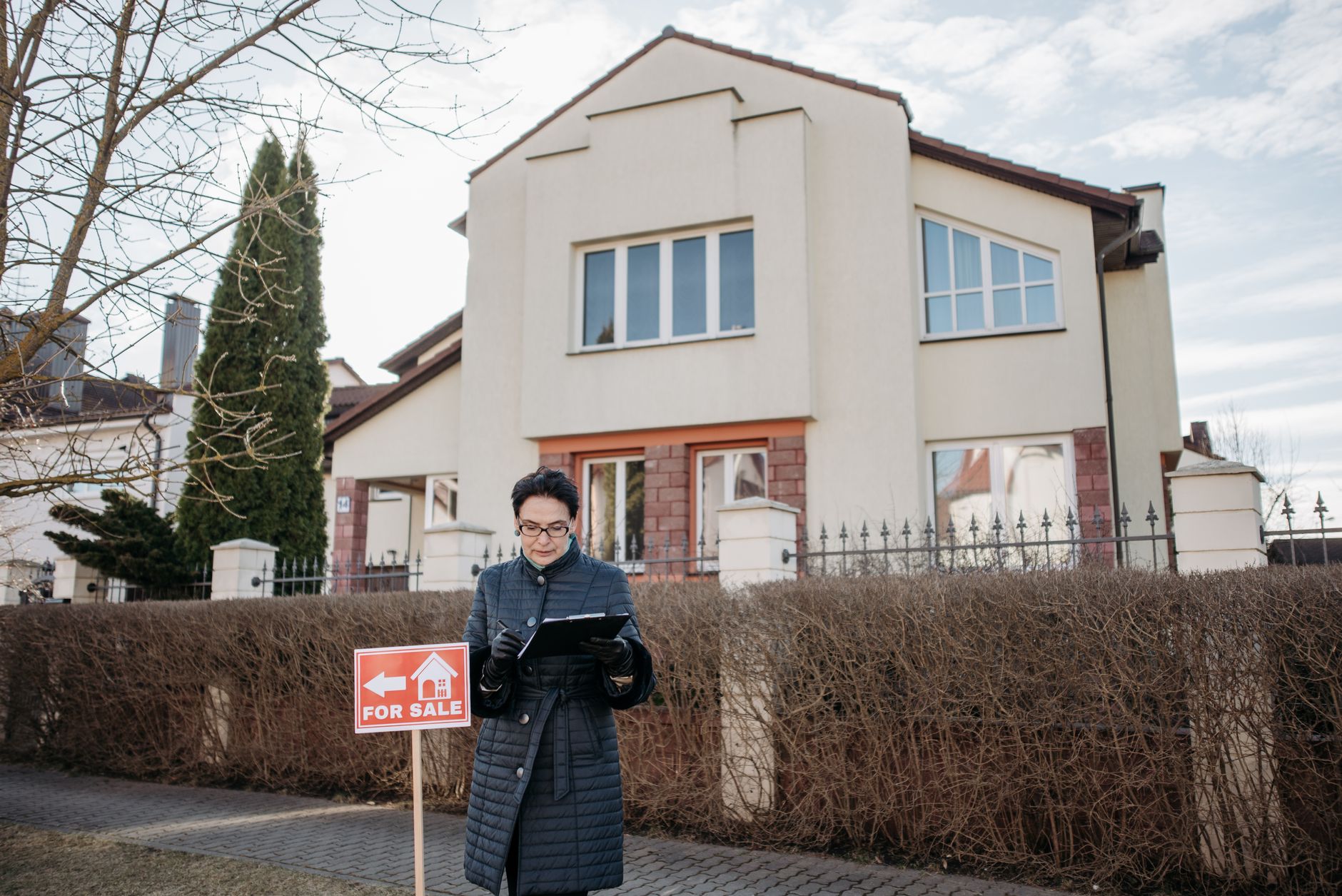
Property practitioners waste time on viewings that never convert because most leads are never properly qualified. Here is how to fix it.
The KILICASA Team · Published July 2026 · Updated July 2026
Quick answer: Lead qualification means separating buyers who can act from prospects who cannot, before the first viewing. Do this by checking financial readiness (bond pre-qualification, deposit availability), purchase timeline (within 90 days), and decision-making authority. A structured scoring system applied in the first 48 hours reduces wasted viewings by up to 60% and increases offer conversion rates significantly. This requires documented processes and consistent follow-up, not just gut instinct.
Why Most Leads Go Cold After the First Viewing
Here is a hard truth every property practitioner learns on the job: most leads are never qualified at all. They are treated as opportunities until a viewing happens, then quietly disappear when the reality of financing, timing, or decision-making surfaces.
Consider this scenario: a practitioner schedules six viewings over a weekend. Two buyers are pre-approved and ready to move within 60 days. Three are curious but have not spoken to a bond originator. One is looking for a friend who will never show up. Without a qualification process, all six feel identical on paper — but only two are worth the time.
The Property Practitioners Regulatory Authority (PPRA) and the Fidelity Fund Certificate (FFC) do not just govern how practitioners operate — they define what constitutes professional conduct. Part of that conduct is treating client time and your own time with due diligence. A poorly qualified lead is not just lost revenue; it is a failure of professional judgment.
The Three Non-Negotiable Checks Before Scheduling a Viewing
Every lead should pass through a three-point gate before a viewing calendar opens. These checks take under 10 minutes but eliminate 70% of dead-end opportunities.
Check 1: Financial Readiness (The Bond Test)
The first rule of lead qualification is simple: do not schedule a viewing until you know whether the buyer can actually purchase. This means confirming two things:
- Bond affordability: Has the buyer spoken with a bond originator or bank about what they can borrow?
- Deposit availability: Can the buyer cover transfer costs, deposit, and moving expenses without stretching their budget to breaking point?
This is not about giving financial advice — it is about setting realistic expectations. A buyer with R400,000 in savings and R18,000 in monthly income may fall in love with a R1.2 million property, but without pre-qualification, the viewing is wasted effort for both parties.
Here is how to verify financial readiness efficiently:
- Ask for bond pre-qualification proof: “Has a bond originator confirmed what you can afford?” If no, provide a list of trusted originators and ask them to call before the next step.
- Calculate rough affordability: Use the rule of thumb — monthly bond repayments should not exceed 30% of gross monthly income. Multiply by 12 for annual capacity.
- Clarify deposit and upfront costs: Transfer duty, transfer costs, conveyancing fees, and levies vary by property type. A simple checklist ensures nothing is forgotten.
If the buyer cannot pass these checks, schedule a follow-up call after they have spoken to a bond originator. The viewing will be more productive — and the buyer will feel respected rather than rushed.
Check 2: Purchase Timeline (The 90-Day Rule)
A buyer ready to move within 30 days behaves very differently from one planning to buy in six months. The difference is not preference — it is urgency, and urgency drives negotiation power.
Structure your timeline check around three questions:
- “When do you need to be in the property?”
- “What is your ideal move date?”
- “Are you selling a property first, or can you proceed independently?”
Buyers who answer with specific dates and a clear sequence of steps are actively engaged. Those who hedge with “sometime this year” or “once my current lease ends” are in research mode — valuable later, not now.
Check 3: Decision-Making Authority (The Who’s Involved Test)
Never schedule a viewing with someone who cannot make a purchase decision. This includes:
- Buyers waiting for parental approval
- Parties needing spousal consent without involving their partner
- Buyers expecting a salary bonus to materialize before committing
Ask directly: “Are you the sole decision-maker for this purchase?” If the answer is no, request the involvement of all stakeholders before proceeding. A three-person viewing with aligned goals closes faster than three separate viewings with fragmented intentions.
Implementing a Lead Scoring System That Works
Lead scoring transforms subjective judgment into repeatable processes. Here is a simple framework practitioners can adopt without adding administrative overhead.
| Criterion | Points | Notes |
|---|---|---|
| Bond pre-qualification confirmed | 15 | Must have proof from originator or bank |
| Deposit available (min 10% of purchase price) | 10 | Cash or confirmed funds |
| Ready to move within 90 days | 10 | Firm dates, not estimates |
| All decision-makers present | 10 | No third-party approvals pending |
| Property type matches need | 5 | Verified during initial call |
| Preferred area within budget range | 5 | Avoids mismatch disappointment |
| Total possible | 55 |
Apply this scoring system during the initial contact. Leads scoring 40+ should proceed to viewing immediately. Scores between 25-39 require a bond consultation before scheduling. Scores below 25 go into nurture sequences until they meet criteria.
This approach prevents the common mistake of conflating interest with intent. A buyer excited about properties but unprepared financially is a warm lead, not a hot one.
From Lead to Listing: How Better Qualification Drives Results
Qualification is not just for buyers — it is equally critical when working with sellers. A listing that never attracts qualified buyers reflects a mismatch between property and market, and recognizing this early saves months of frustration.
Before listing any property, confirm:
- Market pricing confidence: Sellers often overvalue due to emotional attachment or outdated comparisons.
- Motivation alignment: Is this a move-up, downsize, or financial necessity? Each requires different timing sensitivity.
- Condition transparency: Hidden defects or unresolved strata issues surface during buyer due diligence.
KILICASA supports practitioners by providing tools that standardize property data across listings, ensuring buyers see accurate information and sellers present properties competitively. This alignment reduces negotiation cycles and accelerates transaction timelines.
Technology and Tools That Reinforce Qualification
The best qualification process fails without consistent follow-up. Technology fills this gap by automating reminders, tracking interactions, and flagging high-priority leads.
Effective practitioners use:
- CRM tagging: Label leads by score tier and set automated reminders for follow-up calls.
- Bond calculators: Embedded tools let buyers test affordability on the spot.
- Document checklists: Digital forms ensure nothing is missed during qualification calls.
KILICASA integrates these elements into a single platform, allowing property practitioners to manage leads, listings, and client communications seamlessly. The result is less time spent on low-value tasks and more time focused on closing deals.
Common Mistakes That Undermine Lead Quality
Even experienced practitioners fall into traps that compromise lead quality. Here are the most frequent missteps — and how to avoid them:
Mistake 1: Treating Every Inquiry as Urgent
Not every email or call represents an immediate buyer. Label inquiries clearly and triage based on urgency indicators discussed earlier. Rushing unqualified leads creates false momentum and wasted effort.
Mistake 2: Skipping Financial Verification
The emotional connection buyers form with a property can cloud financial judgment. Reinforce the importance of pre-qualification by sharing examples of deals stalled due to last-minute financing issues.
Mistake 3: Neglecting Follow-Up Discipline
Studies show that 80% of sales require five follow-up contacts, yet most practitioners give up after two. Set a minimum number of touchpoints per lead and track adherence rigorously.
Measuring Productivity Through Lead Conversion Metrics
Productivity is not about the number of viewings conducted — it is about the ratio of qualified leads converted to active clients. Track these metrics weekly:
- Lead-to-viewing conversion rate: Percentage of leads that result in scheduled viewings.
- Viewing-to-offer conversion rate: Percentage of viewings leading to formal offers.
- Average days to close: From initial contact to registration of deed.
Practitioners who implement rigorous qualification typically see these numbers improve across the board. The upfront investment in structured lead management pays dividends in reduced churn and higher client satisfaction.
Key Takeaways
- Qualify every lead before scheduling a viewing using financial, timeline, and authority checks.
- Use a scoring system to prioritize hot leads and nurture those who need preparation.
- Avoid treating all inquiries as equally urgent — triage based on clear urgency indicators.
- Leverage CRM tools and calculators to automate follow-up and maintain discipline.
- Measure productivity through conversion ratios, not raw activity volume.
Conclusion: Building Sustainable Practices for Long-Term Success
Real estate lead qualification is not a one-time task — it is an ongoing discipline that shapes every aspect of a practitioner's workflow. By embedding structured checks into daily routines, practitioners protect their time, respect client needs, and build reputations grounded in reliability.
The path forward begins with choosing one element from this guide — perhaps today's quick scoring system or tomorrow's follow-up protocol — and committing to its consistent application. Small shifts compound into significant competitive advantages over time.
KILICASA equips property practitioners with the tools and insights needed to turn leads into lasting relationships. KILICASA →
Frequently Asked Questions
How often should I follow up with unqualified leads?
Set monthly check-ins for leads scoring below 25 until their qualifications improve. Use light-touch communication like market update emails rather than direct calls.
What if a buyer resists financial verification?
Framing it as a service — helping them understand what they can comfortably afford — usually reduces resistance. Most buyers appreciate clarity over assumptions.
Ready to grow your real estate business with smarter lead management? Join KILICASA today and experience South Africa's smartest property platform. KILICASA →

