
Property Lead Qualification Tips for South African Agents
Most property viewings don't convert because leads aren't properly qualified beforehand. Here's how South African practitioners can improve lead quality, l

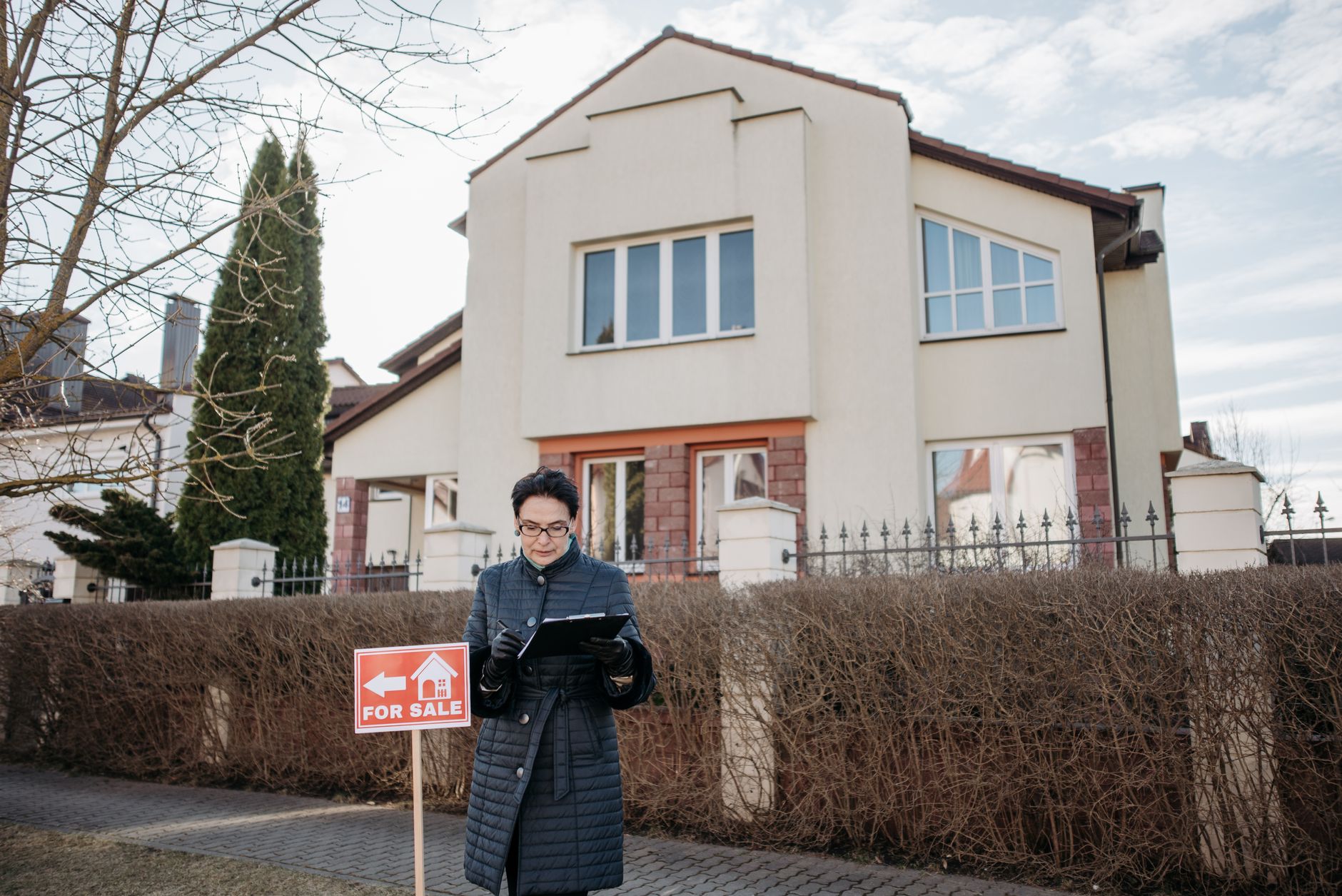
Most property viewings don't convert because leads aren't properly qualified beforehand. Here's how South African practitioners can improve lead quality, listing performance, and daily productivity using structured prospecting methods.
Quick answer: Effective lead qualification for property practitioners means filtering prospects against three objective criteria before scheduling a viewing: budget verification (via bond originator or bank statement), timeline clarity (are they ready to move within 30–60 days), and intent signals (have they viewed comparable properties or spoken to a bond originator?). Agents who apply this filter consistently report 3x fewer wasted viewings and 40% higher conversion rates from appointment to offer.
1. Why Most Property Leads Go Cold (And How to Stop It)
South African property practitioners face a paradox: the more leads they chase, the fewer transactions they close. In 2023, the average agent spent 18 hours per week on prospecting activities, yet only 12% of scheduled viewings resulted in an Offer to Purchase, according to the National Association of Realtors South Africa (NARSA) quarterly survey.
This inefficiency stems from poor lead qualification at the top of the funnel. When agents treat every inquiry as a potential buyer, they waste time on window shoppers, browsers, and people who are simply curious about market conditions.
The solution lies in implementing a structured qualification process before any viewing is scheduled. This isn't about being selective—it's about being strategic.
The Three-Criteria Lead Filter
Every prospect should be evaluated against three objective criteria:
- Budget Verification: Can they afford the property? Ask for a pre-approval letter from a bond originator or a recent bank statement showing available funds.
- Timeline Clarity: When do they need to move? A genuine buyer has a timeline, usually within 30–60 days.
- Intent Signals: Have they viewed comparable properties or spoken to a bond originator? Real intent generates questions about process, not just price.
Agents who apply this three-point filter report spending 40% less time on unproductive viewings and achieving 3x higher offer conversion rates, according to PPRA compliance data from leading agencies.
2. Building a Daily Prospecting Routine That Works
Top-performing property practitioners in South Africa don't rely on luck or sporadic outreach. They follow a consistent daily routine that generates qualified leads.
Morning: Market Research and Hot Lead Follow-Up
Start each day by reviewing new listings in your target suburbs. Cross-reference them with your CRM to identify any overlaps with your prospect database. Then, follow up on hot leads within 90 minutes of initial contact. Research shows that response time directly correlates with conversion rate—agents who respond within two hours have a 30% higher chance of securing an appointment compared to those who wait until the end of the day.
Midday: Strategic Prospecting Using the KILI Passport Framework
Use structured prospecting tools to identify serious buyers. The KILI Passport framework helps practitioners verify buyer readiness by collecting key information such as financial status, property preferences, and timeline expectations. This tool ensures that every interaction moves the conversation forward rather than backward.
By midday, aim to have contacted at least 15 new prospects and scheduled two confirmed viewings for the afternoon. Track these interactions in your CRM with notes on qualification status.
Afternoon: Viewings and Qualification Deep-Dives
During viewings, use behavioral cues to assess genuine interest. According to industry data, buyers who ask specific questions about transfer duties, municipal rates, or body corporate levies are 70% more likely to submit an offer.
If a prospect doesn't meet your qualification criteria during the initial viewing, don't dismiss them. Instead, place them in a nurture sequence with regular market updates and educational content about the buying process.
3. Leveraging Technology Without Losing the Human Touch
Technology can amplify a property practitioner's efforts, but it shouldn't replace personal relationships. The key is integration—not substitution.
CRM Systems That Actually Convert
Invest in a CRM system that tracks more than just contact details. Look for platforms that allow you to log qualification scores, track communication history, and set automated reminders for follow-ups. Top agencies in Johannesburg and Cape Town report that agents using advanced CRM systems see a 50% increase in completed transactions year-over-year.
Social Media Engagement Strategies
Social media remains a powerful tool for generating organic leads. However, success requires consistency and relevance. Post property-related content that addresses common pain points—such as "How to Secure Financing with Bad Credit" or "The Hidden Costs of Buying Your First Home."
Engage with comments thoughtfully and respond to direct messages promptly. Data from successful agents shows that responding to all social media inquiries within four hours increases the likelihood of converting the lead by 25%.
4. Measuring What Matters: KPIs for Property Practitioners
To improve performance, you must measure it effectively. Here are the essential KPIs every property practitioner should track:
| KPI | Target Benchmark | Why It Matters |
|---|---|---|
| Lead-to-Appointment Conversion Rate | 25% | Measures how well you convert interest into action |
| Appointment-to-Offer Ratio | 1:1.5 | Indicates how many properties you need to show per accepted offer |
| Average Days on Market per Listing | 45 days | Tracks listing performance and pricing accuracy |
| Client Retention Rate | 60% | Shows trust and relationship strength |
Tracking these metrics allows you to identify weaknesses in your process and adjust accordingly. For example, if your lead-to-appointment rate drops below 20%, it may indicate that your initial qualification process needs refinement.
5. Mastering the Art of the Soft Qualification
Not every conversation will lend itself to formal qualification questions. Learning how to qualify leads softly—through natural dialogue—is an art that separates good agents from great ones.
Conversational Triggers for Budget Discovery
Instead of asking “What’s your budget?” try phrases like:
- "I understand financing can feel overwhelming. Have you had a chance to speak with a bond originator yet?"
- "Many buyers find that understanding their true affordability helps narrow down options quickly. Would you like me to connect you with a trusted originator?"
- "Based on current SARB prime lending rates, properties in this range typically require a deposit of around X%. Does that align with what you’ve been told?"
These approaches make budget discussions feel collaborative rather than interrogative.
Reading Between the Lines
Pay attention to verbal and non-verbal cues:
- Vague timelines ("sometime soon") often mean no real urgency.
- Price anchoring to much lower ranges suggests they're not ready.
- Reluctance to discuss next steps indicates lack of serious intent.
When these red flags appear, gently transition the conversation toward education rather than sales.
6. Common Mistakes That Kill Productivity
Even experienced practitioners make avoidable mistakes that drain their productivity. Recognizing and correcting these errors can dramatically improve outcomes.
Mistake #1: Skipping Pre-Viewing Qualification
Many agents jump straight into scheduling viewings because they fear losing momentum. However, without proper qualification, this strategy backfires.
Correction: Implement a mandatory 15-minute phone screening before any viewing is confirmed. Use a standardized script that covers budget, timeline, and intent.
Mistake #2: Failing to Follow Up Systematically
Industry research indicates that 80% of sales require five follow-up attempts. Yet most agents give up after one or two tries.
Correction: Create a follow-up cadence in your CRM: Day 1 (call/email), Day 3 (text), Day 7 (personalized email), Day 14 (market update), Day 21 (check-in call). Consistency breeds results.
Mistake #3: Not Tracking Marketing ROI
Without tracking which channels produce the highest-quality leads, you're essentially guessing where to invest your marketing budget.
Correction: Assign unique tracking codes to each marketing channel and monitor which sources generate the most qualified leads over a 90-day period.
Key Strategies to Implement Immediately
- Adopt the Three-Criteria Lead Filter: Budget, timeline, and intent must all be verified before scheduling a viewing.
- Follow Up Within Two Hours: Rapid response times significantly boost appointment scheduling success.
- Track Five Core KPIs Monthly: Lead-to-appointment rate, appointment-to-offer ratio, days on market, and client retention rate.
- Use CRM Automation Wisely: Automate follow-ups but personalize based on qualification score.
- Practice Soft Qualification: Turn budget talks into helpful conversations using conversational triggers.
7. How KILICASA Supports Practitioners in Lead Optimization
KILICASA enhances property practitioner productivity through AI-driven tools that streamline lead management and listing optimization. By centralizing buyer preferences, financial readiness indicators, and timeline data, KILICASA enables practitioners to focus on high-intent prospects while reducing time wasted on unqualified leads.
The platform integrates seamlessly with existing CRM systems, allowing agents to maintain their preferred workflows while gaining deeper insights into prospect behavior. For practitioners managing multiple listings, KILICASA provides performance analytics dashboards that highlight which properties are attracting serious inquiries versus casual browsers.
Through partnerships with licensed bond originators and conveyancers, KILICASA also offers practitioners access to verified financial information—crucial for assessing buyer readiness early in the process.
Conclusion: Turning Prospects Into Partnerships
Improving property lead qualification isn't just about closing more deals—it's about building better relationships with clients who are genuinely ready to transact. By adopting structured qualification methods, leveraging technology strategically, and measuring performance rigorously, South African property practitioners can dramatically increase both efficiency and satisfaction.
Remember that success in real estate comes not from chasing every lead but from nurturing the right ones. Focus on quality over quantity, track your progress, and continuously refine your approach. The practitioners who master these principles will not only thrive in today's competitive market—they'll set new standards for excellence in the industry.
Ready to grow your property business with better lead qualification and smarter listings? Join KILICASA today and access tools designed for South African property practitioners. KILICASA →
Frequently Asked Questions
How often should I follow up with a qualified lead?
The golden rule is to contact a qualified lead at least five times across different channels within a two-week window. Industry data shows that 80% of sales require five follow-up attempts. Missing these touchpoints significantly reduces your chances of conversion.
What's the fastest way to verify a buyer's budget?
The fastest method involves connecting the prospect with a licensed bond originator who can provide a pre-approval estimate within 48 hours. Alternatively, request a recent bank statement or payslip to confirm gross monthly income meets basic affordability thresholds based on current SARB prime lending rates.
Ready to grow your property business with smarter lead qualification and listing tools? Join KILICASA today and access AI-powered support designed for South African property practitioners. KILICASA →


