Property Lead Qualification Tips for South African Practitioners
Lead qualification separates qualified property buyers from browsers. For South African property practitioners, better qualification means fewer wasted vie

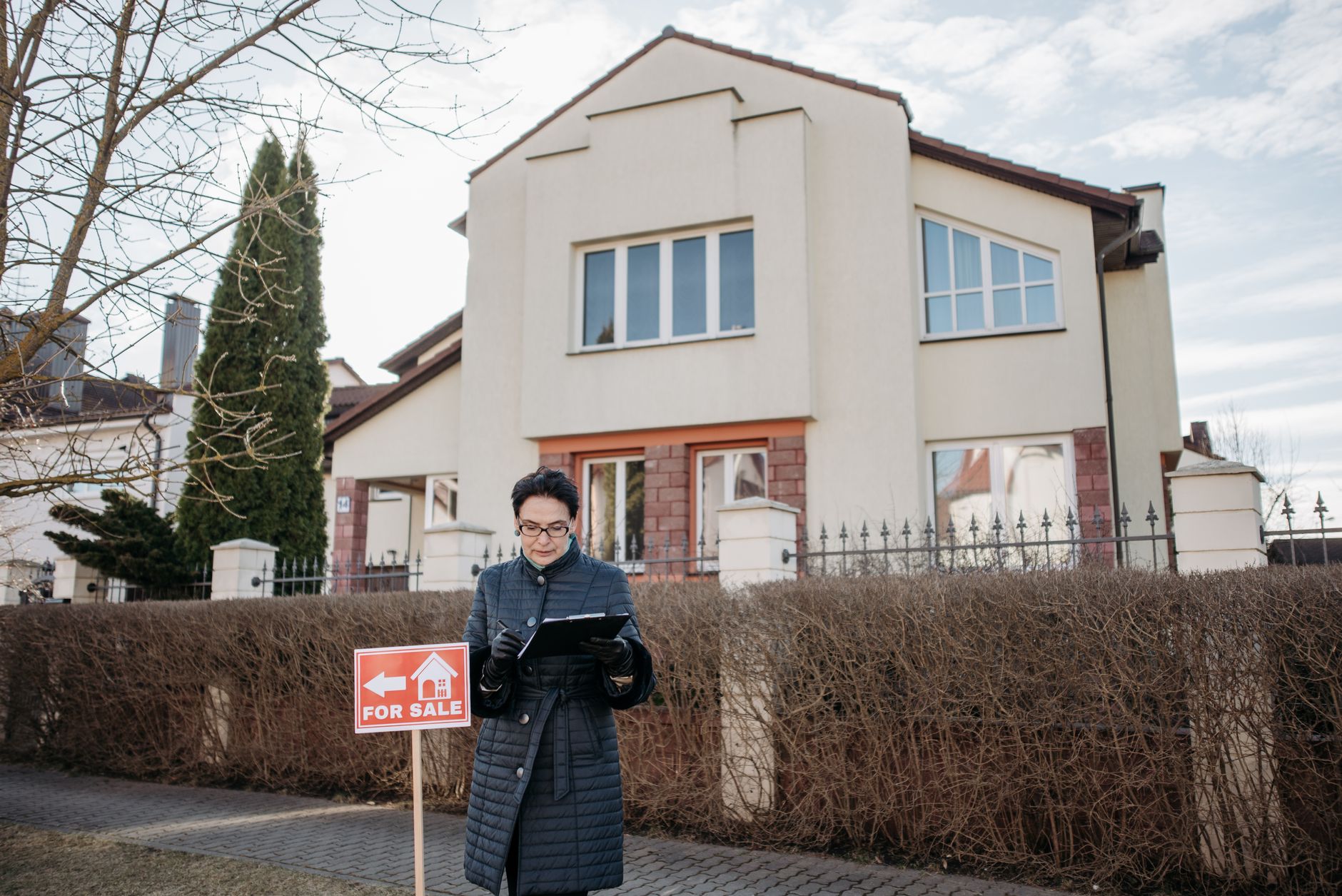
Lead qualification separates qualified property buyers from browsers. For South African property practitioners, better qualification means fewer wasted viewings, higher conversion rates, and measurable productivity gains. Here's how to qualify property leads effectively.
The KILICASA Team · Published July 2026
Quick answer: Lead qualification for property practitioners means separating genuinely ready-to-buy or rent buyers from casual browsers before investing time in viewings. The goal is to identify prospects with verified financing capacity, timeline alignment, and genuine purchase intent — reducing wasted efforts and improving conversion rates. This applies equally to property listings and rental inquiries under PPRA guidelines.
- Understanding Property Lead Qualification
- The Pre-Qualification Framework
- Property Viewing Lead Qualification
- qualifying-rental-leads">Qualifying Rental Leads
- Listing Performance Optimisation
- Productivity Systems for Property Practitioners
- PPRA and FFC Compliance Considerations
- Common Qualification Mistakes
- Technology and Tools
Understanding Property Lead Qualification
Lead qualification in real estate is the systematic process of determining whether a prospect has the financial capacity, motivation, and timeline to complete a property transaction. In South Africa's regulated environment, every interaction between a property practitioner and a potential client must comply with the Property Practitioners Regulatory Authority (PPRA) Code of Conduct.
The distinction between hot, warm, and cold leads directly impacts conversion strategy. A hot lead has pre-approved financing and is ready to make an offer within 30 days. A warm lead needs financing but shows serious intent. A cold lead is curious but financially unprepared.
Key qualification indicators include:
- Financial capacity verification
- Timeline alignment with market availability
- Genuine purchase or rental intent
- Property type and budget matching
- Previous transaction experience and references
According to the PPRA, property practitioners must maintain accurate records of all lead interactions and demonstrate that their advice serves the client's best interests. This legal obligation reinforces the importance of proper qualification procedures.
The Pre-Qualification Framework
Effective pre-qualification begins with a structured conversation that covers four critical areas: financial readiness, property requirements, timeline expectations, and decision-making authority. This framework applies whether the client seeks to buy, sell, or rent property.
Financial Capacity Assessment
Verifying financial capacity involves confirming access to deposit funds, bond approval status, and total budget including transfer costs. Property practitioners should request proof of deposit funds early in the process and refer clients to qualified bond originators for formal approval.
In South Africa, transfer costs typically range from 8-12% of purchase price for properties under R1 million, decreasing for higher-value transactions. Bond originator consultation ensures accurate affordability assessments before property searches commence.
Pre-Qualification Checklist
Goal: Determine financial readiness before property search
What you need: Deposit proof, bond pre-approval, budget breakdown
Steps:
- Confirm deposit availability (proof of funds)
- Verify bond pre-approval status
- Calculate total acquisition costs
- Assess monthly repayment capacity
- Determine maximum purchase price
Output: Qualified buyer profile with budget parameters. Note: This does not constitute financial advice; clients should consult certified financial advisors for investment decisions.
Property Requirements Mapping
Beyond basic bedroom and bathroom counts, effective property requirement mapping captures lifestyle needs, commute distances, school zones, and future flexibility requirements. These secondary factors significantly influence purchase decisions and listing marketing strategies.
Critical property requirement questions:
- Primary residence or investment property?
- Commute distance to workplaces or schools?
- Future family or employment changes anticipated?
- Parking requirements and accessibility needs?
- Proximity to amenities and public transport?
Property Viewing Lead Qualification
Property viewings represent significant time investment for both practitioners and clients. Pre-viewing qualification ensures that only genuinely interested prospects attend property showings, maximizing efficiency and reducing scheduling conflicts.
The standard practice involves implementing a minimum qualification threshold before confirming any viewing appointments. This includes verifying financial capacity, confirming serious intent, and ensuring alignment between client requirements and property characteristics.
Viewing qualification protocol:
- Conduct preliminary phone interview
- Verify financial documentation status
- Confirm viewing date flexibility
- Send property information pack
- Require confirmation call 24 hours prior
Professional property practitioners using structured qualification protocols report conversion rates 2-3 times higher than those accepting all viewing requests without screening. This directly correlates with improved productivity metrics and client satisfaction scores.
Qualifying Rental Leads
Rental lead qualification operates under distinct regulations compared to sales transactions. The Rental Housing Act and PPRA Code require property practitioners to verify income, employment stability, credit history, and rental payment references while maintaining strict anti-discrimination compliance.
Rental qualification criteria:
- Monthly income verification (typically 3x monthly rental)
- Employment stability documentation
- Credit bureau check authorization
- Previous landlord references
- Deposit availability confirmation
All qualification criteria must be applied consistently and documented transparently to comply with South African anti-discrimination legislation. Property practitioners should develop standardised rental application forms that clearly communicate selection criteria without referencing protected characteristics.
Listing Performance Optimisation
High-performing property listings combine strategic pricing, professional photography, compelling descriptions, and targeted marketing distribution. Data from Lightstone Property indicates that listings with virtual tours receive 40% more inquiries than standard photograph packages.
Pricing Strategy and Market Positioning
Accurate comparative market analysis prevents prolonged listing periods and pricing disappointments. Property practitioners should review comparable sales within 500-meter radius over the past six months, adjusting for property size, condition, and unique features.
The initial listing price critically influences market perception and buyer engagement. Overpricing by more than 5-10% typically results in reduced inquiry volume and extended time-on-market, ultimately leading to lower final sale prices.
Photography and Digital Presentation
Professional property photography increases inquiry rates by 61% according to Property24 research. Key principles include optimal lighting utilization, decluttering interior spaces, and highlighting unique property features.
Photography best practices:
- Shoot during daylight hours with natural lighting
- Stage key living areas for maximum appeal
- Include aerial drone photography for larger properties
- Capture neighbourhood amenities and lifestyle elements
- Provide both interior and exterior perspectives
Productivity Systems for Property Practitioners
Property practitioners managing diverse client portfolios require systematic approaches to time management and lead nurturing. Modern real estate productivity combines CRM automation with personal relationship building to maximise conversion opportunities.
Lead Nurturing Pipeline Management
Effective pipeline management involves categorising leads by qualification stage and assigning appropriate follow-up actions. Property practitioners should implement automated email sequences for different lead types while maintaining personal touchpoints for high-value prospects.
Lead categorisation system:
- Unqualified - New inquiry requiring initial contact
- Pre-qualified - Financial capacity confirmed
- Ready - Actively viewing properties this week
- Contract pending - Offer accepted or lease signed
- Closed - Transaction completed
Clients who receive personalised follow-up within 5 minutes of initial inquiry conversion rates improve by 107% compared to those contacted after 30 minutes. This demonstrates the critical importance of responsive communication systems.
PPRA and FFC Compliance Considerations
All property practitioners operating in South Africa must hold valid Fidelity Fund Certificates (FFC) issued by the Property Practitioners Regulatory Authority. Without current FFC status, property practitioners cannot legally earn commission from real estate transactions.
Additionally, the Protection of Personal Information Act (POPIA) governs how property practitioners collect, process, and store client information. This includes financial documentation, identification copies, and communication records.
Compliance requirements:
- Current FFC renewal by prescribed deadlines
- POPIA-compliant data processing procedures
- Record-keeping for minimum 3-year retention
- Transparent fee disclosure documentation
- Mandatory professional indemnity insurance
Property practitioners should maintain clear audit trails demonstrating compliance with both PPRA conduct rules and POPIA requirements. Regular compliance reviews prevent costly regulatory penalties and professional indemnity claims.
Common Qualification Mistakes
Even experienced property practitioners occasionally make qualification errors that reduce conversion rates and damage client relationships. Identifying and addressing these mistakes systematically improves overall practice performance.
Top 5 qualification mistakes:
- Accepting all viewing requests without financial verification
- Failing to confirm genuine intent versus casual curiosity
- Neglecting timeline alignment with client availability
- Overpromising property availability or features
- Recording incomplete client interaction documentation
Mistake #1 typically results in 60% of viewing time being wasted on unqualified prospects. Implementing mandatory pre-viewing qualification conversations resolves this issue while demonstrating professional competence to serious clients.
Technology and Tools
Modern property practitioners leverage technology to streamline qualification processes while maintaining personal relationship quality. Customer relationship management platforms provide automated lead capture, qualification scoring, and follow-up scheduling capabilities.
Essential technology tools:
- CRM systems with automated lead distribution
- Virtual tour creation platforms
- Digital signature and document management
- Social media scheduling and analytics
- Market data access platforms
However, technology should enhance rather than replace human interaction. Property practitioners who maintain personal communication while leveraging automation for routine tasks consistently outperform those relying purely on manual processes.
Key Takeaways
- Always verify financial capacity before property viewings
- Use structured qualification frameworks for consistency
- Maintain detailed records for PPRA and POPIA compliance
- Implement automated follow-up systems for lead nurturing
- Invest in professional photography for listing success
- Apply standardised rental qualification criteria fairly
Actionable Tips
- Implement a 5-minute phone qualification protocol for all new leads
- Create standardised financial verification checklists for clients
- Establish minimum qualification thresholds before confirming viewings
- Use CRM automation triggers for timely follow-up communications
- Conduct monthly compliance audits of client documentation
- Benchmark listing performance against comparable properties regularly
Ready to grow your real estate business with smarter lead qualification and listing tools? KILICASA →
Frequently Asked Questions
How often should property leads be followed up?
High-priority leads should receive initial contact within 5 minutes and follow-up within 24 hours. Lower-priority leads benefit from scheduled check-ins every 3-7 days depending on urgency and timeline alignment.
What documentation is required for rental lead qualification?
Rental applicants typically need to provide proof of income (recent payslips), employment verification, previous landlord references, and credit bureau consent authorization. All criteria must be applied consistently to maintain compliance.
Join the KILICASA waiting list for property practitioners — get early access to tools that connect you with pre-qualified buyers. KILICASA →