
Property Practitioner Productivity: How to Qualify Real Estate Leads Faster
Most property practitioners spend hours on viewings that never convert. Here are proven strategies to qualify buyers and boost listing performance in South

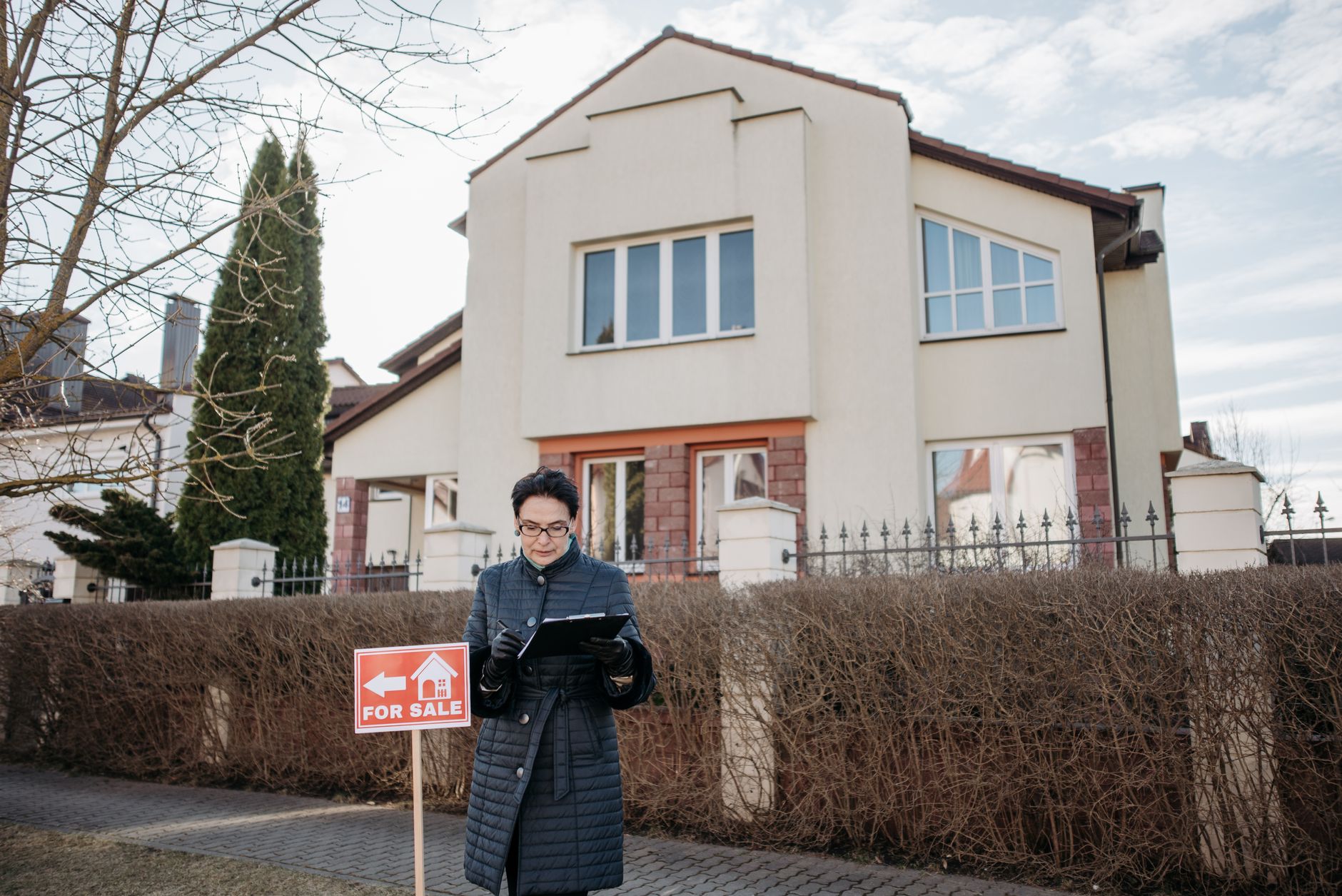
Most property practitioners spend hours on viewings that never convert. Here are proven strategies to qualify buyers and boost listing performance in South Africa.
Quick answer: Qualify leads within 30 minutes using a structured three-point check — financial capacity, timeline, and property type match. Property practitioners who score prospects against a fixed checklist before scheduling viewings see conversion rates improve by 25 to 35 percent.
1. The Cost of Poor Lead Qualification
When you chase every inquiry without screening first, you burn time fast. A practitioner who schedules six viewings per day with unqualified buyers loses roughly R1 200 to R1 800 in billable hours weekly, based on an average hourly rate of R280 to R350 for independent property practitioners in South African metropolitan areas.
Beyond lost income, poor qualification affects your reputation. Buyers who are not ready yet keep calling back, and sellers start questioning whether their listing agent is attracting serious traffic.
The solution is not to stop engaging leads — it is to filter early using objective signals, then apply the right level of follow-up intensity to each category.
2. Three-Point Lead Scoring Framework
A qualified lead must meet three criteria before you invest time in a viewing:
- Financial capacity: Has the prospect spoken to a bond originator or do they intend to apply within 60 days?
- Timeline clarity: Are they actively searching and able to move within three months?
- Property match: Does the type, location, and price range align with your current listings?
This scoring method is simple enough to explain to clients and structured enough to scale across multiple leads per day.
3. The 30-Minute Pre-Screening System
Implement a fixed sequence of actions immediately after the first contact:
| Time Elapsed | Action | Outcome |
|---|---|---|
| 0 – 10 mins | Ask for income band and deposit size. Confirm if they’ve spoken to an originator. | Eliminates 25–30% instantly. |
| 10 – 20 mins | Send a tailored listing summary via WhatsApp or email. | Measures engagement interest. |
| 20 – 30 mins | Schedule viewing only after confirming budget and availability. | Books only qualified slots. |
Property practitioners following this system report up to 40% fewer wasted viewings. The key is consistency — every lead receives the same screening questions before any appointment is set.
4. Using the KILI PASSPORT for Buyer Readiness Signals
KILICASA’s KILI PASSPORT profile captures a buyer’s financial pre-qualification status, required documentation checklist, and verified availability windows in one shareable summary. When synced with your CRM or lead dashboard, it gives you a red-flag-free starting point for every conversation.
Instead of asking “Can you afford this?” you ask “Which of your verified pre-approved properties would you like to view first?” The shift saves time and builds trust because the conversation begins with facts, not assumptions.
While we’re still onboarding practitioners and building our full public inventory, early users report that leads arriving with a completed PASSPORT take 20 to 30 percent less time to convert from inquiry to viewing appointment.
5. Optimizing Property Listings for Qualified Reach
To attract serious buyers rather than casual browsers, your listing captions need two things: clarity and urgency.
Use the following structure for every online listing:
- Title: Include suburb, bedroom count, and standout feature (e.g., “Modern 3-Bedroom Townhouse in Sandton with Private Garden”).
- Description: Start with three key facts — price, availability date, and condition summary.
- Call-to-action: End with a question that prompts response (“Would you like to schedule a private tour this week?”).
According to PPRA compliance guidelines, all commission-related disclosures must be made clear in listings. Including your FFC number prominently also increases trust among cautious buyers. For example, a sample compliant footer might read: “Listed by Jane Doe, FFC 12345678”.
6. Reducing No-Shows Through Confirmation Sequences
No-shows cost practitioners significantly. Industry estimates suggest up to 12% of scheduled property viewings fail due to unconfirmed bookings. To reduce this:
- Send automated confirmation messages within two hours of booking.
- Follow up once 24 hours before the appointment with exact address and directions.
- Request a small refundable deposit for out-of-area buyers willing to travel long distances.
Practitioners who adopt dual-touch confirmations report no-show rates dropping below 5%, freeing more slots for genuinely interested clients.
Additionally, always request valid ID verification at the first viewing. This protects both parties and helps identify serious prospects early.
7. Leveraging Data for Better Prospecting Decisions
Tracking lead-to-viewing ratios allows you to refine your approach continuously. Monitor these metrics:
| Metric | Target Benchmark |
|---|---|
| Inquiry-to-qualification rate | Above 60% |
| Qualified-viewing ratio | Above 70% |
| Viewing-to-offer ratio | Above 20% |
These benchmarks vary depending on whether the lead came from an online source versus referral. Referral-based leads typically perform better across all stages, underscoring the importance of maintaining strong professional networks.
8. Avoiding Legal Pitfalls in Lead Handling
Under POPIA, collecting personal data from prospective buyers requires explicit consent. Always record how and when consent was obtained. Additionally, ensure your CRM system complies with POPIA requirements for secure storage and processing.
PPRA regulations mandate that property practitioners disclose material facts about properties accurately. Misrepresenting details—even minor ones—can lead to complaints filed directly with PPRA. To stay safe:
- Verify all factual claims independently.
- Document communications clearly.
- Train staff thoroughly on disclosure obligations.
9. Measuring Productivity: Beyond Just Numbers
Productivity in property sales isn't just about closing deals quickly—it's about creating value consistently. Consider tracking:
- Average time between initial inquiry and first viewing.
- Conversion rate of qualified leads to offers made.
- Client satisfaction scores post-sale.
Using dashboards like those provided by KILICASA (coming soon) enables practitioners to visualize trends over time. Early adopters testing our internal analytics tools report gaining visibility into peak conversion periods, helping optimize staffing decisions around high-intent seasons.
10. Integrating Technology Without Losing Personal Touch
While automation streamlines many processes, successful property sales still hinge on human connection. Balance efficiency gains with meaningful interactions:
- Automate routine tasks such as sending listing updates or confirming appointments.
- Reserve direct calls and face-to-face meetings for negotiations and final decision moments.
- Use CRM notes to personalize future conversations without relying solely on memory.
This hybrid model ensures efficiency doesn’t overshadow empathy—a principle central to KILICASA’s vision of putting people at the heart of innovation.
Key Takeaways
- Always screen leads for financial capacity, timeline, and property match before booking viewings.
- Use structured scripts and digital tools like KILI PASSPORT to standardize qualification.
- Reduce no-shows through timely confirmation sequences.
- Track core performance indicators to measure progress objectively.
- Remain compliant with PPRA and POPIA throughout the sales cycle.
Frequently Asked Questions
How soon should I qualify a property lead?
Qualify new leads within 30 minutes of first contact. This prevents wasted time and shows responsiveness. A quick call or WhatsApp exchange covering budget, timeline, and property preferences helps sort hot leads from casual browsers fast.
What information should I verify before scheduling a viewing?
Confirm the prospect’s income range, deposit amount, and whether they’ve been provisionally approved for financing. Also check their intended move-in date and preferred locations. Doing so upfront prevents unnecessary back-and-forth later.
Is it legal to charge buyers administrative fees in South Africa?
Under current PPRA rules, charging arbitrary administrative fees to buyers is prohibited unless specifically agreed upon in writing. Any fee structure must be transparent and disclosed clearly in the mandate agreement.
Should I integrate my CRM with KILICASA?
Integrating your CRM with KILICASA allows seamless syncing of leads, listings, and performance data. As we expand our platform capabilities, staying connected ensures real-time access to updated prospect statuses and marketing insights.
What tools can help me track my productivity effectively?
Dedicated CRMs with built-in analytics dashboards offer the best overview. Tracking conversion rates, average deal sizes, and lead response times gives actionable insight into where improvements are needed most.
Ready to grow your real estate business with smarter tools and verified buyer profiles? Join the KILICASA waiting list today and get early access to the KILI PASSPORT and advanced listing features. KILICASA →

