Real Estate Lead Qualification Guide for South African Property Practitioners
A property practitioner's time is the scarcest currency in a transaction. Here's how to qualify leads, boost listing performance, and convert viewings fast

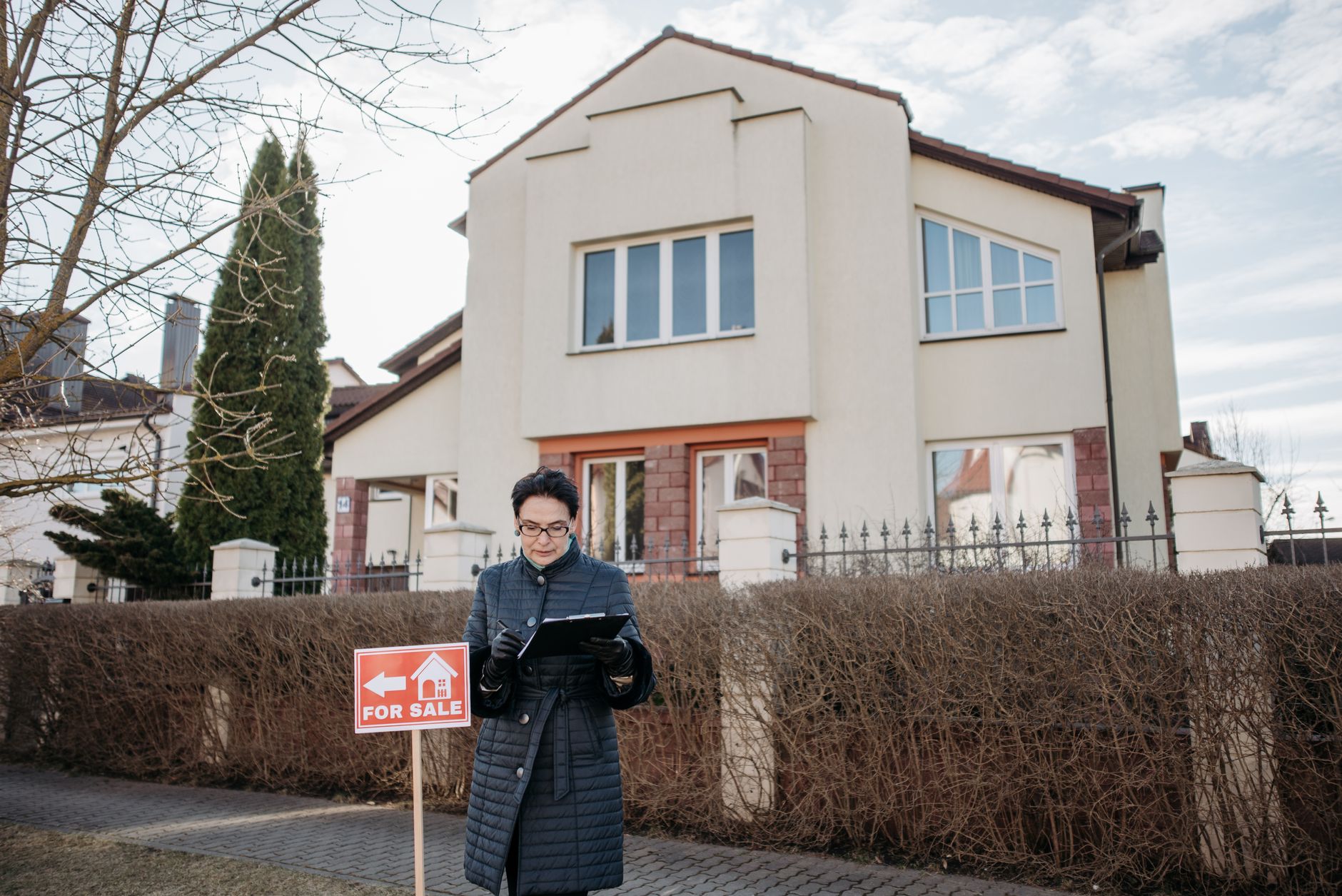
A property practitioner's time is the scarcest currency in a transaction. Here's how to qualify leads, boost listing performance, and convert viewings faster.
The bottom line: Not every lead is ready to buy or sell, and chasing every viewing costs you commissions. Effective lead qualification starts before the first call: collect structured facts (budget, timeline, financing status, property type), score them against a simple threshold, then only progress leads that meet it. Combine that with listing performance basics (accurate data, fresh photos, correct pricing), and your weekly productivity rises without working longer hours.
Qualify Before You Qualify
The first mistake most property practitioners make is treating every inquiry as a ready buyer. In South Africa, where bond approval can take six to eight weeks and transfer costs are significant, a genuine buyer is someone who can move now, not someone who is curious. Before returning a call, you need three facts: budget, timeline, and financing status.
Budget must be concrete. A buyer who says "around R1.2 million" and a buyer whose KIRI PASSPORT or pre-approval letter actually shows R1.2 million are not the same lead. Ask for the number, then ask how it was confirmed. Timeline separates browsers from movers. "Looking for a while" means the listing has time to develop. "Need to move in two months" means urgency, and urgency without financing is a red flag.
Financing status is the decider. A cash buyer or a buyer whose bond originator has already issued a pre-approval carries weight. A buyer who still needs to apply does not, until they do. Score each answer: budget verified plus pre-approved equals high priority. Budget estimated plus financing pending equals nurture. No verified budget plus no timeline equals archive.
This simple filter prevents wasted viewings and keeps your FFC compliance clean. PPRA requires you to act in the best interest of both buyer and seller. Wasting a seller's time with unqualified buyers breaches that duty as much as misrepresenting a property.
Scoring Leads: Build a Simple System
A scoring system does not need to be complex. Three criteria, each worth points, are enough for a property practitioner to prioritise consistently.
| Criterion | High Score | Medium Score | Low Score |
|---|---|---|---|
| Budget verified | 10 points | 5 points | 0 points |
| Timeline under 3 months | 10 points | 5 points | 0 points |
| Financing pre-approved | 10 points | 5 points | 0 points |
High priority: 25 to 30 points. Schedule a viewing within 48 hours and brief the seller. Medium priority: 15 to 20 points. Add to a nurture sequence with weekly contact and relevant new listings. Low priority: under 15 points. Archive with a note to reactivate in three months.
This system scales. As your pipeline grows, you can add property type match, location preference, and deposit readiness. But the core three criteria remain the filter that protects your productivity.
Listing Performance Starts with Data Accuracy
Your listing performs in search and in agent feeds only when the data is correct. In South Africa, where properties are listed across multiple portals and syndication feeds, incorrect data multiplies the damage. A wrong erf size, a missing title deed reference, or an outdated levy amount sends the listing into a loop of rejection and re-listing.
Start with the mandate. Verify the full property description against the deed, not the previous listing. Confirm erf size, zoning, and any improvements registered. Check sectional title data against the body corporate levy statement. Cross-check rates and taxes with the municipality's latest account. Every figure you enter must come from an official source.
Photography matters, but accuracy matters more. A photo showing a built-in braai that was removed two years ago is not a marketing feature, it is a liability. Before uploading, walk the property and flag every discrepancy between the images and the written description. If the kitchen was renovated last year, state the year. If the balcony has load-bearing restrictions, note them.
Pricing is the second pillar. Overpricing kills listings faster than poor photos. Use recent comparable sales, not aspirational valuations. The Lightstone and Property Data datasets provide verified transaction prices by suburb and month. A listing priced 10 percent above the highest recent comparable will sit unsold for weeks, and the longer it sits, the lower the eventual sale price.
Viewings: Structure the Experience
A viewing is the moment of truth, and it is also the most time-intensive step. A property practitioner who structures viewings well converts more buyers and reduces return visits. The structure has three parts: preparation, presentation, and follow-up.
Preparation starts 24 hours before. Confirm the buyer's motivation and financing status again. Brief the seller on expected traffic, parking, and any restrictions. Send a confirmation SMS with the exact address, time, and contact number. At the property, ensure security access is arranged and the area is presentable.
Presentation during the viewing is about asking the right questions, not talking. Let the buyer explore, then ask: "What are you looking to change about your current home?" and "When would you need to move?" These two questions reveal urgency and motivation. Take notes during the viewing, not after. The details matter for the feedback loop.
Follow-up must happen within two hours. Sellers expect immediate feedback, and buyers appreciate prompt communication. Send a structured feedback form covering key concerns: price perception, property condition, and next steps. If the buyer is interested but not ready, move them into your nurture sequence with a tailored property alert.
Productivity: Track the Right Metrics
Most property practitioners track listings and viewings, but the metrics that matter for productivity are upstream. Track lead-to-viewing conversion rate, viewing-to-offer conversion rate, and time from mandate signing to listing publication. These three numbers reveal where your pipeline leaks.
If your lead-to-viewing rate is below 40 percent, your qualification system needs work. If your viewing-to-offer rate is below 25 percent, your property presentation or pricing may be off. If listing publication takes longer than five days after mandate signing, your data verification process has bottlenecks.
Use a simple CRM field structure to capture these metrics. Tag every lead with its qualification score. Log every viewing with the buyer's feedback score. Record every listing delay with the reason. Over ten transactions, the pattern becomes visible and actionable.
Time blocking also improves productivity. Dedicate two hours daily to prospecting calls, two hours to listing preparation, and one hour to feedback follow-up. Guard these blocks as ruthlessly as you guard viewing slots. Productivity is not about working more hours, it is about protecting the hours that produce results.
Compliance and the FFC Edge
Your FFC is more than a licence; it is your reputation and your compliance shield. PPRA audits focus on documentation, disclosure, and buyer protection. A property practitioner who maintains strict records on lead qualification and listing accuracy passes audits cleanly and builds referral pipelines faster.
Document every qualification conversation. Record budget confirmation, timeline agreement, and financing status in your CRM. Archive low-score leads with the reason for deferral. This documentation protects you if a buyer later claims they were misled about affordability.
For listings, retain the mandate, the property description checklist, and the pricing justification. If a sale falls through and the seller questions the listing price, you can show the comparable sales analysis that supported your recommendation.
Compliance is also a competitive advantage. Sellers prefer practitioners who explain their process, and buyers trust practitioners who verify before they commit.
Prospecting: Quality Over Quantity
Door-knocking and cold calling still work, but only when targeted and timed. A property practitioner who prospects strategically generates higher-quality leads than one who prospectes broadly.
Target recent sales in your suburb. Owners who sold recently are either upgrading, downsizing, or relocating. They understand market value and are more likely to list with you. Approach them six months after their sale, not immediately after.
Monitor bond originators for new approvals. Buyers whose bond applications were recently approved are actively searching. Reach out to originators in your network with a clear value proposition: you have listings that match their approved profile.
Engage with buyers who viewed your listings but did not make an offer. Send a follow-up with three similar properties and ask what changed their mind. Their feedback refines your listing strategy and may reactivate a dormant lead.
Key Takeaways
- Qualify every lead with budget, timeline, and financing status before scheduling a viewing.
- Use a three-criteria scoring system to prioritise leads consistently across your pipeline.
- Verify all listing data against official sources before publication to avoid syndication rejection.
- Price listings using recent comparable sales, never aspirational valuations.
- Track lead-to-viewing, viewing-to-offer, and mandate-to-publication rates to find pipeline leaks.
- Maintain full documentation on qualification and listing decisions for PPRA compliance.
- Prospect strategically: recent sellers, approved buyers, and feedback non-buyers.
Where KILICASA Supports Your Practice
KILICASA connects property practitioners with buyers whose KILI PASSPORT profiles have already captured verified budget, timeline, and financing status. This means the leads arriving in your inbox have cleared the initial qualification filter, letting you focus on property matching and negotiation.
The platform also surfaces listings that have passed automated data checks against deeds and municipal records, reducing the risk of syndication rejection and cutting the time between mandate signing and publication. For property practitioners who want to convert viewings into offers faster, KILICASA's buyer prequalification removes the guesswork from the most time-intensive part of the transaction.
Frequently Asked Questions
How soon should I follow up on a property viewing?
Within two hours. Immediate feedback to sellers improves listing performance, and prompt follow-up to buyers keeps your position top of mind during their decision window.
What three metrics should every property practitioner track?
Lead-to-viewing conversion rate, viewing-to-offer conversion rate, and days from mandate to listing publication. These rates expose bottlenecks in qualification, presentation, and data accuracy.
Join the KILICASA waiting list for agencies and reach buyers who are ready before you list. KILICASA →