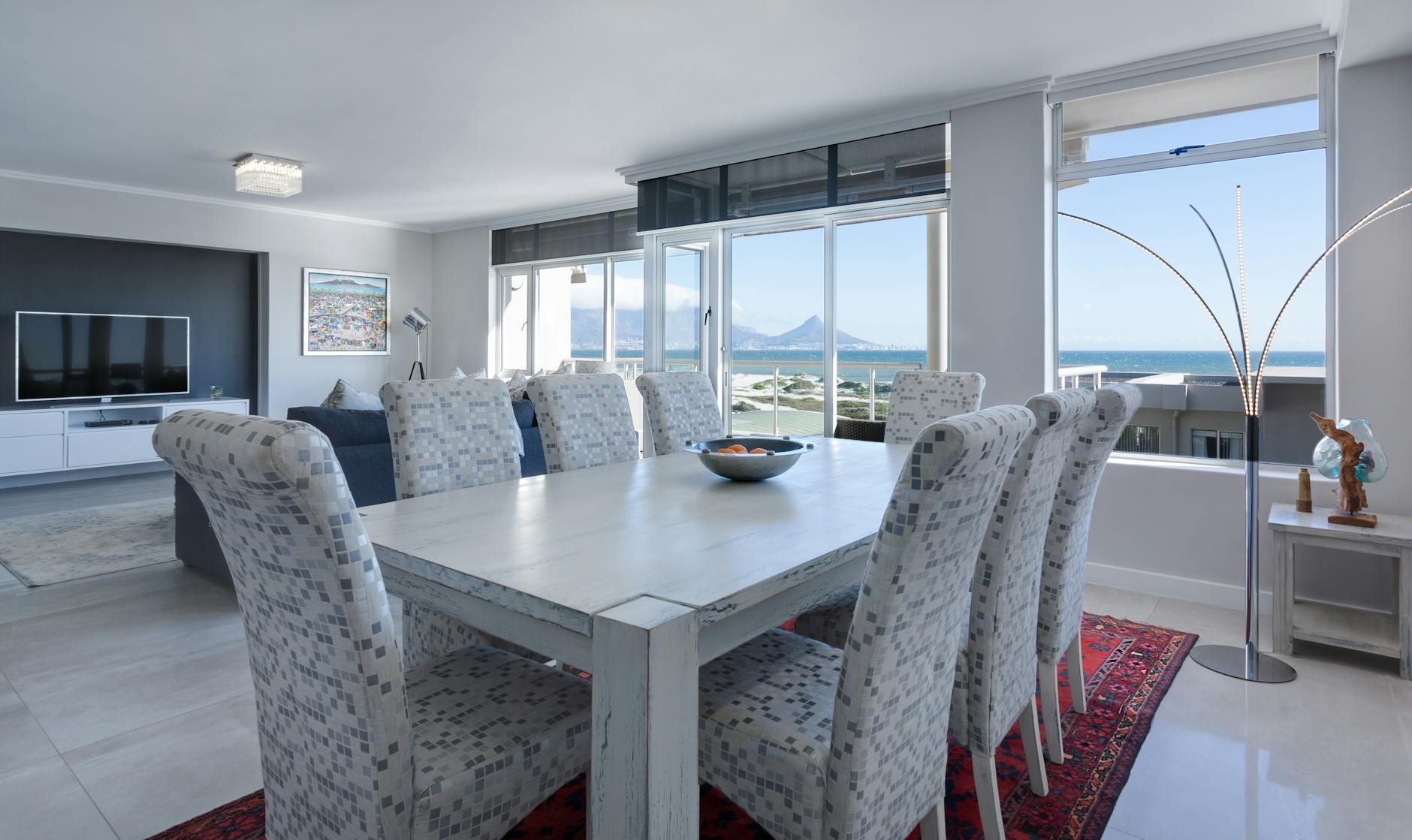
Renting a House in South Africa: The Complete Tenant's Guide
Renting your first home in South Africa? Learn tenant rights, deposit rules, lease agreements, and application tips to navigate the market confidently.


Renting your first home in South Africa? Learn tenant rights, deposit rules, lease agreements, and application tips to navigate the market confidently.
The KILICASA Team · Published August 2024 · Updated August 2024
Quick answer: Renting in South Africa means signing a lease (usually 12 months), paying 1-3 months' deposit, and understanding your rights under the Rental Housing Act. You'll need payslips, ID, and references to apply, and you're protected against unfair eviction. Start by saving 4-6 months' rent for deposits and admin costs.
Table of Contents
- Key Rental Terms Explained
- Finding the Right Rental Property
- Rental Application Process
- Understanding Lease Agreements
- Deposit Rules and Your Rights
- Tenant Rights and Responsibilities
- Landlord Rights and Obligations
- Rental Housing Tribunal and Complaints
- Common Rental Mistakes
- Actionable Checklist for New Tenants
- Frequently Asked Questions
- Conclusion
Key Rental Terms Explained
Before searching for houses to rent South Africa or flats to rent Johannesburg, understand these terms:
- Lease Agreement: Legal contract between landlord and tenant outlining rent, deposit, and terms.
- Deposit: Security money (usually 1-3 months' rent) held by the landlord or Rental Housing Tribunal.
- TPN Credit Check: Tenant verification service screening rental history, employment, and creditworthiness.
- Rental Housing Act 1999: South African law protecting both tenants and landlords.
Types of Rental Property Available
South Africa offers diverse rental stock:
- Houses to rent Cape Town — often with gardens, suitable for families.
- Apartments to rent — compact urban units, popular with young professionals.
- Flats to rent Johannesburg — high-rise buildings with amenities like gyms and pools.
- Rooms to rent — shared accommodation, budget-friendly for students or single workers.
Finding the Right Rental Property
Start your search early — good rentals in houses to rent Durban or flats to rent get snapped up quickly. Use reputable platforms, set a budget (ideally 30% of gross income), and note that peak season runs from January to March.
For pet friendly rentals, ask upfront — many complexes have restrictions. Short term vs long term rental options exist, but long-term leases (minimum 6 months) offer better stability and legal protection.
Viewing Tips
During viewings, check:
- Water pressure and electrical points
- Security systems and parking availability
- Data/IT infrastructure (crucial for remote workers)
- Proximity to public transport and amenities
Rental Application Process
Your application typically requires:
- Valid South African ID or passport
- Recent payslips (last 3 months)
- Bank statements
- Employment letter confirming salary
- References from previous landlords
- Completed rental application form
Application Fees: Legally capped at R500 (inclusive of VAT). If rejected within 30 days, this fee must be refunded.
What Happens After Applying?
Landlords or agencies run a TPN credit check, verify employment, and contact references. The Rental Housing Act allows tenants to request written reasons if rejected. Processing can take 3-7 business days.
Understanding Lease Agreements
A lease must be in writing and signed by both parties. Key clauses include:
- Rent amount and payment date
- Lease duration (fixed-term preferred)
- Deposit amount and interest handling
- Maintenance responsibilities
- Rules about pets, smoking, and subletting
- Notice period requirements
Rental Application Documents Checklist
Ensure completeness to avoid delays:
| Document | Status |
|---|---|
| ID Document | |
| Proof of Income | |
| Bank Statements | |
| Previous Landlord Reference | |
| Employment Letter |
Deposit Rules and Your Rights
In South Africa, deposits cannot legally exceed 3 months' rent. Landlords must:
- Place the deposit in an interest-bearing account
- Provide written confirmation of where it's held
- Return it within 14 days after lease ends (after deductions)
- Provide itemised statements for any deductions
How Much Deposit for Rent Varies?
Norms range from 1-3 months' rent depending on:
- Tenant credit score and rental history
- Property type and location
- Lease length (longer leases may reduce deposit requirements)
If you believe deductions are unfair, file a complaint with the Rental Housing Tribunal.
Tenant Rights and Responsibilities
Under the Rental Housing Act:
- Tenants have the right to quiet enjoyment of the property
- Landlords must provide written notice before entering
- Rent increases require 60 days’ written notice
- Tenants can challenge excessive deposits or unfair charges
- Unlawful eviction is punishable by law
Tenant Responsibilities
Tenants are responsible for:
- Paying rent on time
- Maintaining the property in good condition
- Paying utilities unless otherwise agreed
- Notifying landlords of major maintenance issues promptly
Landlord Rights and Obligations
Landlords can:
- Request rent reviews annually (with proper notice)
- Inspect the property with reasonable notice
- Apply to court for eviction due to non-payment
- Set reasonable house rules (e.g., no smoking)
Landlord Obligations
Landlords must:
- Maintain structural integrity (roofs, walls, plumbing)
- Ensure electrical safety certifications are current
- Respect tenant privacy during occupancy
- Comply with local municipality health and safety regulations
Rental Housing Tribunal and Complaints
The Rental Housing Tribunal resolves disputes between tenants and landlords. It handles:
- Deposit disputes
- Unfair rental practices
- Maintenance issues
- Eviction procedures
To lodge a complaint, submit a form at your nearest tribunal office with supporting documents. Cases usually resolve within 60 days.
Common Rental Mistakes
- Moving without insurance: Contents insurance protects belongings against theft or damage.
- Ignoring lease terms: Breaching clauses can result in deposit loss or eviction.
- Not inspecting thoroughly: Document existing damages to avoid future liability.
- Assuming verbal agreements matter: Only written contracts hold weight legally.
Actionable Checklist for New Tenants
| Task | Status |
|---|---|
| Verify deposit placement with interest-bearing account details | |
| Take photos of condition report on move-in day | |
| Register with TPN Rentbook for payment tracking | |
| Review all utility billing arrangements | |
| Set up direct debit for rent payments | |
| Understand notice periods for ending tenancy |
Notice Period Lease South Africa: Typically one month for month-to-month rentals; fixed-term leases end automatically unless renewed.
Frequently Asked Questions
Can I break a lease early?
Yes, but penalties apply. Review your lease clause — usually you pay remaining rent until a replacement tenant is found, plus administrative fees (capped at R500).
How much deposit do I need for rent?
Maximum 3 months' rent. In high-demand areas like Cape Town or Johannesburg, landlords may ask for more informally — but legally they cannot exceed three months.
Conclusion
Renting in South Africa involves understanding legal frameworks like the Rental Housing Act, managing deposits wisely, and knowing your rights as a tenant. Whether you're looking at houses to rent Durban, flats to rent Johannesburg, or rooms to rent, being informed helps you navigate the process confidently. Always use formal agreements, keep records, and stay aware of your protections through bodies like the Rental Housing Tribunal. Need help finding verified rental listings across houses to rent South Africa? Explore KILICASA.co.za — South Africa's smart property platform connecting tenants with trusted landlords and agents.
Ready to rent smarter? Find your next home on KILICASA →
Written by The KILICASA Team