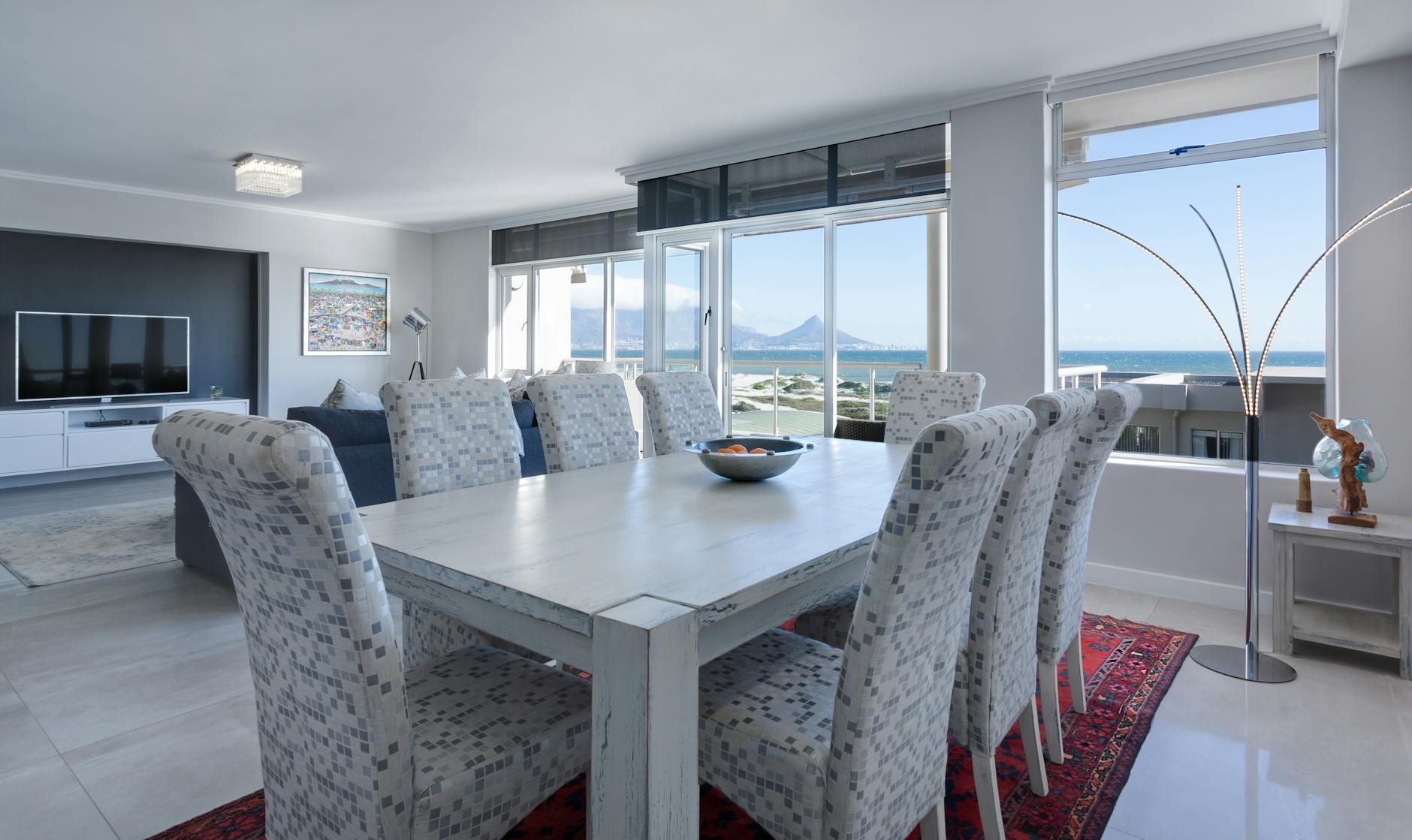
Renting Apartments in South Africa: A Complete Guide
A guide to renting apartments in South Africa: budgeting, lease terms, tenant rights, and move-in checklists for a smooth rental experience.


A guide to renting apartments in South Africa: budgeting, lease terms, tenant rights, and move-in checklists for a smooth rental experience.
Renting an apartment in South Africa is a significant step that involves more than signing a contract. From understanding market rates in your preferred suburb to navigating lease agreements and tenant rights, the process requires preparation and local knowledge. This guide walks you through every stage – from defining your needs to settling into your new home – with practical insights you can use right away. Beyond choosing a property, you'll need to verify documentation, budget for hidden costs, and understand your rights as a tenant. This article provides a step-by-step framework to approach the rental market with confidence.
Defining Your Rental Needs and Priorities
Before you start browsing listings, clarify what you truly need in a home. South African rental markets vary dramatically between Johannesburg's northern suburbs, Cape Town's Atlantic Seaboard, and Pretoria's inner city. Consider these factors:
- Location and commute: Proximity to work, schools, or public transport routes such as the Gautrain or MyCiTi bus services can influence both your daily routine and the rent you pay.
- Unit type: A bachelor flat offers compact living for single professionals, while a one- or two-bedroom apartment suits couples or small families. Cluster complexes and apartment blocks each have different security features and monthly levies.
- Must-haves vs. nice-to-haves: Make a list that includes essentials (water backup, reliable electricity, security) and preferences (balcony, parking, gym access). This list will help you filter listings quickly and avoid wasting time on unsuitable options.
- Future resale or lease value: Even if you plan to rent short term, choosing a well-maintained property in a desirable area makes renewal or future relocation easier.
By documenting these criteria upfront, you reduce the risk of making a hasty decision based on a single appealing feature. You'll also be better equipped to compare properties on a like-for-like basis.
Setting Your Rental Budget
Understanding the full cost of renting goes beyond the monthly figure on a listing. In South Africa, tenants should expect several additional expenses that affect your overall budget:
Monthly rent is the most obvious cost, but it's not the only recurring expense. Many residential complexes charge levies for shared amenities such as gardens, security gates, or swimming pools. These can range from a few hundred rands to several thousand per month, depending on the building's offerings.
Deposit requirements typically equal one or two months' rent. Ensure you understand whether this is refundable and under what conditions it may be withheld. Some landlords also request a key deposit that is returned at move-out if no damage is found.
Agency fees apply if you work with a property practitioner. Under the Property Practitioners Act, agents must hold a valid fidelity fund certificate, and their fees should be transparent upfront. Always ask whether the quoted rent includes or excludes these charges.
Utility setup costs such as electricity prepaid meter registration, water account transfer, and internet installation should be factored into your first-month budget. Some properties come with these already active; others require immediate setup.
Creating a simple spreadsheet that lists rent, levies, deposit, agency fee, and estimated utilities gives you a clear picture of the total monthly outflow. This approach prevents surprises and helps you negotiate from an informed position.
The Search Process and Online Listings
South Africa property portals are the most common starting point for apartment hunters. Sites that aggregate listings across provinces allow you to filter by suburb, price range, number of bedrooms, and specific features such as "pet friendly" or "secure parking." Using multiple platforms increases your visibility to available stock.
When evaluating listings, pay attention to the completeness of information. A robust listing should include:
- Accurate floor area in square metres
- Number of rooms and bathroom details
- Clear photographs of each space
- Building complex rules and levy amounts
- Proximity to major roads, schools, or transport links
Set up alerts on your preferred portals so new listings matching your criteria appear as soon as they're posted. In competitive suburbs, being among the first to view a property can make the difference between securing a home and missing out.
Remember that online descriptions can be idealised. Always cross-check the advertised features against what you'll see during a physical viewing.
Viewing and Inspecting a Property
A viewing is your opportunity to assess whether a property meets your standards and to identify potential issues that photos might conceal. Schedule the visit at a time of day when you can evaluate noise levels, lighting, and traffic patterns. Here are key things to check:
Look for water stains on ceilings, cracks in walls, or signs of dampness in corners. These can indicate leaks or poor maintenance.
Turn on taps to check water pressure and drainage speed. Flush toilets to ensure they function properly. Ask about the age of the geyser and whether it's been recently serviced.
Test the intercom system, check that all locks engage fully, and inquire about the complex's security roster. If the building has a neighbourhood watch or armed response coverage, get the details.
< neighbours and environment> If possible, spend a few minutes observing the area. Note noise levels, the condition of neighbouring units, and whether parking is consistently available.
Bring a checklist or notes on your phone so you can compare multiple properties objectively. If you're viewing several apartments in one day, details can blur – having written records helps you make a fair assessment.
Legal Documents and Lease Agreements
The rental contract is the foundation of your tenancy relationship. In South Africa, a written lease protects both landlord and tenant, but terms can vary. Key elements to expect in a standard agreement include:
Offer to Purchaseadapted for rental, often called an Offer to Rent or Lease Agreement, which outlines the rights and obligations of both parties.
Rent escalation clausethat specifies how and when rent may be increased during the lease term. Some agreements tie increases to the consumer price index, while others preset annual percentages.
Duration and renewal– fixed-term leases (often 12 months) provide stability, while month-to-month arrangements offer flexibility. Clarify the notice period required to terminate or renew.
Tenant responsibilitiesregarding minor repairs, maintenance of garden areas, and permission requirements for alterations such as painting walls or installing shelves.
House rulesspecific to the complex, including noise restrictions, guest policies, and pet regulations.
Before signing, read every clause carefully. If any term is unclear, ask for clarification or consult a conveyancer. Never feel pressured to sign on the spot – a legitimate landlord or agent will give you reasonable time to review the document.
Moving In and Settling Down
Your move-in day sets the tone for your entire tenancy. A systematic approach helps you avoid missed steps and ensures a smoother transition.
- Conduct a final walk-through with the landlord or agent, using a detailed inspection checklist. Document any existing damage with dated photographs.
- Confirm that all utilities are transferred into your name or activated. Test electricity points, water flow, and geyser function.
- Obtain a copy of the signed lease, the deposit receipt, and any house rules documentation. Store these in a dedicated folder – physical or digital.
- Introduce yourself to neighbours and the building management or security team. Note emergency contacts and procedures.
- Set up your internet and entertainment accounts, updating your address with relevant service providers.
Completing these steps within the first week reduces the likelihood of disputes later and helps you feel settled more quickly.
Tenant Rights and Responsibilities
Understanding your rights as a tenant in South Africa empowers you to navigate the rental relationship with confidence. The Rental Housing Act provides a framework for resolving disputes, but awareness of key provisions is essential.
A landlord may not increase rent arbitrarily during a fixed-term lease. Any increase must comply with the terms agreed upon in the lease and, if disputed, can be referred to the Rental Housing Tribunal.
Your deposit should be handled according to agreed terms. In many cases, landlords hold deposits in separate accounts or provide receipts. At the end of the lease, you are entitled to a refund minus lawful deductions for damage beyond normal wear and tear.
Tenants have the right to occupy their home without unreasonable interference. This includes respect for privacy – a landlord or agent must give reasonable notice (typically 24 hours) before entering the property, except in emergencies.
Landlords are generally responsible for structural repairs and ensuring the property is habitable. Tenants should report issues promptly and in writing, keeping copies of all correspondence.
If a dispute arises, the first step is often direct communication with the landlord. If unresolved, the matter can be escalated to the Rental Housing Tribunal in your province, which offers a free or low-cost forum for mediation.
Key Takeaways
- Define your priority criteria – location, unit type, essential features – before browsing listings to filter effectively.
- Budget for all recurring and one-time costs: rent, levies, deposit, agency fees, and utility setup.
- Use multiple property portals and set up alerts to stay ahead of new listings in your target suburbs.
- Always view a property in person before committing; bring a checklist to assess structural condition, plumbing, security, and neighbourhood environment.
- Read the lease agreement thoroughly before signing. Pay special attention to rent escalation clauses, deposit conditions, and notice periods.
- Document the property's condition at move-in with photographs and a written checklist to protect your deposit at move-out.
- Know your key rights: protection against arbitrary rent increases, deposit refund entitlements, privacy notice requirements, and access to the Rental Housing Tribunal for dispute resolution.
Role of KILICASA
KILICASA supports renters by centralising apartment listings, standardising property details, and pre-qualifying prospective tenants through the KILI PASSPORT. Instead of juggling multiple portals, you can search with filters that reflect your actual criteria – unit size, budget range, required amenities, and preferred suburb. The platform also provides guidance on the documentation you'll need for a rental application, helping you compile the right papers from the start. While KILICASA does not act as a property practitioner or conveyancer, it streamlines the early stages of your search, saving you time and reducing the administrative burden of finding a place to call home.
Conclusion
Renting an apartment in South Africa becomes far less daunting when you approach it with clear priorities, a realistic budget, and knowledge of your rights. From the initial search to the moment you collect your keys, each stage presents opportunities to make informed choices and avoid common pitfalls. By following the steps outlined in this guide, you can move forward with confidence, knowing you've covered the essentials and positioned yourself for a positive rental experience.
Frequently Asked Questions
What should I do if my landlord refuses to return my deposit?
Start by reviewing your lease agreement to understand the conditions under which deductions are allowed. Request a detailed written explanation of any withheld amounts. If the landlord remains uncooperative, you can lodge a complaint with the Rental Housing Tribunal in your province, which offers a free process for resolving deposit disputes.
Ready to find your next home? Join KILICASA today and experience South Africa's smartest property platform. KILICASA →