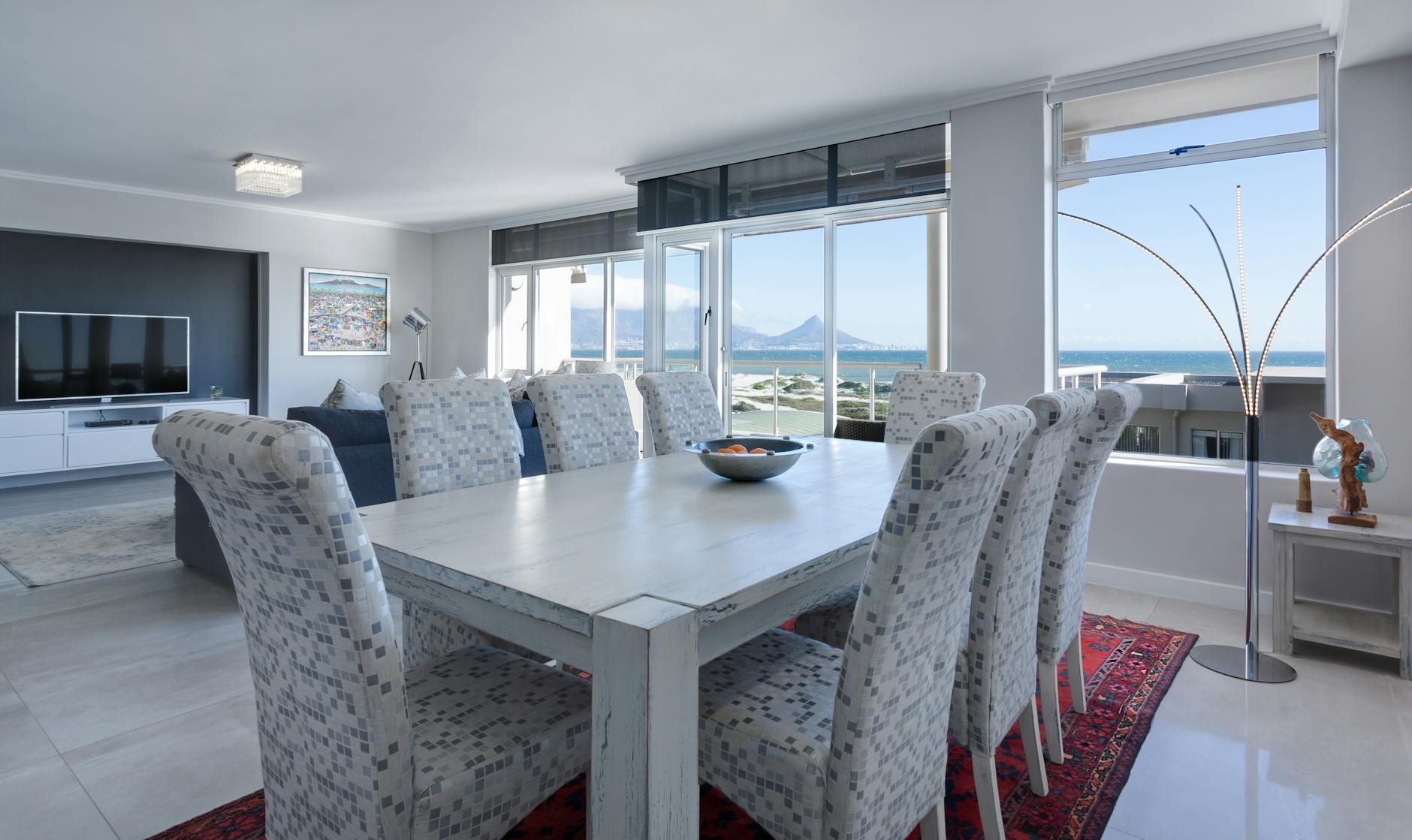
Renting Property in South Africa: A Tenant's Guide to Flats, Houses & Rooms
Renting in South Africa involves deposits, leases, and tenant rights. Here's how to navigate flats, houses, and rooms with confidence across Cape Town, Joh


Renting in South Africa involves deposits, leases, and tenant rights. Here's how to navigate flats, houses, and rooms with confidence across Cape Town, Johannesburg, and Durban.
Quick answer: Renting property in South Africa requires signing a written lease agreement under the Rental Housing Act, paying a deposit (usually one month’s rent), and understanding your rights as a tenant. The law protects tenants from unfair treatment, illegal eviction, and excessive deposits. Landlords can request references, conduct TPN credit checks, and set reasonable rules about pets or subletting. The key steps are: find a property, submit a rental application with documents, sign the lease, pay the deposit and first month's rent, inspect the property, and move in. Both tenants and landlords benefit from knowing their rights to avoid disputes later.
Understanding the Rental Market
South Africa’s rental market varies widely by province, city, and suburb. In Cape Town, demand for flats and apartments is high due to urban density and limited land availability. Johannesburg offers a mix of old and new developments, with flats in the city bowl and houses in northern suburbs like Sandton. Durban sees strong demand for both coastal homes and central apartments. Whether you're looking for houses to rent, flats to rent, or rooms to rent, your choices depend on budget, location, and lifestyle.
Cities like Pretoria and Bloemfontein also offer competitive markets, often with lower entry costs. Rural areas may present opportunities but typically have less infrastructure. Understanding these differences helps renters make informed decisions based on affordability and long-term goals.
Types of Rental Properties Available
- Flats: Usually part of a larger building complex, flats share walls and common areas such as lifts and staircases. They are managed by a body corporate and governed by sectional title rules.
- Apartments: Often used interchangeably with flats, though sometimes referring to newer developments with modern amenities like gyms or pools.
- Houses: Freestanding homes with private gardens, yards, and full ownership rights over the land they occupy.
- Rooms: Shared living spaces within a house or flat, commonly advertised among students or young professionals seeking affordable options.
Pre-Tenant Checklist
Before applying for a rental, it's crucial to understand what you can afford and what documentation you'll need. Most landlords require proof of income, employment contracts, bank statements, identification documents, and references from previous landlords or employers.
Many agencies use third-party services like TPN (Tenant Profile Network) to run credit checks and verify financial stability. This process ensures that both parties enter into a fair arrangement. Tenants should always request a copy of their TPN report to ensure accuracy.
It's advisable to inspect the property thoroughly before committing. Look for signs of dampness, structural issues, or maintenance problems. Document everything with photos or videos — this protects both the tenant and landlord during move-in and move-out.
Additionally, consider neighborhood safety, proximity to public transport, schools, shopping centers, and healthcare facilities. These factors greatly influence daily life quality and future resale potential if you plan to stay long-term.
Lastly, check whether utilities like water, electricity, and internet are included in the rent or billed separately. Some landlords include certain services while others expect tenants to arrange them independently.
Rental Application Documents You’ll Need
- ID book or passport
- Proof of income (pay slips or employment contract)
- Bank statements (last 3 months)
- References from previous landlords
- References from current employer
- Credit report or TPN verification
- Guarantor details (if applicable)
Signing the Lease Agreement
A rental agreement — also known as a lease — outlines the terms and conditions agreed upon by both parties. Under South African law, particularly the Rental Housing Act No. 105 of 1996, all leases must be in writing and signed by both the tenant and landlord.
Key clauses to look out for include:
Essential Clauses in Your Lease
- Rent amount and payment frequency: Weekly, monthly, quarterly?
- Deposit amount: Typically capped at two months’ rent unless otherwise negotiated.
- Lease duration: Month-to-month or fixed term?
- Maintenance responsibilities: Who handles repairs?
- Pets clause: Can you keep animals?
- Notice period: How much notice does each party give when ending the lease?
Ensure that any promises made verbally — such as included appliances or promised upgrades — are written into the contract. Verbal agreements aren’t legally binding and could lead to disputes down the line.
Also, make sure the landlord provides a signed receipt every time you pay rent or deposit. These receipts serve as proof of payment and help resolve any discrepancies later.
Deposit Rules and Protections
Rental deposits are a significant concern for tenants. The standard practice is to pay one month’s rent as a deposit upfront. However, some landlords may ask for more, especially in high-end properties or competitive markets.
The Rental Housing Act states that deposits cannot exceed two months’ rent for residential leases. If the deposit exceeds this limit without valid justification, tenants can challenge it at the Rental Housing Tribunal.
Upon vacating, the landlord is required to return the deposit within 14 days along with an itemized list of deductions. Deductions must relate to damages beyond normal wear and tear, outstanding rent, or unpaid utility bills. Keep records of all communications regarding your deposit to support any claims.
How Much Should I Pay for Rent Deposit?
Generally, expect to pay between one and two months’ rent as a deposit. For example, if your monthly rent is R8,000, the deposit would likely range from R8,000 to R16,000. High-demand areas like Cape Town’s City Bowl might push it closer to the upper end.
Some landlords waive the deposit requirement for corporate tenants or those with strong references, opting instead for a higher initial payment or post-dated checks. Always confirm the exact deposit policy before signing.
Tenant Rights and Responsibilities
Tenants enjoy several protections under the Rental Housing Act, including:
- The right to quiet enjoyment of the property
- The right to safe and habitable premises
- The right to privacy — landlords must give reasonable notice before entering
- The right to dispute unfair rental practices through the Rental Housing Tribunal
Responsibilities include:
- Paying rent on time
- Maintaining the property in good condition
- Reporting maintenance issues promptly
- Not making alterations without permission
- Returning the property in the same condition upon exit
If a landlord fails to meet their obligations — for instance, neglecting repairs — tenants can lodge complaints with the provincial Rental Housing Tribunal. Legal aid organizations and consumer protection groups also offer assistance.
Landlord Rights and Duties
While tenants have many protections, landlords retain important rights too. They can:
- Conduct regular inspections (with proper notice)
- Request rent increases (subject to regulations)
- Terminate leases under specific circumstances
- Claim damages exceeding the deposit through small claims court
However, landlords must also fulfill duties:
- Maintain the property in a livable state
- Provide essential services like water and electricity
- Respect tenant privacy
- Return deposits in accordance with the law
Balancing these rights and duties creates a healthy rental relationship. Transparent communication and adherence to legal standards prevent most conflicts.
Breaking a Lease Early
Life changes fast. Sometimes renters need to end their lease early — perhaps due to job relocation, family emergencies, or personal reasons. Fortunately, there are ways to break a lease responsibly.
The first step is reviewing the lease terms. Many contracts allow early termination if the tenant finds a suitable replacement who meets the landlord’s criteria. This avoids penalties and maintains goodwill.
Alternatively, tenants can negotiate with landlords directly. Offering extra compensation or extending the notice period might convince the landlord to agree. If no compromise is reached, the tenant remains liable for rent until the end of the lease unless the landlord re-rents the unit quickly.
In rare cases involving serious breaches — unsafe conditions, harassment, or refusal to maintain the property — tenants may cancel the lease with minimal penalty by reporting violations to authorities.
Notice Period for Lease Termination
According to the Rental Housing Act, the notice period depends on how frequently rent is paid:
- Daily or weekly: 7 days’ notice
- Monthly: 30 days’ notice
- Quarterly: 14 days’ notice after each quarter
For fixed-term leases, early cancellation typically requires mutual consent or adherence to break clauses outlined in the contract.
Pet-Friendly Rentals and Special Requests
Finding pet-friendly rentals can be challenging in South Africa. Many landlords impose strict restrictions due to concerns about damage, noise, or allergies. However, responsible pet owners increasingly seek accommodations that welcome their companions.
When searching for rentals, specify “pet-friendly” in your search filters. Be prepared to provide additional references or agree to a slightly higher deposit to cover potential risks. Some landlords accept pets with conditions — for example, only cats allowed, or dogs under a certain weight.
Special requests vary widely: some tenants prefer furnished units, others require secure parking or access to Wi-Fi. Negotiating these extras upfront prevents misunderstandings later.
Short-Term vs Long-Term Rentals
Short-term rentals — often booked via platforms like Airbnb — offer flexibility but lack the security of long-term leases. Landlords may charge significantly more per night compared to equivalent monthly rates.
Long-term rentals provide stability, predictability, and legal protections under the Rental Housing Act. Tenants benefit from controlled rent increases, defined notice periods, and recourse through tribunals.
Choosing between the two depends on individual needs: travelers or temporary residents favor short-term stays, while families or career-focused individuals prefer the consistency of long-term arrangements.
Note that some jurisdictions restrict short-term rentals to licensed operators. Check local bylaws to ensure compliance.
Dispute Resolution Through the Rental Housing Tribunal
Should disagreements arise — whether over deposits, maintenance, or evictions — South Africa provides a dedicated forum: the Rental Housing Tribunal. Established under the Rental Housing Act, it offers free mediation and arbitration services to resolve disputes fairly and efficiently.
To file a case, tenants or landlords submit forms detailing the issue, supporting evidence, and desired outcome. Hearings occur regionally, ensuring accessibility regardless of location.
Outcomes range from directives to return deposits to orders compelling maintenance work. Non-compliance can result in fines or criminal charges, reinforcing the importance of following tribunal rulings.
Both parties gain peace of mind knowing that impartial oversight exists to protect their interests throughout the rental process.
Common Mistakes to Avoid When Renting
- Not reading the lease carefully: Always read every clause before signing. Hidden fees or unclear policies can cause trouble later.
- Skipping property inspection: Conduct a walk-through with the landlord present, documenting existing damage with photos.
- Omitting reference checks: Landlords should vet tenants thoroughly to reduce risks associated with non-payment or property abuse.
- Failing to register with TPN: Credit verification helps both sides assess reliability objectively.
- Ignoring notice requirements: Provide adequate notice as stipulated in the lease to avoid penalties.
Best Practices for Successful Renting
- Communicate openly: Regular contact builds trust and resolves minor issues before escalation.
- Pay rent on time: Late payments strain relationships and impact credit scores.
- Keep records: Store copies of signed leases, payment receipts, and correspondence digitally.
- Respect boundaries: Landlords shouldn’t intrude; tenants shouldn’t neglect upkeep.
- Plan ahead: Start looking for new rentals well before current lease ends to minimize overlap.
Key Takeaways
| Topic | Summary |
|---|---|
| Lease Type | Must be in writing, signed by both parties |
| Deposit Cap | Two months' rent maximum |
| Notice Period | 30 days for monthly rent |
| Rights Protection | Rental Housing Tribunal available |
| Critical Documents | ID, payslips, bank statement, references |
Conclusion and Next Steps
Renting property in South Africa demands awareness of legal frameworks, market dynamics, and mutual expectations. Whether you're relocating to Cape Town, settling into Johannesburg flats, or exploring shared accommodations in Durban, understanding your rights empowers better decision-making.
Start by gathering necessary documents, calculating realistic budgets, and inspecting potential homes thoroughly. When ready, engage with reputable agencies or trusted private landlords, ensuring transparency in dealings.
Remember, knowledge is power — knowing what to expect simplifies the journey from application to occupancy.
Ready to find your ideal rental? With KILICASA, discover tailored property listings, streamlined lease management tools, and expert guidance designed for today’s dynamic real estate landscape. Join thousands already experiencing smarter renting — start your search at KILICASA.co.za today.
Frequently Asked Questions
What is the maximum deposit a landlord can charge?
Under the Rental Housing Act, a landlord cannot charge more than two months’ rent as a deposit for residential properties. Any additional amount requires explicit agreement and reasonable justification.
Can I break my lease early in South Africa?
Yes, but only under certain conditions. Tenants may exit early if they find a replacement tenant acceptable to the landlord, or if the lease includes early termination clauses. Otherwise, the tenant remains responsible for rent until the lease concludes.
Ready to find your next home or grow your real estate business? Join KILICASA today and experience South Africa's smartest property platform. KILICASA →