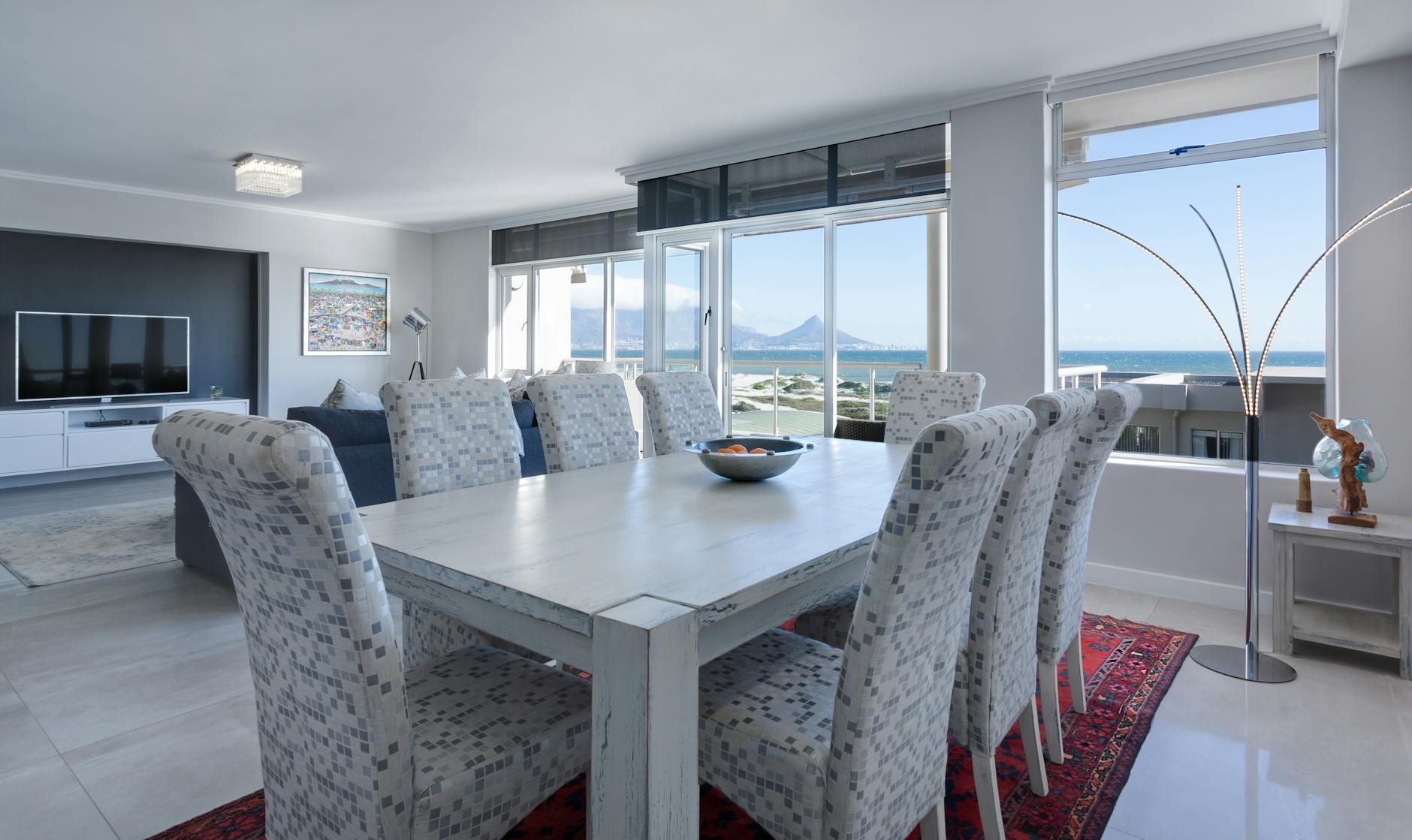
Renting Property in South Africa: The Complete Guide
Renting in South Africa covers everything from deposits and lease agreements to tenant rights and application tips. This guide explains the rules, costs, a


Renting in South Africa covers everything from deposits and lease agreements to tenant rights and application tips. This guide explains the rules, costs, and steps so you can rent confidently.
Quick answer: Renting property in South Africa follows the Rental Housing Act, which sets deposit limits, lease terms, and dispute processes. Tenants need payslips, ID, and references; landlords must register deposits and respect notice periods. The KILICASA Team — Published August 2024 — Updated August 2024 — kilicasa.co.za
- Rental basics and legal framework
- How to apply as a tenant
- Deposits and financial rules
- Lease and rental agreement rules
- Tenant and landlord rights
- Rental Housing Tribunal
- Short-term vs long-term rentals
- Actionable rental tips
- Conclusion and next steps
- Frequently asked questions
Rental basics and legal framework
The Rental Housing Act 31 of 1996 and its provincials set the foundation for renting property in South Africa. The Act defines minimum terms for leases, deposit protection, and dispute resolution through the Rental Housing Tribunal.
Key legal documents
- Rental Housing Act 31 of 1996 (as amended)
- Protection of Personal Information Act (POPIA)
- Consumer Protection Act (for certain lease terms)
- National Credit Act (for credit checks)
Every rental must be in writing. Oral agreements are difficult to enforce, and most agencies refuse them outright.
What counts as a legal rental
A valid rental exists when the landlord owns or lawfully lets the property, the lease is written, and rent is agreed in rands. The property must meet municipal occupation certificates where required.
How to apply as a tenant
Applying to rent in Cape Town, Johannesburg, or Durban follows a similar path. The difference is speed and competition. In high-demand areas, applications close within hours.
Standard rental application documents
| Document | Purpose |
|---|---|
| ID document or passport | Identity verification |
| Income payslips (3 months) | Affordability check |
| Bank statements | Financial stability |
| Employment letter | Job confirmation |
| Previous landlord reference | Behaviour history |
| Credit report (TPNB/TPN) | Debt and payment record |
Agencies often request a non-refundable application fee or admin fee. The Act does not require this, but it is common practice.
Preparing a strong application
Have documents ready before viewing. The best tenants apply within 24 hours of a viewing. Include a short cover letter stating income, job stability, and rental history. Landlords prefer certainty.
For pet-friendly rentals, disclose pets upfront. Misdeclaration voids the lease.
Deposits and financial rules
South African law caps deposits, but agencies often charge more than the minimum. Here is what the Act permits and what tenants actually pay.
Legal deposit limits
- Unfurnished property: one month’s rent plus VAT
- Furnished property: two months’ rent plus VAT
- No deposit may exceed this unless agreed separately in the lease
VAT is chargeable only when the landlord is VAT-registered, usually companies or agents acting on behalf of owners.
Deposit protection rules
Deposits must be paid into interest-bearing accounts if the lease exceeds 12 months. At lease end, the landlord may deduct unpaid rent and repair costs exceeding normal wear and tear.
Sample deposit calculation
| Rent (R) | Deposit (unfurnished) | Deposit (furnished) |
|---|---|---|
| 8,000 | 8,000 | 16,000 |
| 12,000 | 12,000 | 24,000 |
| 18,000 | 18,000 | 36,000 |
Always request a deposit receipt. Without one, reclaiming the deposit becomes difficult.
Lease and rental agreement rules
A lease must specify rent amount, payment date, lease period, deposit terms, and maintenance responsibilities. The standard form is the Annexure B template from the Property Practitioners Regulatory Authority (PPRA).
Lease duration options
| Type | Term | Renewal | Notice |
|---|---|---|---|
| Fixed-term lease | 12 months minimum | Negotiated renewal | Calendar month |
| Month-to-month | No end date | Automatic continuation | One rental period |
| Verbal lease | None (not recommended) | Unclear | Rent onward only |
Fixed-term leases prevent rent increases mid-term. Month-to-month tenancies allow landlords to raise rent with a calendar month's notice.
Tenant and landlord rights
The Rental Housing Act gives tenants quiet enjoyment of the property and the right to a safe, habitable home.
Tenant rights
- Right to occupy without interference
- Right to a habitable property
- Right to dispute resolution
- Right to receive itemised deposit deductions
- Right to privacy (no unannounced inspections)
Landlord rights
- Right to receive rent on agreed date
- Right to inspect with proper notice (usually 24–48 hours)
- Right to terminate for breach of lease
- Right to deduct unpaid amounts from deposit
Landlords cannot change locks or cut services without following court procedures.
Maintenance responsibilities
| Responsibility | Landlord | Tenant |
|---|---|---|
| Structural repairs | Yes | No |
| Kitchen appliances | Depends on lease | Depends on lease |
| Garden maintenance | Usually landlord | Often tenant |
| Utilities meter reading | No | Yes |
Always clarify maintenance responsibilities in writing before signing.
Rental Housing Tribunal
The Rental Housing Tribunal resolves disputes between tenants and landlords without court costs. It handles deposit disputes, eviction complaints, and habitability issues.
Filing a complaint
Complaints must be in writing. The tribunal provides free mediation first. If unresolved, a formal hearing is scheduled.
Common tribunal issues
- Unlawful lockouts
- Refusal to repay deposits
- Failure to maintain property
- Illegal rent increases
Tribunal orders are binding. Non-compliance leads to court action.
Short-term vs long-term rentals
Short-term rentals (Airbnb-style) are increasingly regulated in Cape Town and Johannesburg. The Western Cape requires permits for short-term letting in certain zones.
Comparison
| Aspect | Short-term | Long-term |
|---|---|---|
| Licensing | Permit required | None (standard lease) |
| Rent frequency | Daily/weekly | Monthly |
| Management effort | High | Low |
| Income potential | Higher per day | Stable monthly |
| Tenant rights | Limited | Full protections |
Long-term rentals offer legal certainty. Short-term rentals offer higher gross yield but more regulatory risk.
Actionable rental tips
For tenants
- Apply within 24 hours of viewing.
- Submit payslips, bank statements, and references together.
- Always get a deposit receipt.
- Photograph the property before moving in.
- Never withhold rent except through the court process.
- Check pet policies before moving.
For landlords
- Verify ownership with a rates clearance certificate.
- Use standard PPRA lease templates.
- Register deposits in interest-bearing accounts.
- Inspect quarterly with written notice.
- Keep all communication in writing.
- Stay compliant with municipal rental regulations.
Conclusion and next steps
Renting in South Africa works best when both sides understand the law. Tenants benefit from knowing their rights under the Rental Housing Act. Landlords avoid disputes by using clear, written leases and proper deposit handling.
The key takeaway: good documentation prevents most problems. Whether renting houses in Durban or apartments in Cape Town, the legal framework is national, but local practices vary.
Start your rental journey with accurate, current information. Visit kilicasa.co.za to explore listings and connect with trusted practitioners.
Frequently Asked Questions
How much deposit is required for a rental in South Africa?
The law allows up to one month's rent for unfurnished and two for furnished properties. In competitive markets like Cape Town, tenants often pay more voluntarily. Always get a written deposit receipt.
Can a landlord increase rent mid-lease?
No, rent cannot increase during a fixed-term lease unless the lease agreement includes an escalation clause. For month-to-month tenancies, a calendar month's notice is required.
Rent smarter with expert guidance and verified listings from KILICASA. KILICASA →