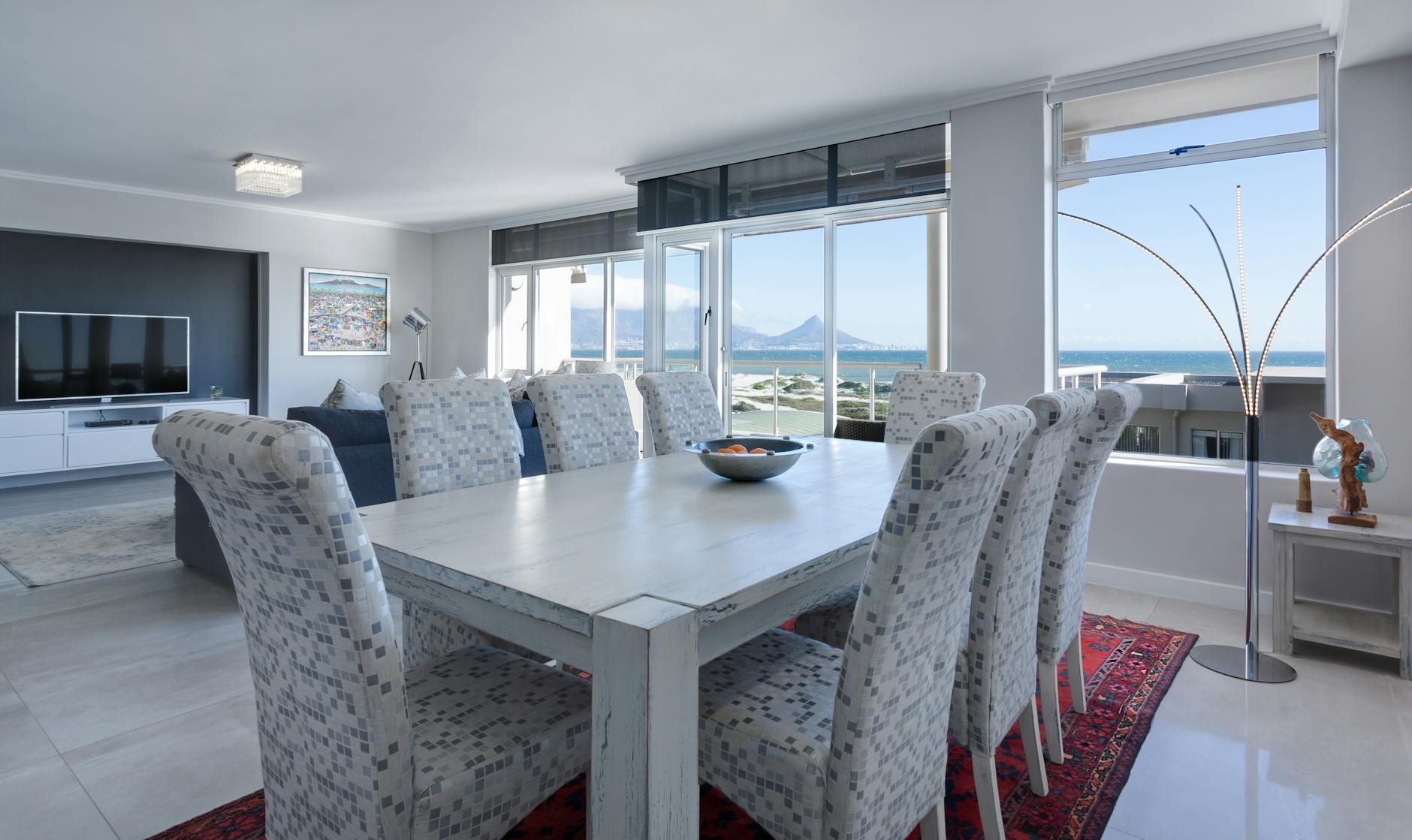
Tenant Rights South Africa: Rental Deposit & Lease Guide
Understand tenant rights in South Africa, rental deposit rules, lease requirements, and how the Rental Housing Act protects renters.


Understand tenant rights in South Africa, rental deposit rules, lease requirements, and how the Rental Housing Act protects renters.
The Legal Foundation: The Rental Housing Act
The Rental Housing Act 50 of 1994 is the cornerstone of tenant rights in South Africa. It establishes that every lease must be in writing, outlines tenant obligations, and grants tenants the right to a fair, transparent rental relationship. The Act applies to all residential leases, regardless of property type or location.
Under the Act, tenants have the right to:
- Request a copy of the lease agreement before signing
- Receive receipts for all payments, including deposits
- Be informed of any deductions from the deposit with written justification
- Challenge unfair terms in the lease through the Rental Housing Tribunal
Landlords, too, have rights and responsibilities. They can require rent in advance, ask for a deposit (capped at two months' rent for residential leases), and expect the property to be returned in good condition. However, they must follow due process and cannot deduct from the deposit for normal wear and tear.
Rental Agreements: What to Expect and What to Check
A rental agreement in South Africa must be in writing. While oral leases exist legally, they are difficult to enforce and do not protect either party. A written lease clarifies expectations, defines obligations, and serves as evidence should disputes arise.
Before signing, tenants should review the lease carefully. Key elements include:
- Rent amount and due date
- Deposit amount and refund conditions
- Lease duration and renewal terms
- Maintenance responsibilities
- Rules for subletting or adding occupants
- Procedures for notice periods
A well-drafted lease prevents misunderstandings. If a landlord uses a generic template, tenants can suggest adding clauses for repairs, utilities, and pet policies. Both parties should keep a signed copy.
Rental Deposits: Rules, Rights, and Refunds
Rental deposits are one of the most common sources of conflict between tenants and landlords. The Rental Housing Act caps deposits at two months' rent for residential leases, unless the property is furnished, in which case the deposit may be higher.
Tenants should:
- Pay the deposit in full and request a written receipt
- Ensure the deposit is held in a separate, interest-bearing account
- Complete a move-in inspection report with the landlord
- Request a move-out inspection and written statement of any deductions
When the lease ends, the landlord must return the deposit within 14 days, less any lawful deductions. Common deductions include unpaid rent, damages beyond normal wear and tear, and outstanding utility bills. Landlords must provide an itemised statement of deductions and retain records for at least three years.
Rental Inspections: Protecting Your Space and Your Deposit
Rental inspections are not just for check-in and check-out. Regular inspections help both tenants and landlords identify and address issues early. Tenants benefit from documenting the condition of the property and reporting problems in writing.
During an inspection, tenants should:
- Attend the inspection if possible
- Take photos of any existing damage
- Sign the inspection report
- Keep a copy of all reports
If a landlord refuses an inspection or disputes the property's condition, tenants can file a complaint with the Rental Housing Tribunal. Proper documentation protects both parties and supports fair outcomes.
Notice Periods and Lease Termination
Notice periods in South Africa depend on the lease terms and how long the tenant has occupied the property. For month-to-month tenancies, either party must give 20 business days' notice. For fixed-term leases, the notice period is usually specified in the contract.
If a tenant leaves early, they may be liable for rent until a new tenant is found or the lease expires. Conversely, if a landlord wishes to terminate the lease, they must provide sufficient notice and may need to justify the reason, such as non-payment of rent or breach of lease terms.
Tenants should always confirm their notice obligations in writing and retain proof of delivery. Email or registered mail serves as acceptable evidence of notice.
Dispute Resolution: How to Challenge Unfair Treatment
If a dispute arises and cannot be resolved directly, tenants have access to the Rental Housing Tribunal. The Tribunal handles complaints about deposit deductions, lease violations, and unreasonable rent increases. Tenants can also seek assistance from legal aid clinics or tenant advocacy organisations.
To file a complaint, tenants typically need:
- A copy of the lease agreement
- Receipts or payment records
- Photographs or written evidence of property condition
- A detailed account of the dispute
The Tribunal process is free and designed to be accessible. While it can take time, formal mediation often resolves issues more quickly than court action.
Emerging Protections and Tenant Empowerment
Recent developments in South African rental law focus on strengthening tenant protections and promoting transparency. Some provinces are piloting digital systems to streamline lease registration, inspection reporting, and dispute tracking. These tools make it easier for tenants to understand their rights and hold landlords accountable.
Tenants are also benefiting from increased awareness of co-living arrangements and shared housing, which offer more flexible, affordable options. By understanding their rights and using available resources, tenants can navigate the rental market with confidence and advocate for fair treatment.
Key Takeaways for Tenants
- Know your deposit cap: Residential deposits are limited to two months' rent.
- Always get a receipt: Written confirmation protects your payment history.
- Document everything: Take photos, sign reports, and keep copies of all agreements.
- Understand notice rules: Follow lease terms and local requirements when ending a tenancy.
- Use available support: The Rental Housing Tribunal and legal aid clinics offer free assistance.
Conclusion
Understanding tenant rights in South Africa empowers renters to secure fair housing and protect their investments. From deposit caps to inspection reports and dispute resolution, knowing the rules helps tenants and landlords alike build respectful, transparent relationships.
For those seeking practical tools and verified listings, KILICASA connects tenants and landlords with clarity and trust. Visit KILICASA to explore opportunities and navigate the rental market with confidence.
Frequently Asked Questions
Can a landlord refuse to return my deposit?
A landlord can only deduct from the deposit for unpaid rent, damages, or outstanding charges. They must provide an itemised statement within 14 days of lease termination.
Do I need a written lease agreement?
Yes, the Rental Housing Act requires residential leases to be in writing. While oral agreements are legally valid, they are difficult to enforce.
How much notice must a tenant give before moving out?
For month-to-month tenancies, 20 business days' notice is required. Fixed-term leases typically specify the notice period in the contract.
Ready to find your next rental or grow your real estate business? Join KILICASA today and experience South Africa's smartest property platform. KILICASA →